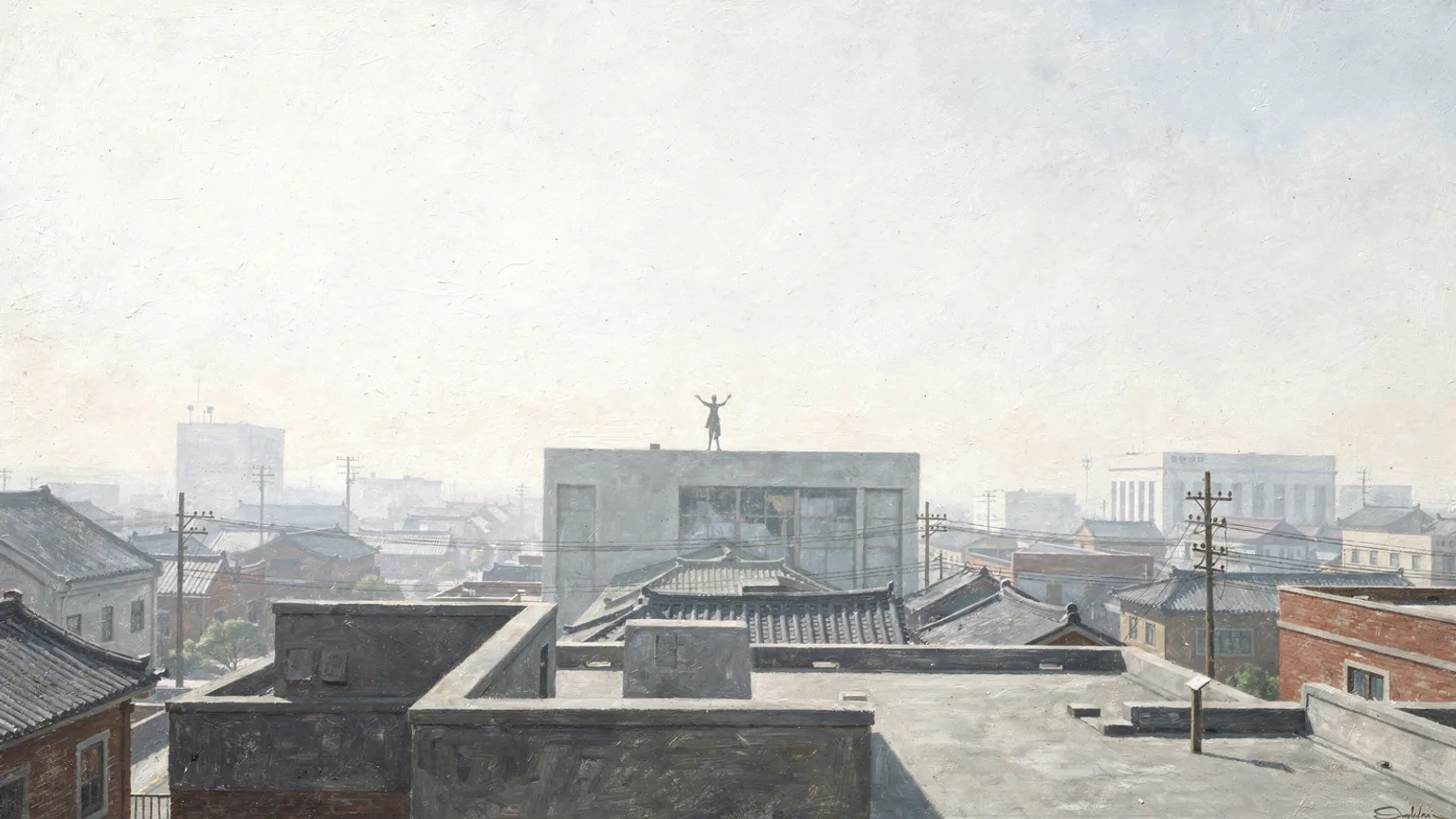
Wings
About this story
Yi Sang’s «Wings» (1936) is the most celebrated work of Korean modernism — a dizzying descent into the mind of a man who drifts, half-awake, through a cramped room he almost never leaves. In prose that folds dream, irony, and razor-sharp self-analysis into one another, the great avant-garde writer turns urban alienation and a suffocating marriage into pure, vertiginous interiority. To type it, sentence by sentence, is to inhabit one of the strangest and most hypnotic voices in modern Asian literature.
By the numbers
About the author
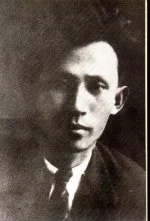
Yi Sang (1910–1937) was the pen name of Kim Hae-gyeong, the towering avant-garde figure of modern Korean literature. Trained as an architect, he wrote surreal, mathematically inflected poems and stories that broke every convention of colonial-era Korean writing before tuberculosis killed him in Tokyo at twenty-six. Though barely recognized in his lifetime, he is now regarded as one of Korea’s most revolutionary modernists, and the country’s foremost literary prize bears his name.
Recognition
Yi Sang, Korean literature’s perpetual enfant terrible, was not only a cutting-edge writer but a working architect, and his oeuvre teems with dark rooms, mirror worlds, and other uncanny spaces. “Wings” is his best-known story.
For years his most famous story, “Wings,” has been read through the lens of modernist flânerie. He belongs not just with the likes of Gertrude Stein, André Breton, and James Joyce, but also Oswald de Andrade, Jean Toomer, and Aimé Césaire.
Yi Sang is perhaps the most famous avant-garde writer of the colonial era. His short story “Wings” uses a stream-of-consciousness technique to express the alienation of modern people — fragmented commodities unable to relate to quotidian reality.
These are brilliant, painfully dark jewels from an author without much optimism about anything, but with a keen eye for absurdity — a work rich with ore for theory miners.
Practice typing
Type this retelling one piece at a time — your progress is saved as you go.
If you liked this
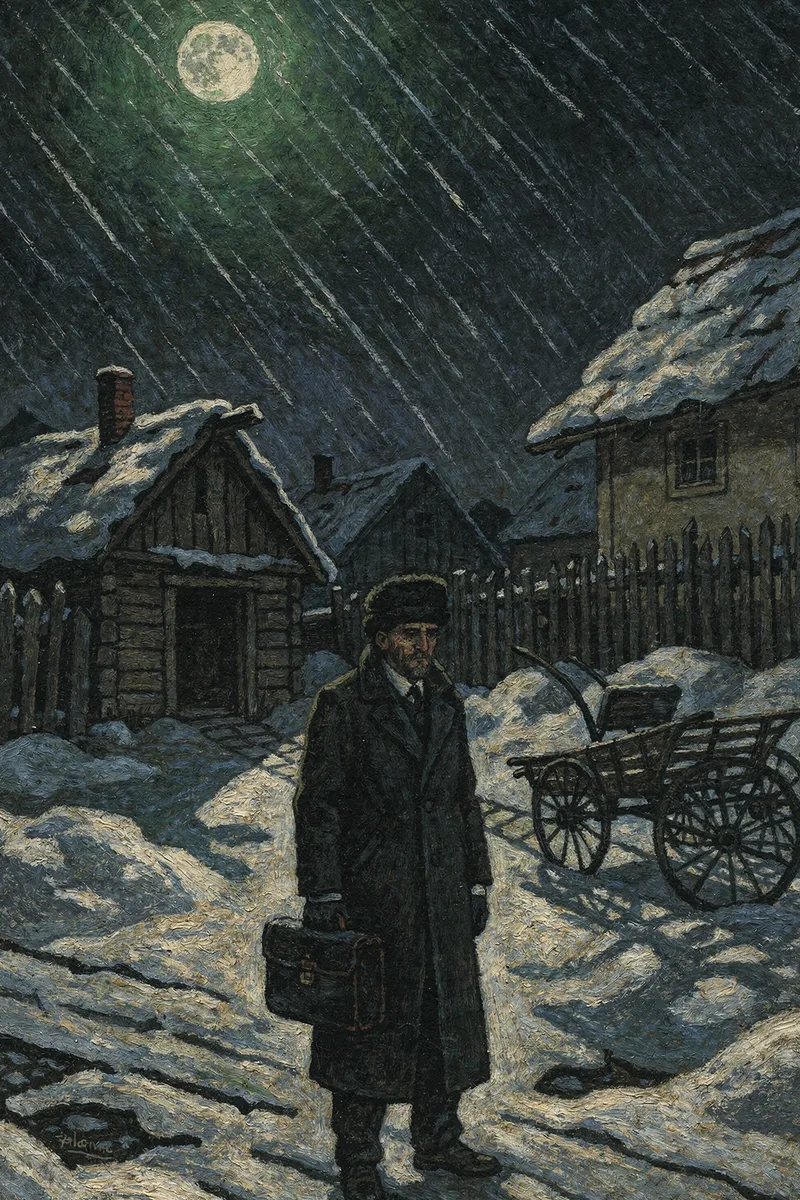
On a blizzard night a country doctor is torn from his bed to reach a patient ten miles off.
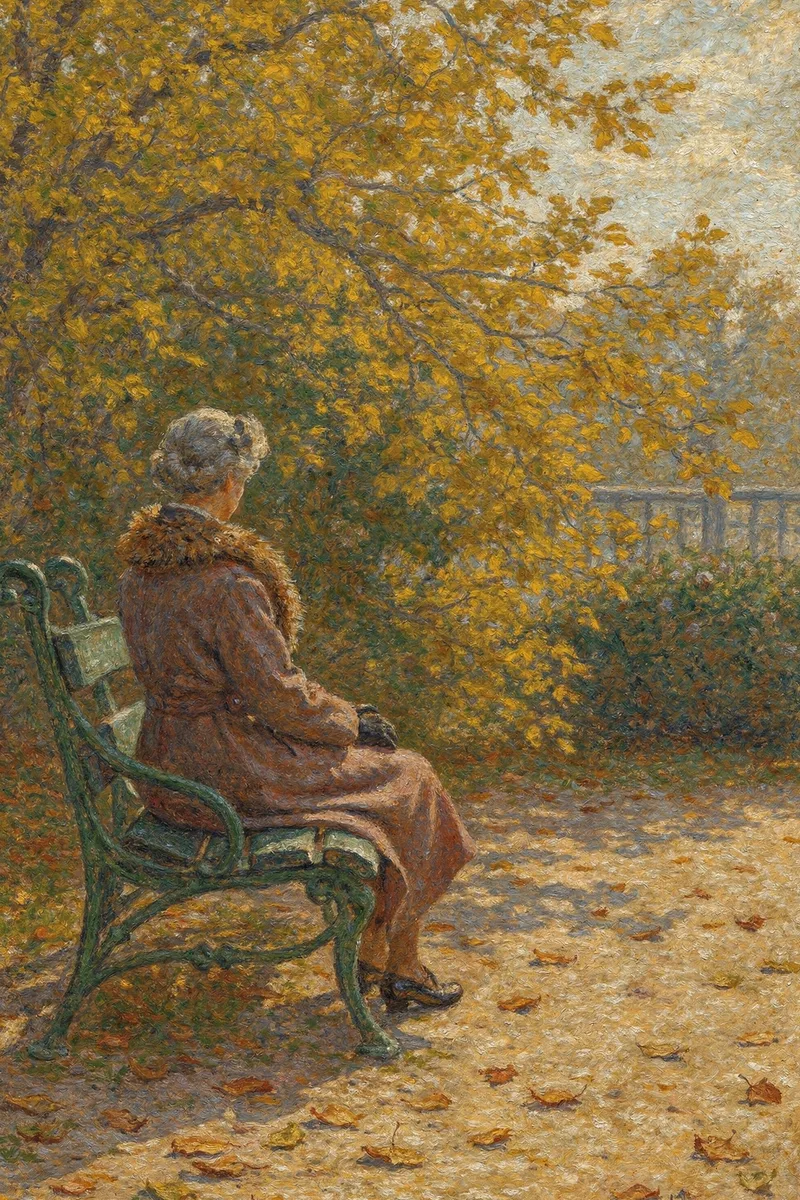
On a golden Sunday in a French seaside town, an aging Englishwoman settles onto her favourite park bench, wraps herself in a shabby fur, and eavesdrops on the strangers around her — convinced she plays a treasured part in the great theatre of the world.
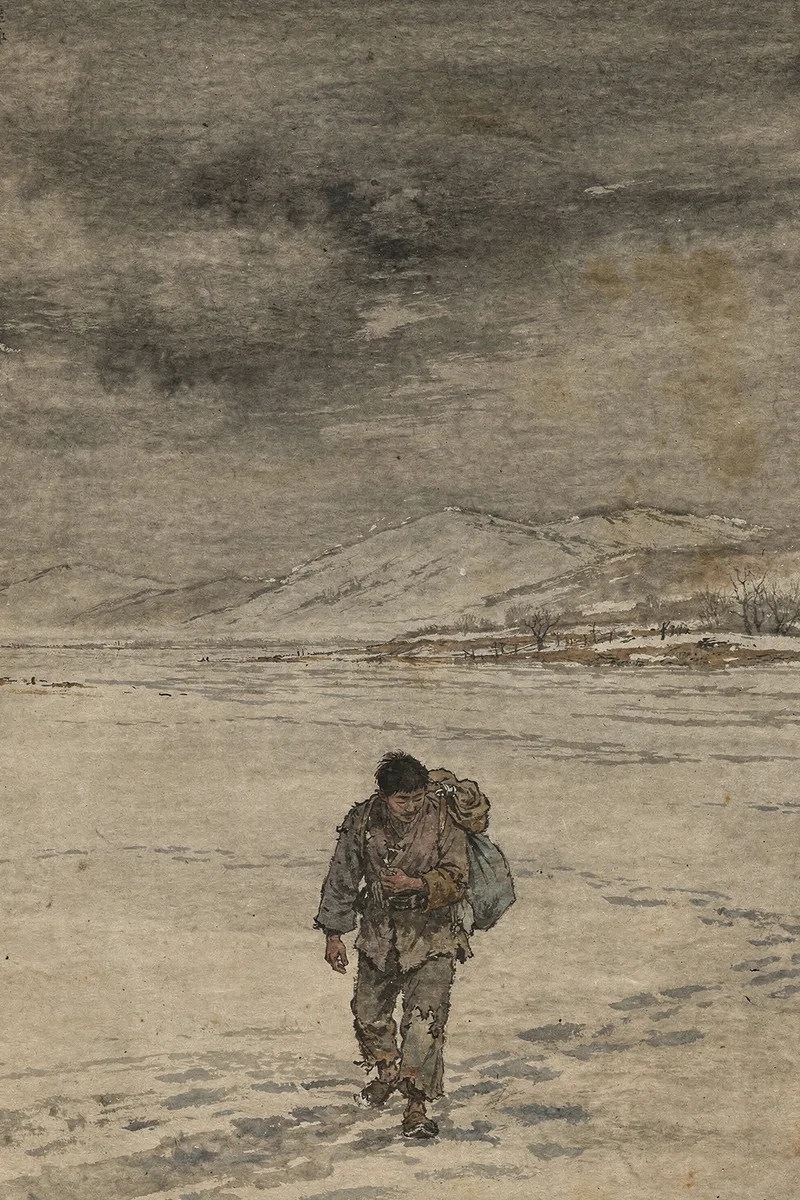
Written as a letter from a young man to the friend who begs him to come home, «Escape» lays bare the grinding poverty of Korean émigrés scraping a living in 1920s Manchuria — the hunger, the humiliations, the slow starving of hope.
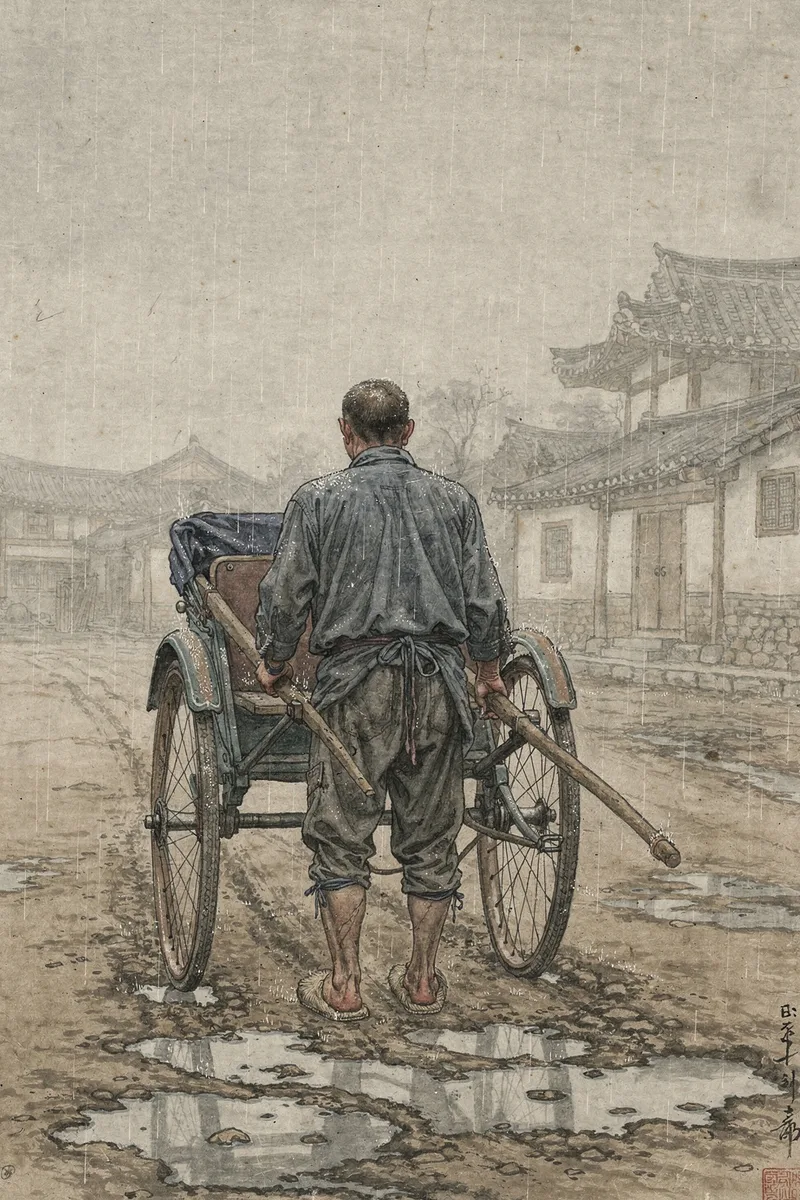
On a raw, drizzling winter day, Kim Cheom-ji — a rickshaw man scraping by outside Dongso Gate — is having the luckiest run of his life.