A Country Doctor
About this story
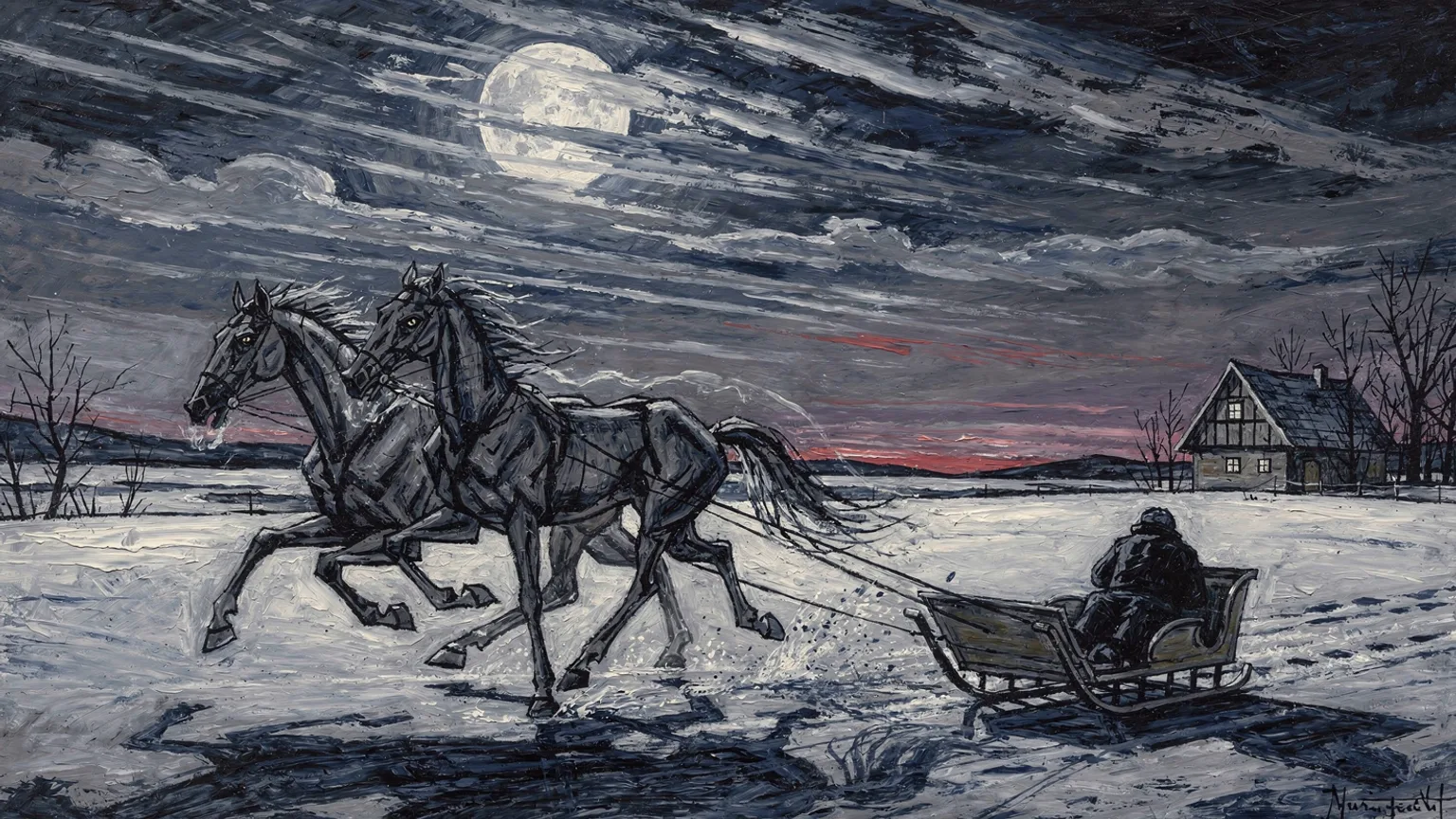
On a blizzard night a country doctor is torn from his bed to reach a patient ten miles off. His own horse lies dead — then two uncanny beasts surge from a long-abandoned pigsty, driven by a brutish groom he cannot control, and hurl him to a farmhouse where a boy is dying of a rose-red, worm-filled wound. What follows is a fever-dream of duty, guilt and helplessness, told in Kafka's hypnotic present tense. Franz Kafka — author of «The Metamorphosis» and «The Trial», and the source of the very word «Kafkaesque» — poured his art into this compressed, nightmarish parable, one of the few books he saw into print himself. Type it in the original German and feel every uncanny turn.
By the numbers
About the author
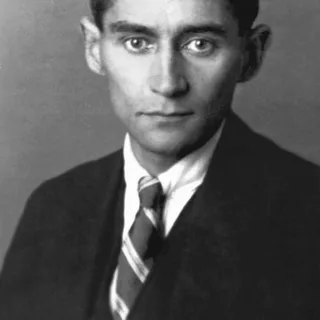
Franz Kafka (1883–1924) was a German-language writer, born into a Jewish family in Prague, today regarded as one of the central figures of twentieth-century literature and the source of the very adjective «Kafkaesque». He published only a handful of works in his lifetime and asked that the rest be burned; his friend Max Brod instead brought out the posthumous novels that secured his fame. His signature works include the novella «The Metamorphosis» (1915) and the unfinished novels «The Trial» and «The Castle». «A Country Doctor» is the title story of the 1920 collection «Ein Landarzt. Kleine Erzählungen» — one of the few books Kafka saw into print himself, and a work whose dreamlike, fragmentary form marks a turn toward the compressed parable that defines his mature short fiction.
Recognition
The country doctor's loss of control over his team of horses corresponds to the subversion of the subject: namely, that what we call our «I» behaves essentially passively in life, that we are lived by unknown, uncontrollable powers.
Alt discerns in the story the myth of the Wandering Jew Ahasver, condemned to roam unredeemed through foreign lands — a figure of homelessness mirrored in Kafka's country doctor on his never-ending journey through the winter night.
Against readers who chase the story's symbols too freely, Guth argues that in «A Country Doctor» every word and every mark of punctuation contributes directly to the expression, so that the tale's power lies in the tight, deliberate control of its surface rather than in loose allegory.
Louis H. Leiter saw in the tale a cogent argument for existentialism, reading the doctor as an «anti-existential hero» who fails to transcend his assigned role and, through his own passivity, becomes a tool for others and so deserves his fate.
Practice typing
Type this retelling one piece at a time — your progress is saved as you go.
If you liked this
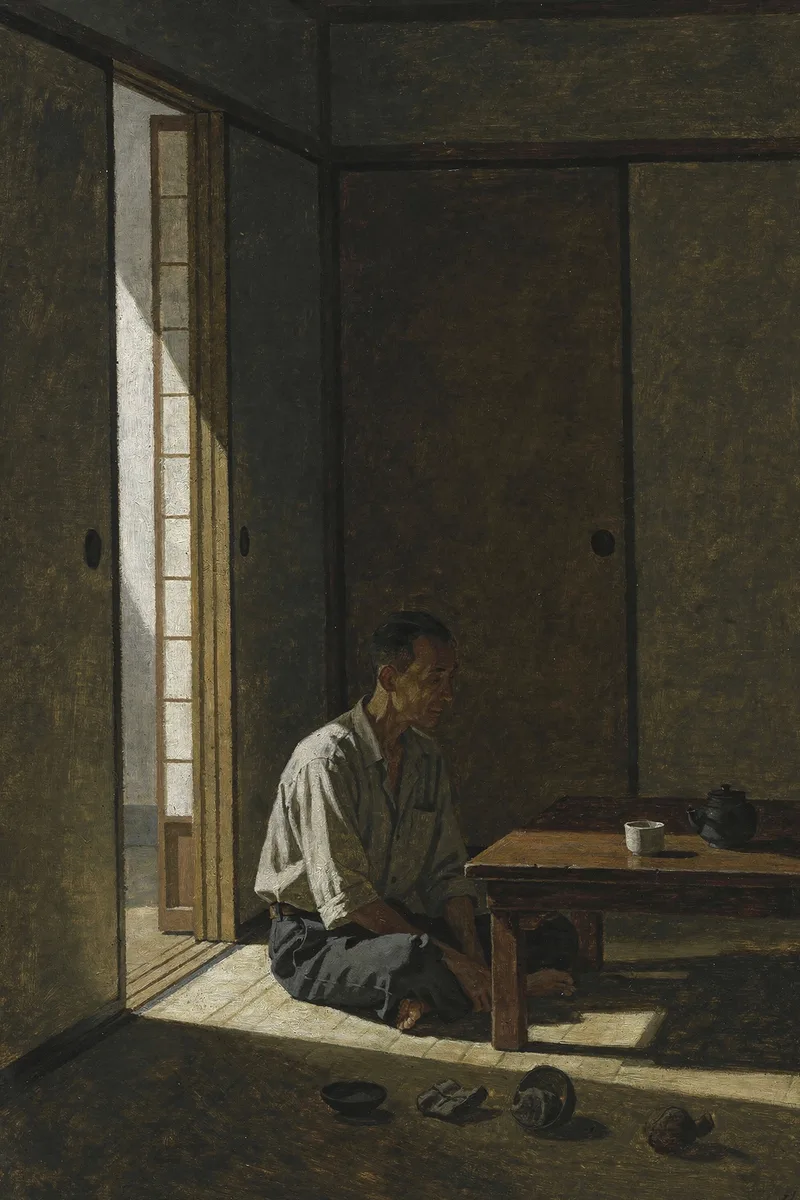
Yi Sang’s «Wings» (1936) is the most celebrated work of Korean modernism — a dizzying descent into the mind of a man who drifts, half-awake, through a cramped room he almost never leaves.
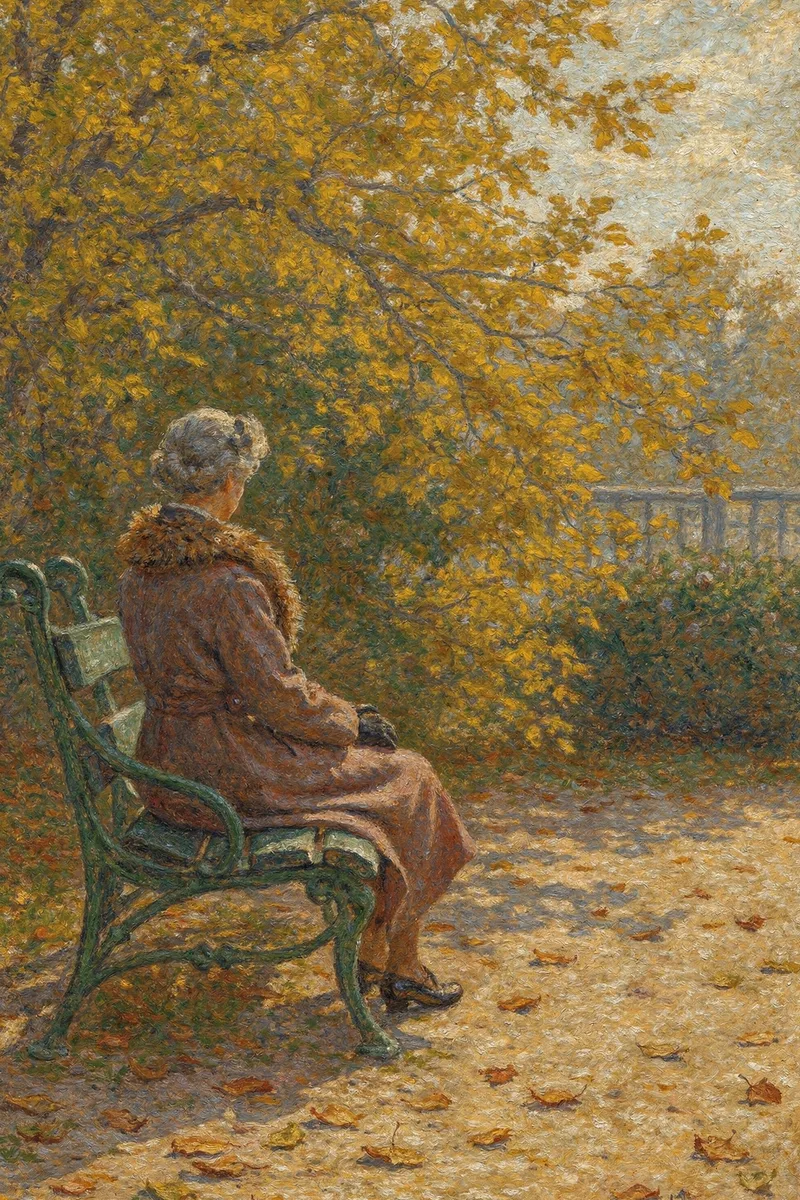
On a golden Sunday in a French seaside town, an aging Englishwoman settles onto her favourite park bench, wraps herself in a shabby fur, and eavesdrops on the strangers around her — convinced she plays a treasured part in the great theatre of the world.
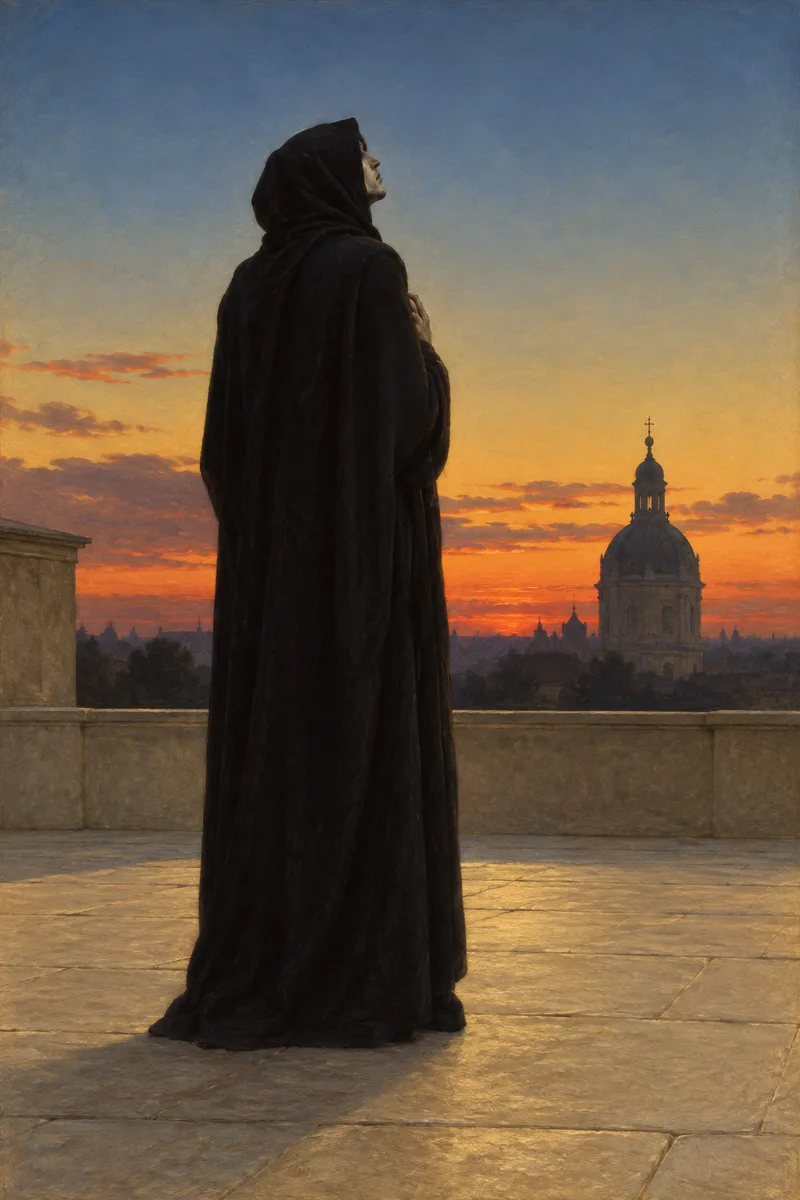
Munich is shining under a silk-blue June sky, and the crowd outside Blüthenzweig’s art shop keeps drifting back to a photograph in the window: a Madonna with bare shoulders and a heavy, sensual gaze, painted, the gossip goes, from the artist’s sweetheart, a little milliner.
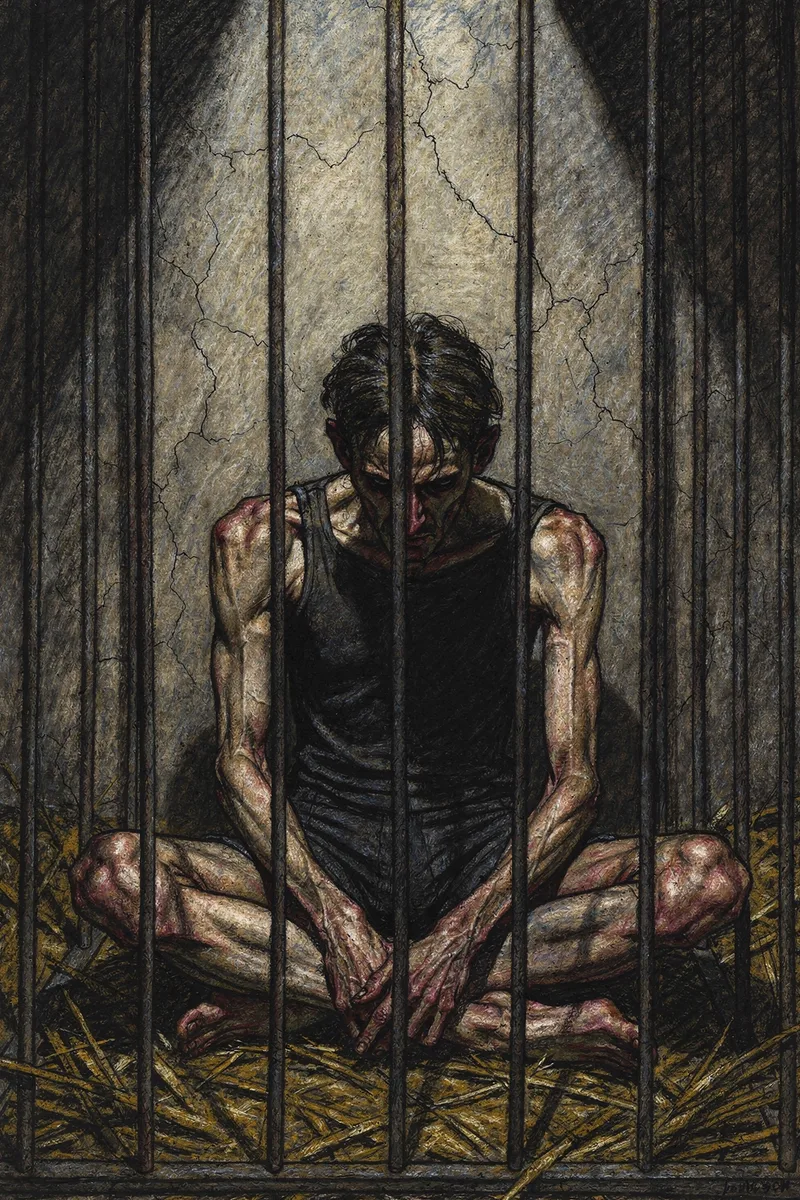
A hunger artist — once the marvel of his age, watched by whole cities as he fasted for forty days in a straw-strewn cage — finds the world's appetite for his art slowly dying away.