Gladius Dei
About this story
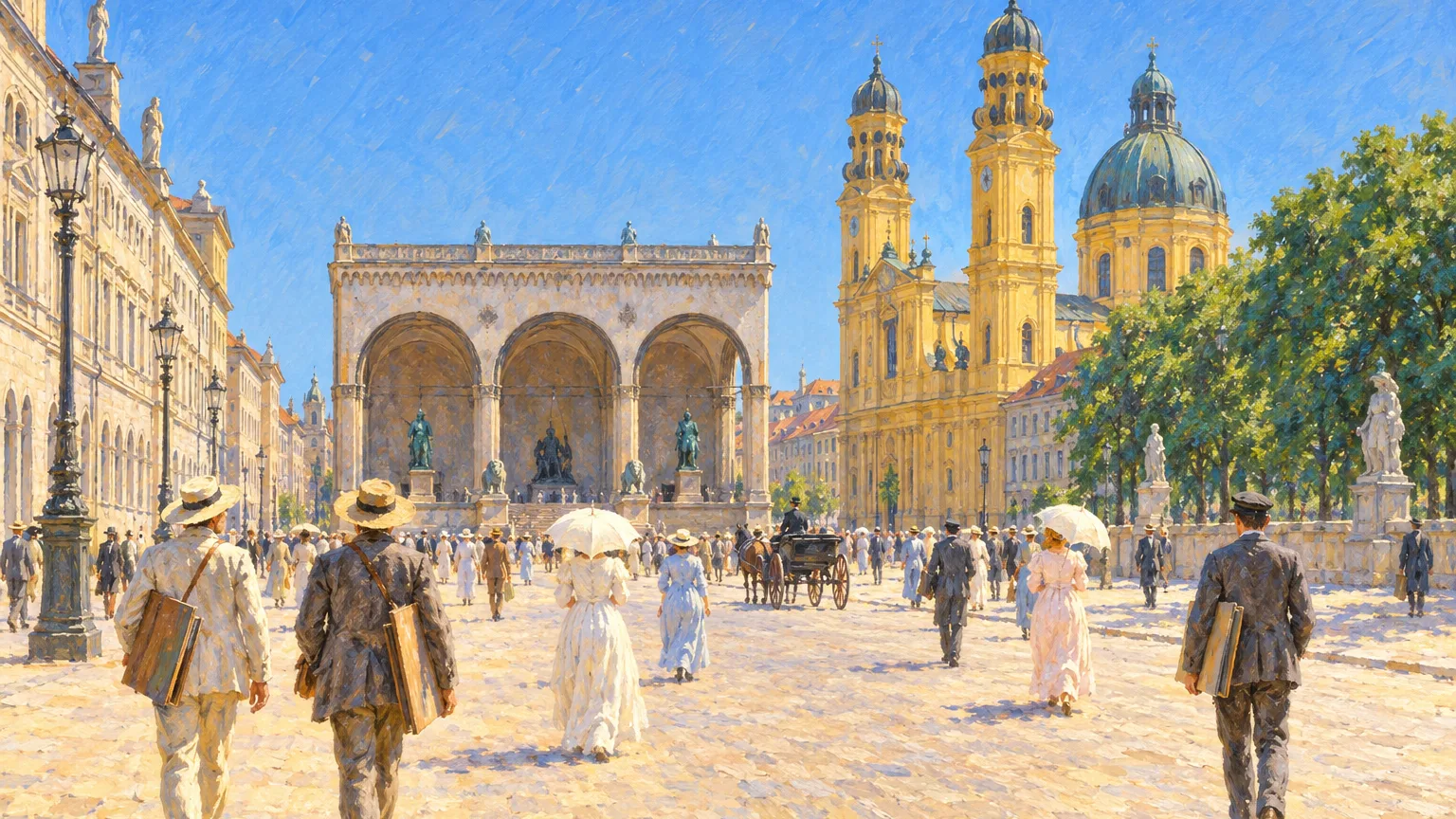
Munich is shining under a silk-blue June sky, and the crowd outside Blüthenzweig’s art shop keeps drifting back to a photograph in the window: a Madonna with bare shoulders and a heavy, sensual gaze, painted, the gossip goes, from the artist’s sweetheart, a little milliner. A gaunt young man in a black hood, Hieronymus, cannot get her out of his head. On the third night a voice from above sends him into the shop to demand that the picture be burned — then the statues, the vases, everything. Thomas Mann wrote “Gladius Dei” in 1901, the year Buddenbrooks appeared, twenty-eight years before his Nobel Prize. Its first words, “München leuchtete”, outlived the satire: since 1961 Munich has awarded a medal that carries them in the present tense, “München leuchtet”.
By the numbers
About the author

Thomas Mann (1875–1955), born in Lübeck and a Munich resident from 1894 until 1933, is the central German novelist of the twentieth century; he received the Nobel Prize in Literature in 1929. His best-known works include the family saga Buddenbrooks (1901), the novella Death in Venice (1912) and The Magic Mountain (1924). Driven out by the Nazis in 1933, he went on writing in exile in Switzerland and the United States and died in Zurich. “Gladius Dei” was written in 1901 after a journey to Florence, appeared in July 1902 in Hermann Bahr’s Viennese journal Die Zeit and was collected in Tristan (1903). A satire of Munich’s Renaissance-worshipping art trade, told through a young, Savonarola-like zealot, it is the companion piece to his only play, Fiorenza. Its opening words, “München leuchtete”, became a byword for the city: since 1961 Munich has named its civic medal “München leuchtet” after them.
Recognition
“Gladius Dei” marks an important step forward in a development that reached its first climax in Der Tod in Venedig.
Mann's story, often considered only a minor companion piece to the play Fiorenza, is significant in itself as a satire on the intellectual attitudes prevalent in Munich around 1900.
anticipates a kind of musical composition ... in which, as Leverkühn says, ‘there shall be nothing unthematic.’
“München leuchtete” (“Munich was shining”): with this quotation from the novella “Gladius Dei”, Thomas Mann expressed his ambivalent relationship with the city and its art scene. The famous dictum has long since shed its irony; the city now looks with pride on its art, theatre, music and literature.
Practice typing
Type this retelling one piece at a time — your progress is saved as you go.
If you liked this
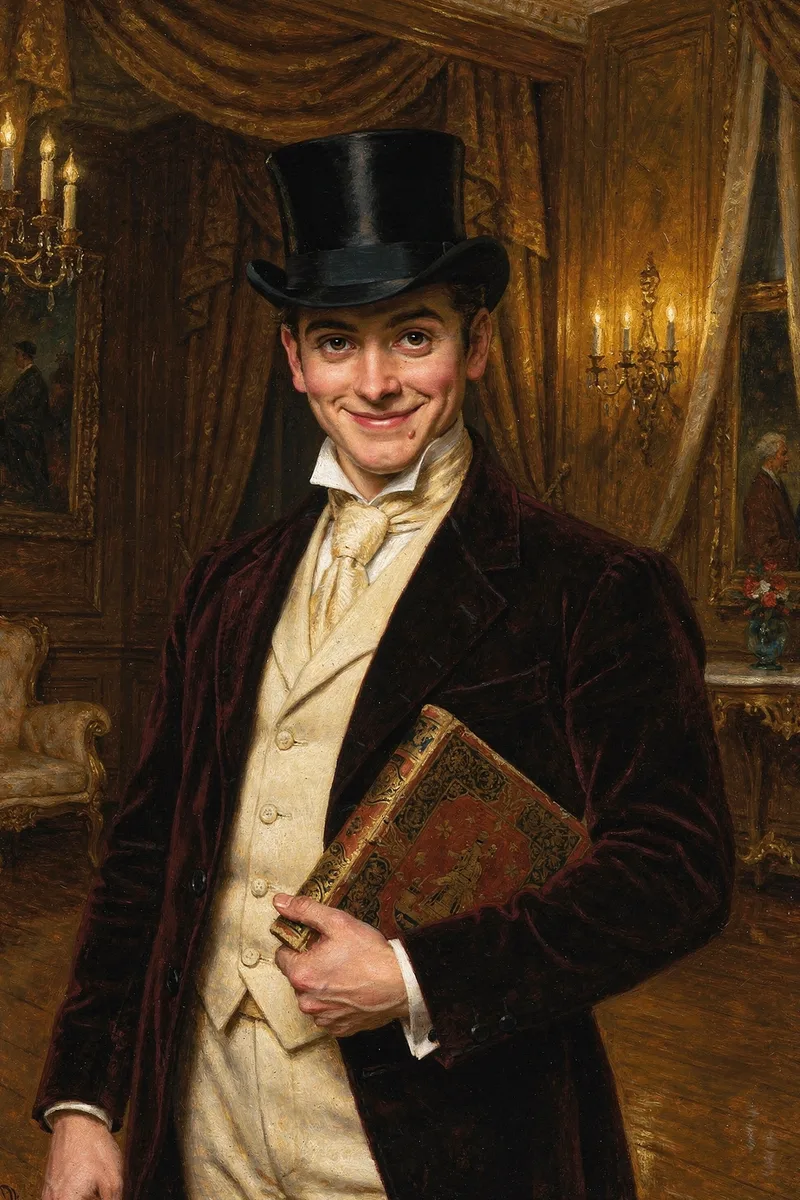
Down to his last coin, Castelo answers a newspaper advertisement seeking a teacher of Javanese — a language of which he does not know a single word.
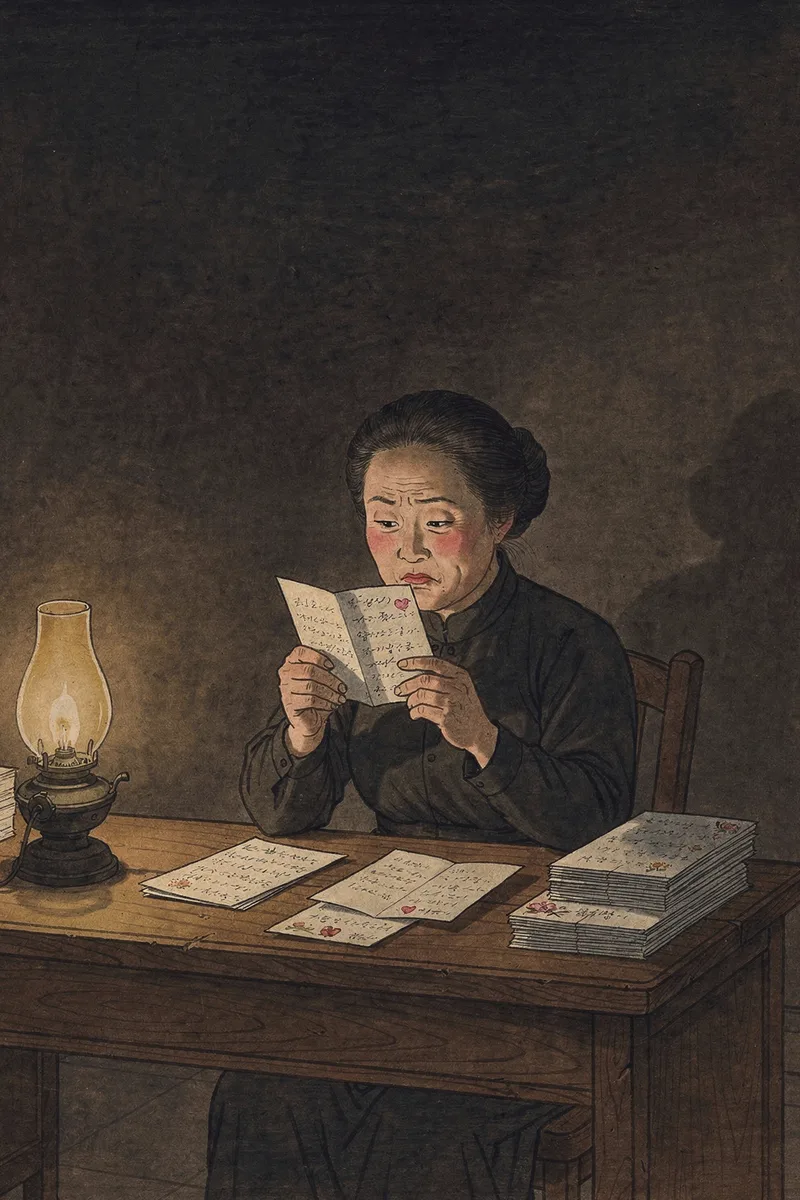
Miss B, the dormitory matron of a girls’ school, is a gaunt, pious spinster who wages holy war on romance — confiscating every love letter and hauling terrified students in for interrogation.
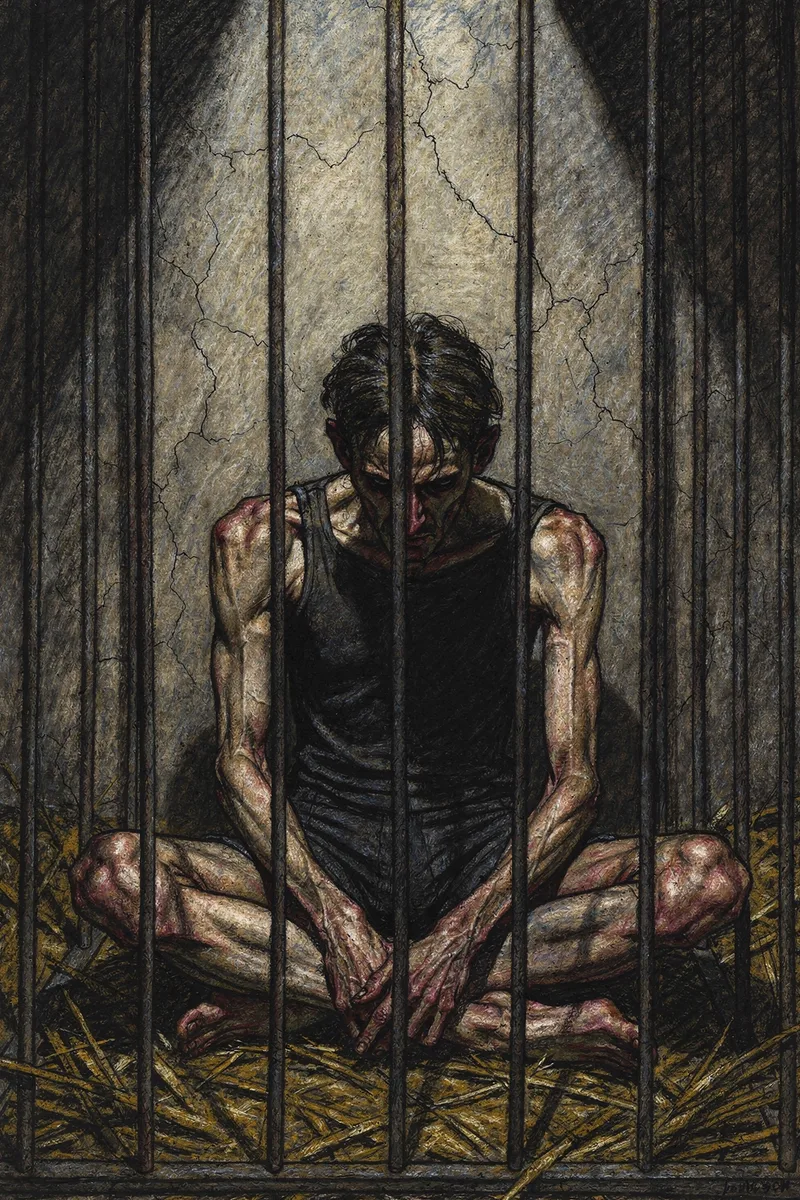
A hunger artist — once the marvel of his age, watched by whole cities as he fasted for forty days in a straw-strewn cage — finds the world's appetite for his art slowly dying away.
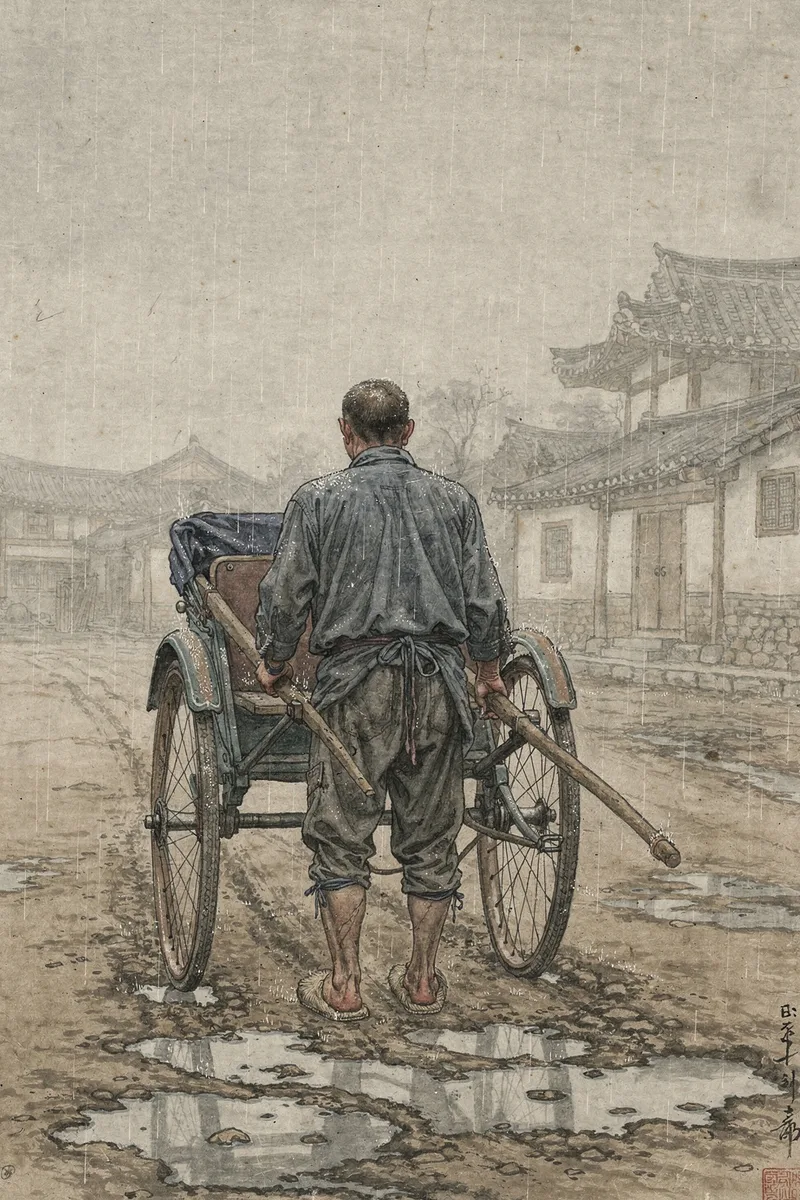
On a raw, drizzling winter day, Kim Cheom-ji — a rickshaw man scraping by outside Dongso Gate — is having the luckiest run of his life.