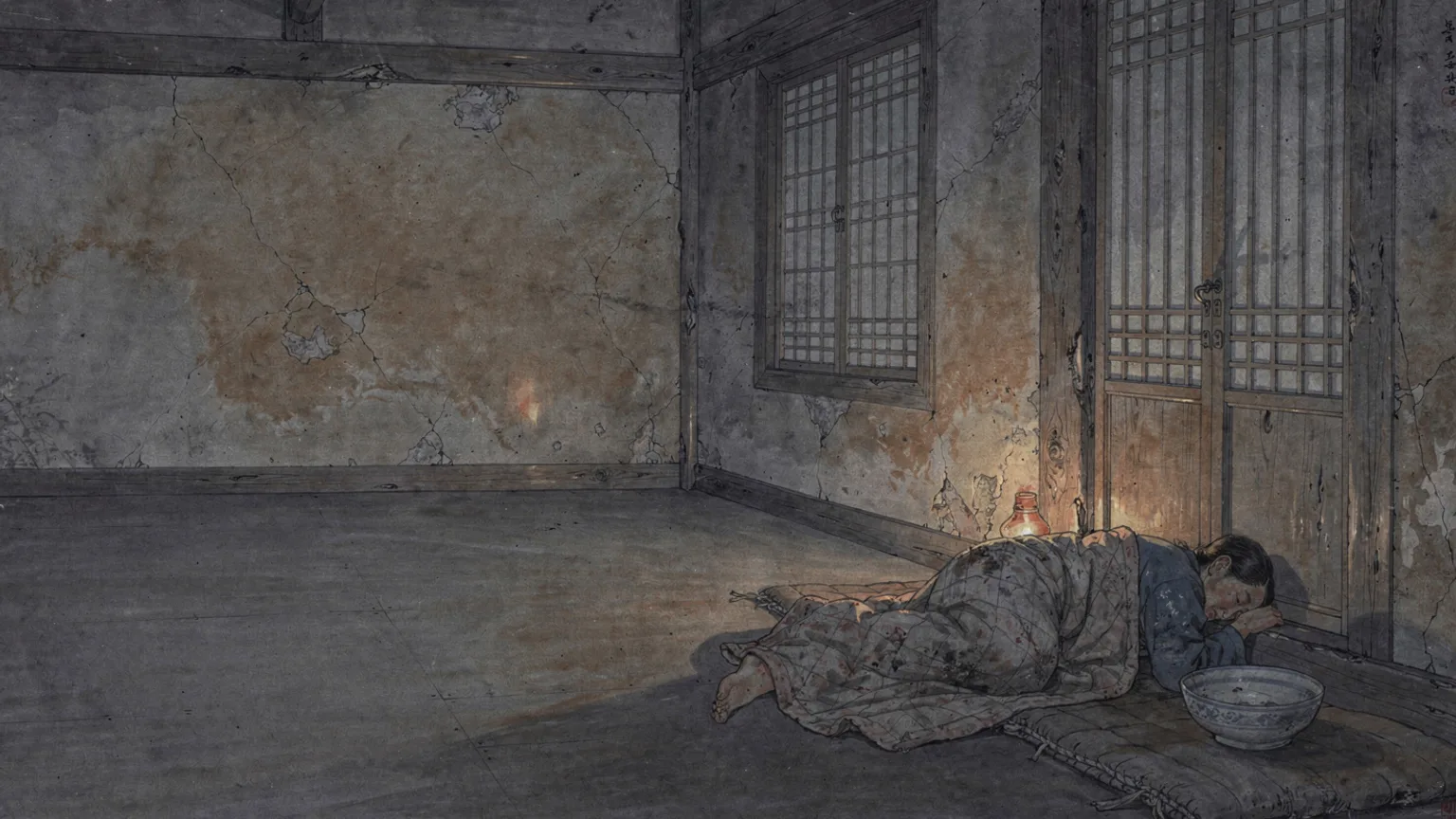
A Lucky Day
About this story
On a raw, drizzling winter day, Kim Cheom-ji — a rickshaw man scraping by outside Dongso Gate — is having the luckiest run of his life. Fare after fare falls into his hands, more money than he has seen in ten days, enough at last to buy medicine and a bowl of warm seolleongtang for his sick wife, who begged him that morning not to go out. But the good fortune keeps coming with an almost menacing persistence, and a cold dread grows alongside his luck. Hyun Jin-geon's 1924 story — a cornerstone of modern Korean fiction — builds through grim irony toward one of the most crushing endings in Korean literature: a portrait of poverty under colonial rule where the day's good luck and its final blow turn out to be one and the same.
By the numbers
About the author
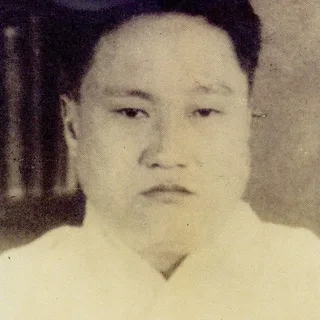
Hyun Jin-geon (1900–1943), who wrote under the pen name Binghŏ, was born in Daegu and became one of the founding figures of modern Korean realist short fiction during the Japanese colonial period. He first drew critical notice in 1921 with the stories «Bincheo» («My Destitute Wife») and «The Society That Drives You to Drink», and with «A Lucky Day» (1924) he turned from confessional first-person narration to a detached third-person voice that portrayed the lives of the urban poor with unsentimental precision. Praised for his tight construction and mastery of irony, he is often ranked among the finest short-story writers of 1920s Korea. In his later years he abandoned short fiction for historical novels such as «The Shadowless Pagoda», and he died in 1943.
Recognition
He established his reputation as a major realist writer with «Bincheo» (Poor Man's Wife) and «Sul gwonhaneun sahoe».
Beginning with «Unsu joeun nal» (A Lucky Day), he spurned the confessional mode of the first-person narrative and instead wrote in the third-person perspective.
«One Lucky Day» was published in 1924; its tragic effect is revealed through irony, as the protagonist Kim's day of unusual good fortune turns out to be the day his sick wife dies.
Practice typing
Type this retelling one piece at a time — your progress is saved as you go.
If you liked this
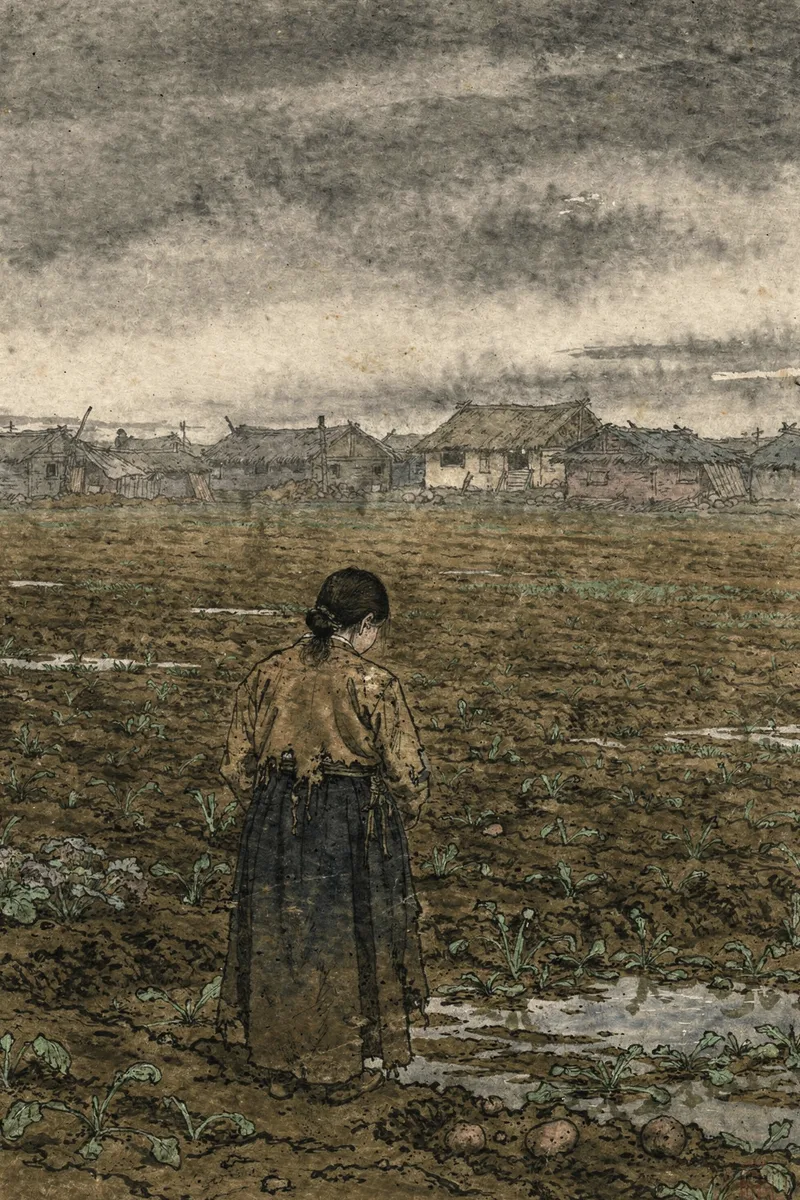
Born to a poor but honest farming family, Boknyeo is sold in marriage at fifteen and drifts, step by step, into the slums of colonial-era Pyongyang, where hunger rewrites every rule she was raised to obey.
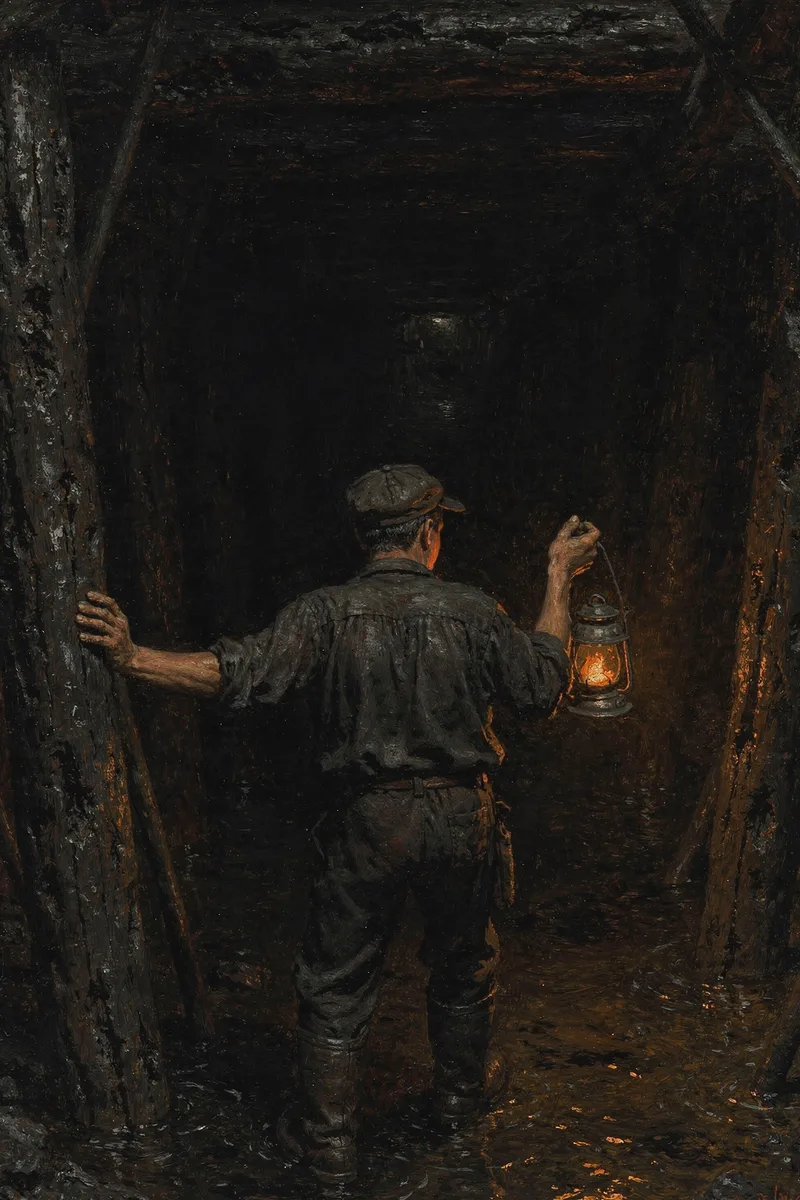
In 1904, Baldomero Lillo—the father of Chilean social realism—descended into the coal pits of Lota and came back with “The Devil's Shaft,” the most anthologized story in Chilean literature.
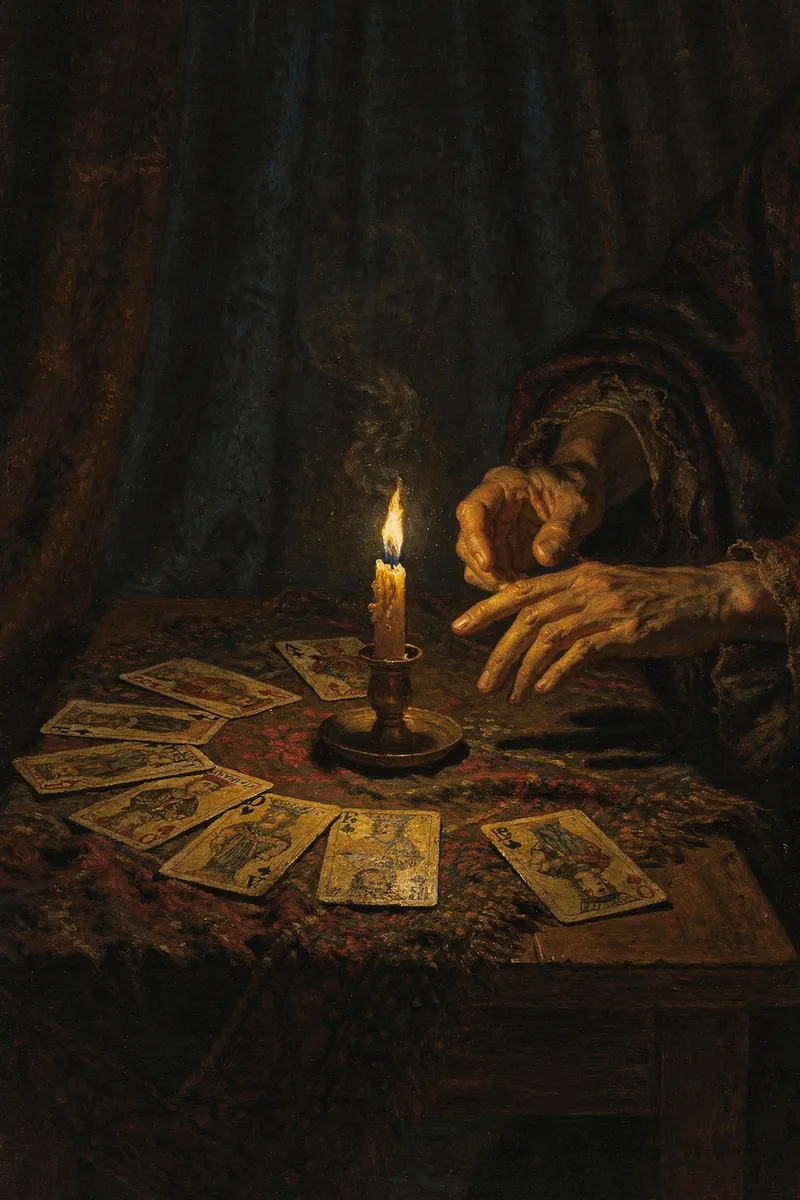
«There are more things in heaven and earth than are dreamt of in your philosophy.» With Hamlet's words Machado de Assis opens his most famous tale of fate and self-deception.
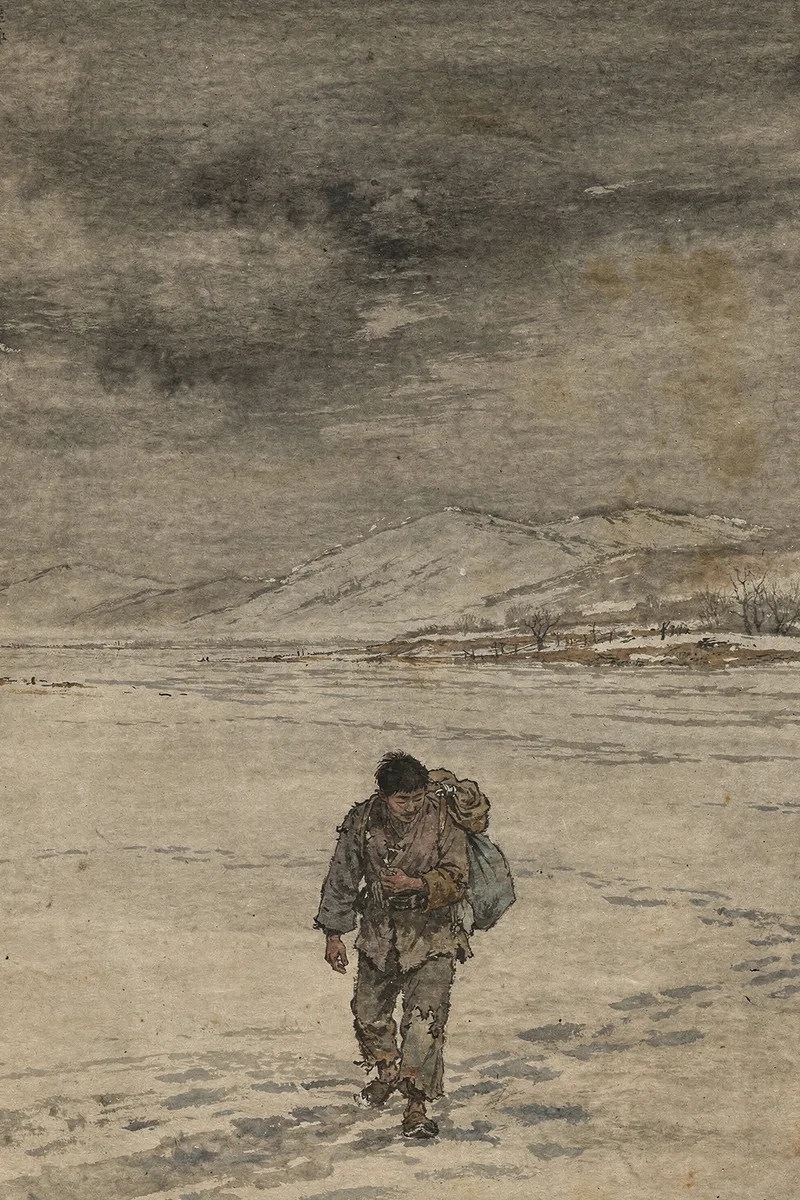
Written as a letter from a young man to the friend who begs him to come home, «Escape» lays bare the grinding poverty of Korean émigrés scraping a living in 1920s Manchuria — the hunger, the humiliations, the slow starving of hope.