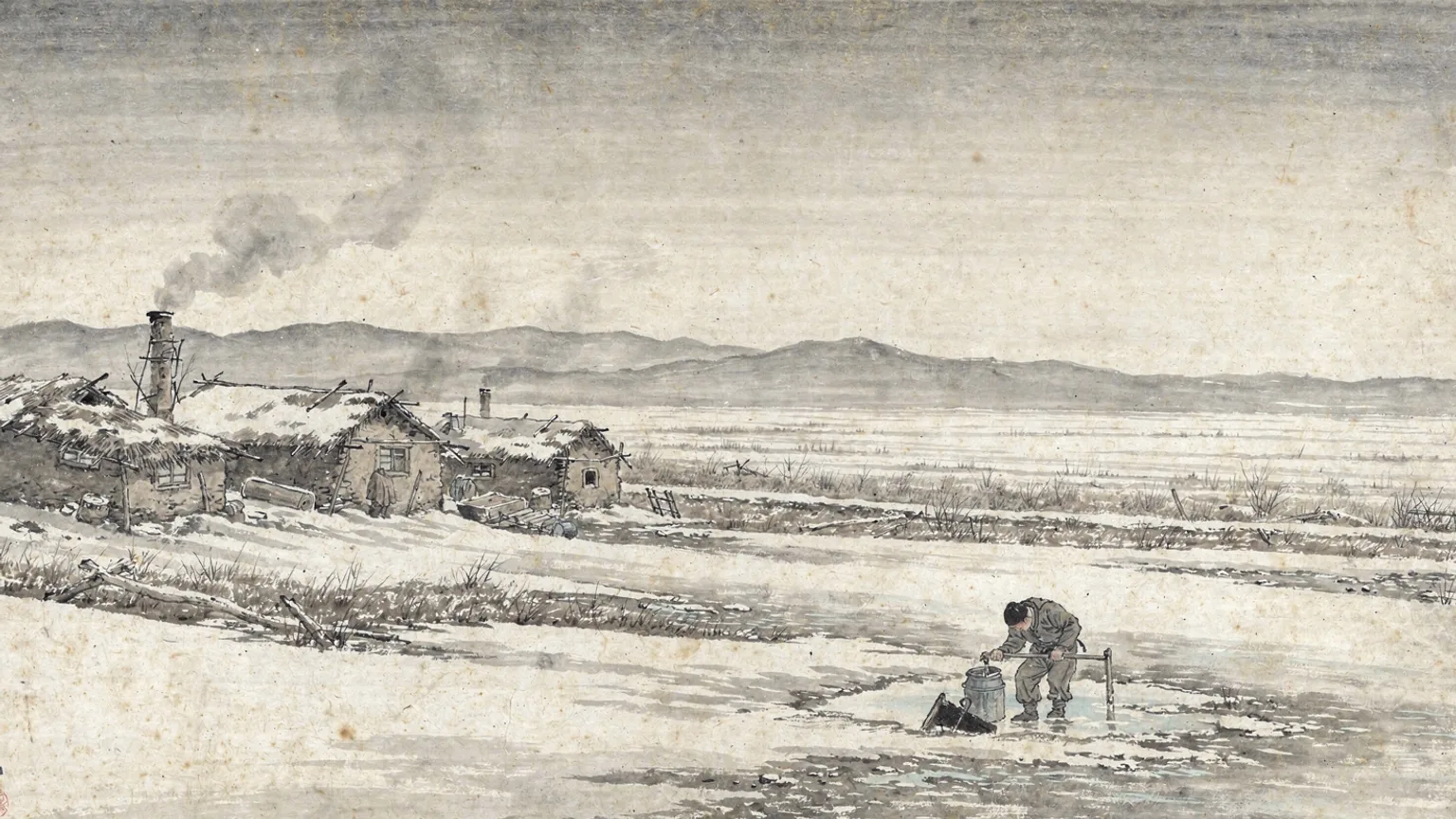
Escape
About this story
Written as a letter from a young man to the friend who begs him to come home, «Escape» lays bare the grinding poverty of Korean émigrés scraping a living in 1920s Manchuria — the hunger, the humiliations, the slow starving of hope. Choi Seo-hae, who lived that destitution himself, turns private despair into a hard-won resolve to stop enduring and start resisting. A founding work of Korea’s «new tendency» literature, it is spare, furious, and unforgettable.
By the numbers
About the author
Choi Seo-hae (1901–1932), the pen name of Choi Hak-song, was a Korean writer who drew his fiction directly from a life of hardship: a childhood of poverty, years of menial labour as an émigré in Manchuria, and a chronic illness that killed him at thirty-one. Largely self-taught, he became the foremost voice of «new tendency» (singyeonghyang) literature — the destitution-born, resistance-tinged current that prefigured Korea’s proletarian movement. His autobiographical stories, above all «Escape» (1925) and «Red Flames» (1927), brought the raw reality of the colonial poor into modern Korean fiction.
Recognition
Choi Seo-hae is regarded as the greatest «new tendency» (singyeonghyang) writer of his time, known for his faithful and detailed depictions of the suffering and protests of the working classes under Japanese occupation.
«Escape» became a pivotal catalyst for epochal change in a Korean literary world where enlightenment fiction and naturalism had prevailed, and it is counted among the representative works of new-tendency literature.
The KAPF critics Park Young-hee and Kim Ki-jin praised «Escape» as a preparatory stage of proletarian literature and named it a work of the «new tendency» school — a judgment that shaped the organized proletarian literary movement to come.
Depicting the appeals and cries of impoverished Koreans suffering in destitution, Choi Seo-hae’s fiction can be said to represent the new-tendency literature of the 1920s.
Practice typing
Type this retelling one piece at a time — your progress is saved as you go.
If you liked this
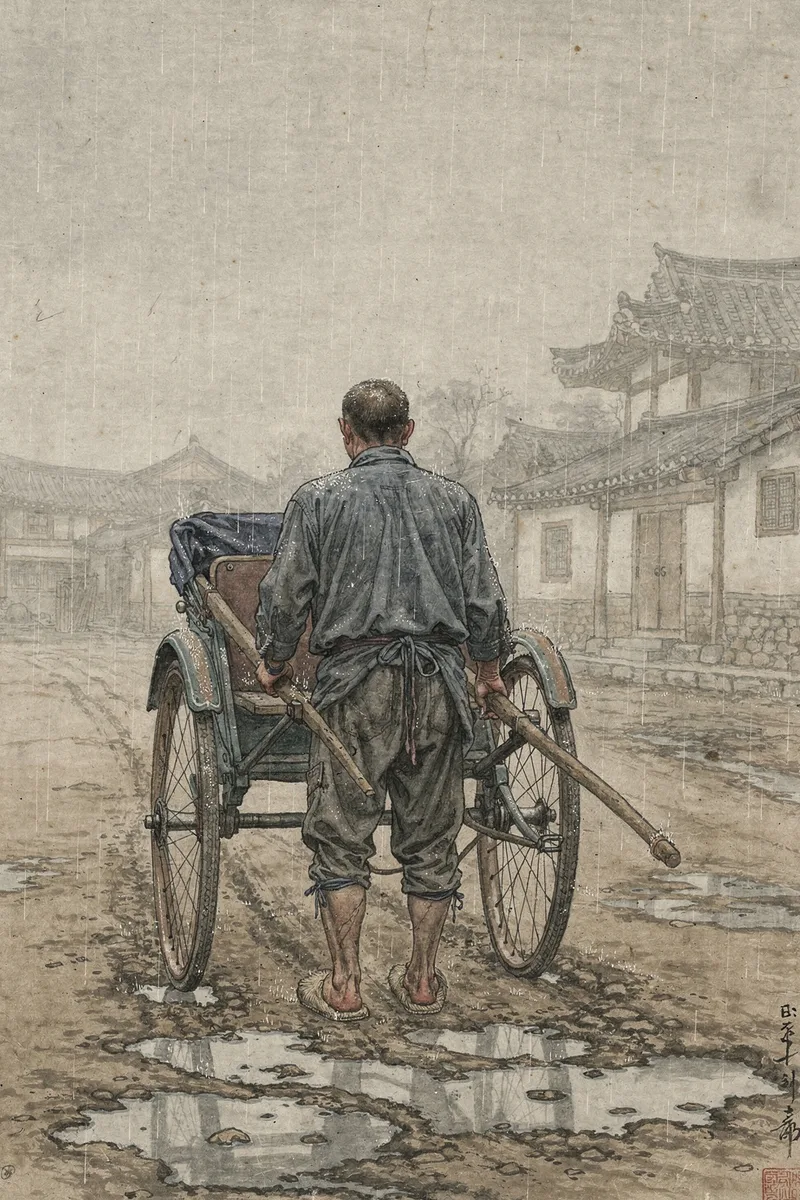
On a raw, drizzling winter day, Kim Cheom-ji — a rickshaw man scraping by outside Dongso Gate — is having the luckiest run of his life.
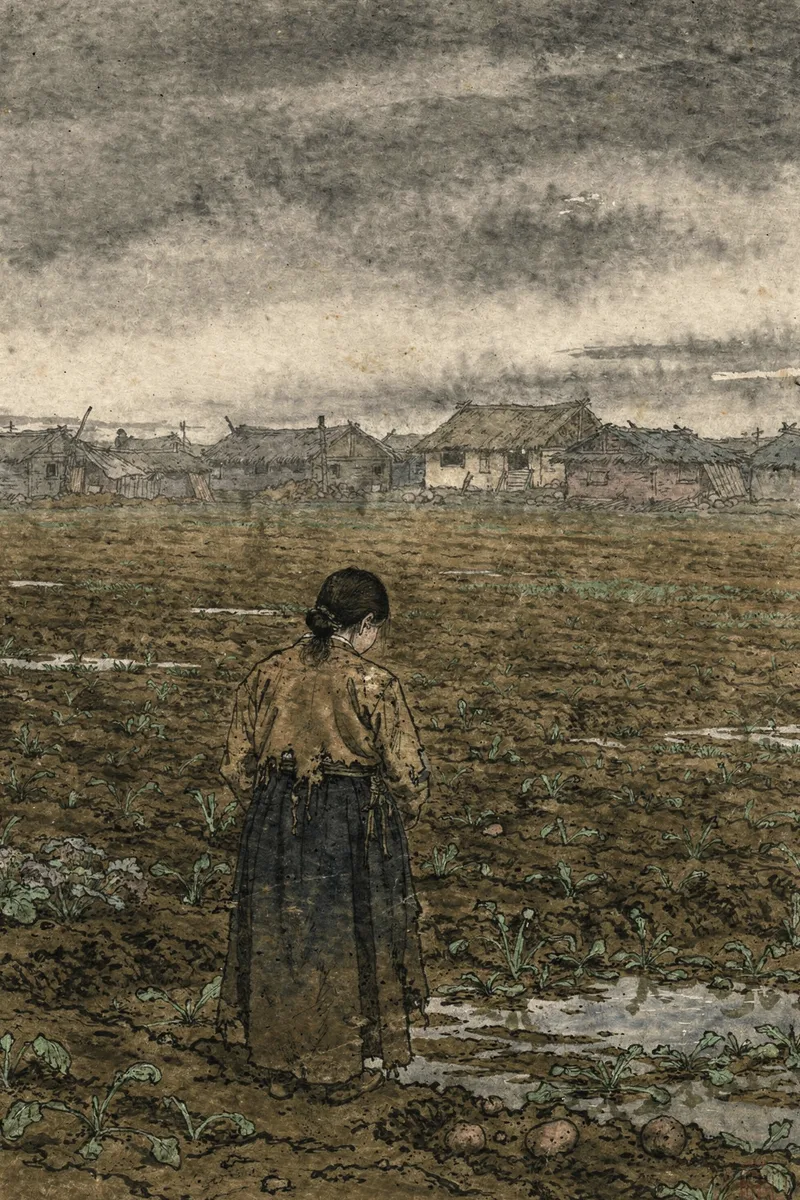
Born to a poor but honest farming family, Boknyeo is sold in marriage at fifteen and drifts, step by step, into the slums of colonial-era Pyongyang, where hunger rewrites every rule she was raised to obey.
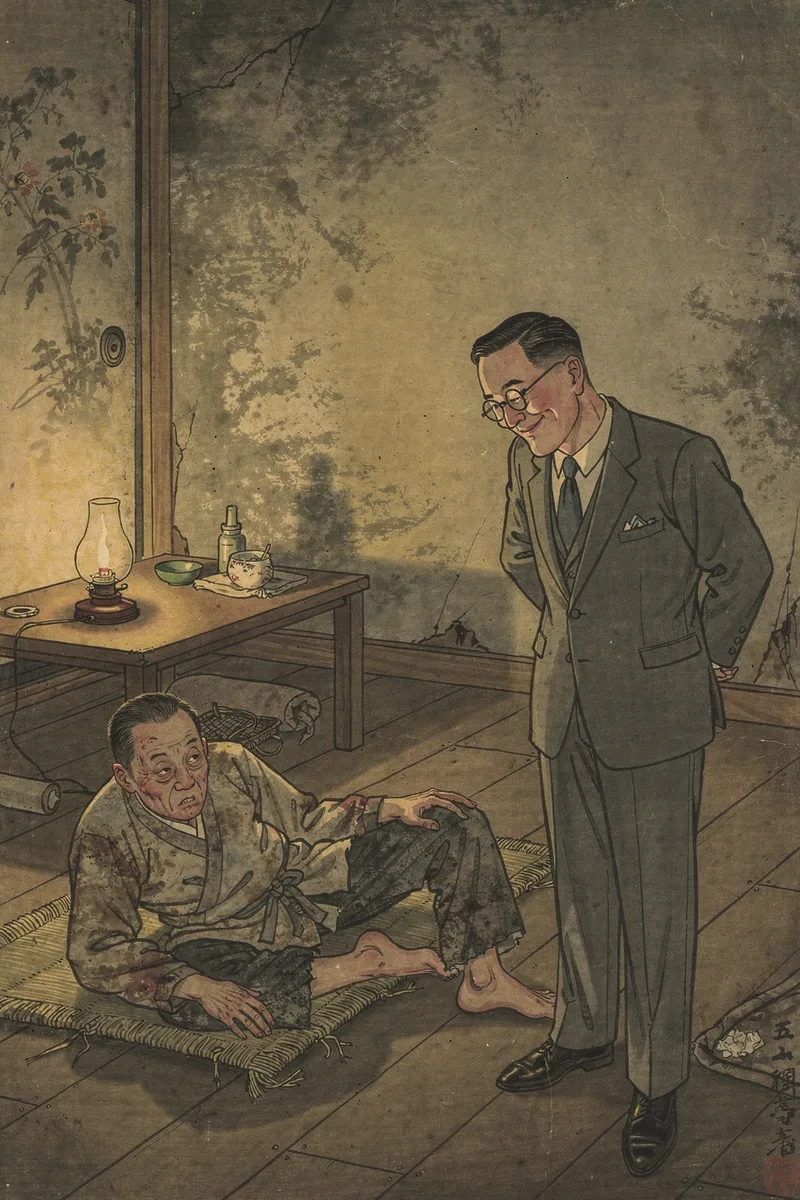
A twenty-one-year-old shop clerk holds forth on the relative he pities most — his «idiot» uncle, a broken ex-socialist fresh out of prison, kept alive by the devoted wife he once wronged.
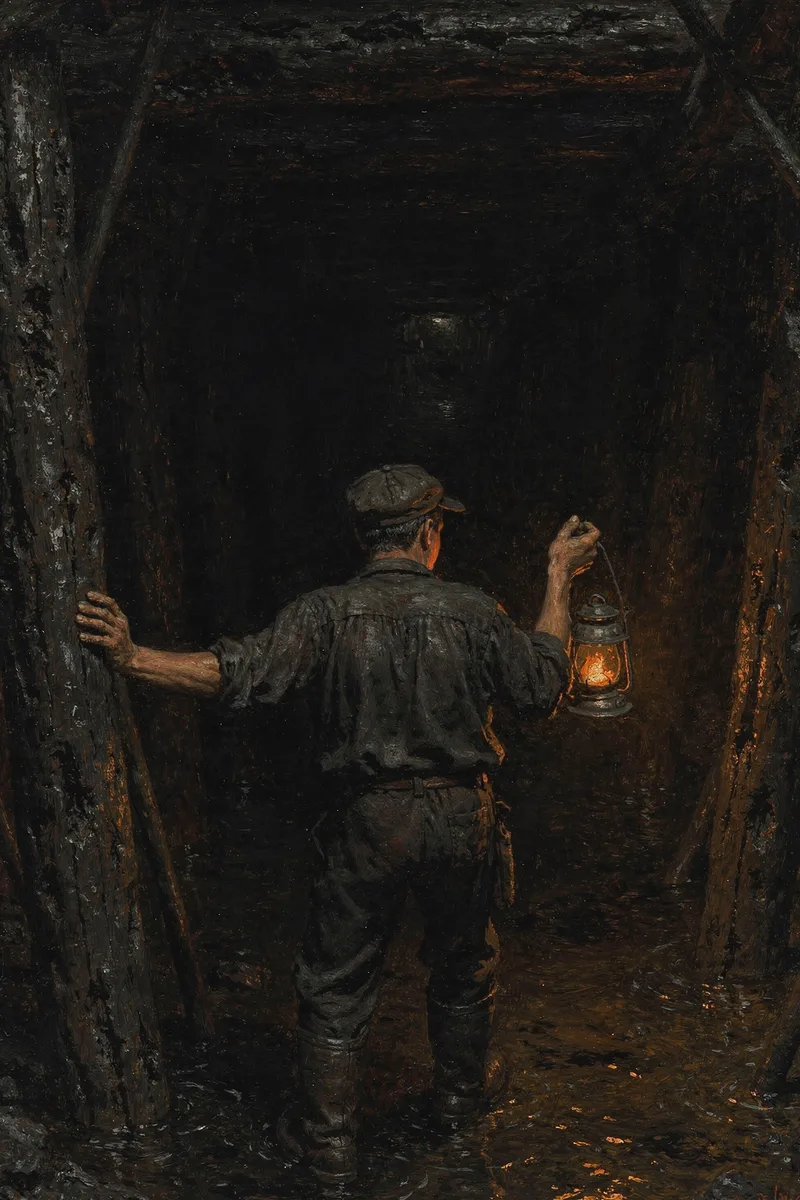
In 1904, Baldomero Lillo—the father of Chilean social realism—descended into the coal pits of Lota and came back with “The Devil's Shaft,” the most anthologized story in Chilean literature.