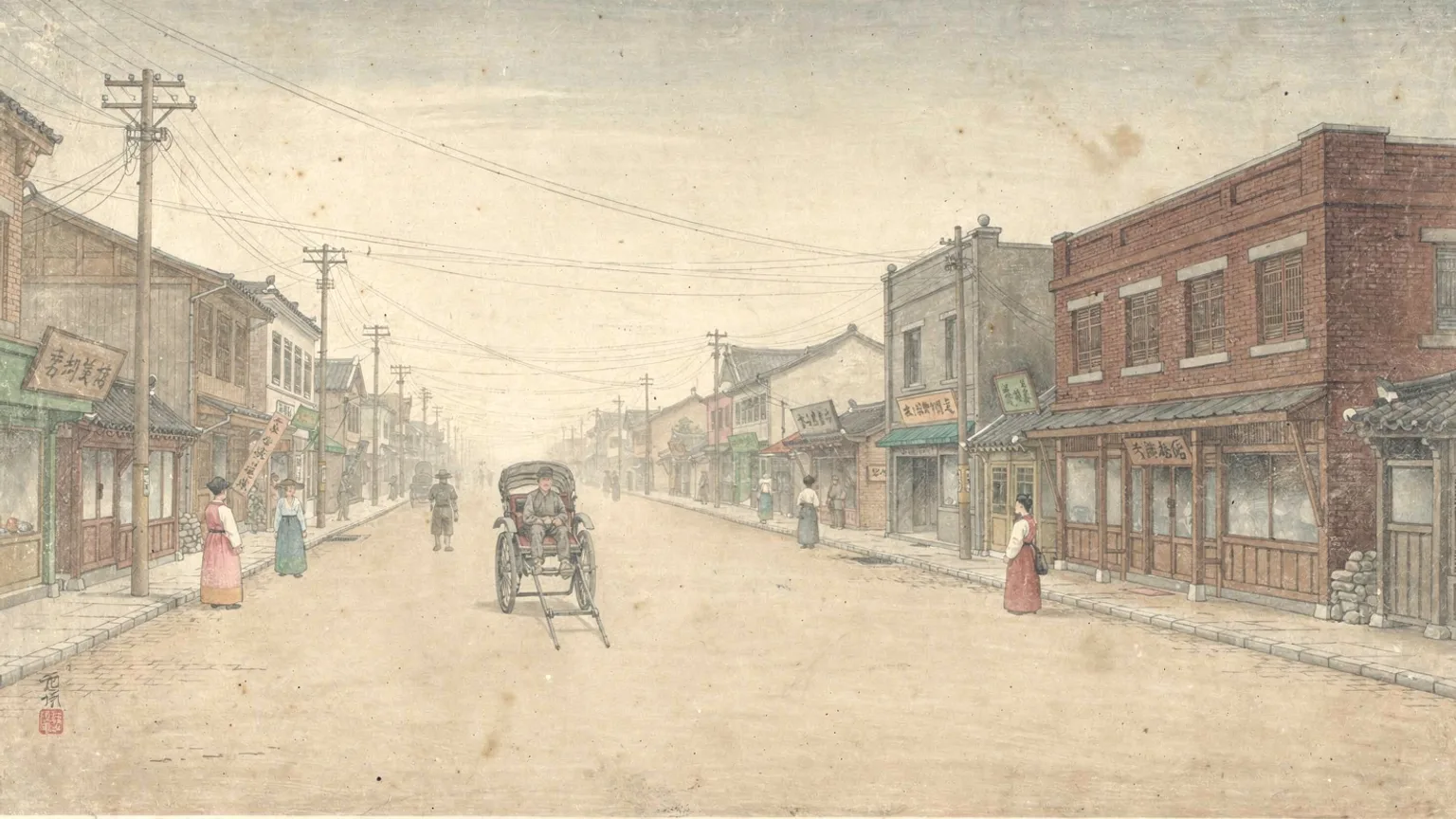
My Foolish Uncle
About this story
A twenty-one-year-old shop clerk holds forth on the relative he pities most — his «idiot» uncle, a broken ex-socialist fresh out of prison, kept alive by the devoted wife he once wronged. But the more smugly the narrator praises his own good sense and his faith in the colonial order, the more thoroughly he gives himself away. Chae Man-sik's 1938 tour de force lets a self-incriminating voice do all the work, and its razor irony cuts both ways at once — leaving you to laugh, wince, and decide who the real fool is.
By the numbers
About the author
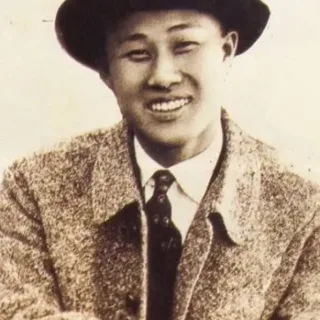
Chae Man-sik (1902–1950) was a Korean novelist and playwright widely regarded as the greatest satirist of modern Korean fiction. Born in Gunsan and educated at Waseda University in Tokyo, he turned the plight of colonial-era intellectuals into biting comedy in works such as «My Foolish Uncle» (1938) and the novel «Peace Under Heaven». Coerced into pro-Japanese activity in the last years of the occupation, he unsparingly repudiated his own collaboration after liberation and died of tuberculosis just weeks before the Korean War.
Recognition
Ch'ae Man-shik is perhaps the greatest master of satire in Korean fiction.
Through an unreliable narrator, the story exposes the nephew's flaws directly while revealing the uncle's virtues by indirection; the gap and irony — plain to the reader yet forever lost on the narrator — draw laughter and, together with the era itself, leave a bitter aftertaste.
The author makes himself the true target of the satire by consistently placing a negative character in the foreground to criticize a positive one — the very technique that defines Chae Man-sik's fiction.
«My Innocent Uncle» is one of the funniest translated stories I have read — its comedy built on an ignorant, self-unaware narrator whose misreading of his «scotchalist» uncle both amuses and indicts the colonial politics of the age.
Practice typing
Type this retelling one piece at a time — your progress is saved as you go.
If you liked this
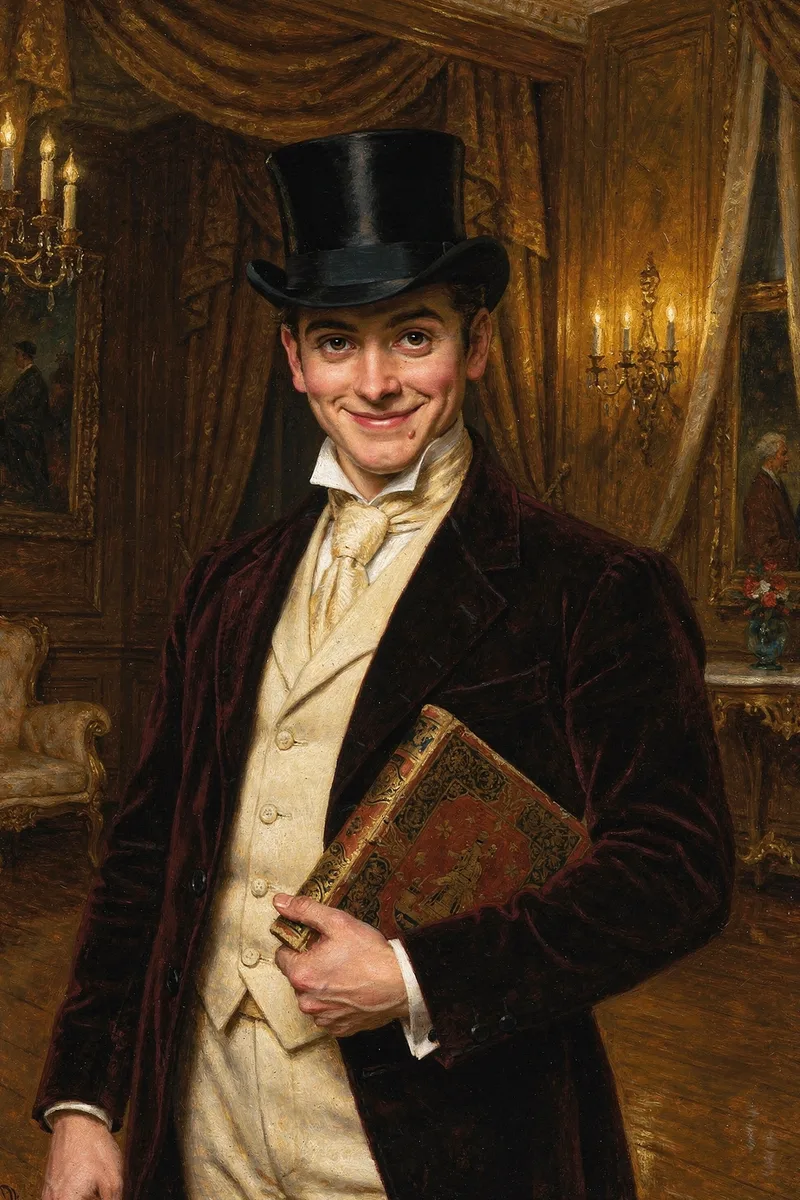
Down to his last coin, Castelo answers a newspaper advertisement seeking a teacher of Javanese — a language of which he does not know a single word.
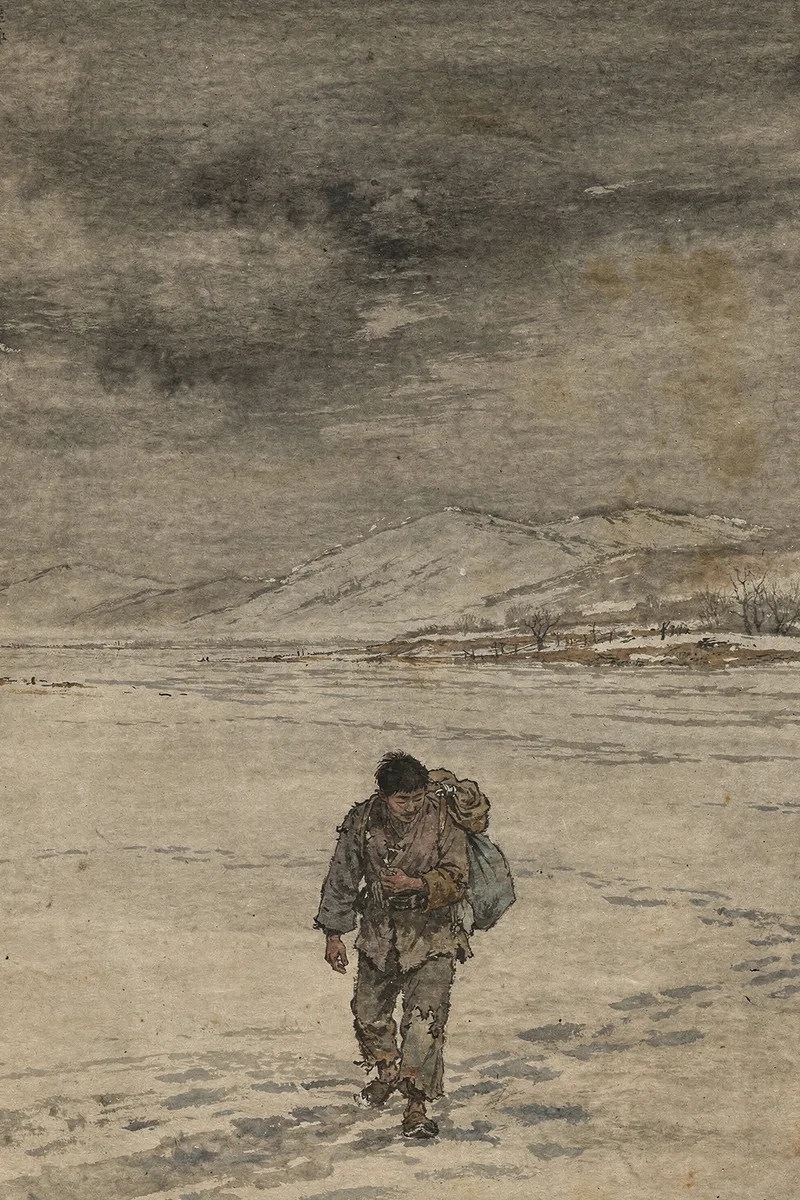
Written as a letter from a young man to the friend who begs him to come home, «Escape» lays bare the grinding poverty of Korean émigrés scraping a living in 1920s Manchuria — the hunger, the humiliations, the slow starving of hope.
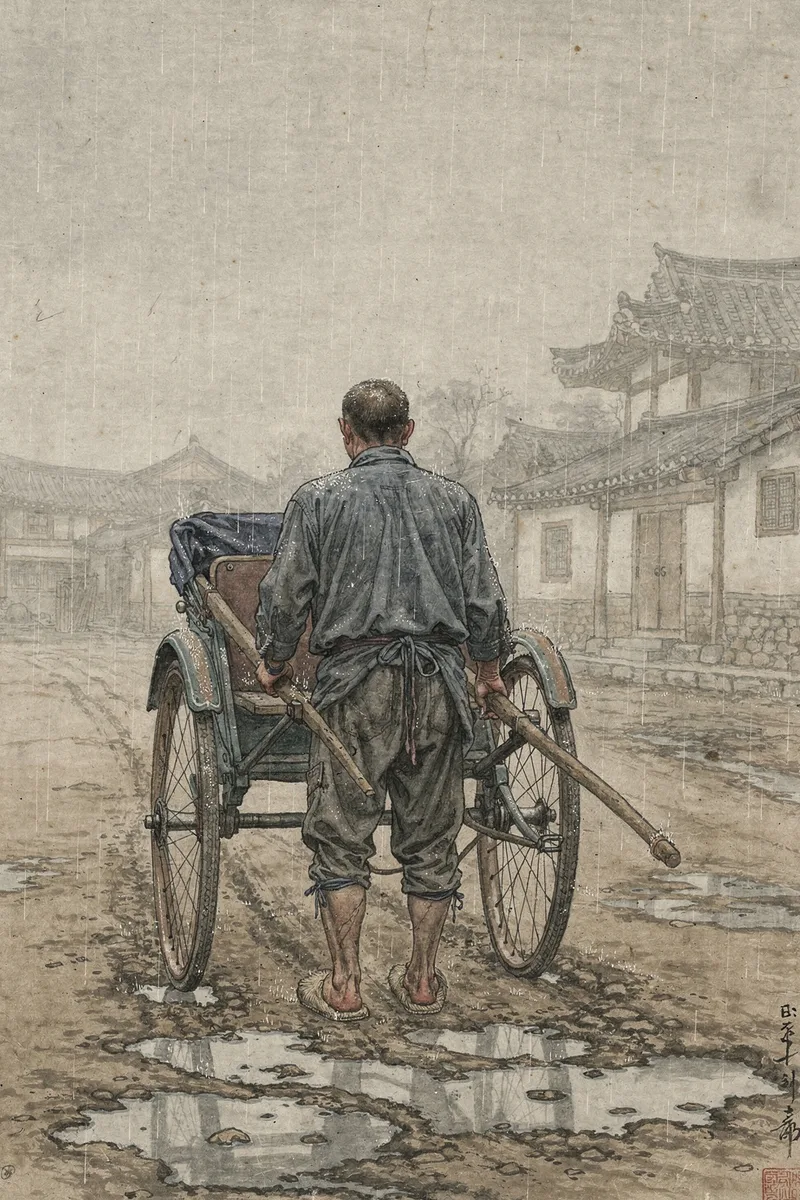
On a raw, drizzling winter day, Kim Cheom-ji — a rickshaw man scraping by outside Dongso Gate — is having the luckiest run of his life.
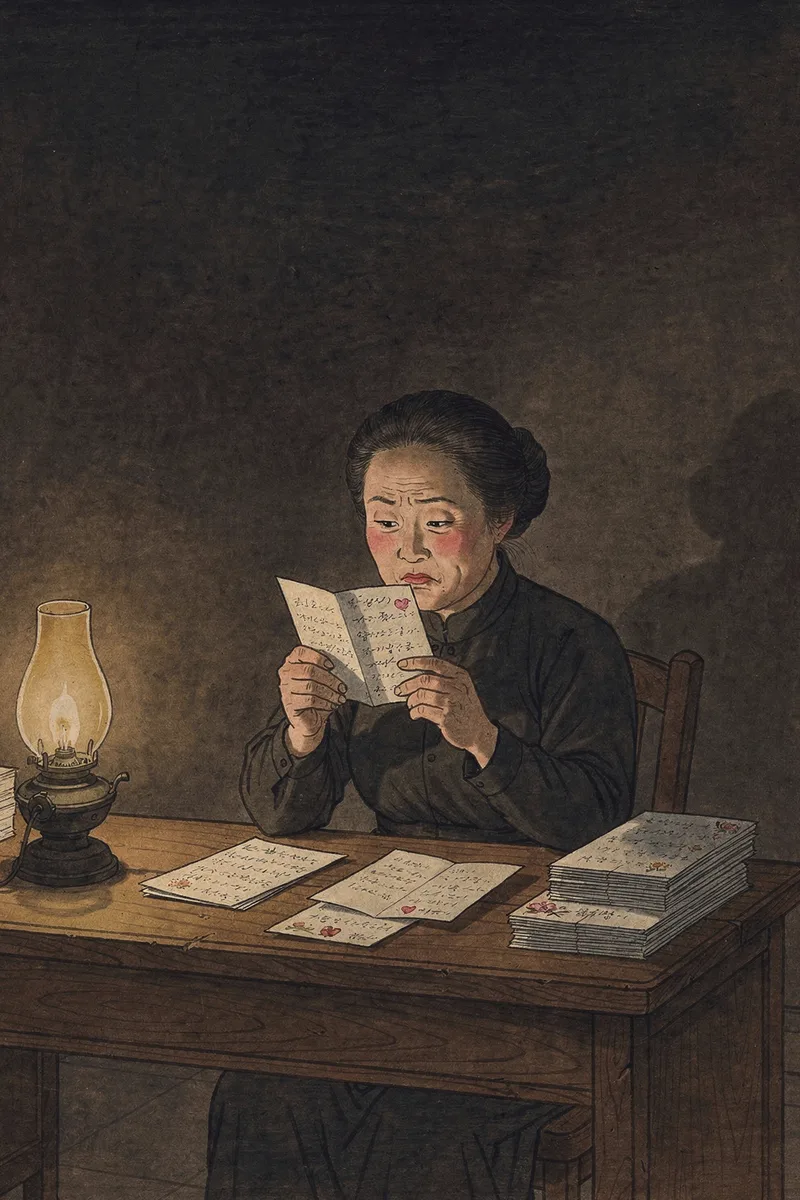
Miss B, the dormitory matron of a girls’ school, is a gaunt, pious spinster who wages holy war on romance — confiscating every love letter and hauling terrified students in for interrogation.