The Man Who Knew Javanese
About this story
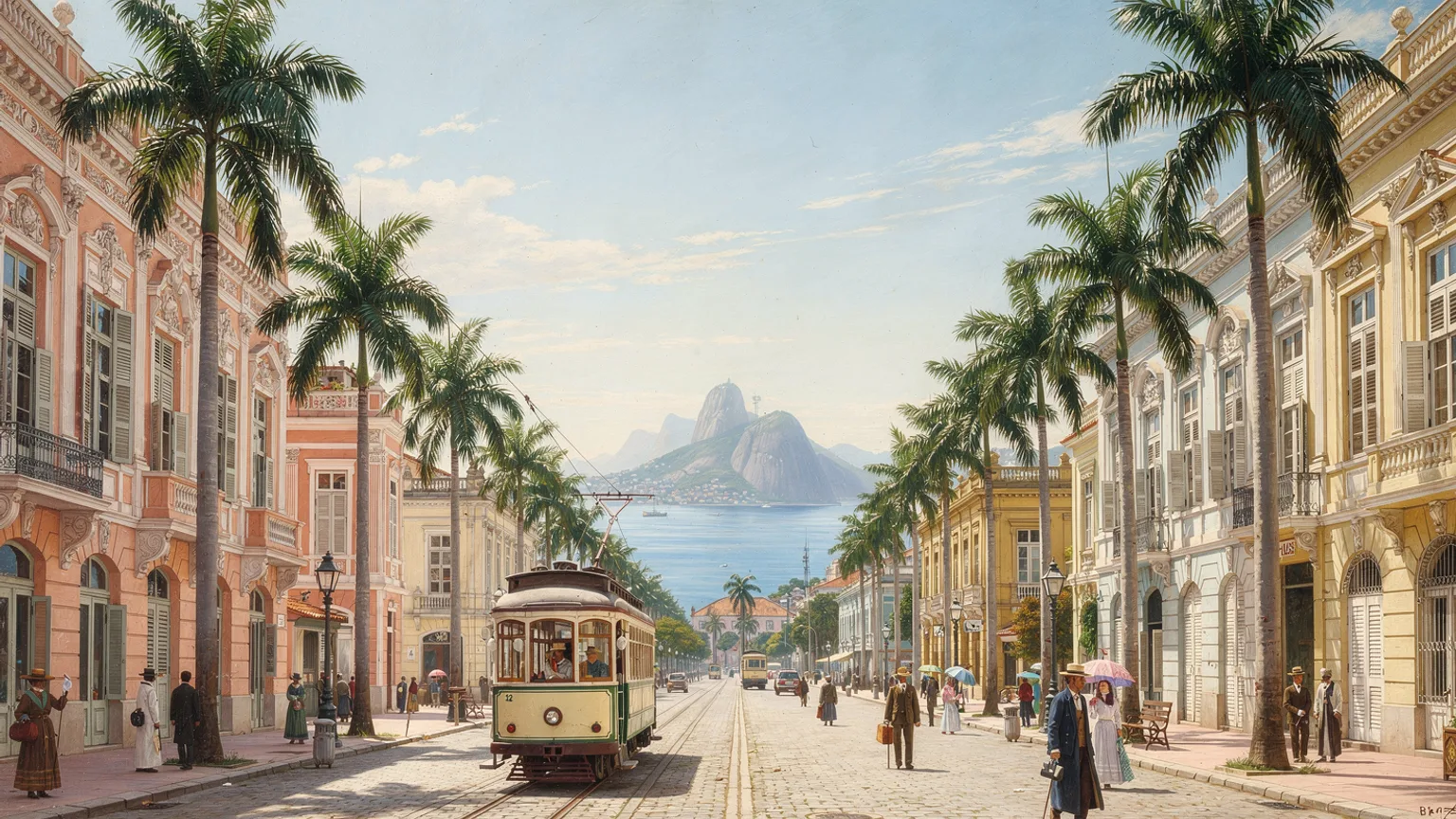
Down to his last coin, Castelo answers a newspaper advertisement seeking a teacher of Javanese — a language of which he does not know a single word. What begins as a desperate bluff blossoms into a dazzling career: soon the whole of Rio salutes him as a rare Orientalist, and the doors of society, honours and diplomacy swing open before a man who knows precisely nothing. Lima Barreto's most celebrated tale (1911) is a razor-sharp, gleeful comedy about a nation that prizes appearances over knowledge — and a glorious impostor who rises on a language no one can check.
By the numbers
About the author

Afonso Henriques de Lima Barreto (1881–1922) was one of Brazil's greatest and most incisive writers — a mixed-race novelist and journalist from the poor outskirts of Rio de Janeiro who turned satire into a weapon against the hypocrisy, racism and bureaucratic vanity of the Old Republic. Scorned and marginalised in his lifetime, and never admitted to the Brazilian Academy of Letters, he is today regarded as one of the finest prose writers in the Portuguese language and a central figure of Brazilian Pre-Modernism. Among his masterpieces is «The Sad End of Policarpo Quaresma» (1915).
Recognition
Feeling the pulse of the country and of its people, Lima Barreto set out to create a literature of aesthetic grandeur and of a deep popular, democratic spirit.
Lima Barreto's literature met certain indispensable requirements: sincerity in the expression of ideas and feelings, clarity and simplicity, and an emphasis on human problems in general and social ones in particular.
Lima Barreto was a writer who did not fall silent about his own time.
Lima Barreto's work stages the conflict between his literary output and the critical reception of those who held power — the «mandarins of literature».
Practice typing
Type this retelling one piece at a time — your progress is saved as you go.
If you liked this
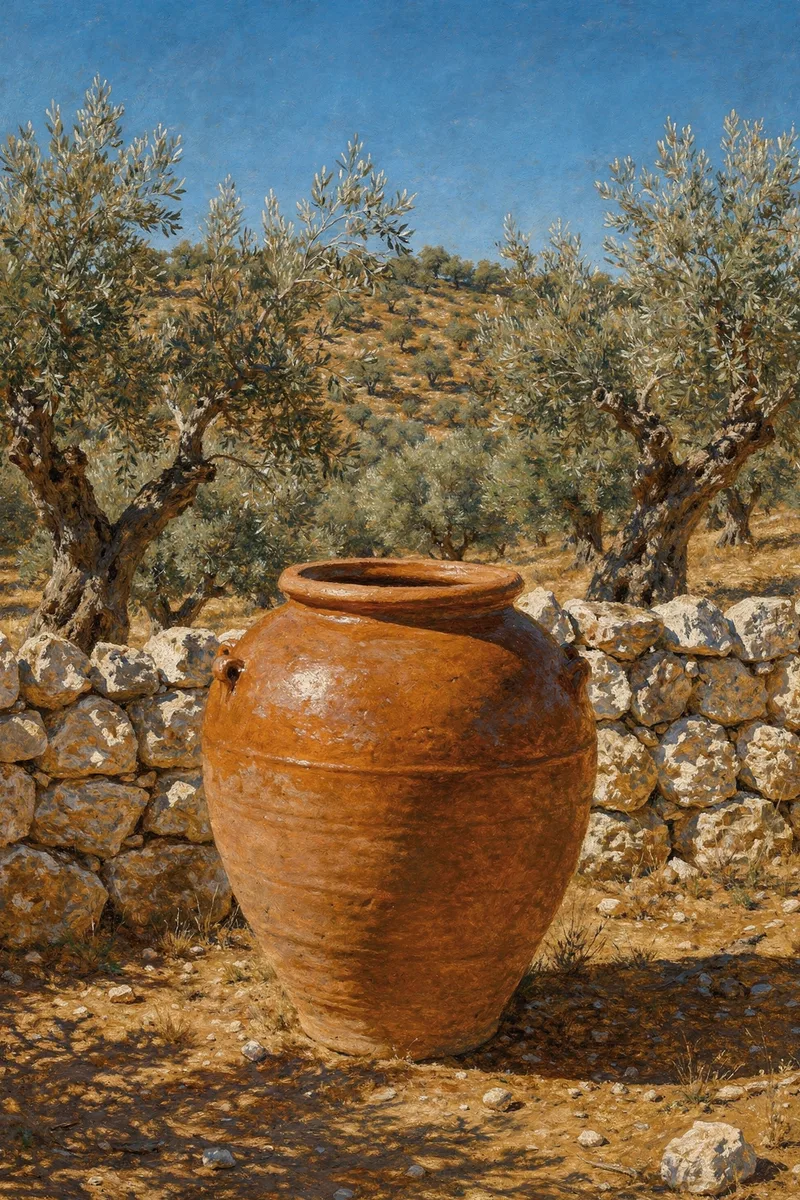
In the golden heat of the Sicilian olive harvest, the rich, miserly landowner Don Lollò Zirafa takes delivery of a magnificent new jar, taller than a man — only to find it split clean in two the very next morning.
Munich is shining under a silk-blue June sky, and the crowd outside Blüthenzweig’s art shop keeps drifting back to a photograph in the window: a Madonna with bare shoulders and a heavy, sensual gaze, painted, the gossip goes, from the artist’s sweetheart, a little milliner.
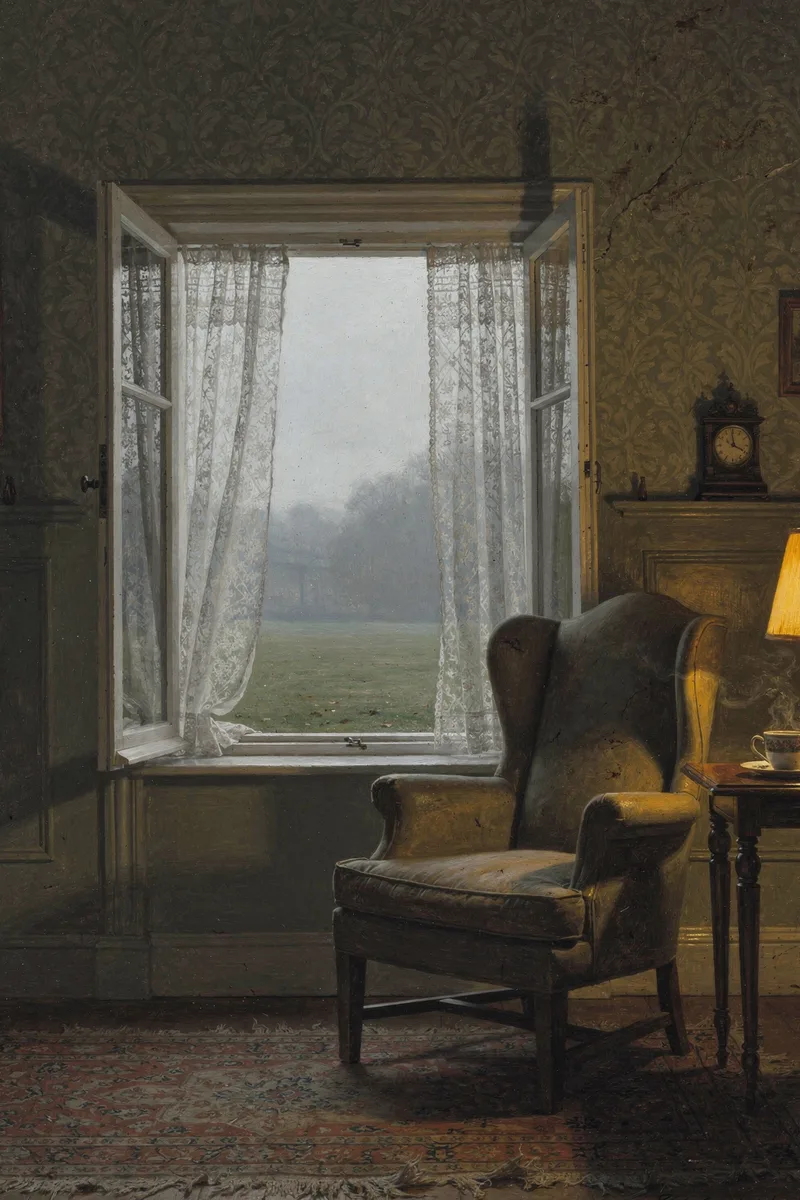
A twist of the knife delivered with a smile: Saki's most anthologised story sends the nervous Framton Nuttel to a placid country house, where a self-possessed fifteen-year-old niece regales him with a family tragedy — three men who walked out through the open French window one October afternoon and were swallowed by the bog, never to return.
When a village shopkeeper lends the peasants a school arithmetic primer, its tidy word-problems — so many acres to a landowner, so many roubles to the estate — are read aloud by lamplight to a gathering of farmhands.