Peasant Arithmetic
About this story
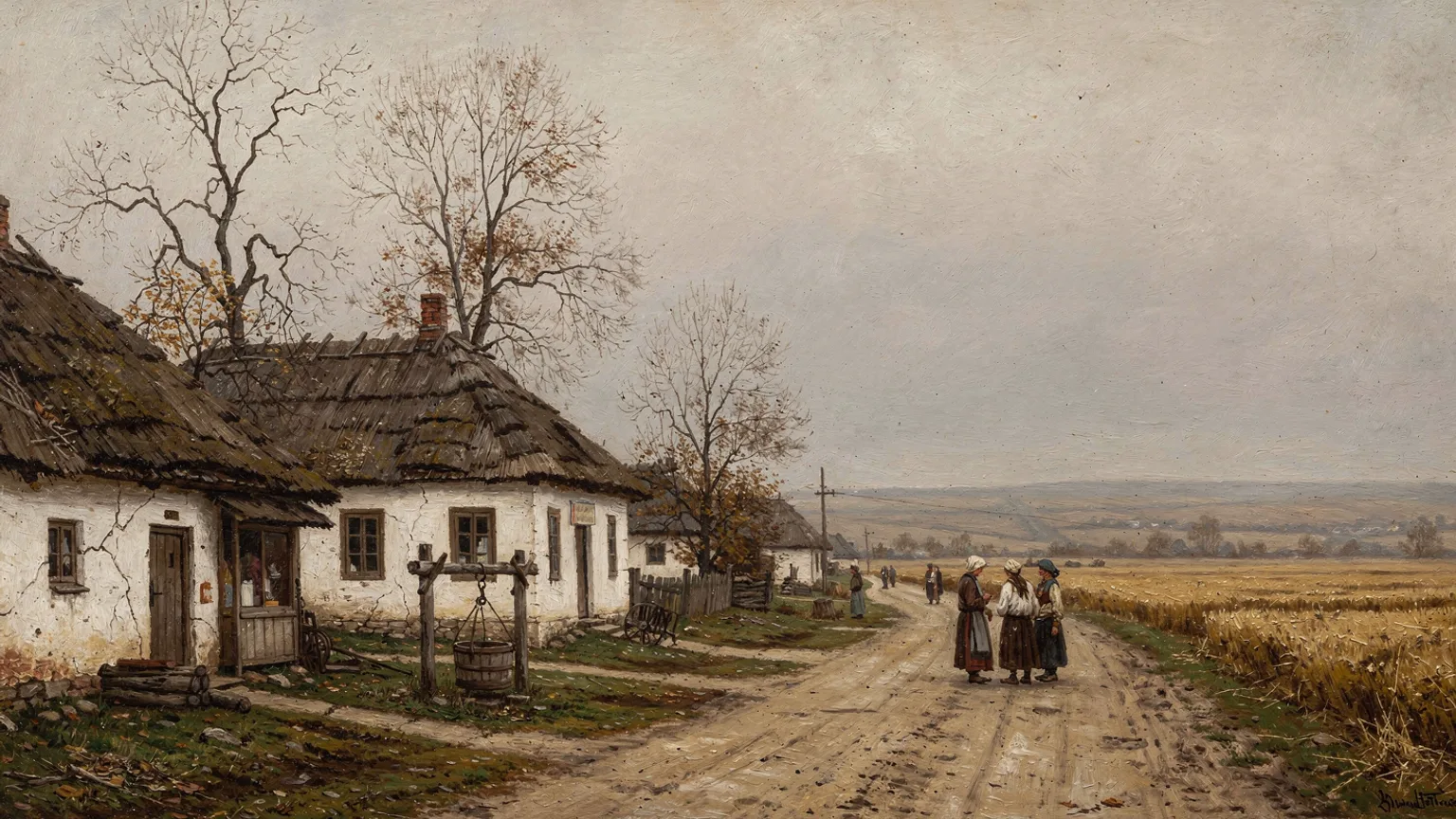
When a village shopkeeper lends the peasants a school arithmetic primer, its tidy word-problems — so many acres to a landowner, so many roubles to the estate — are read aloud by lamplight to a gathering of farmhands. Slowly the abstract sums begin to rhyme with the villagers' own empty pockets, and a lesson in figures turns into something the schoolbook never intended. Stepan Vasylchenko (1879–1932) — teacher, humanist and one of Ukraine's finest storytellers of village life — turns a borrowed textbook into a warm, sly humoresque of a countryside gradually learning to count for itself.
By the numbers
About the author
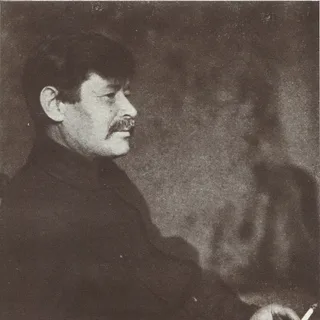
Stepan Vasylchenko (1879–1932) — the pen name of Stepan Panasenko — was a Ukrainian writer, dramatist and teacher, born into a poor artisan's family in Ichnia, in the Chernihiv region. A village schoolteacher by vocation, he entered literature as a mature artist around 1910 with warm, lyrical and gently humorous stories of peasant life and childhood, steeped in folk speech and drawn from his own years in country schools. Ranked among the classic Ukrainian prose writers of the early twentieth century, he is remembered for a tender humanism and a language shaped by the oral tradition.
Recognition
On this same humour rest Vasylchenko's finest, purely realist stories — «Peasant Arithmetic» foremost among them — in which, once again, the secret of the comic, and at times of the tragic, is built on the contradiction between what is and what only seems.
Vasylchenko's short stories are filled with humanism and a gentle sense of humor, marked by a combination of realism and fantasy and by the richness of a language gleaned from folk oral literature.
The moods of a village stirred by revolutionary events were captured by Vasylchenko in the novella «Peasant Arithmetic», which belongs among the highest achievements of the writer as a realist.
The finest work on this theme is, beyond doubt, the celebrated «Peasant Arithmetic». Already in the 1920s this story had become a classroom classic.
Practice typing
Type this retelling one piece at a time — your progress is saved as you go.
If you liked this
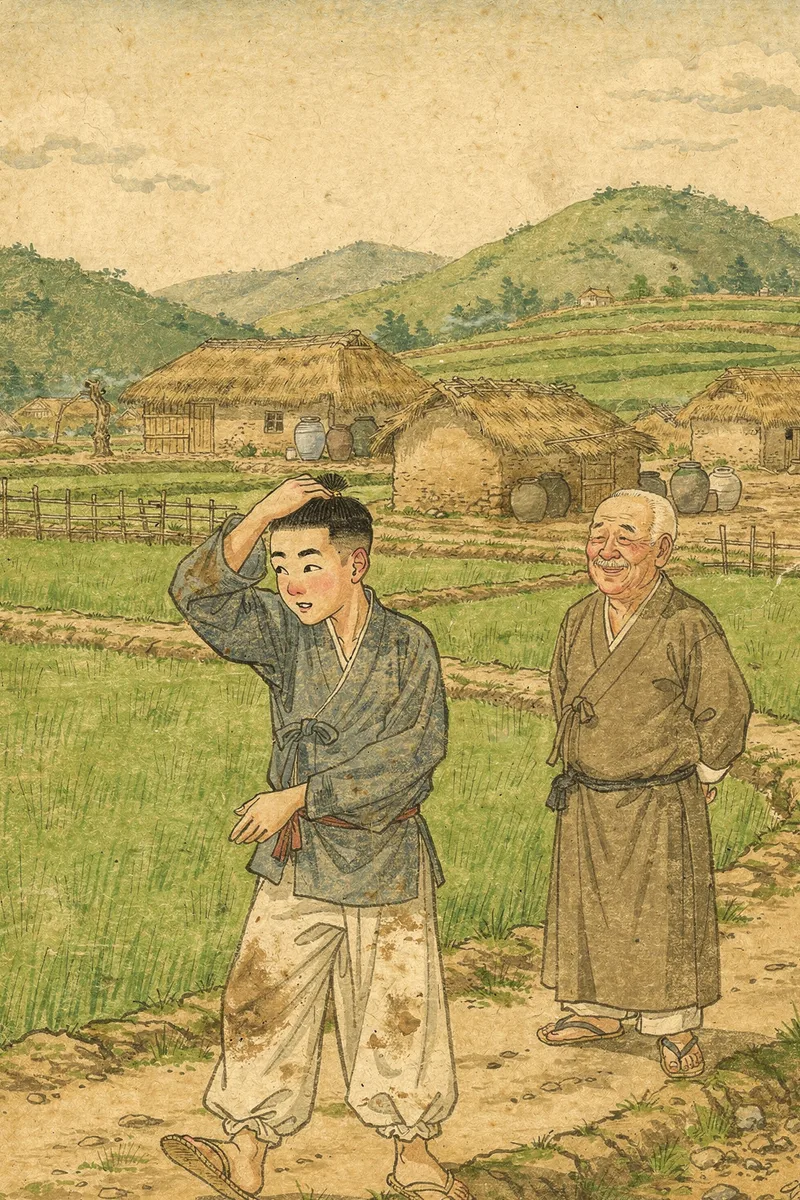
A simple-hearted farmhand has toiled for over three years without a single coin of pay, living as a son-in-law-to-be in the house of the crafty old landlord Bongpil — all on the promise that he may marry the daughter, Jeomsun, «once she has grown tall enough».

Down to his last coin, Castelo answers a newspaper advertisement seeking a teacher of Javanese — a language of which he does not know a single word.
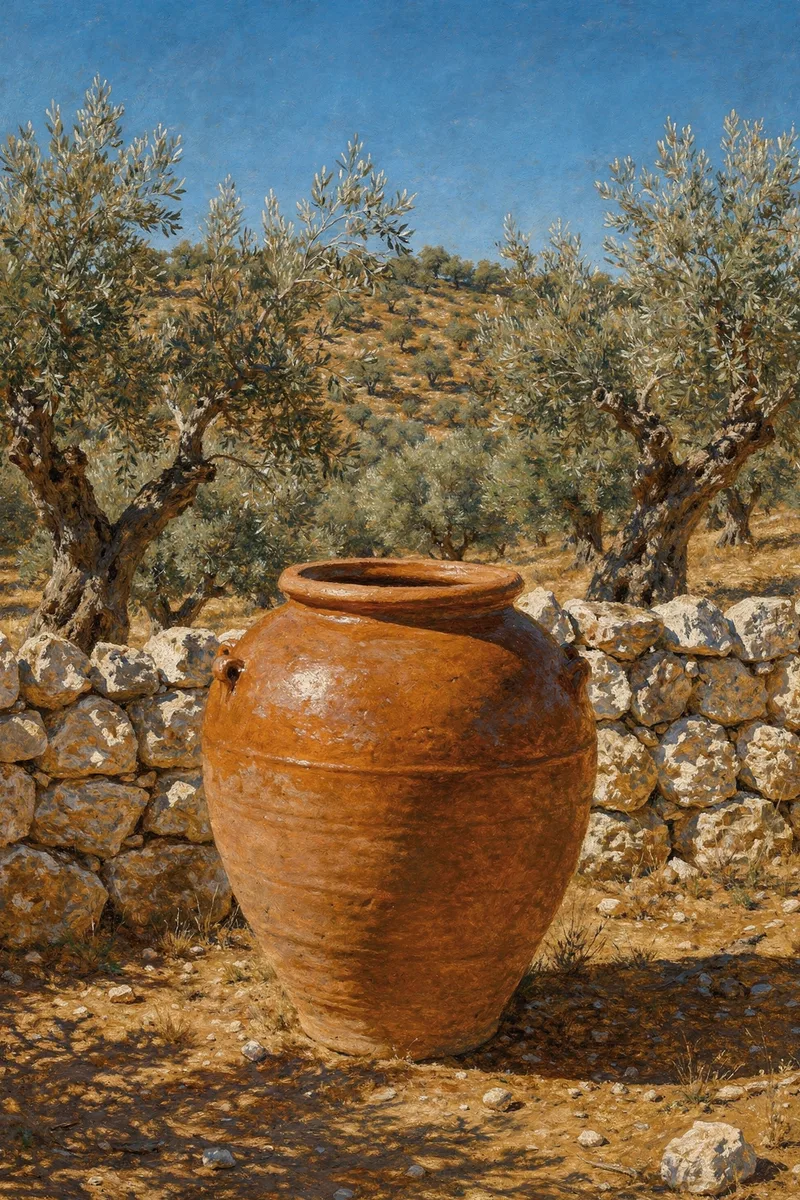
In the golden heat of the Sicilian olive harvest, the rich, miserly landowner Don Lollò Zirafa takes delivery of a magnificent new jar, taller than a man — only to find it split clean in two the very next morning.
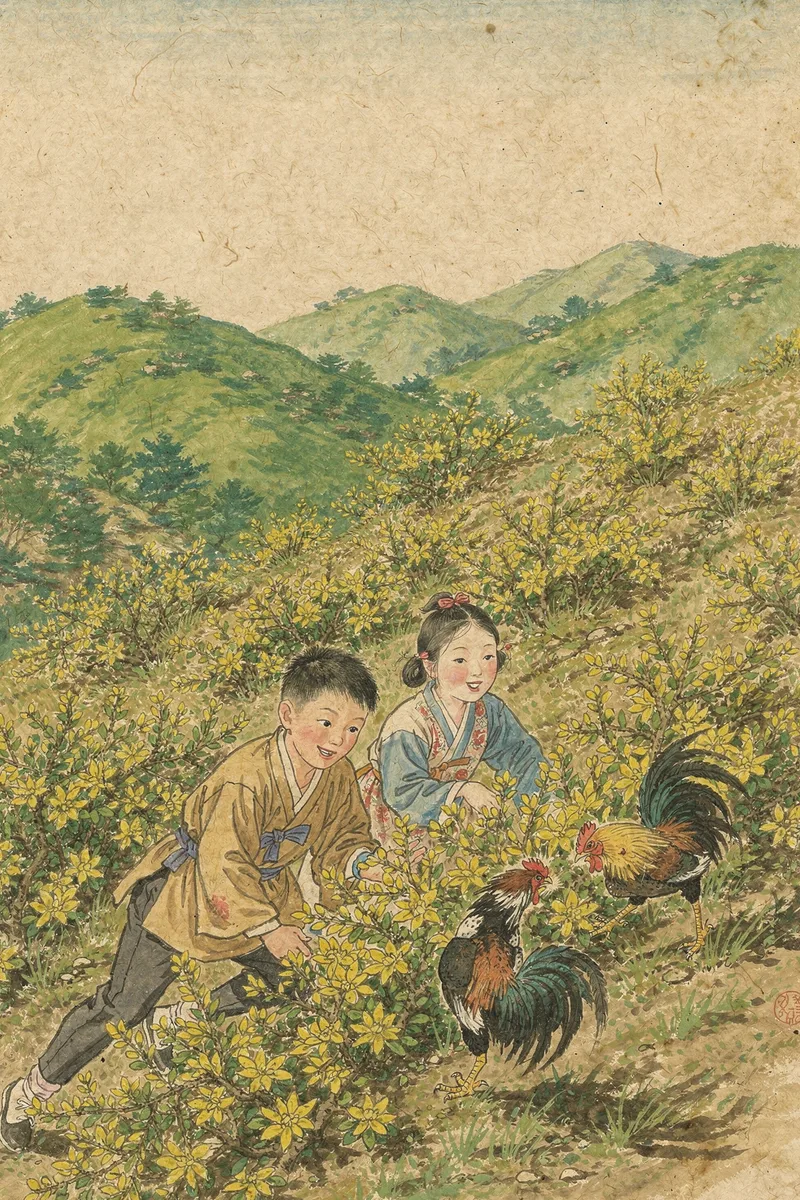
In a mountain village in 1930s rural Korea, a good-natured but hopelessly dense farm boy cannot fathom why the landlord's spirited daughter, Jeomsun, keeps tormenting him — thrusting potatoes at him, taunting him, and setting her rooster on his.