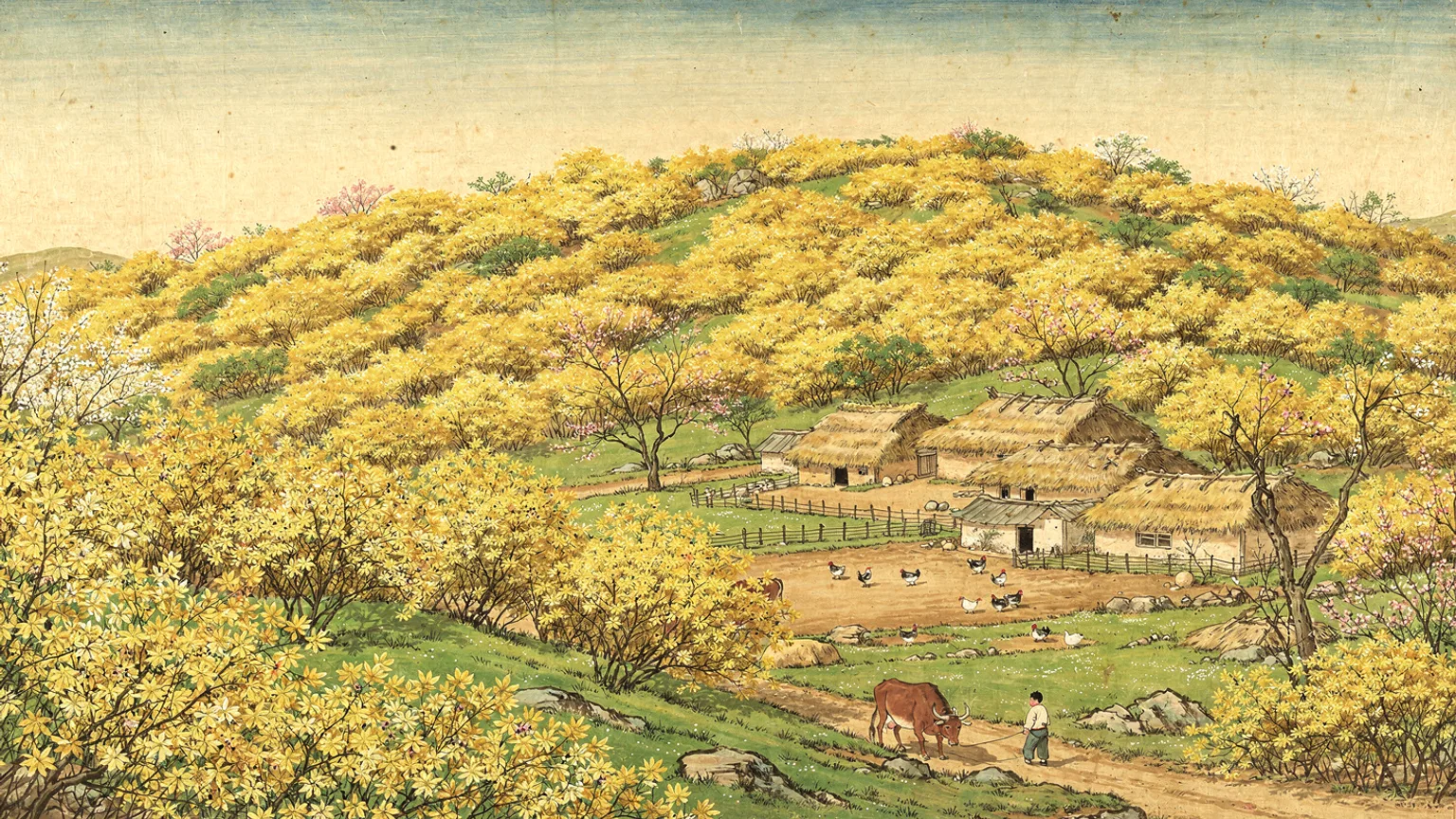
The Camellias
About this story
In a mountain village in 1930s rural Korea, a good-natured but hopelessly dense farm boy cannot fathom why the landlord's spirited daughter, Jeomsun, keeps tormenting him — thrusting potatoes at him, taunting him, and setting her rooster on his. What he takes for pure spite is in truth the fierce, tongue-tied first love of a country girl who has no other way to speak her heart. Kim Yu-jeong's 1936 classic is one of the best-loved comic stories in all of Korean literature: a warm, sly, irresistibly funny picture of adolescent longing blossoming among the golden flowers of the hills.
By the numbers
About the author
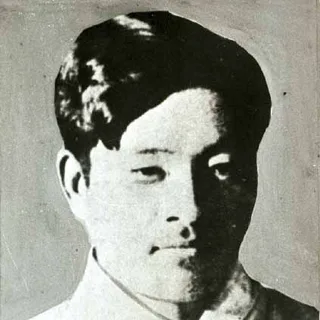
Kim Yu-jeong (1908–1937) was a Korean short-story writer born in Chuncheon, Gangwon Province, into a once-wealthy landowning family whose fortunes collapsed, leaving him in lifelong poverty. He debuted in 1933 and in 1935 joined the celebrated «Circle of Nine» (Guinhoe) alongside writers such as Yi Sang. In barely two years of prolific work he produced roughly thirty stories before dying of tuberculosis in 1937 at age 29. His fiction is prized for its earthy humor, lively onomatopoeia, and rustic Gangwon dialect — warm yet unsparing portraits of impoverished peasants under Japanese colonial rule. «The Camellias» (1936) is among his best-loved comic tales.
Recognition
The Camellias expresses, within a pastoral lyricism and through Kim Yu-jeong's distinctive comic technique, the process by which an adolescent boy and girl awaken to affection and to their own individuality. By setting naive, guileless characters against one another, it turns the awkwardness of dawning love into laughter while objectively raising the problem of the gap between their social classes.
The Camellias is a 'first-love' story in which a rather bumpkin-ish boy confronts Jeomsun, a higher-class girl who loves him. The tone is rough and humorous, as Jeomsun is only capable of showing her interest through aggression — the 'potato incident' and the 'cockfight' being two of the more amusing cases of her sublimated love.
In 'The Camellias,' Kim reveals his mastery of colloquial dialect and his commanding insight into the charms of Korea's peasants, spinning a humorous tale of two young souls living in the countryside in the 1930s.
Kim Yu-jeong's prose, with its liberal use of lively onomatopoeia, rustic dialect, and homespun colloquialisms, lends great animation to his subjects, providing readers with vitality-filled sketches of the impoverished lives lived by the lowest classes in Korea's rural villages.
Practice typing
Type this retelling one piece at a time — your progress is saved as you go.
If you liked this
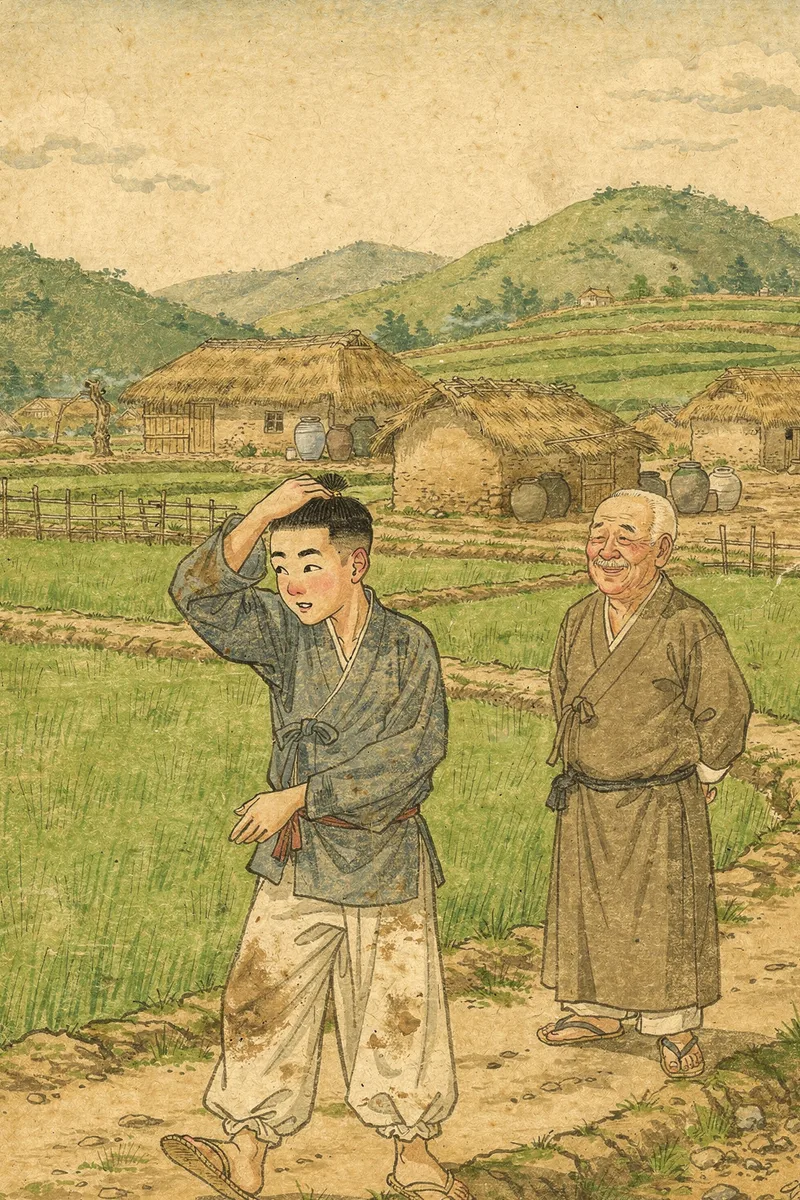
A simple-hearted farmhand has toiled for over three years without a single coin of pay, living as a son-in-law-to-be in the house of the crafty old landlord Bongpil — all on the promise that he may marry the daughter, Jeomsun, «once she has grown tall enough».
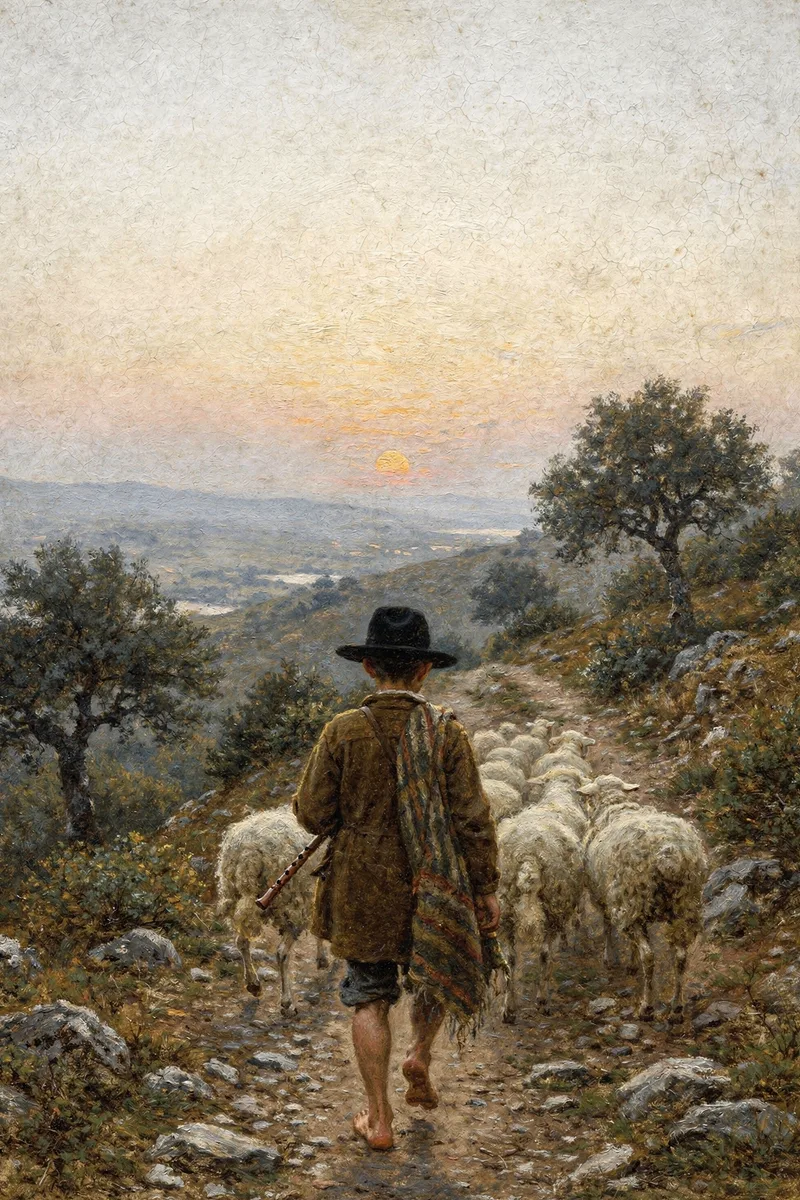
At first light, the shepherd boy Gonçalo drives his flock down through a sleeping Trás-os-Montes village to the river — hoping, against hope, to find on the far bank Rosária, the shepherd girl he has not seen for so long.
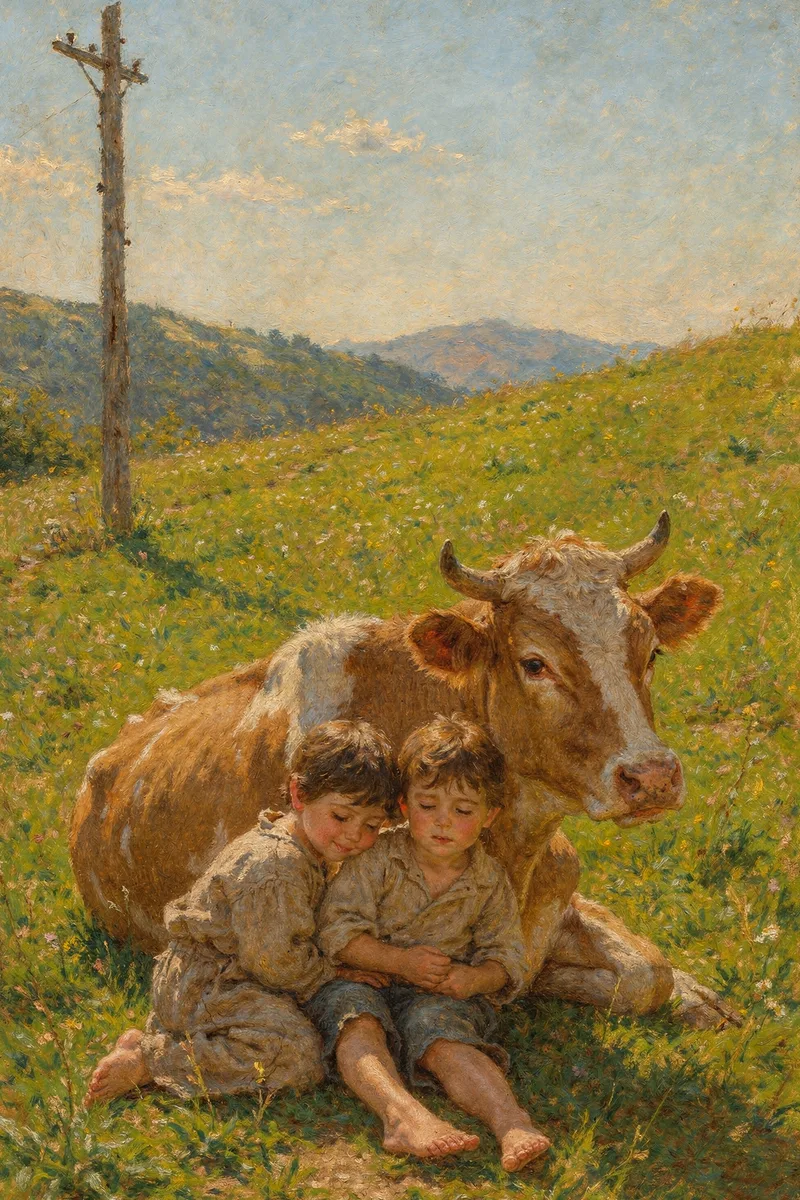
On a green triangular meadow called Somonte, cut at one corner by the Oviedo–Gijón railway, two motherless twins — Rosa and Pinín — and their gentle cow, la Cordera, are inseparable: «always the three of them».
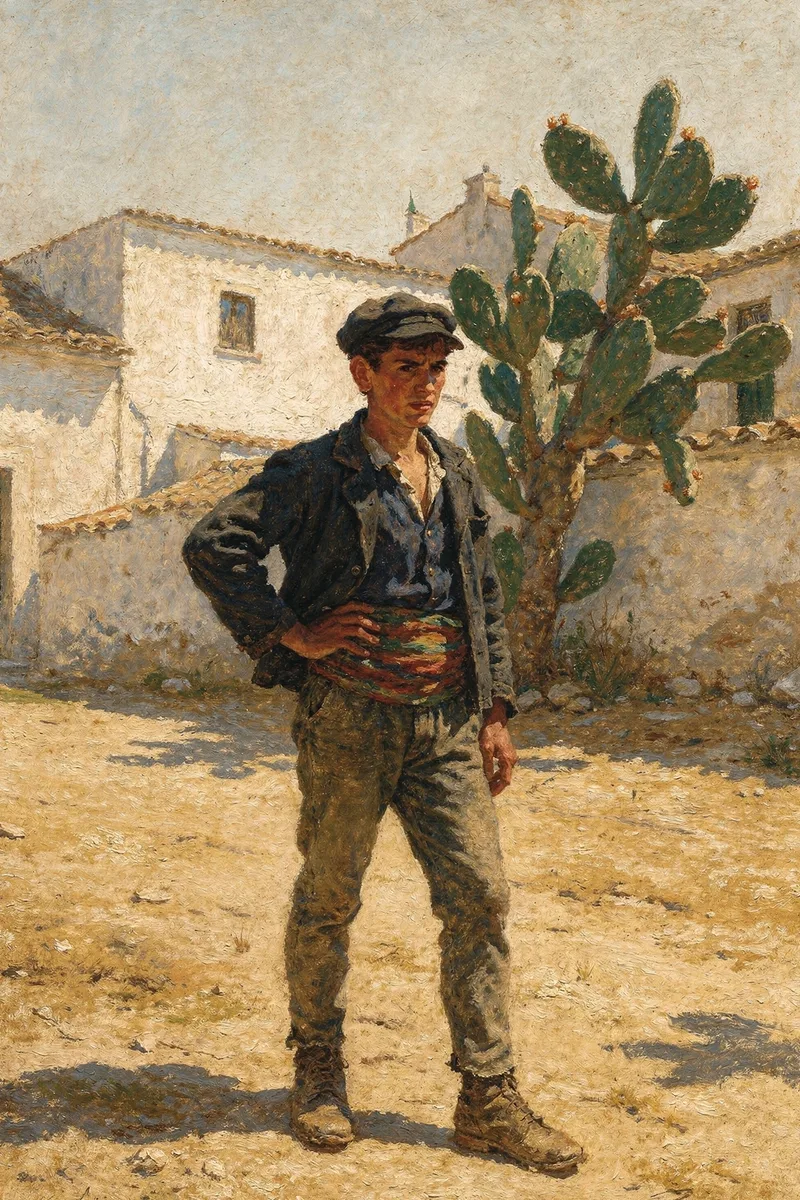
Home from his army service, the dashing Turiddu Macca struts the village square — only to find that Lola, the girl he had loved, has married the prosperous carter compare Alfio.