Adiós, Cordera!
About this story
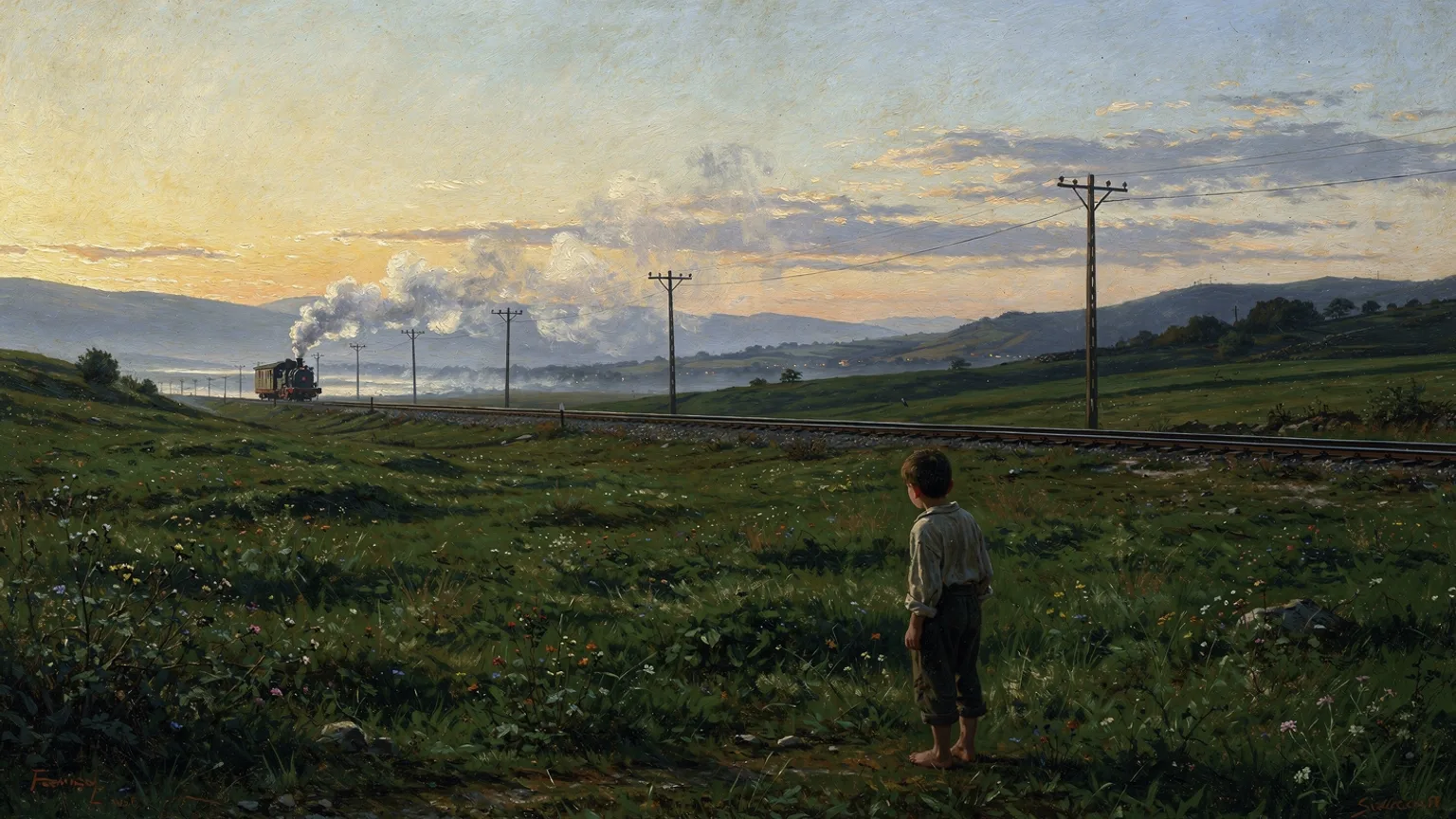
On a green triangular meadow called Somonte, cut at one corner by the Oviedo–Gijón railway, two motherless twins — Rosa and Pinín — and their gentle cow, la Cordera, are inseparable: «always the three of them». But the iron road and the telegraph wire humming past their world stand for everything vast, modern and merciless beyond it. When poverty forces their father to sell the Cordera, the train carries her away; years later the same train takes Pinín off to war. Leopoldo Alas «Clarín»'s 1892 tale is one of the tenderest, most desolating stories in Spanish literature — a radiant elegy for childhood, the countryside, and everything that progress takes and never gives back.
By the numbers
About the author
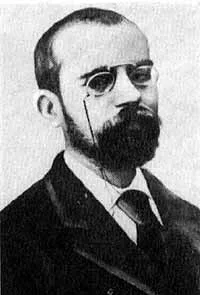
Leopoldo Enrique García-Alas y Ureña (1852–1901), who wrote under the pen name «Clarín», was a Spanish realist novelist, journalist, and the most formidable literary critic of late-19th-century Spain. He is best known for «La Regenta», widely regarded as one of the finest Spanish novels of the 19th century, alongside a large body of short fiction shaped by realism and naturalism. His story «¡Adiós, Cordera!» (1892) is his most celebrated tale: set in the Asturian countryside, it follows two peasant children and their beloved cow as the railroad and telegraph bring modernity, separation, and loss. Long a professor of law in Oviedo, Clarín remains a central figure of Spanish literary realism.
Recognition
«¡Adiós, Cordera!» is a poem of farewell: a leave-taking.
Clarín is the author of «La Regenta», his masterpiece and one of the best Spanish novels of the 19th century.
Although the author's works are considered examples of realism or naturalism, many consider «¡Adiós, Cordera!» a harbinger of modernism.
Practice typing
Type this retelling one piece at a time — your progress is saved as you go.
If you liked this
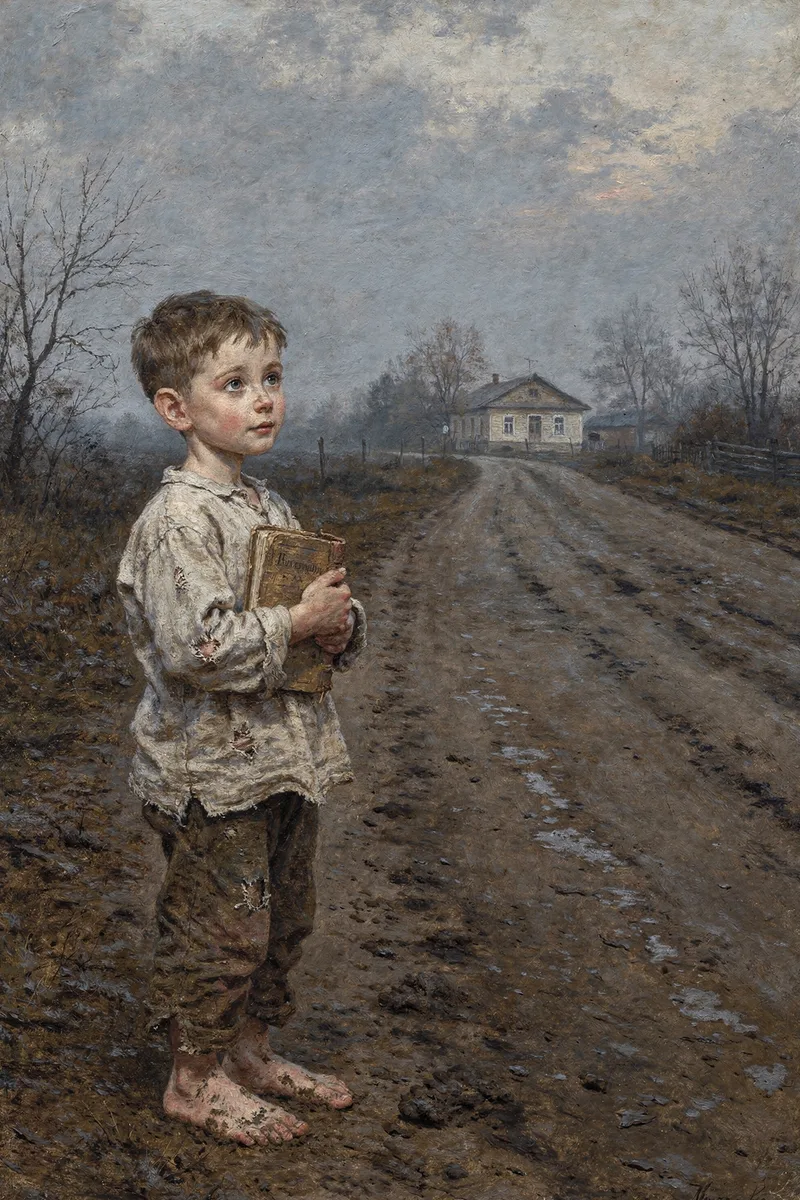
A gifted village boy, gentle and shy, wants nothing so much as to learn — but in a world of crushing peasant poverty, even a pair of boots and a teacher's kindness may not be enough to keep him in school.
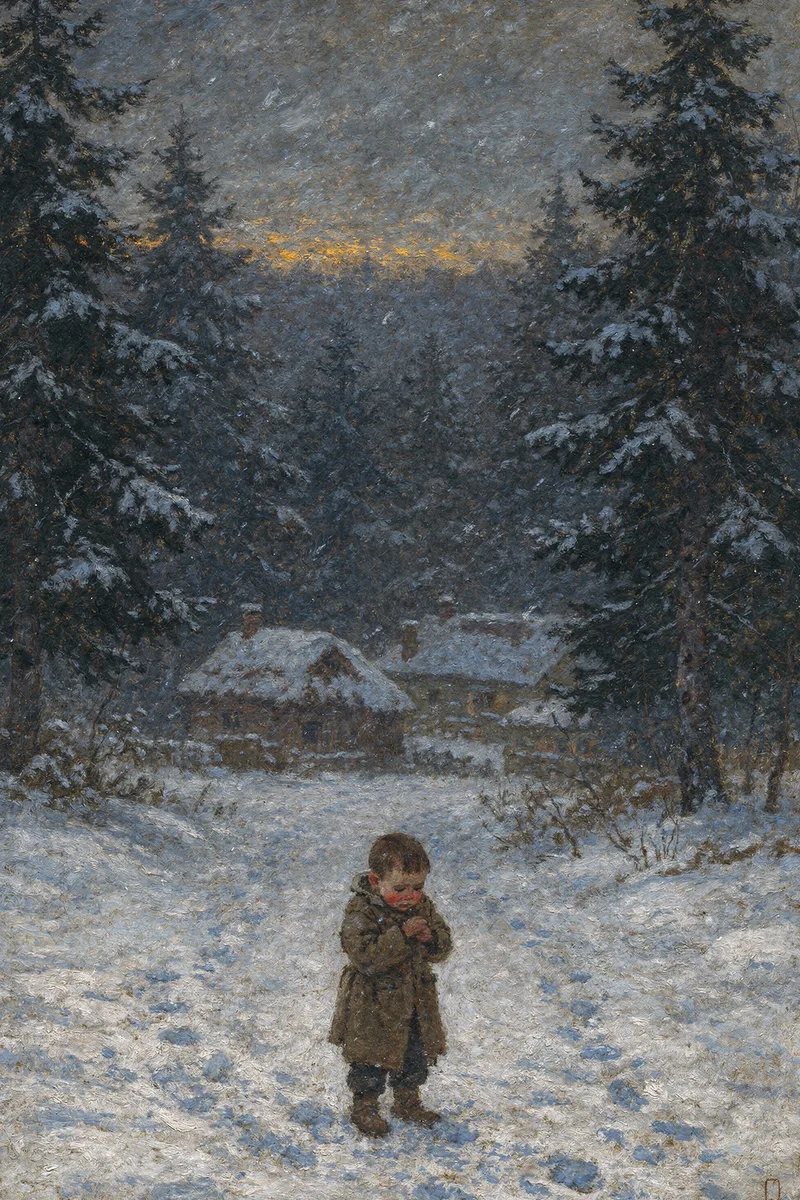
On a bitter winter's eve the destitute widow Katria tries to frighten her little son Pylypko out of going caroling by telling him of «Morozenko», the cruel old spirit of the frost.
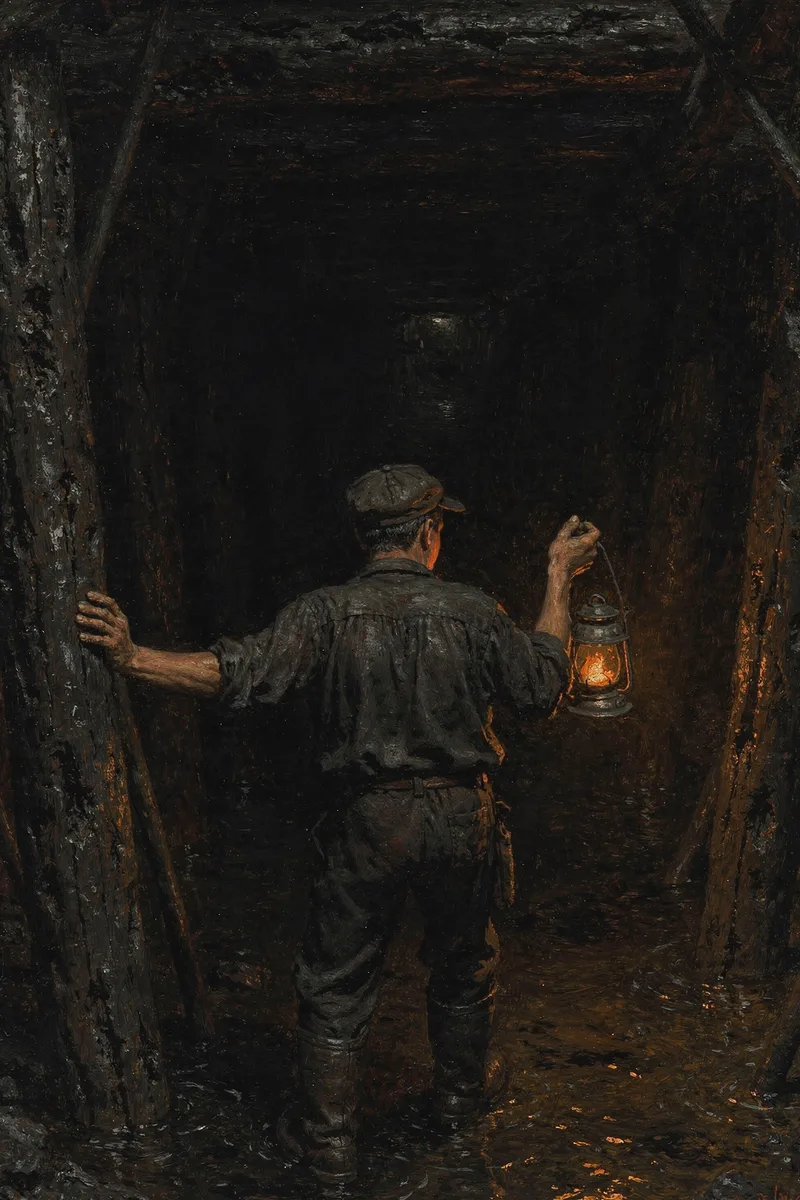
In 1904, Baldomero Lillo—the father of Chilean social realism—descended into the coal pits of Lota and came back with “The Devil's Shaft,” the most anthologized story in Chilean literature.
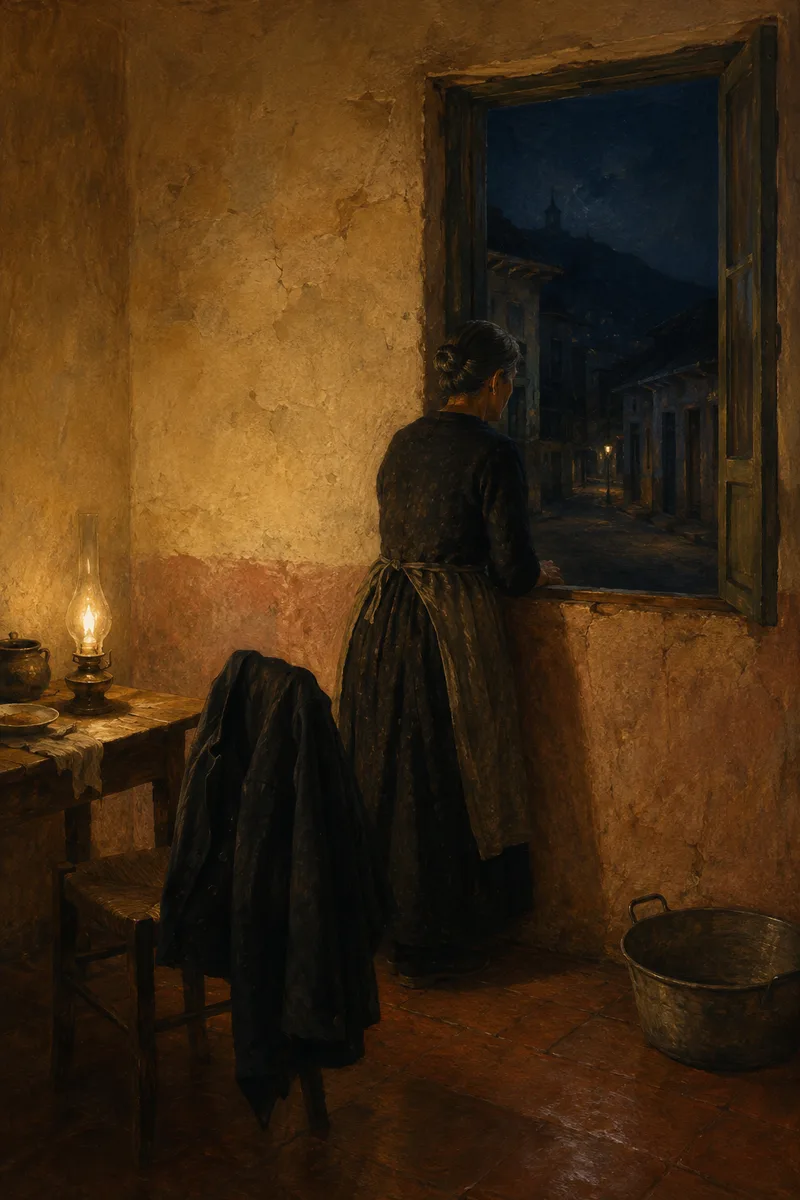
Nobody in the neighbourhood remembers her real name.