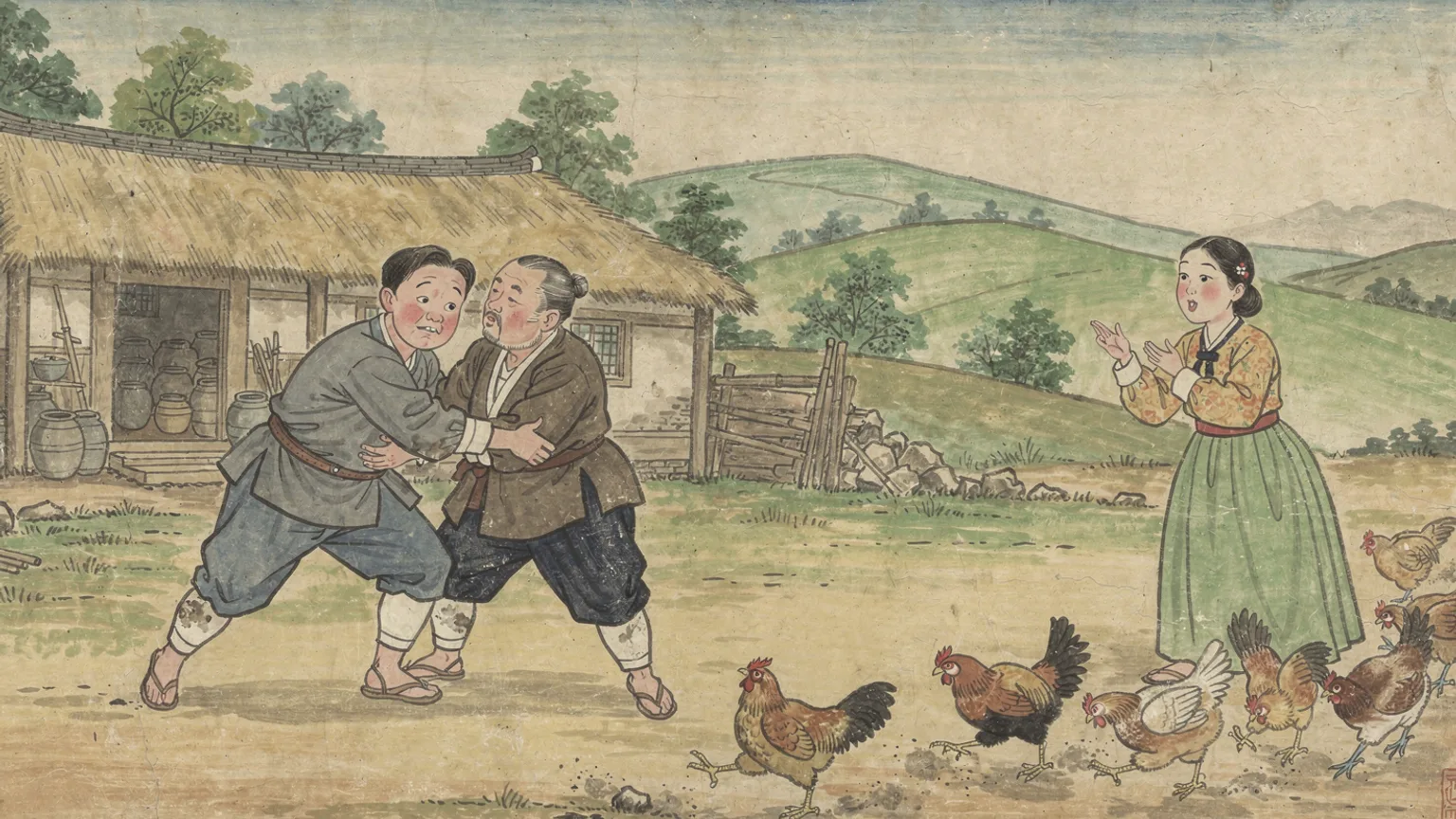
Spring, Spring
About this story
A simple-hearted farmhand has toiled for over three years without a single coin of pay, living as a son-in-law-to-be in the house of the crafty old landlord Bongpil — all on the promise that he may marry the daughter, Jeomsun, «once she has grown tall enough». But the girl never seems to grow, the wedding never comes, and the narrator slowly begins to suspect he is being played for a fool. Kim Yu-jeong's 1935 story, told in the earthy, comic voice of its none-too-bright hero, is one of the best-loved Korean short stories of the colonial era — a warm, slyly satirical portrait of country life that turns the exploitation of a poor labourer into pure slapstick, climaxing in an unforgettable brawl in which Jeomsun takes a surprising side.
By the numbers
About the author
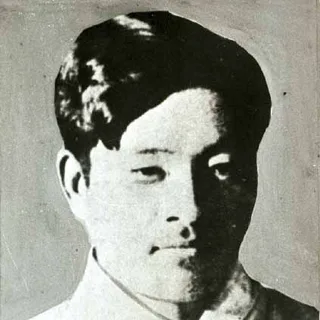
Kim Yu-jeong (1908–1937) was a Korean short-story writer born in Chuncheon, Gangwon Province, into a once-wealthy landowning family whose fortunes collapsed, leaving him in lifelong poverty. He debuted in 1933 and in 1935 joined the celebrated «Circle of Nine» (Guinhoe) alongside writers such as Yi Sang. In barely two years of prolific work he produced roughly thirty stories before dying of tuberculosis in 1937 at age 29. His fiction is prized for its earthy humor, lively onomatopoeia, and rustic Gangwon dialect — warm yet unsparing portraits of impoverished peasants under Japanese colonial rule. «Bombom» (1935) is his best-loved comic tale.
Recognition
Kim Yu-jeong's stories portray, with a unique, folksy sense of humor, everyday people living out hardscrabble lives against the bleak backdrop of rural Korea. His prose, with its liberal use of lively onomatopoeia, rustic dialect, and homespun colloquialisms, provides vitality-filled sketches of the impoverished lives of the lowest classes under Japanese colonial rule.
The particular significance of Kim's stories within Korean literature comes from the consistent sensitivity of feeling which they evince in their telling.
His literary world is essentially caricatural, and so it is characterized less by a cold, rational sense of reality or tragic seriousness than by an overflowing warmth of comic humanity.
The caricatured human relationships can be called the crowning glory of Kim Yu-jeong's literature.
Practice typing
Type this retelling one piece at a time — your progress is saved as you go.
If you liked this
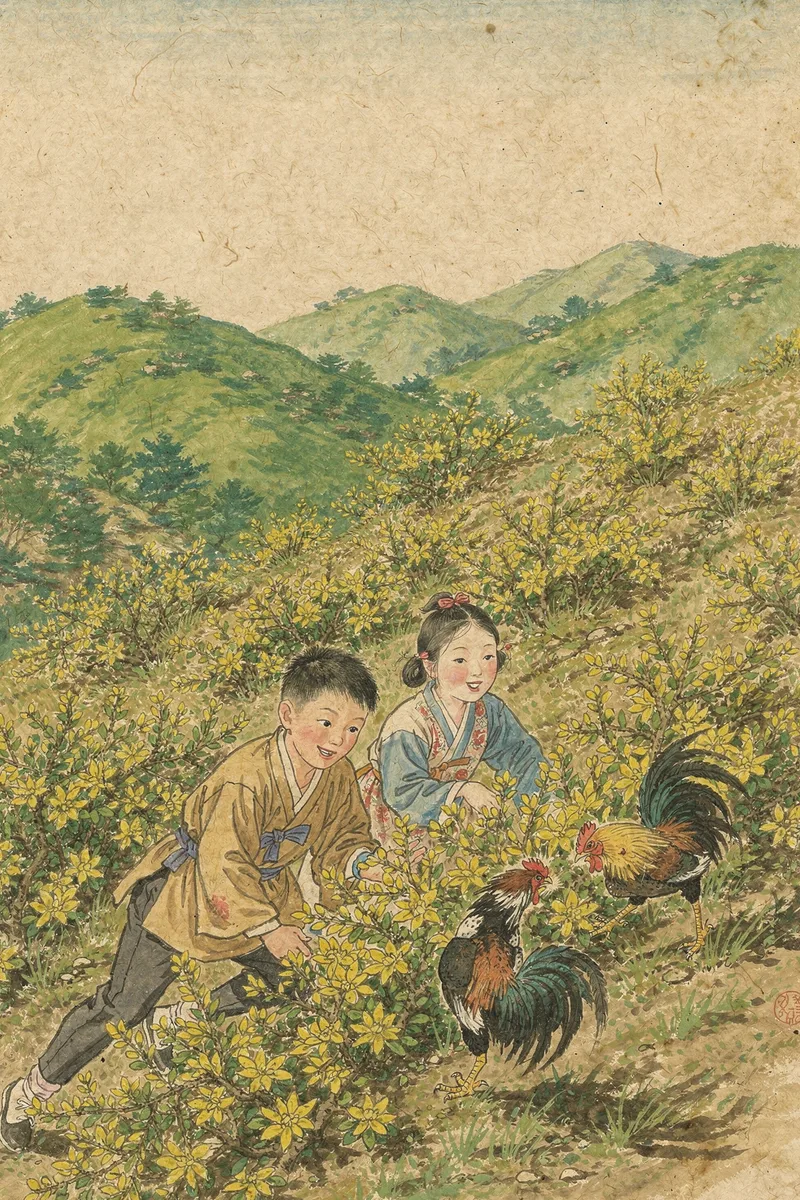
In a mountain village in 1930s rural Korea, a good-natured but hopelessly dense farm boy cannot fathom why the landlord's spirited daughter, Jeomsun, keeps tormenting him — thrusting potatoes at him, taunting him, and setting her rooster on his.
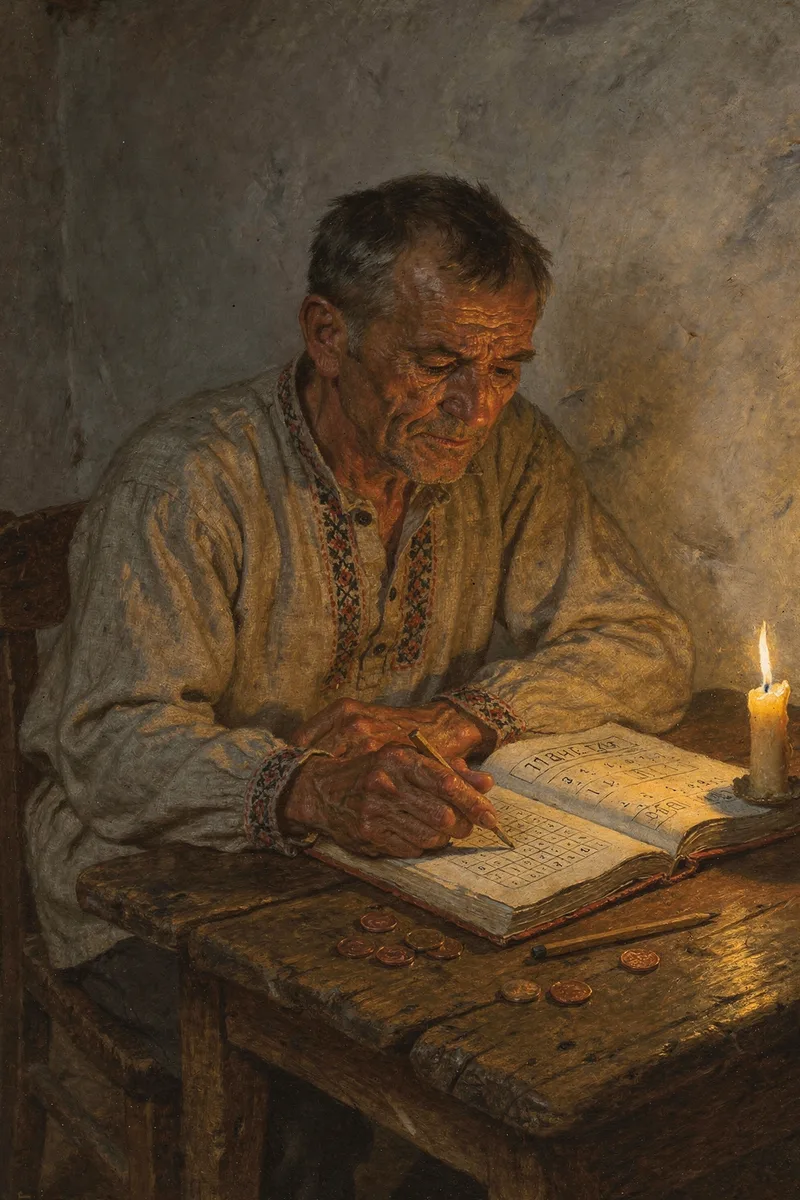
When a village shopkeeper lends the peasants a school arithmetic primer, its tidy word-problems — so many acres to a landowner, so many roubles to the estate — are read aloud by lamplight to a gathering of farmhands.
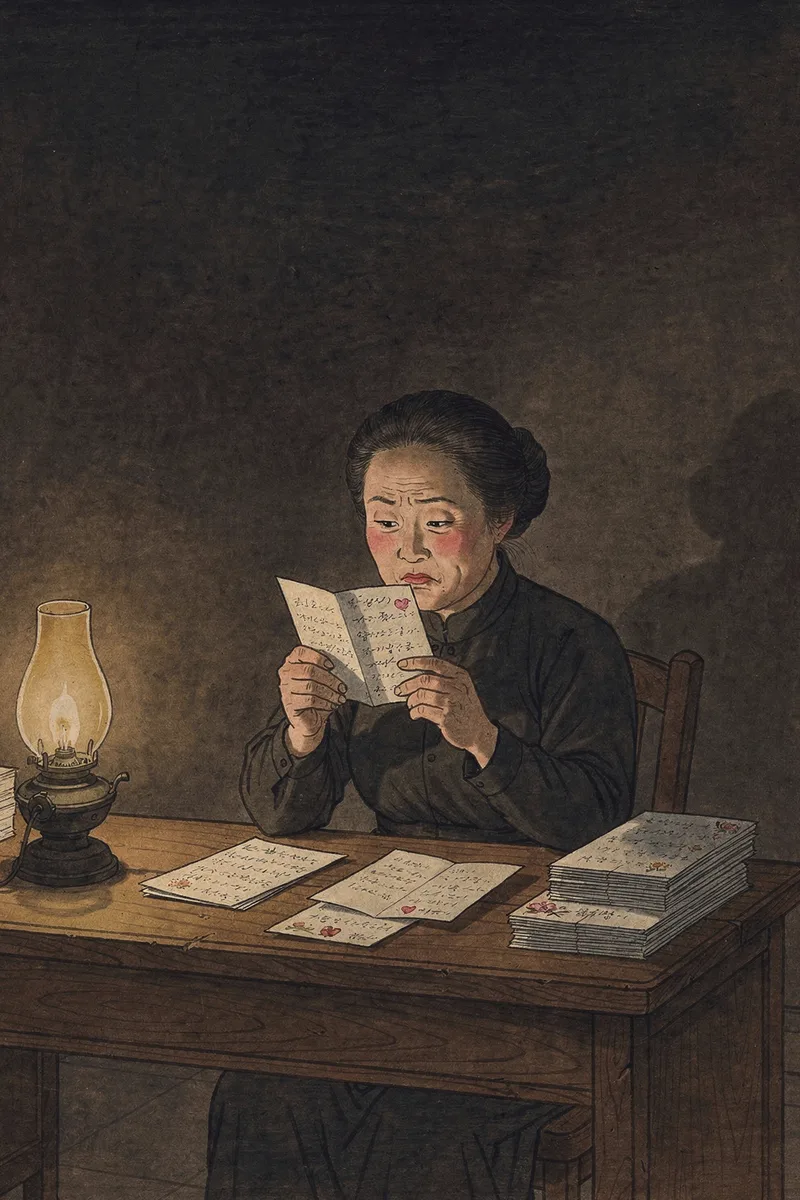
Miss B, the dormitory matron of a girls’ school, is a gaunt, pious spinster who wages holy war on romance — confiscating every love letter and hauling terrified students in for interrogation.
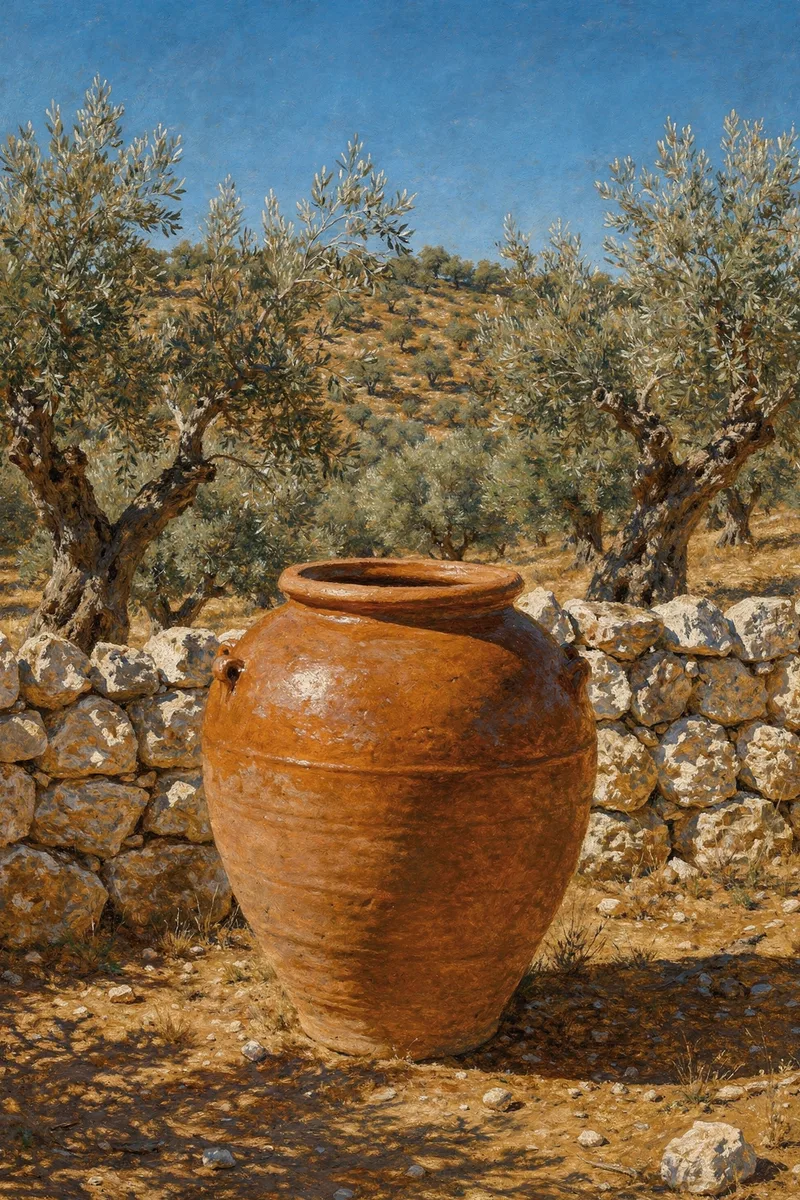
In the golden heat of the Sicilian olive harvest, the rich, miserly landowner Don Lollò Zirafa takes delivery of a magnificent new jar, taller than a man — only to find it split clean in two the very next morning.