The Jar
About this story
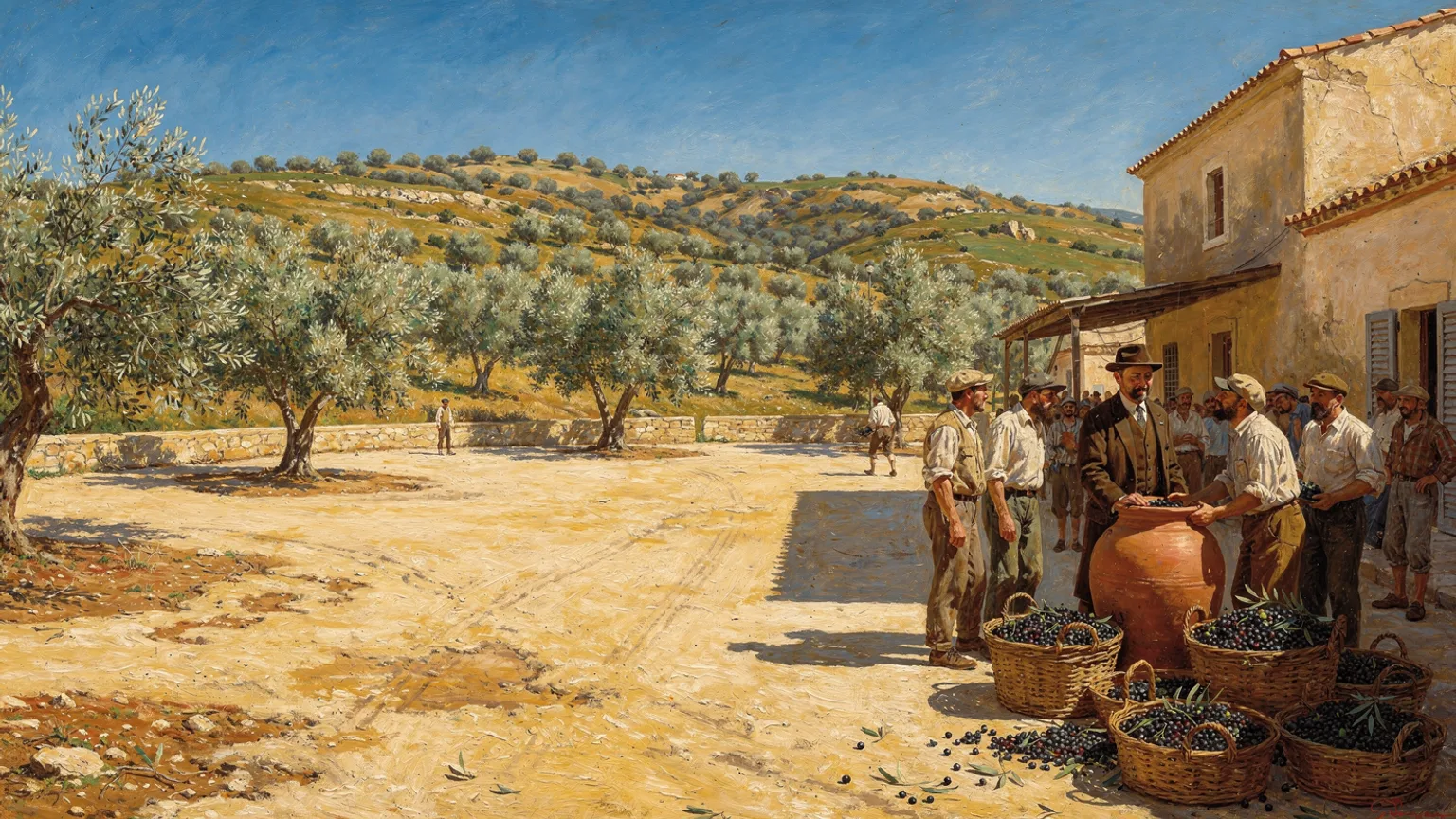
In the golden heat of the Sicilian olive harvest, the rich, miserly landowner Don Lollò Zirafa takes delivery of a magnificent new jar, taller than a man — only to find it split clean in two the very next morning. Enter Zi' Dima Licasi, a surly hunchbacked mender with a miraculous secret glue, who climbs inside to rivet the crack from within and then cannot climb back out. Landowner and craftsman are soon locked in a gloriously absurd feud over who owes whom, watched by a chorus of delighted farmhands. Luigi Pirandello, winner of the 1934 Nobel Prize and one of the great voices of modern theatre and the short story, turns this Sicilian comedy into a small, perfect parable of pride, property and human folly.
By the numbers
About the author
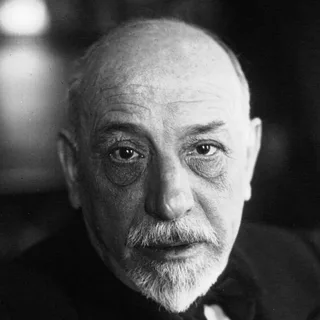
Luigi Pirandello (1867–1936) was a Sicilian writer, playwright, and short-story author, awarded the Nobel Prize in Literature in 1936 and widely regarded as one of the founders of modernist theatre and narrative. His best-known works include the plays «Sei personaggi in cerca d'autore» (Six Characters in Search of an Author) and «Enrico IV», and the novels «Il fu Mattia Pascal» and «Uno, nessuno e centomila», all built on his signature themes of unstable identity, madness, and the conflict between life's flux and the fixed «forms» society imposes. Alongside these he composed a vast cycle of short fiction, «Novelle per un anno», conceived as one story for every day of the year. «Il treno ha fischiato» (1914) belongs to this cycle and is among his most celebrated and anthologized novelle, a compact showcase of his theory of «umorismo» and of the life-versus-form dilemma dramatized through the clerk Belluca.
Recognition
for his bold and ingenious revival of dramatic and scenic art.
Pirandello's «Novelle per un anno» are nothing short of an attempt to encapsulate the indeterminate, chaotic, contradictory, and humorous experience of modern life itself.
Pirandello revolutionized twentieth-century theatre, becoming one of the greatest playwrights of all time.
The third story, «La giara» («The Jar»), is pure comedy: a mean landowner is pitted against an honest tradesman, with Chaucerian, serves-him-right results.
Practice typing
Type this retelling one piece at a time — your progress is saved as you go.
If you liked this

Down to his last coin, Castelo answers a newspaper advertisement seeking a teacher of Javanese — a language of which he does not know a single word.
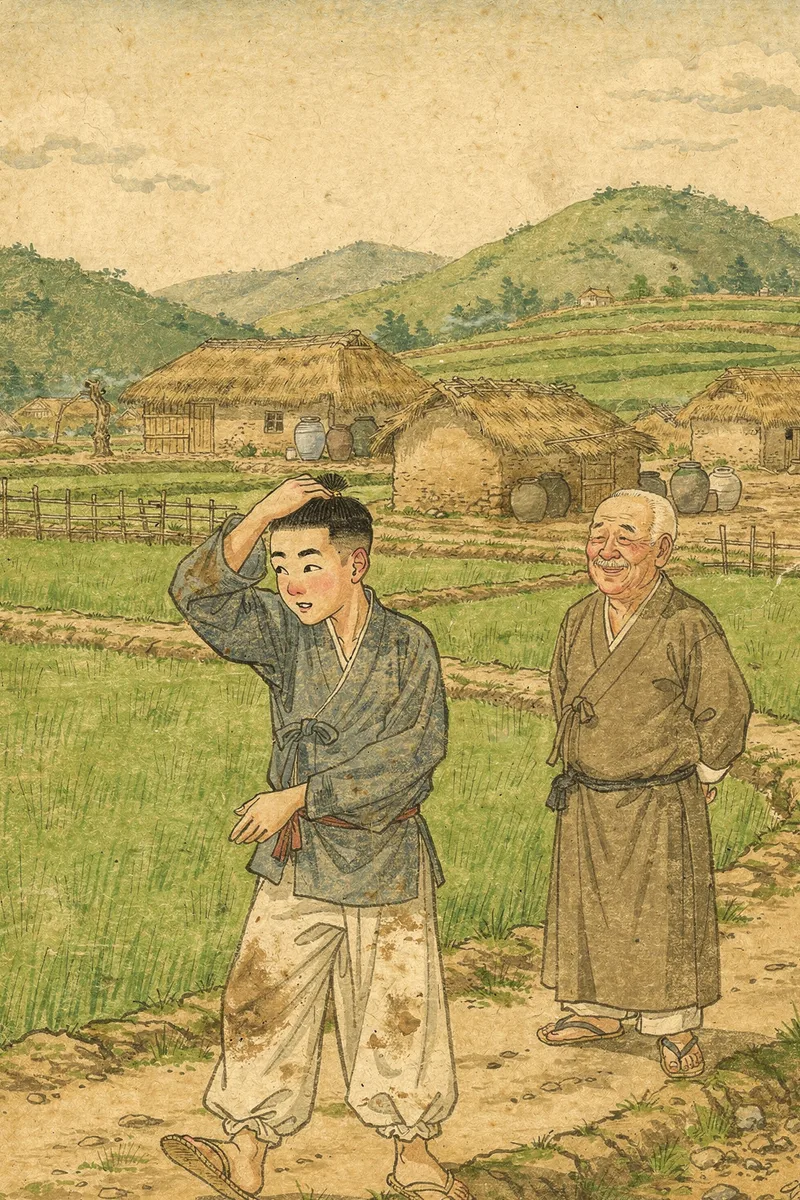
A simple-hearted farmhand has toiled for over three years without a single coin of pay, living as a son-in-law-to-be in the house of the crafty old landlord Bongpil — all on the promise that he may marry the daughter, Jeomsun, «once she has grown tall enough».
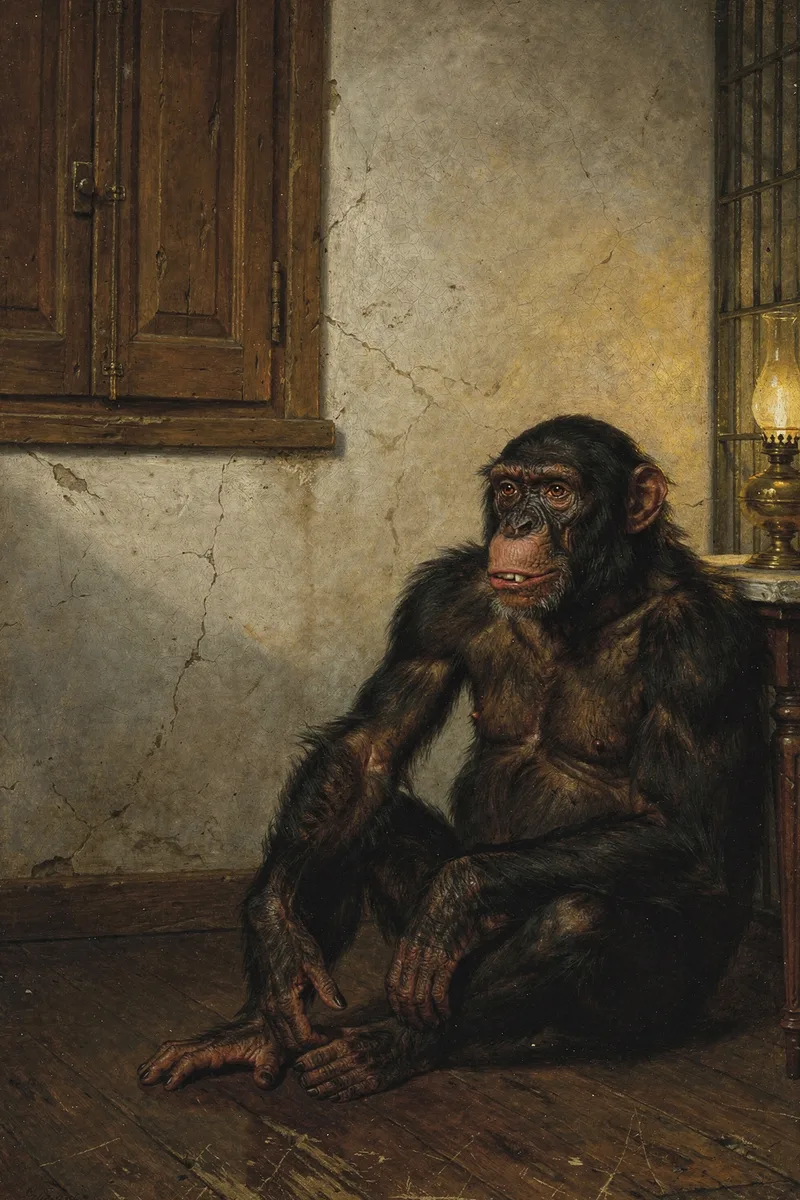
A ruined circus goes under the hammer, and a hard-headed merchant walks away with a chimpanzee named Yzur — and a strange conviction: that monkeys are not beasts but fallen men, creatures who long ago renounced speech to escape the yoke of labor, and so fell silent forever.
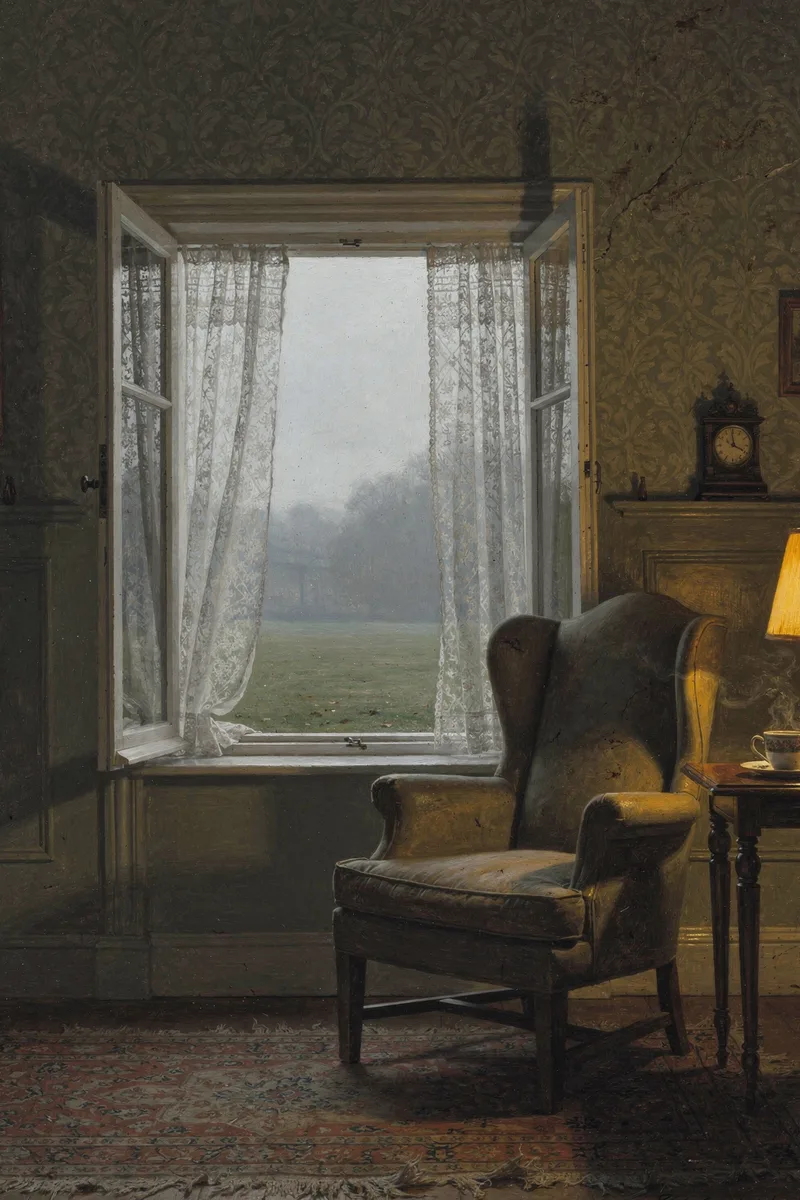
A twist of the knife delivered with a smile: Saki's most anthologised story sends the nervous Framton Nuttel to a placid country house, where a self-possessed fifteen-year-old niece regales him with a family tragedy — three men who walked out through the open French window one October afternoon and were swallowed by the bog, never to return.