The Open Window
About this story
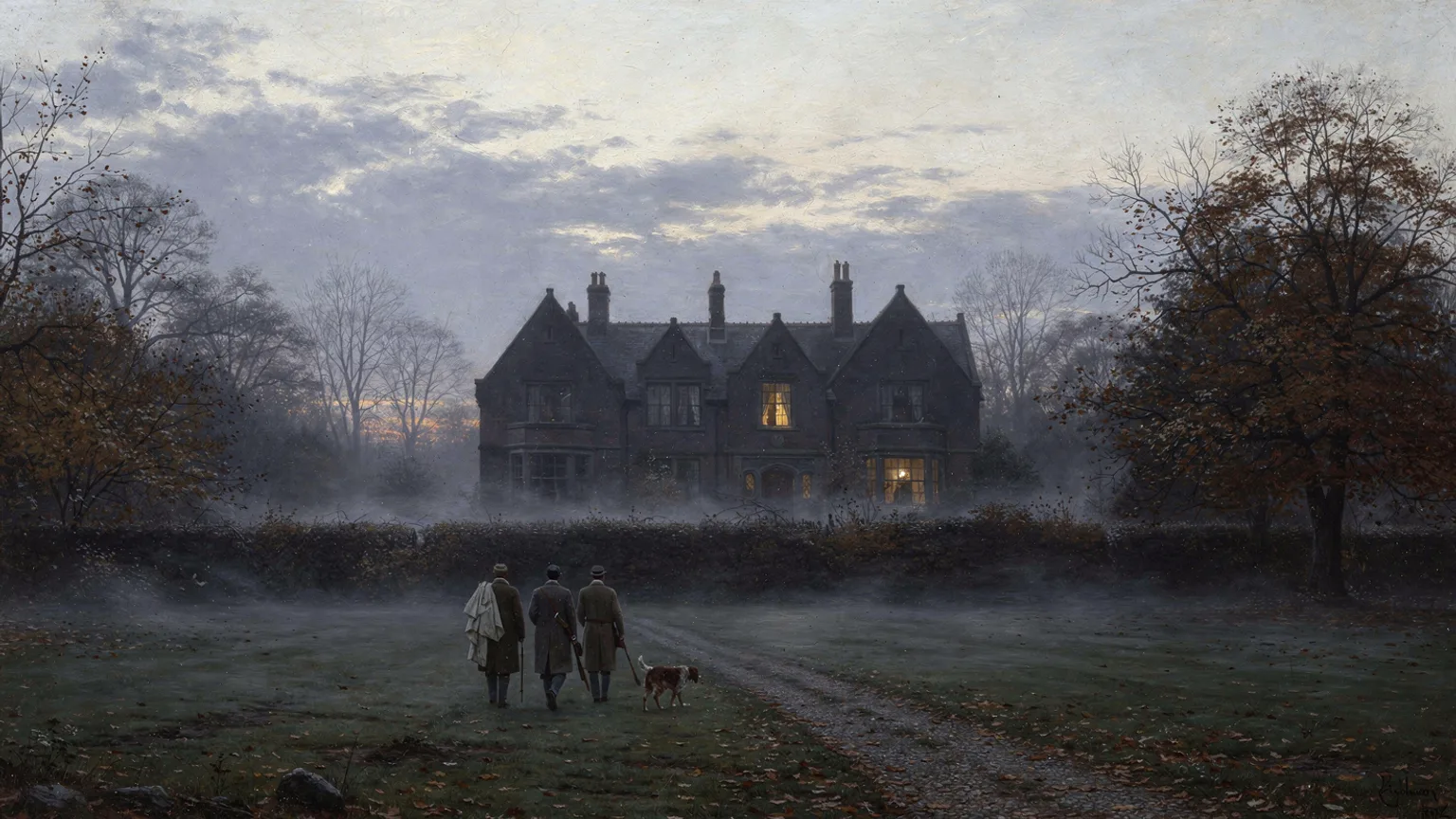
A twist of the knife delivered with a smile: Saki's most anthologised story sends the nervous Framton Nuttel to a placid country house, where a self-possessed fifteen-year-old niece regales him with a family tragedy — three men who walked out through the open French window one October afternoon and were swallowed by the bog, never to return. The grieving aunt keeps the window open still, waiting for them. Then, at dusk, three figures come padding back across the lawn. In barely a thousand words, Saki springs one of literature's most perfect surprise endings. Ranked beside Maupassant and O. Henry, this master of the mischievous, macabre Edwardian tale will leave you grinning at your own fright.
By the numbers
About the author
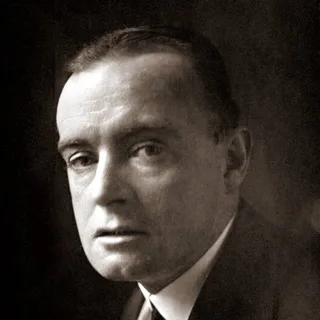
Hector Hugh Munro (1870–1916), who wrote under the pen name Saki, was a British author widely regarded as one of the acknowledged masters of the English short story, prized for the witty, mischievous and often macabre tales with which he satirised Edwardian society. His major collections include The Chronicles of Clovis (1911) and Beasts and Super-Beasts (1914), while his best-known individual stories are «Sredni Vashtar», «The Interlopers» and «The Open Window». Critics have ranked him alongside Guy de Maupassant and O. Henry as a craftsman of the surprise ending, and his influence runs on through P. G. Wodehouse, Noël Coward and Roald Dahl. «The Open Window» first appeared in the Westminster Gazette in 1911 and was collected in Beasts and Super-Beasts; it is his most frequently anthologised story and a textbook model of the twist-ending form. Munro was killed by a sniper at the Battle of the Ancre in France in November 1916.
Recognition
Perhaps the best instance of this is to be found in that extraordinary fantasia, 'The Open Window'... after an almost intolerable situation has been suddenly converted into comedy with a jerk like that of a cinematograph, the strange conduct of the young lady is summed up in seven words: 'romance at short notice was her specialty.'
Saki writes like an enemy. Society has bored him to the point of murder. Our laughter is only a note or two short of a scream of fear.
Unhappiness wonderfully aids the memory, and the best stories of Munro are all of childhood, its humour and its comedy as well as its cruelty and unhappiness.
Delicate, airy, lucid, precise... he can pass into the uncanny, the tragic, into mocking fairy-tales grimmer than Grimm.
Practice typing
Type this retelling one piece at a time — your progress is saved as you go.
If you liked this
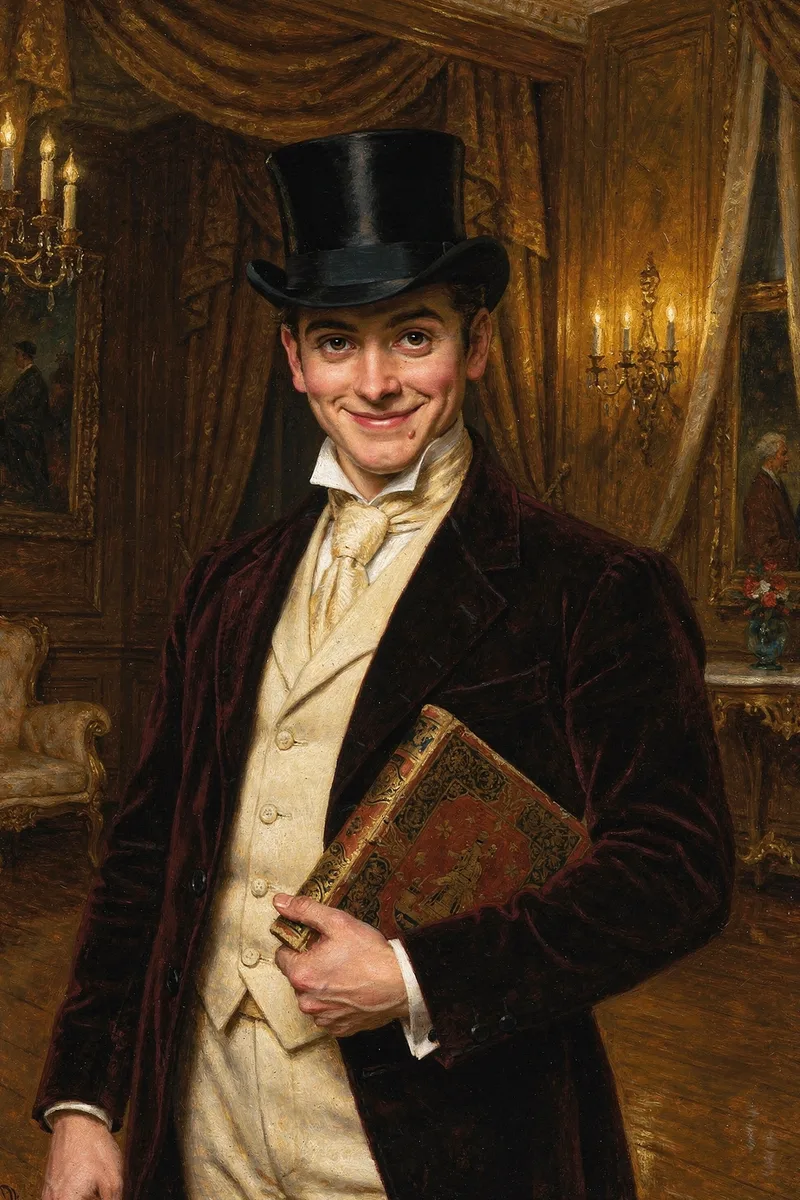
Down to his last coin, Castelo answers a newspaper advertisement seeking a teacher of Javanese — a language of which he does not know a single word.
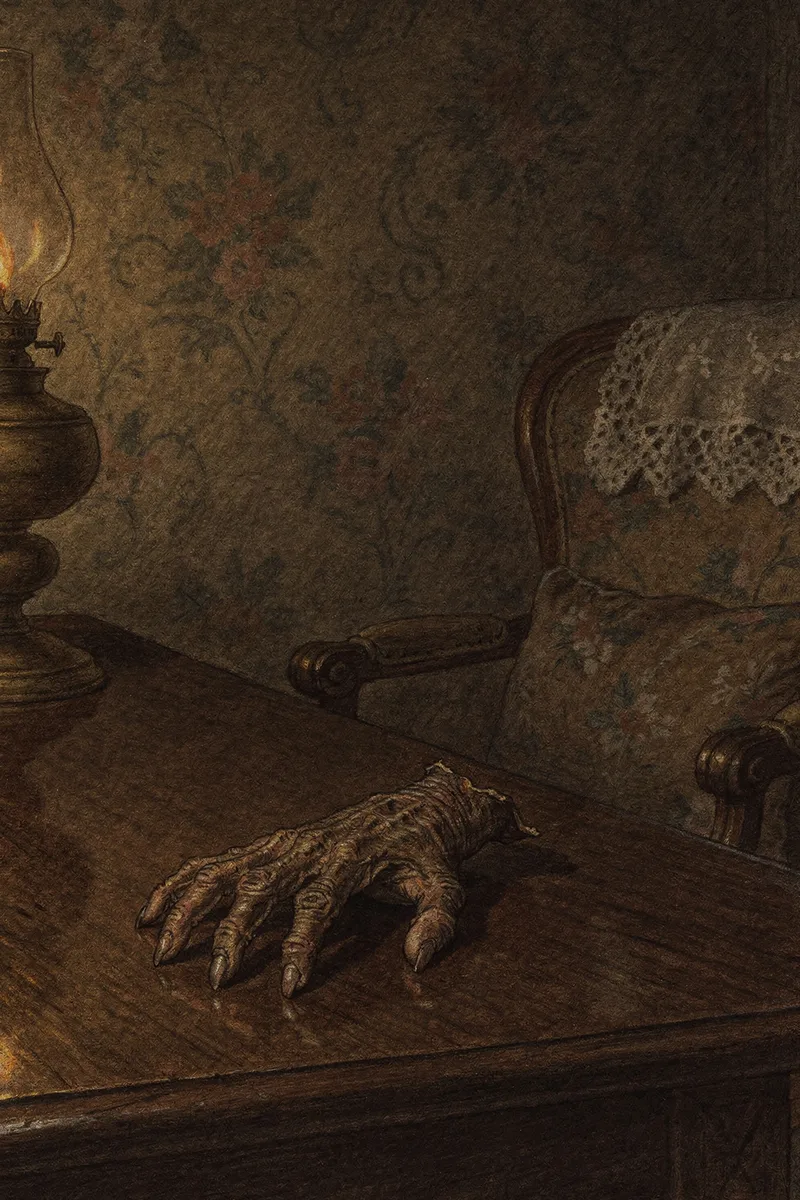
A dried, mummified talisman carried home from India promises three wishes to whoever holds it — but the old fakir who cursed it meant to prove that fate rules our lives, and that those who meddle with it do so to their sorrow.
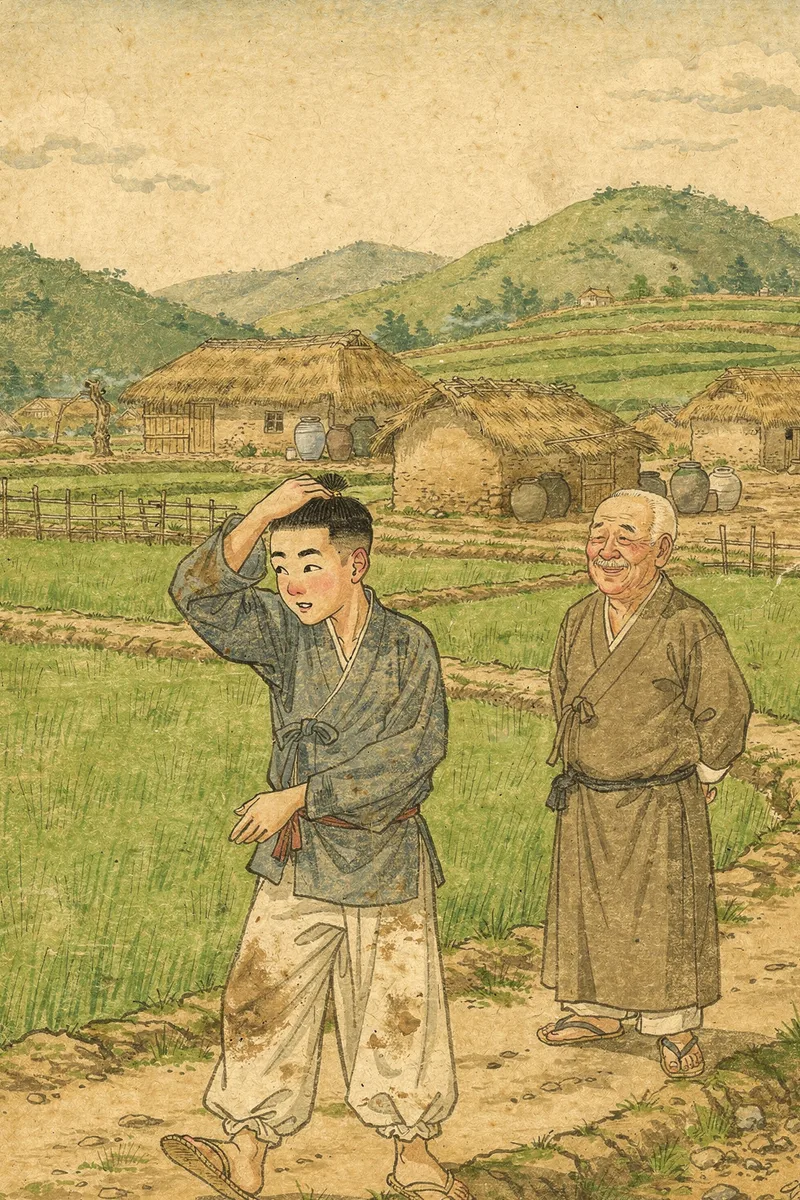
A simple-hearted farmhand has toiled for over three years without a single coin of pay, living as a son-in-law-to-be in the house of the crafty old landlord Bongpil — all on the promise that he may marry the daughter, Jeomsun, «once she has grown tall enough».
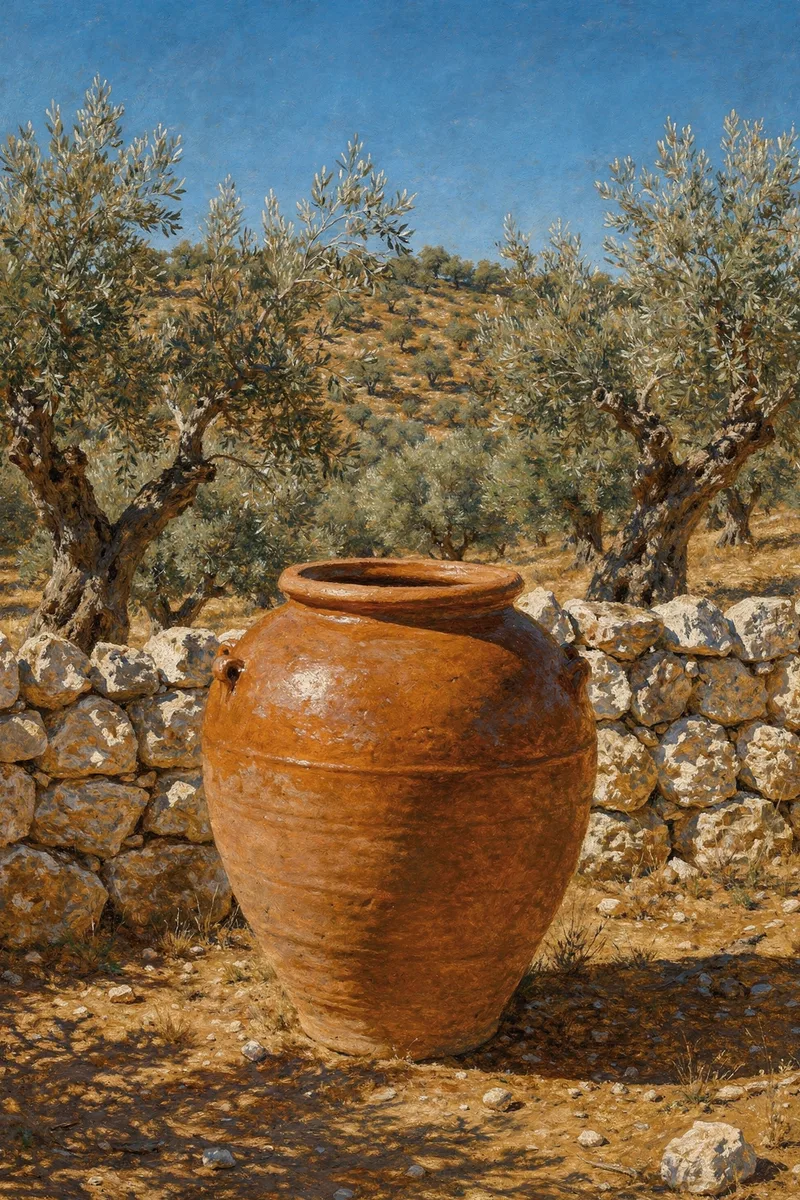
In the golden heat of the Sicilian olive harvest, the rich, miserly landowner Don Lollò Zirafa takes delivery of a magnificent new jar, taller than a man — only to find it split clean in two the very next morning.