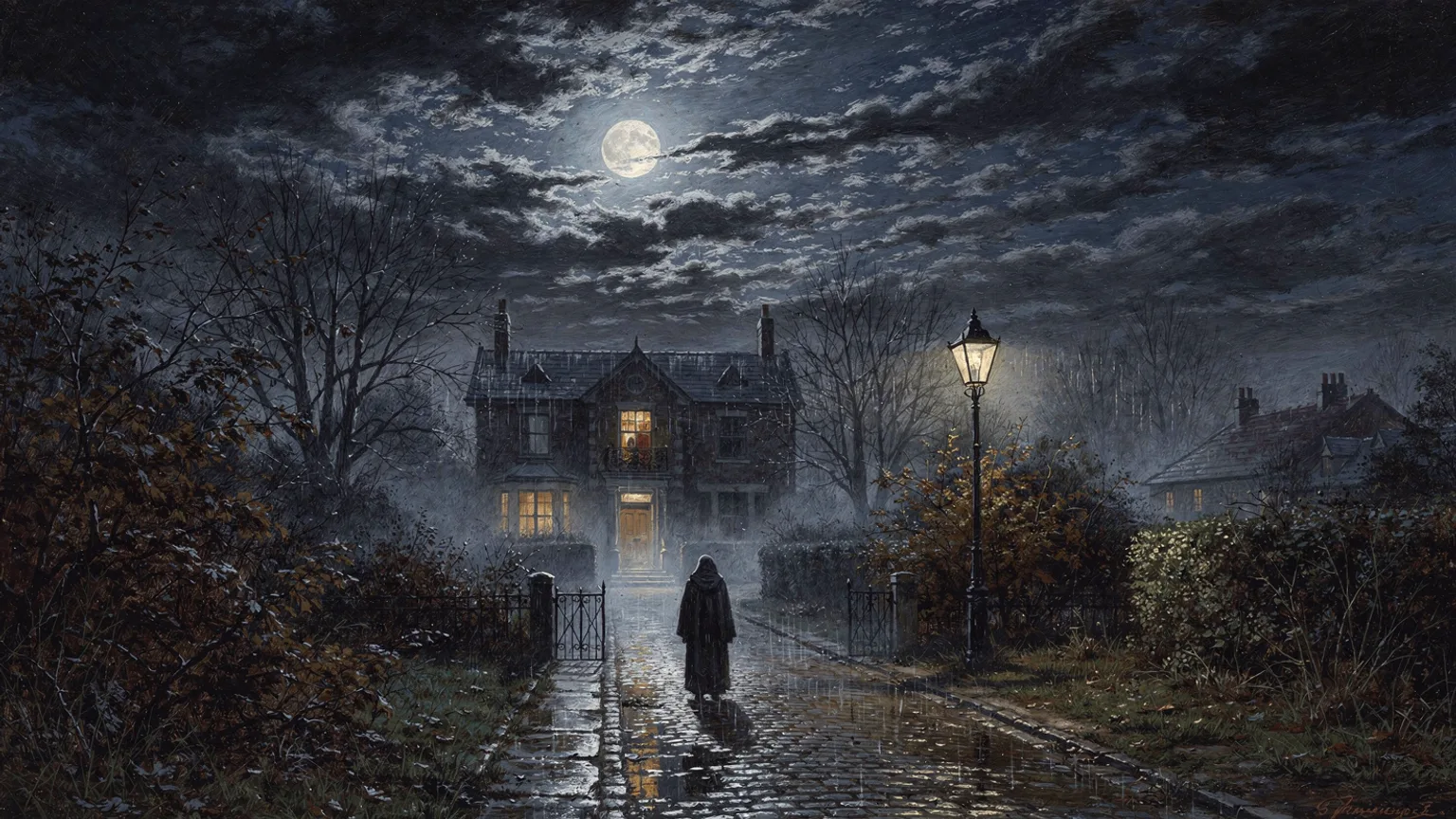
The Monkey's Paw
About this story
A dried, mummified talisman carried home from India promises three wishes to whoever holds it — but the old fakir who cursed it meant to prove that fate rules our lives, and that those who meddle with it do so to their sorrow. When the Whites wish only for a modest sum of money, they discover how monstrously a wish can be granted. W. W. Jacobs, celebrated in his own day as England's finest comic writer, poured all his mastery of compression and understatement into this single macabre tale. First published in 1902, 'The Monkey's Paw' has become the most anthologised horror story in the English language — a flawlessly crafted miniature whose dread its countless imitators have never surpassed.
By the numbers
About the author
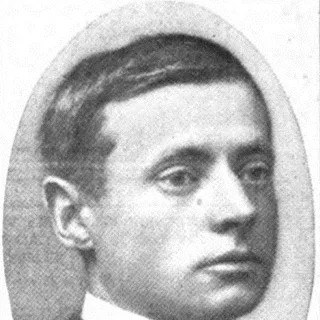
William Wymark Jacobs (1863–1943) was an English author who spent twenty years as a clerk in the Post Office Savings Bank before turning to writing full-time. In his own day he was celebrated as a comic writer, prized for the compression, understatement and deft plotting of his tales of Thames-side sailors and waterfront tricksters, gathered in volumes such as Many Cargoes (1896), The Skipper's Wooing (1897) and Sea Urchins (1898). He also wrote a handful of macabre stories, of which 'The Monkey's Paw' — first published in Harper's Monthly in September 1902 and collected the same year in The Lady of the Barge — is by far the most famous. Though his humorous fiction has faded, this single supernatural tale has made him a fixture of the horror canon, endlessly anthologised and adapted since 1903.
Recognition
It rates very highly among our modern tales of terror in the fact that it is dignified and noble. Jacobs's horror is wild, but it is a sane horror.
This expertly calculated matching of form to content explains the extraordinary power of Jacobs' tale, and possibly why its numerous imitators have never surpassed its effectiveness as a tale of horror.
'The Monkey's Paw' by W. W. Jacobs is a miniature classic of the horror genre. What makes it so unsettling, and such a masterclass in writing horror fiction, is that Jacobs doesn't give us a clear reason why Mr White should deserve such a fate.
The humourist W. W. Jacobs produced that able melodramatic bit called 'The Monkey's Paw'.
Practice typing
Type this retelling one piece at a time — your progress is saved as you go.
If you liked this
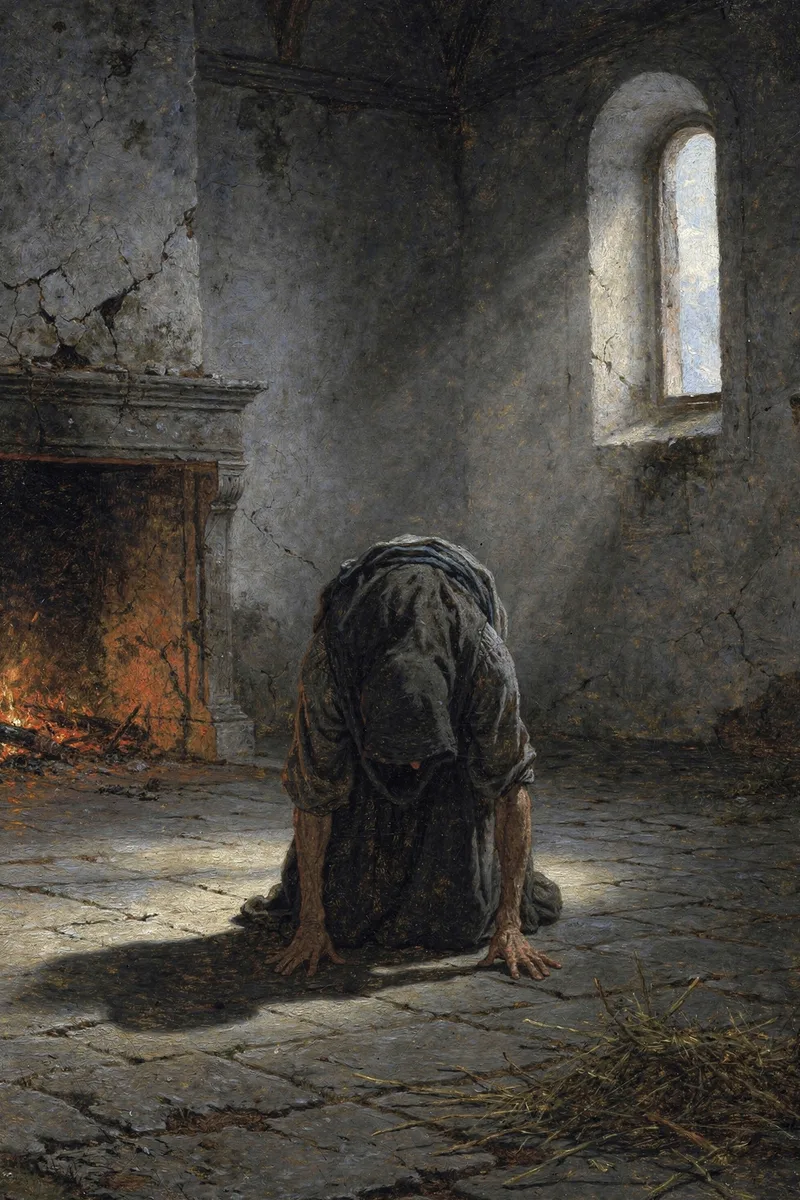
Near Locarno, in a crumbling castle at the foot of the Alps, a nobleman orders a sick old beggarwoman to drag herself across the room — and she collapses and dies.
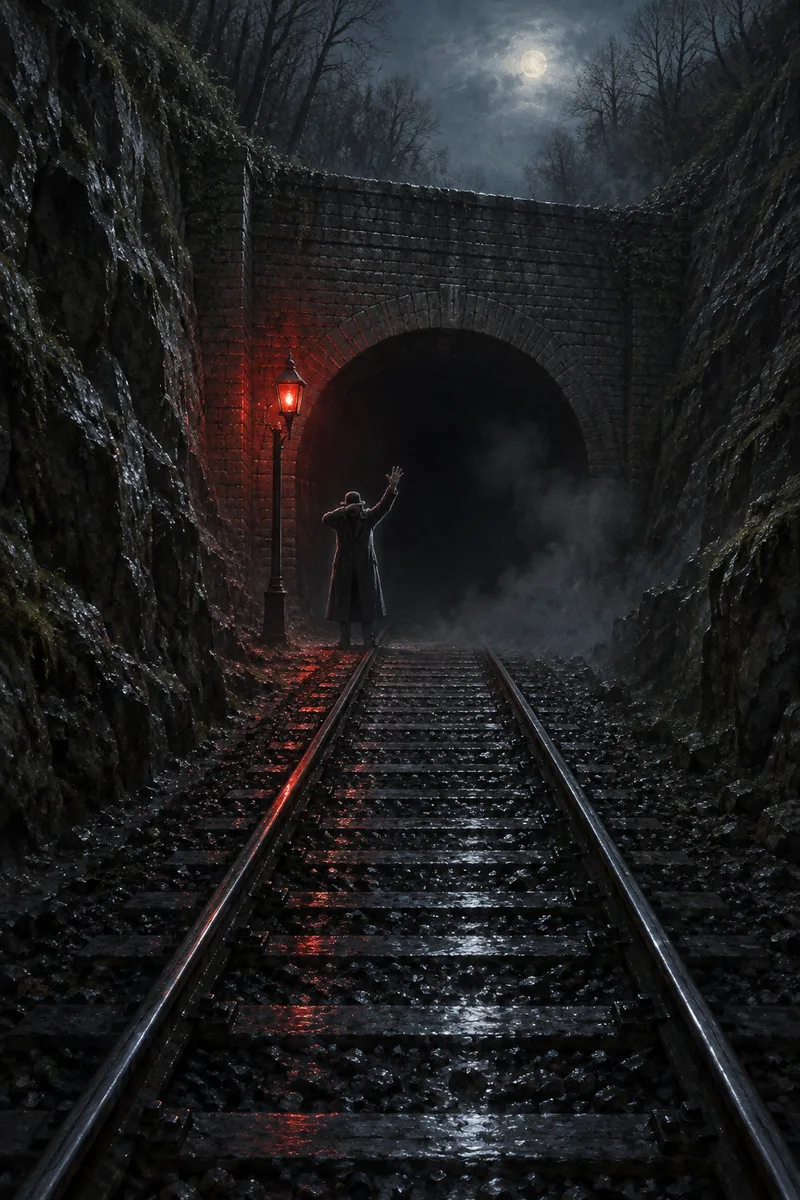
At the bottom of a damp railway cutting, beside the black mouth of a tunnel, a lonely signalman keeps watch over the line — and over a figure no one else can see.
A twist of the knife delivered with a smile: Saki's most anthologised story sends the nervous Framton Nuttel to a placid country house, where a self-possessed fifteen-year-old niece regales him with a family tragedy — three men who walked out through the open French window one October afternoon and were swallowed by the bog, never to return.
«There are more things in heaven and earth than are dreamt of in your philosophy.» With Hamlet's words Machado de Assis opens his most famous tale of fate and self-deception.