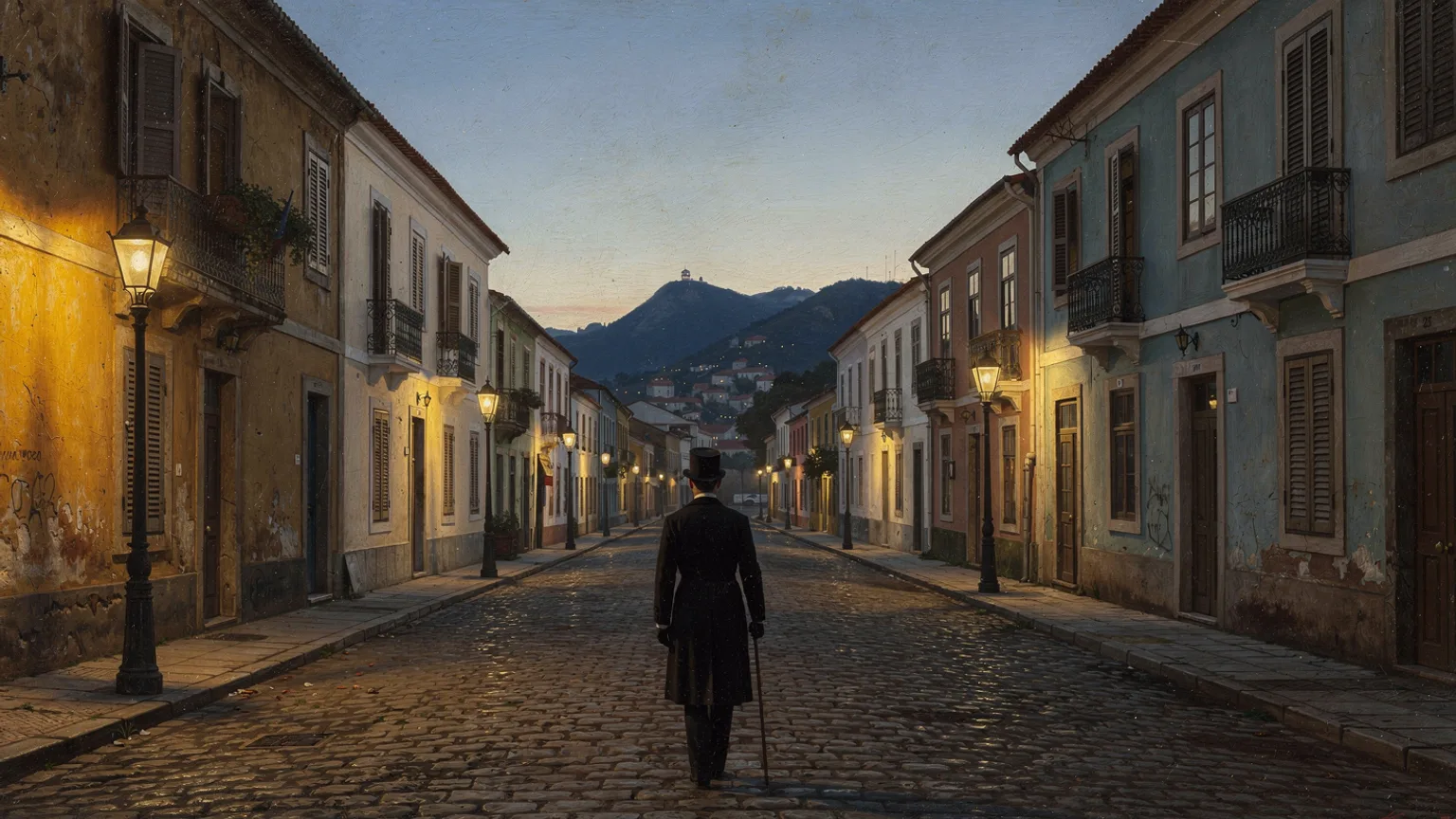
The Fortune-Teller
About this story
«There are more things in heaven and earth than are dreamt of in your philosophy.» With Hamlet's words Machado de Assis opens his most famous tale of fate and self-deception. Camilo laughs at superstition — and at Rita, his best friend's wife and his secret lover, who has consulted a fortune-teller about their affair. But when anonymous letters reach the husband, Vilela, and a sudden summons arrives, terror sends Camilo to that same cartomante. Her cards promise that all is well, that nothing is discovered, that he is loved. Soothed and smiling, he walks to Vilela's house — straight into the trap the cards swore did not exist. A flawless 1884 machine of irony, in which the comforting lie is the very thing that kills.
By the numbers
About the author
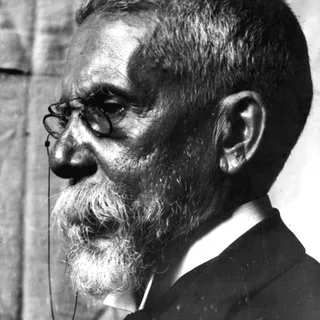
Joaquim Maria Machado de Assis (1839–1908) is widely regarded as the greatest Brazilian writer and the founder and first president of the Brazilian Academy of Letters. A self-taught son of a poor mixed-race family in Rio de Janeiro, he transformed Brazilian fiction with a mordant irony and psychological subtlety that anticipated literary modernism. His major novels — Memórias Póstumas de Brás Cubas (1881), Quincas Borba (1891) and Dom Casmurro (1899) — sit alongside a body of short stories, including 'O Alienista' and 'A Cartomante', that are pillars of the language. 'Missa do Galo', collected in Páginas Recolhidas (1899), is among his most celebrated and endlessly anthologized tales, a masterclass in ambiguity and the unsaid.
Recognition
Machado de Assis is a kind of miracle, another demonstration of the autonomy of literary genius in regard to time and place — the supreme black literary artist to date.
The greatest writer ever produced in Latin America.
If you intend to devote yourself to literature, my advice is to read and reread Machado de Assis. He is the only master we have. Everything else fades beside him.
Almost certainly the greatest of all Portuguese-language novelists, with technical procedures that anticipated the innovations of the twentieth century.
Practice typing
Type this retelling one piece at a time — your progress is saved as you go.
If you liked this
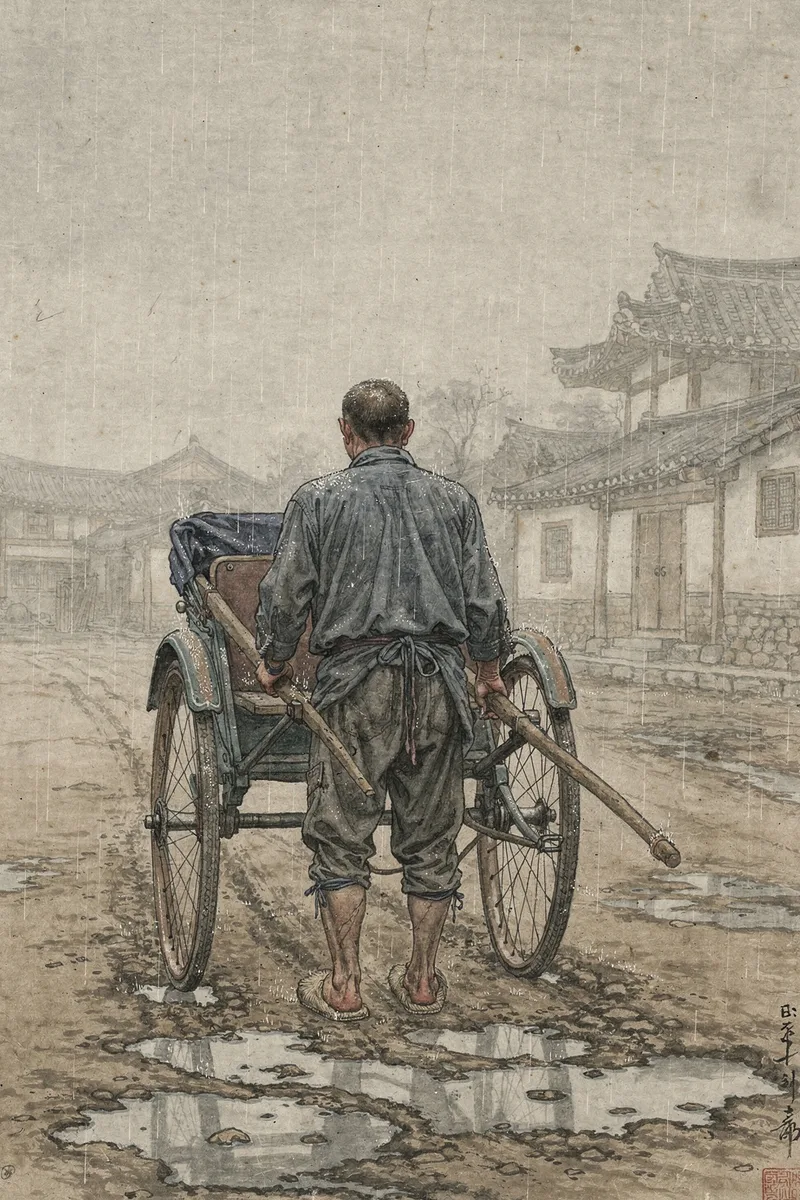
On a raw, drizzling winter day, Kim Cheom-ji — a rickshaw man scraping by outside Dongso Gate — is having the luckiest run of his life.
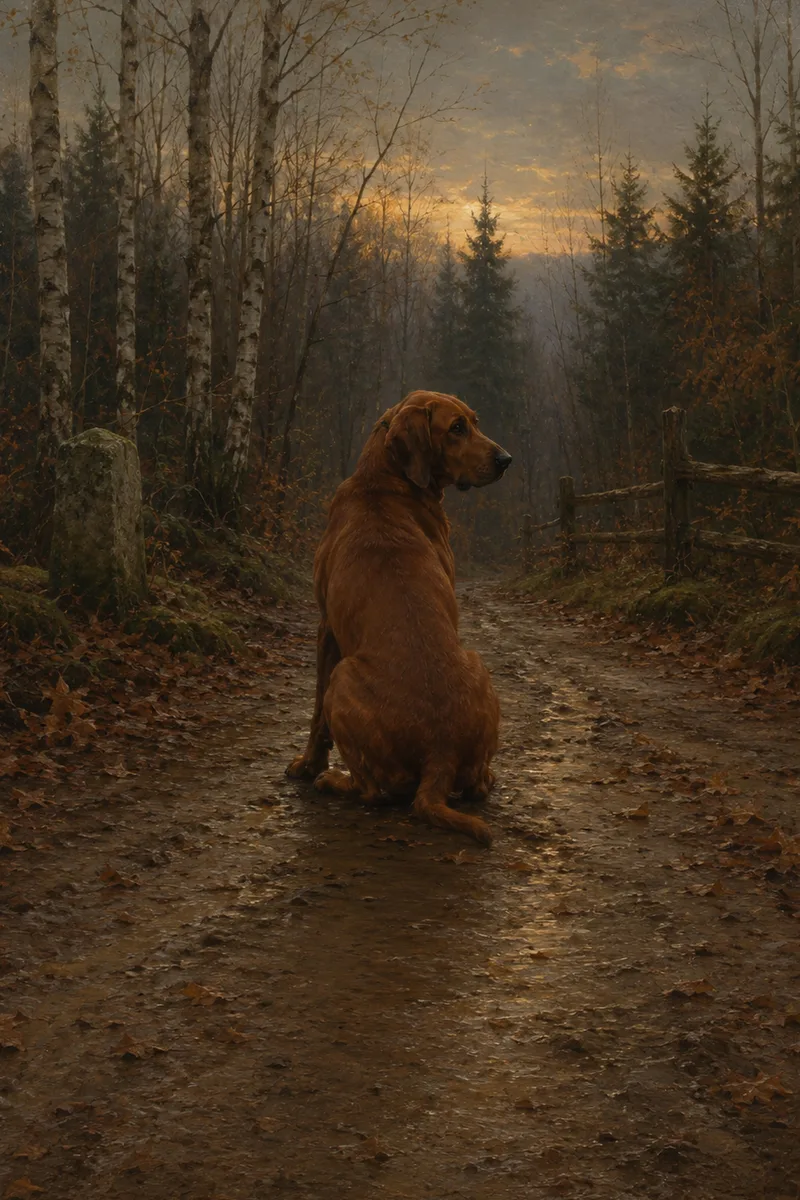
In a Moravian tavern the gamekeeper Hopp trades twelve bottles of cherry brandy for a starved hunting dog of faultless build, marked on the brow with a white line that branches like a fir twig.
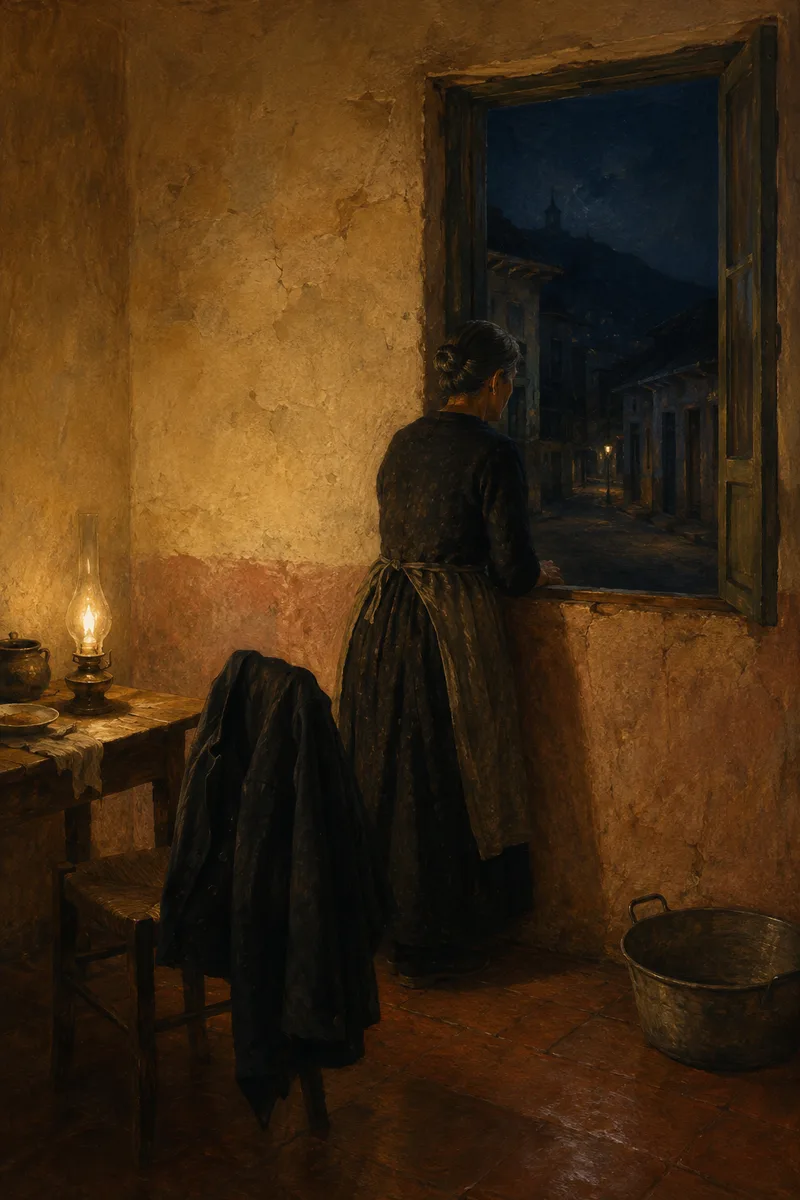
Nobody in the neighbourhood remembers her real name.
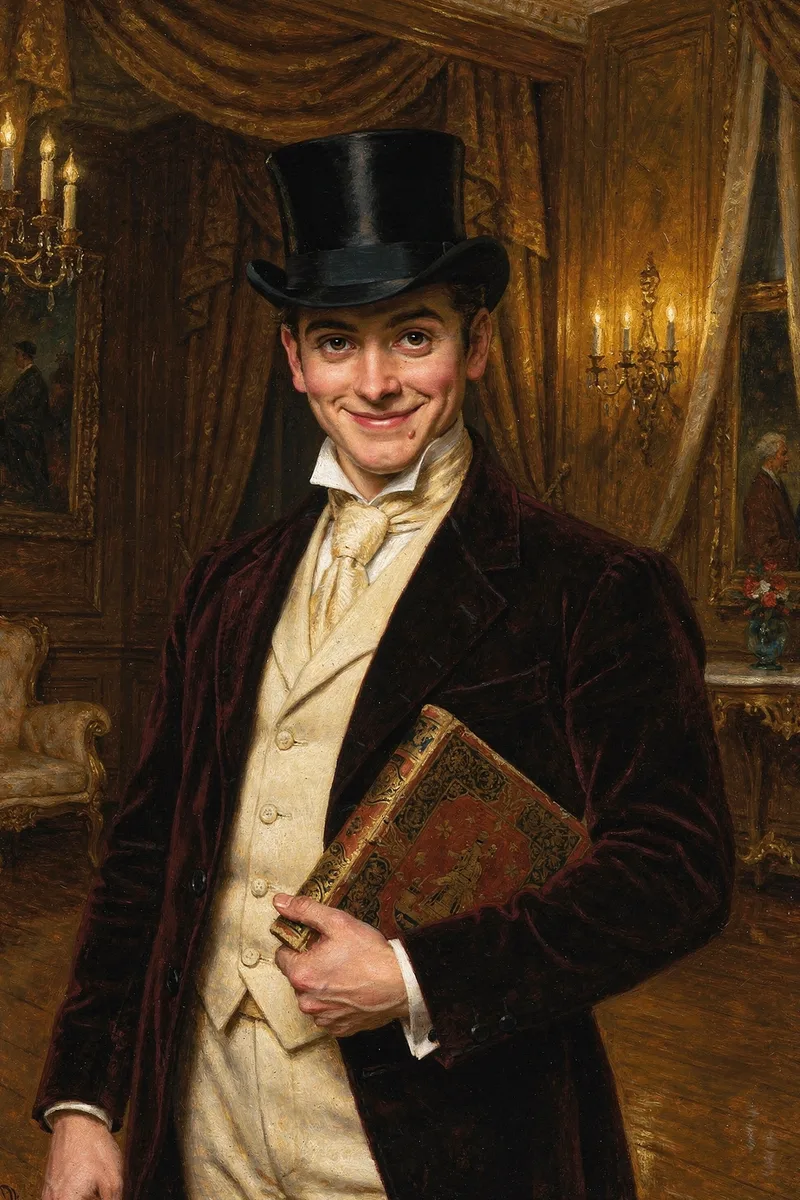
Down to his last coin, Castelo answers a newspaper advertisement seeking a teacher of Javanese — a language of which he does not know a single word.