
The One-Eyed Woman
About this story
Nobody in the neighbourhood remembers her real name. They call her a caolha — the one-eyed woman — after the yellow tear that seeps from the socket where her left eye should be. Her son Antonico inherits the nickname at school, and year by year he withdraws from her: first he kisses only her good cheek, then only her hand, then he decides to move out. Not until the last page does anyone tell him how that eye was lost. Júlia Lopes de Almeida, the most widely read Brazilian woman writer of the Belle Époque, helped plan the Brazilian Academy of Letters and was kept out of its founding membership because she was a woman. From «Ânsia eterna» (1903), her cruellest collection.
By the numbers
About the author
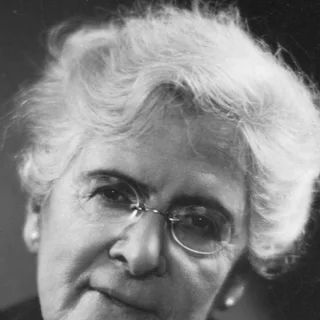
Júlia Lopes de Almeida (1862–1934), born and died in Rio de Janeiro, was the most widely read Brazilian woman writer of the country's Belle Époque, publishing across five decades in novels, chronicles, short stories, children's books and plays, and writing regularly for major papers such as O País, Gazeta de Notícias and Jornal do Commercio. Her fiction, shaped by Zola and Maupassant, includes «A Família Medeiros», «A Viúva Simões» and «A Falência» (1901), generally counted her strongest novel. She was among the intellectuals who planned the Brazilian Academy of Letters but was excluded from its founding membership because she was a woman; her husband, the poet Filinto de Almeida, took chair number 3 instead. «A caolha» belongs to «Ânsia eterna» (H. Garnier, 1903), the collection in which she pushed furthest into cruelty, deformity and the grotesque.
Recognition
the greatest figure among the women novelists of her time
Her work, often praised by contemporaries such as José Veríssimo, was characterised by thematic intensity and violence, especially in her short stories.
«A Caolha» traces a kind of prototype of maternal self-abnegation.
Working from an analysis of Júlia Lopes de Almeida's story «A caolha», we examine the construction of the female body as bound to its sociocultural placement within the limits fixed by the patriarchal system dominant in the context of its production.
Practice typing
Type this retelling one piece at a time — your progress is saved as you go.
If you liked this
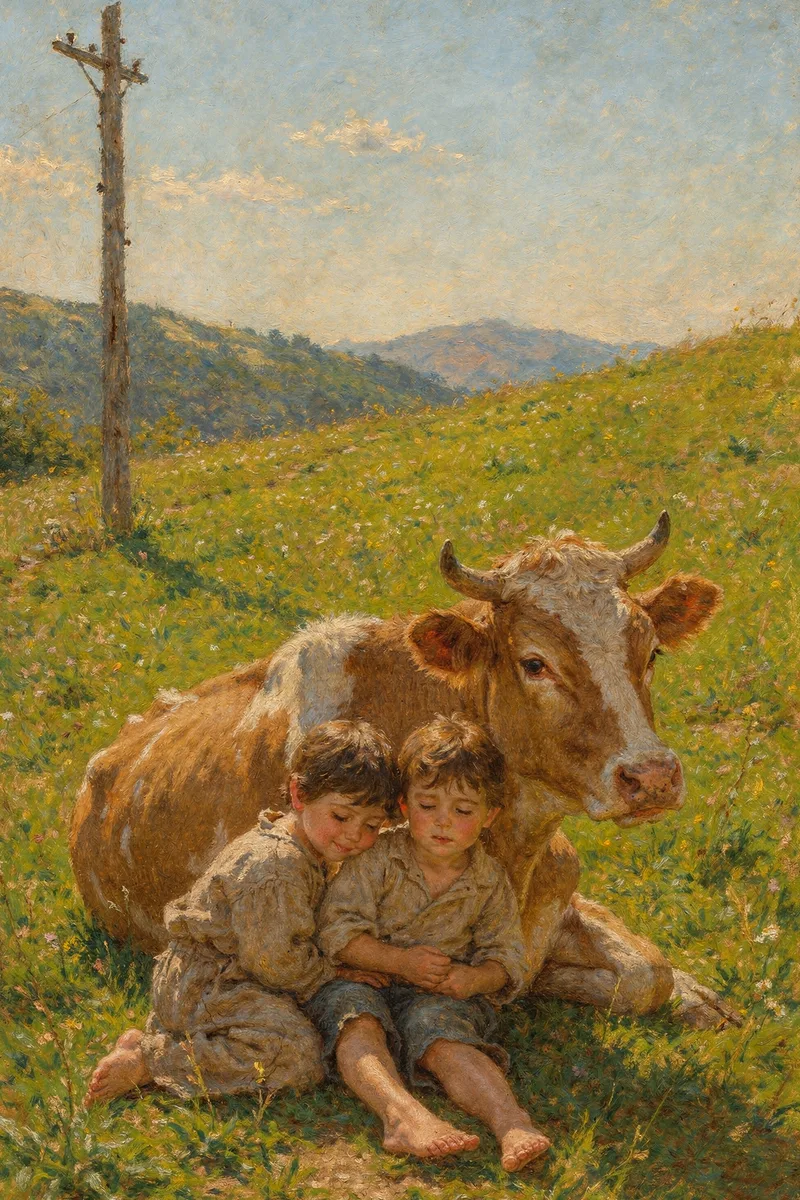
On a green triangular meadow called Somonte, cut at one corner by the Oviedo–Gijón railway, two motherless twins — Rosa and Pinín — and their gentle cow, la Cordera, are inseparable: «always the three of them».
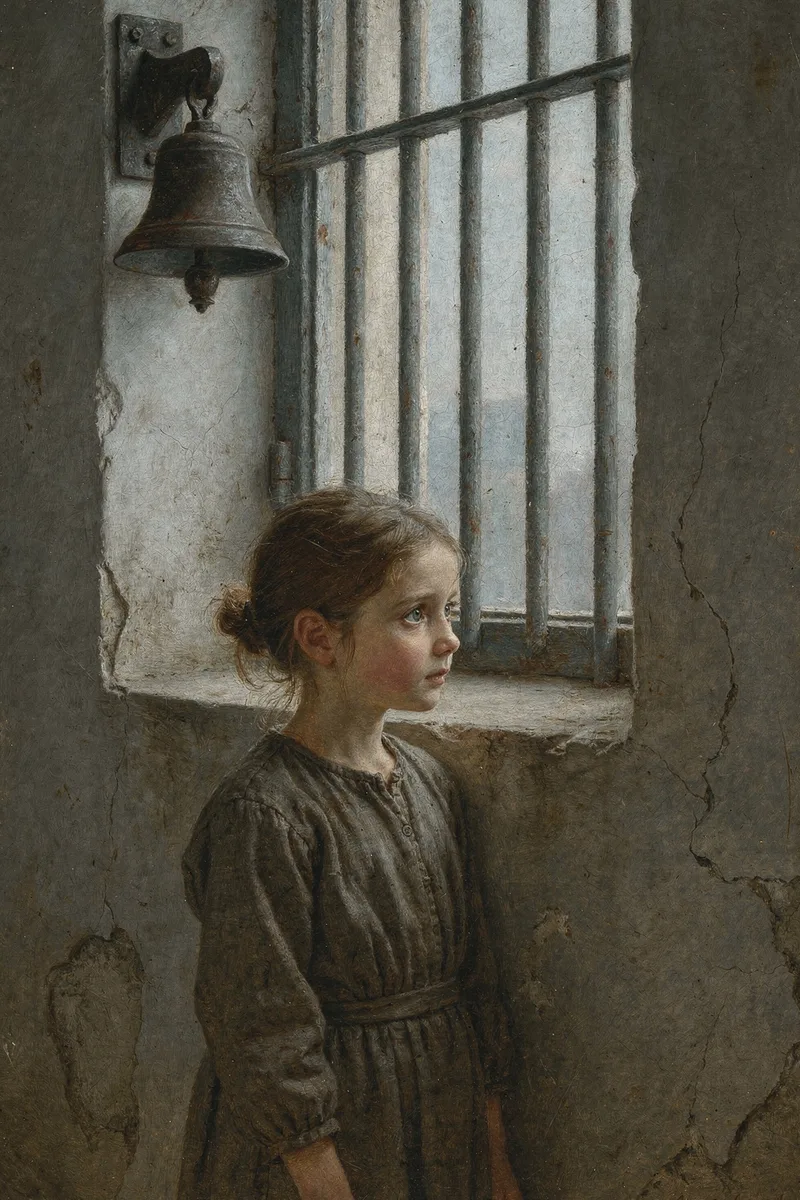
A gifted, songful little village girl is taken into a big-city orphanage-school, where an alien tongue and the merciless clang of the institution's bell close over her like cold water.
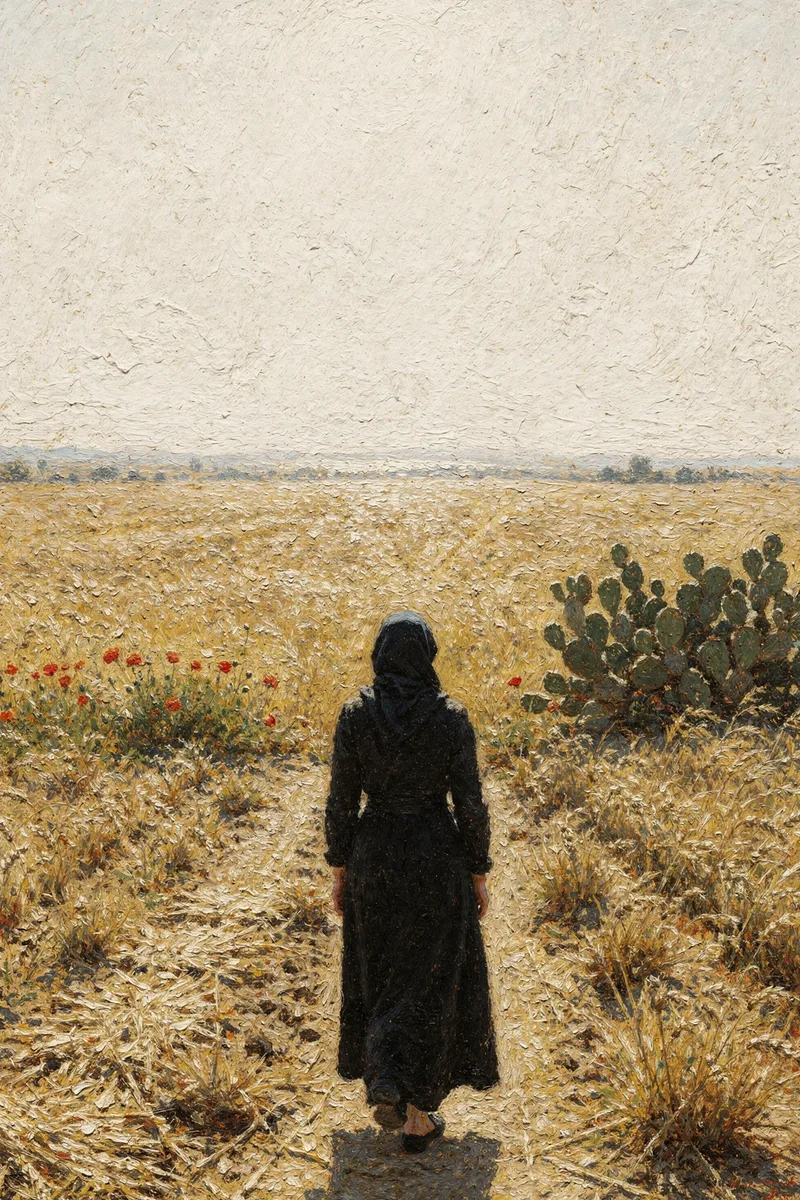
A tall, gaunt woman with lips made to devour whoever looks at her, she is known across her Sicilian village only as the She-Wolf — because nothing on earth can ever sate her.
«There are more things in heaven and earth than are dreamt of in your philosophy.» With Hamlet's words Machado de Assis opens his most famous tale of fate and self-deception.