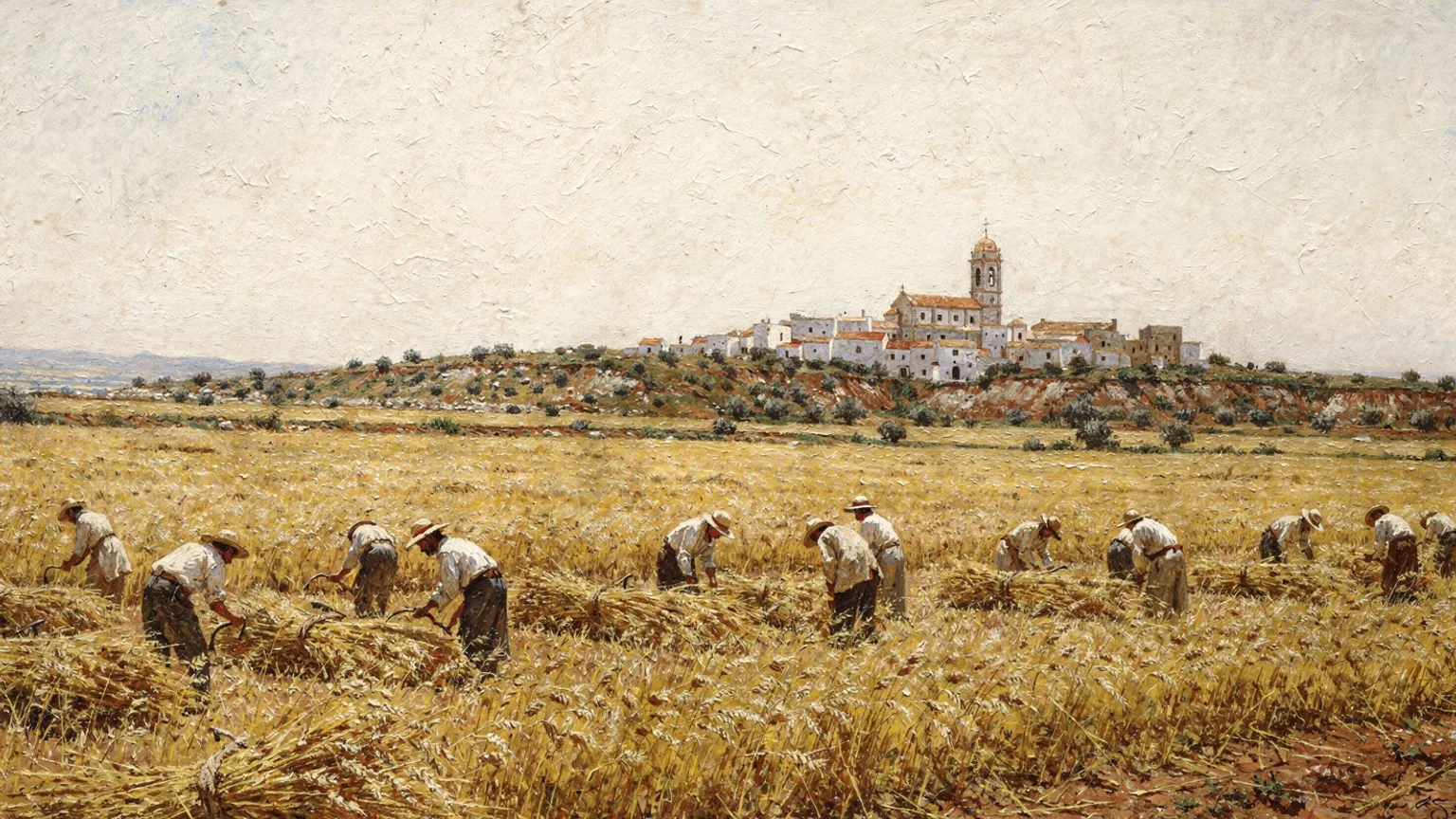
The She-Wolf
About this story
A tall, gaunt woman with lips made to devour whoever looks at her, she is known across her Sicilian village only as the She-Wolf — because nothing on earth can ever sate her. When she conceives an unquenchable passion for young Nanni, freshly home from the army, he wants her daughter instead; so she marries the girl off to him and moves into the same house, the better to hunt him down. What follows is a compressed tragedy of desire, shame and religious dread, driving a tormented man toward the only escape the Sicilian countryside allows. Giovanni Verga — master of Italian verismo and the greatest Italian novelist after Manzoni — distils raw peasant passion into a few merciless, unforgettable pages.
By the numbers
About the author
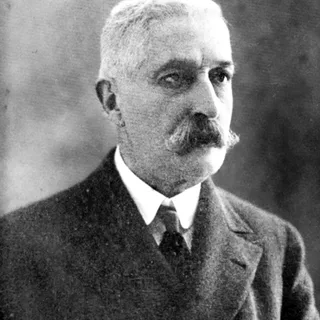
Giovanni Verga (1840–1922) was a Sicilian writer widely regarded as the greatest Italian novelist after Alessandro Manzoni and the foremost exponent of verismo, Italy's variant of literary realism. His signature works include the novels «I Malavoglia» (1881) and «Mastro-don Gesualdo» (1889), along with the short-story collection «Vita dei campi» (1880), which also gave the world «Cavalleria rusticana». «La Lupa» («The She-Wolf») stands among the most celebrated of these stories — a compressed tragedy of raw peasant passion that epitomizes Verga's impersonal, self-effacing narrative technique. He later adapted the tale for the stage, and it went on to inspire operatic and cinematic treatments.
Recognition
At its appearance 'La Lupa' was regarded as so strikingly realistic as to be utterly unlike its predecessors in nineteenth-century Italian fiction.
Vita dei campi is the most celebrated collection of short stories written by Giovanni Verga, both because of its significance in the author's artistic journey and because of the fame of particular stories.
Verga is one of those figures whose shadows, already long, seem unlikely to grow less... the force and magnitude of the original novels impose themselves.
La Lupa neither communicates, nor can she, with any of the characters of the drama.
Practice typing
Type this retelling one piece at a time — your progress is saved as you go.
If you liked this
Nobody in the neighbourhood remembers her real name.
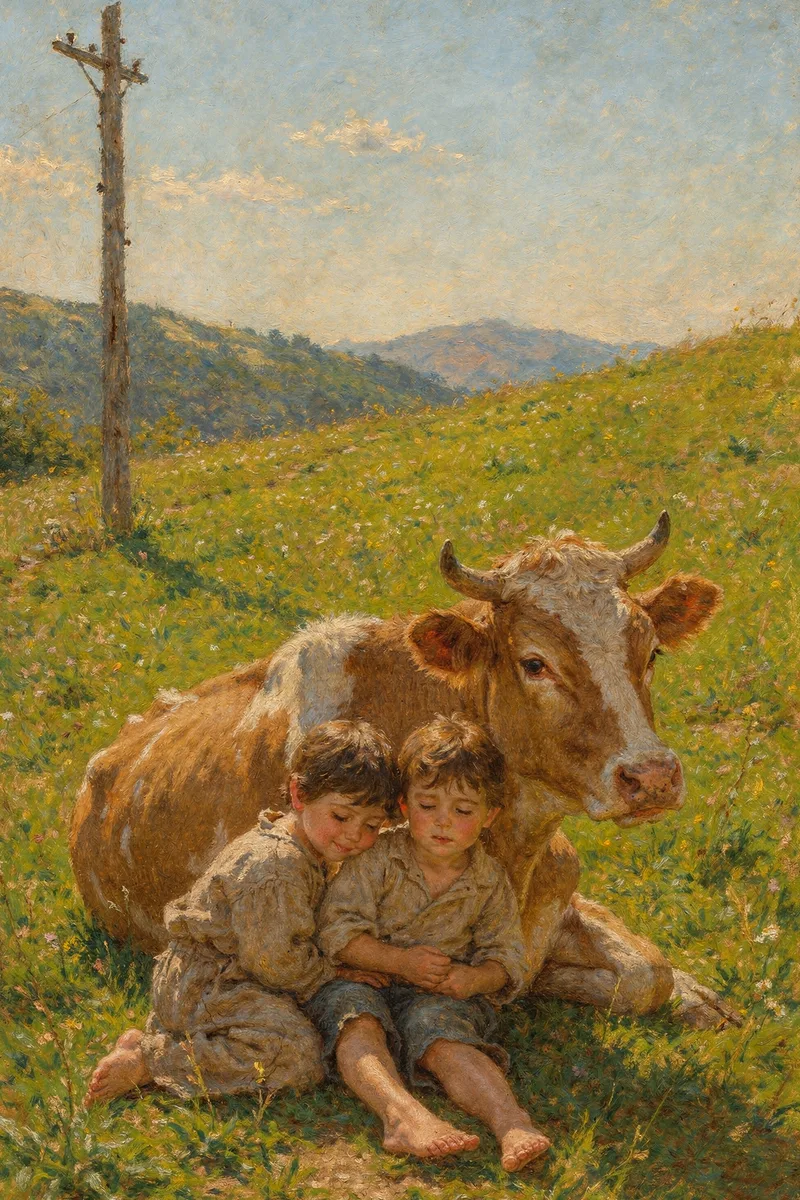
On a green triangular meadow called Somonte, cut at one corner by the Oviedo–Gijón railway, two motherless twins — Rosa and Pinín — and their gentle cow, la Cordera, are inseparable: «always the three of them».
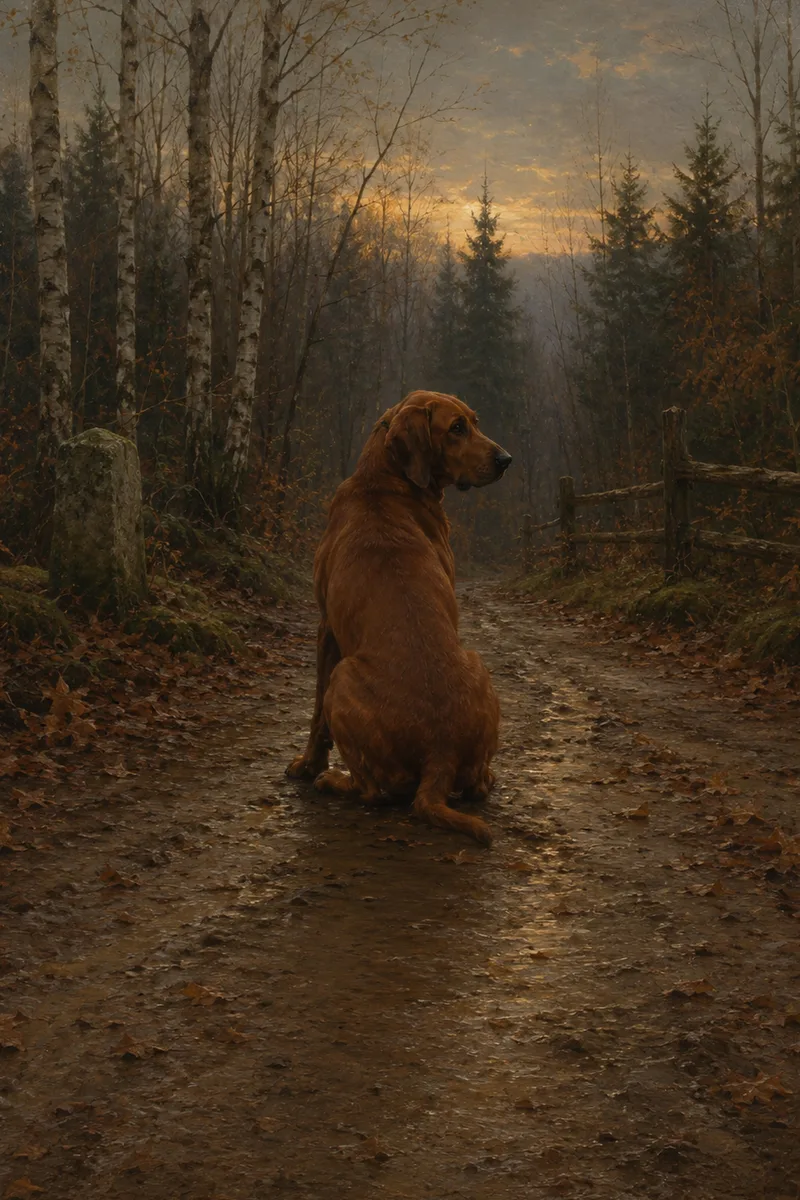
In a Moravian tavern the gamekeeper Hopp trades twelve bottles of cherry brandy for a starved hunting dog of faultless build, marked on the brow with a white line that branches like a fir twig.
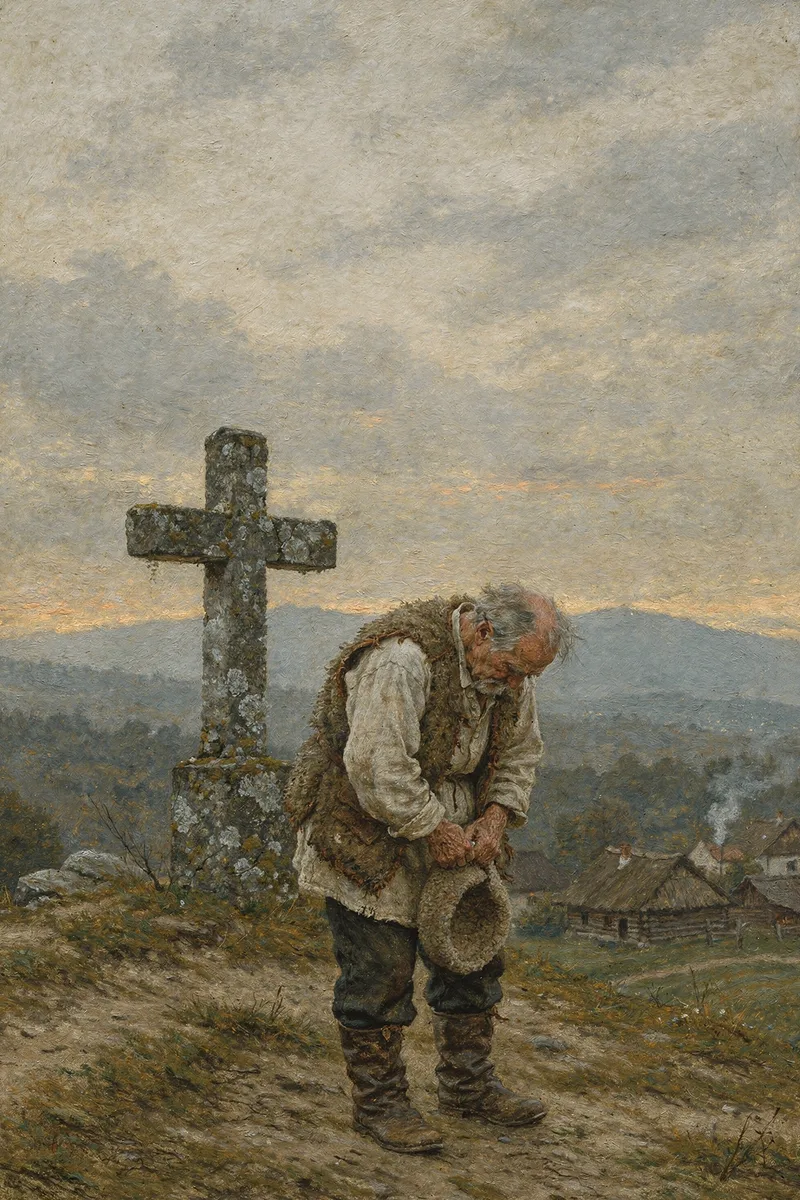
Ivan Didukh has spent his life breaking his back on a worthless sandy hill — the only land he inherited — until he is bent double and the village calls him «the Broken One».