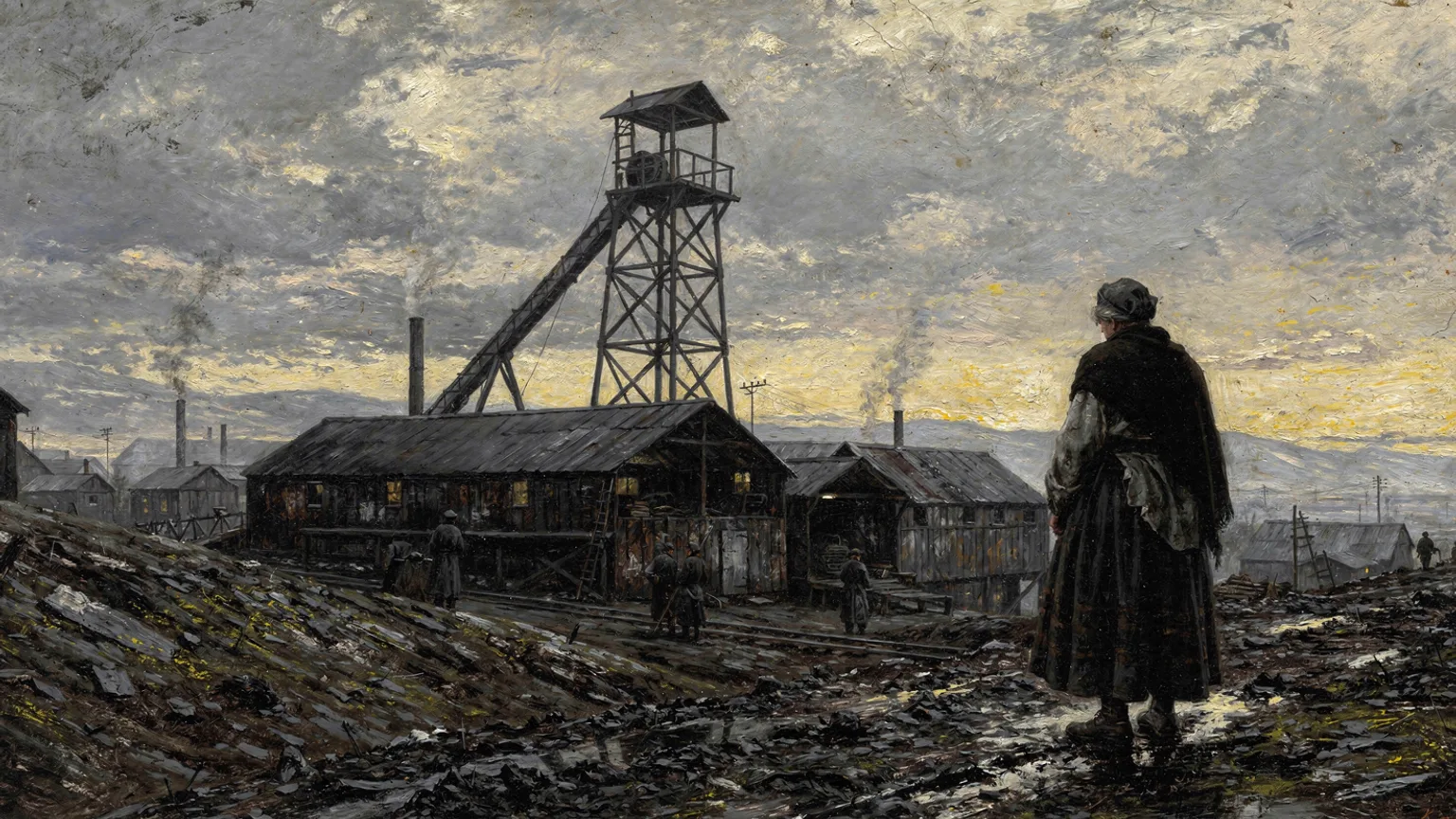
The Devil's Shaft
About this story
In 1904, Baldomero Lillo—the father of Chilean social realism—descended into the coal pits of Lota and came back with “The Devil's Shaft,” the most anthologized story in Chilean literature. On a freezing winter morning, a foreman gives two miners a merciless choice: starve, or take the only jobs left, in a flooded gallery whose rotten timbers everyone knows will one day collapse. Young Cabeza de Cobre goes down; his mother, who has already buried a husband and two sons to the mine, waits above. Written in the fierce tradition of Zola and Dostoevsky, it is a hammer-blow of a story—compassion sharpened into protest, and an ending you will not forget.
By the numbers
About the author
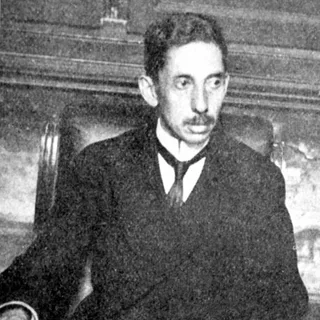
Baldomero Lillo (1867–1923) was a Chilean short-story writer regarded as the father of Chilean social realism. Raised in the coal-mining town of Lota, he worked in a mining-company store and drew directly on the brutal conditions he witnessed underground, transforming them into fiction marked by the influence of Zola, Dostoevsky and Maupassant. His reputation rests chiefly on two collections: Sub terra (1904), eight stories of the Lota coal miners, and Sub sole (1907), thirteen tales of peasant and coastal life. “El Chiflón del Diablo” is the best-known story of Sub terra and one of the most anthologized short stories in Chilean literature, a touchstone of the country's literature of social protest.
Recognition
Sub terra is good and beautiful. Señor Lillo's art is like a defending weapon... Gratitude and applause are owed to the man who, like Señor Lillo, fulfills the sacred mission of defending the humble.
Baldomero Lillo, a realist writer, recorded in meticulous detail the life of the mine worker. His narratives, always charged with great social content, have the intensity of a cry of protest. He is regarded as the father of Chilean social realism.
In 1904, the appearance of Sub terra, a book set in the coal mines of Lota, was significant for the gestation of an alternative consciousness. The volume of eight stories implicitly proposed a broadening of the notion of Spanish-American modernism, deepening—through its vision of the repercussions of the Industrial Revolution—the exploration of national particularity undertaken by nineteenth-century costumbrismo.
Sub terra was a great success, both in critical reception and among readers, the first edition selling out in only three months... It has retained its relevance across a hundred years and is an indispensable source whenever one turns to the subject of coal mining in Chile.
Practice typing
Type this retelling one piece at a time — your progress is saved as you go.
If you liked this
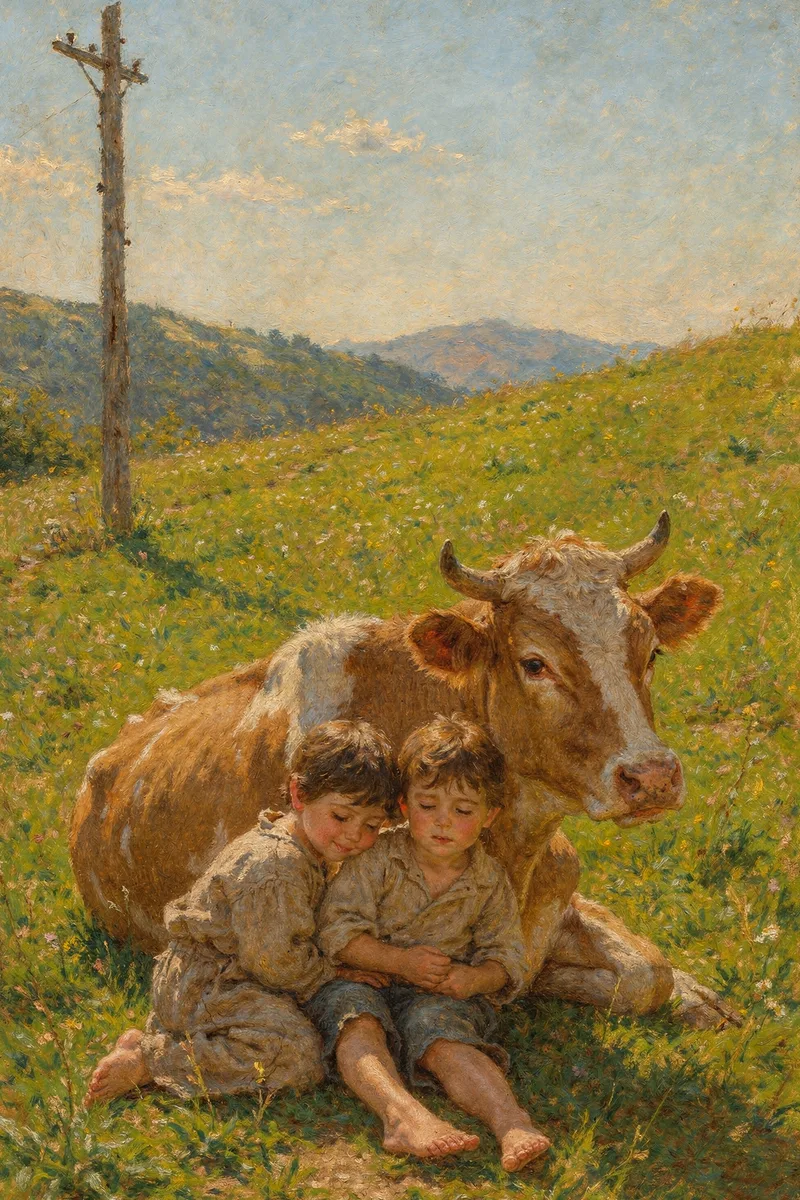
On a green triangular meadow called Somonte, cut at one corner by the Oviedo–Gijón railway, two motherless twins — Rosa and Pinín — and their gentle cow, la Cordera, are inseparable: «always the three of them».
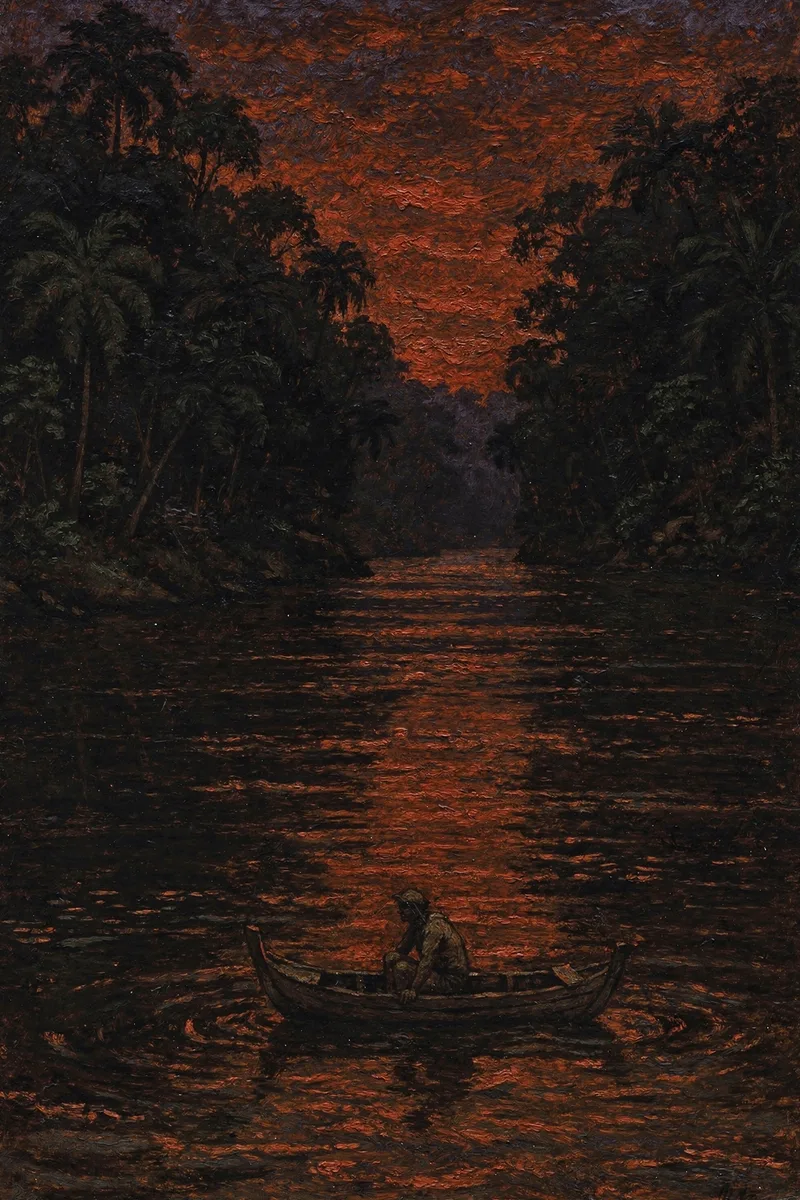
A man steps on something soft in the Misiones jungle and feels the fangs of a snake close on his foot.
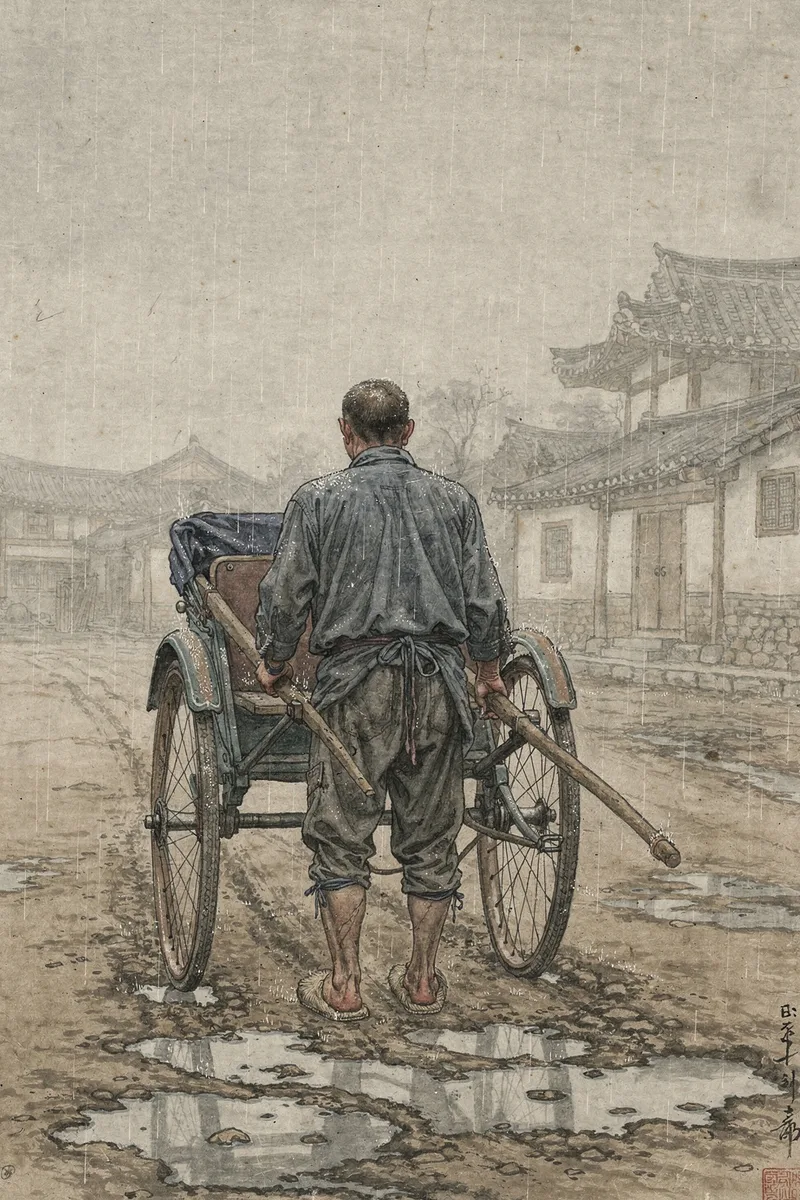
On a raw, drizzling winter day, Kim Cheom-ji — a rickshaw man scraping by outside Dongso Gate — is having the luckiest run of his life.
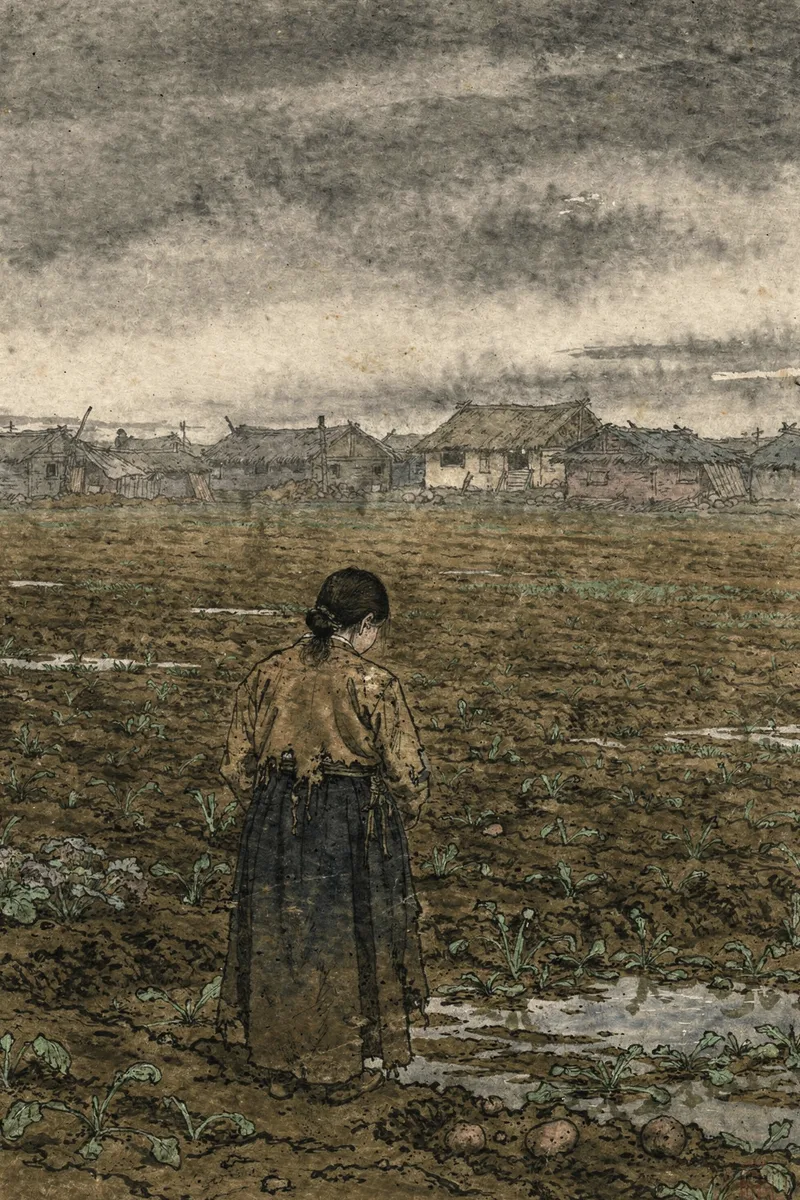
Born to a poor but honest farming family, Boknyeo is sold in marriage at fifteen and drifts, step by step, into the slums of colonial-era Pyongyang, where hunger rewrites every rule she was raised to obey.