Drifting
About this story
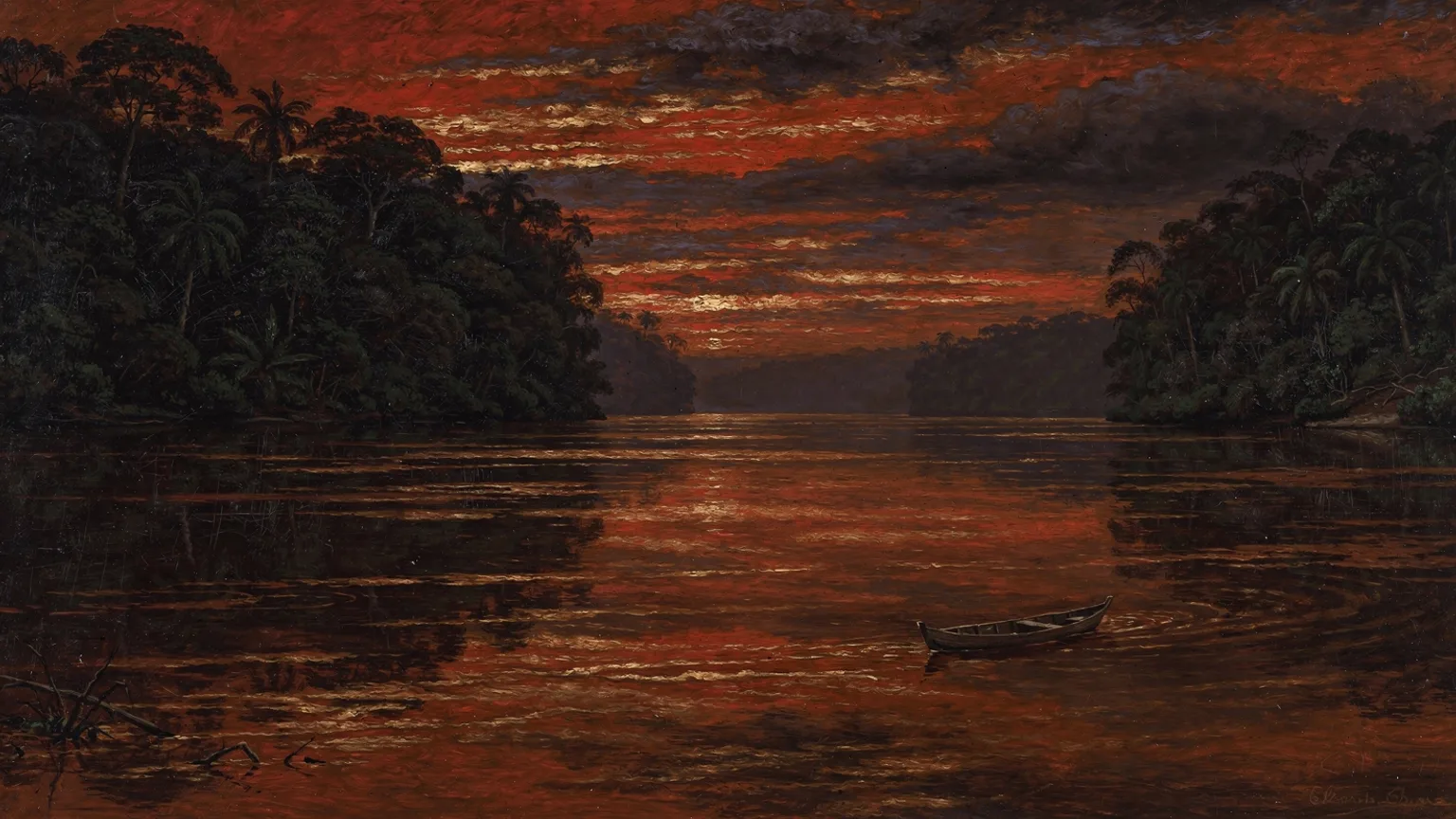
A man steps on something soft in the Misiones jungle and feels the fangs of a snake close on his foot. Within minutes Paulino's leg is a monstrous, throbbing mass, and he drags his canoe into the Paraná to let the great river carry him downstream toward help — racing a venom that will not wait, while the sky, the water and his own failing body drift with terrible calm toward the end. In barely a thousand words Horacio Quiroga, the master of the Latin American short story and the «Poe of the River Plate», compresses an entire life's reckoning with nature and death. A model of narrative economy that taught Cortázar and García Márquez how a story should end.
By the numbers
About the author
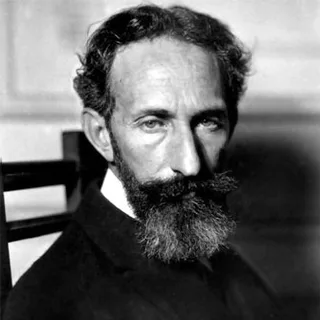
Horacio Quiroga (1878–1937), born in Salto, Uruguay, is regarded as the master of the Spanish-American short story and the writer who brought the form to maturity. A devoted reader of Poe, Maupassant, Kipling and Chekhov, he set his finest tales in the subtropical jungle of Misiones, on the Argentine frontier, where he settled and where nature appears as a beautiful, indifferent and deadly force. His major collections — «Cuentos de amor de locura y de muerte» (1917), «Cuentos de la selva» (1918) and «Los desterrados» (1926) — and his famous «Decálogo del perfecto cuentista» shaped generations of writers, among them Julio Cortázar and Gabriel García Márquez. Beset by tragedy his whole life, he took his own life in Buenos Aires in 1937.
Recognition
Quiroga's is an art that speaks to us clearly and passionately, charged with the emotion of his jungle setting. His vision is fresh, intense, dramatic. He seems caught up in it, and so are we.
Horacio Quiroga is perhaps one of the finest short-story writers of Spanish America.
His imaginative portrayal of the struggle of humans and animals to survive in the tropical jungle earned Quiroga recognition as a master of the short story; he is considered the father of the modern Latin American short story.
He was one of the masters of the Latin American short story, with vivid, naturalistic and modernist prose; he has been compared to the American writer Edgar Allan Poe.
Practice typing
Type this retelling one piece at a time — your progress is saved as you go.
If you liked this
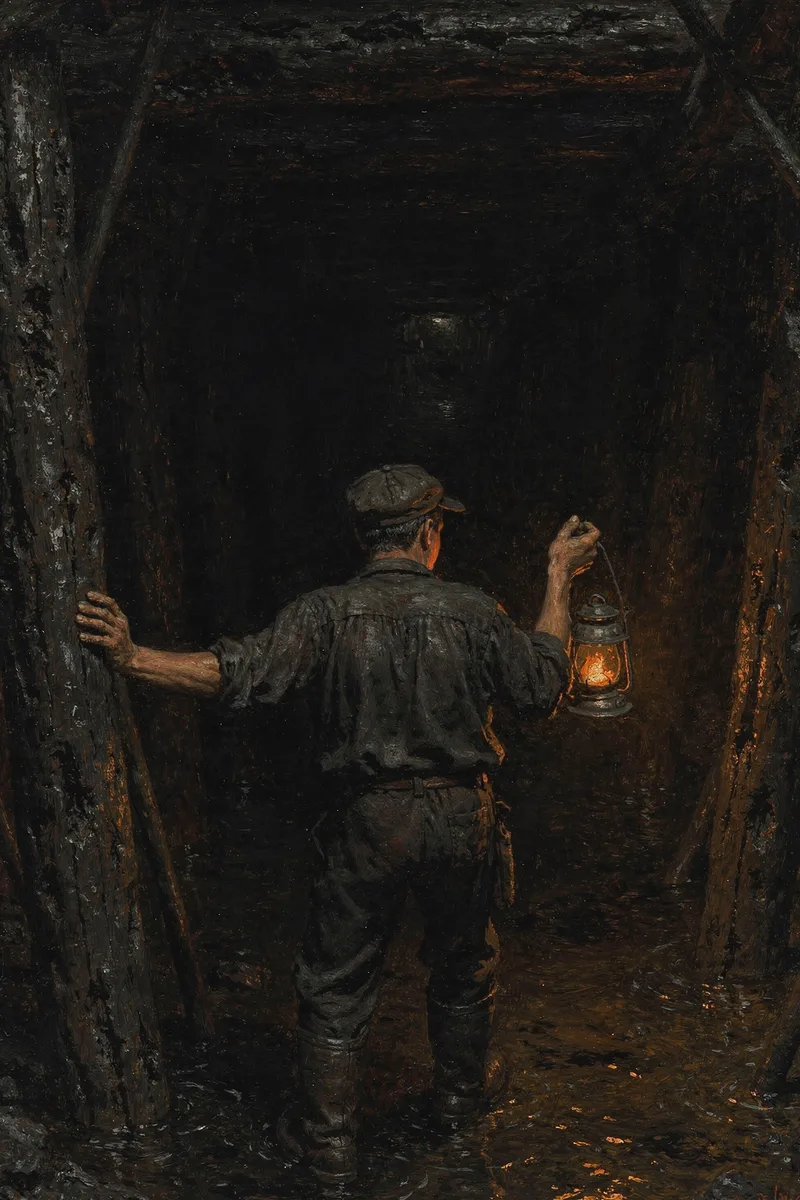
In 1904, Baldomero Lillo—the father of Chilean social realism—descended into the coal pits of Lota and came back with “The Devil's Shaft,” the most anthologized story in Chilean literature.
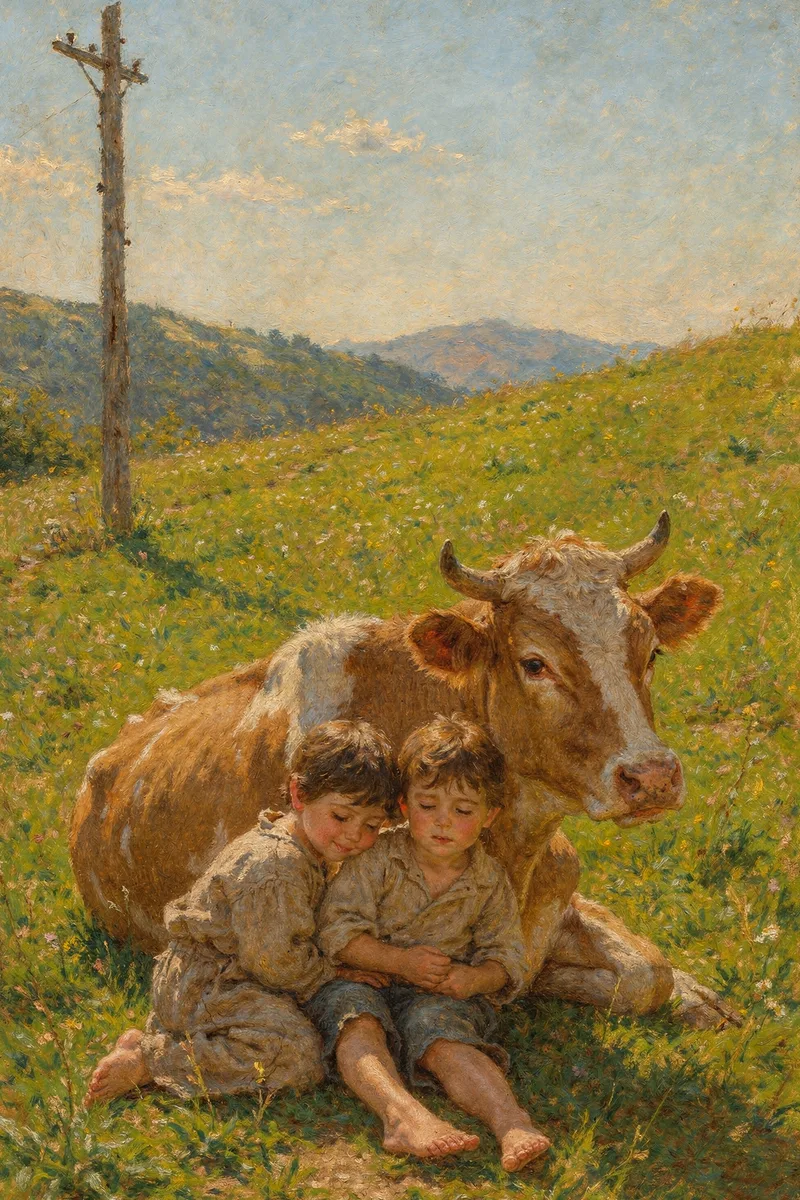
On a green triangular meadow called Somonte, cut at one corner by the Oviedo–Gijón railway, two motherless twins — Rosa and Pinín — and their gentle cow, la Cordera, are inseparable: «always the three of them».
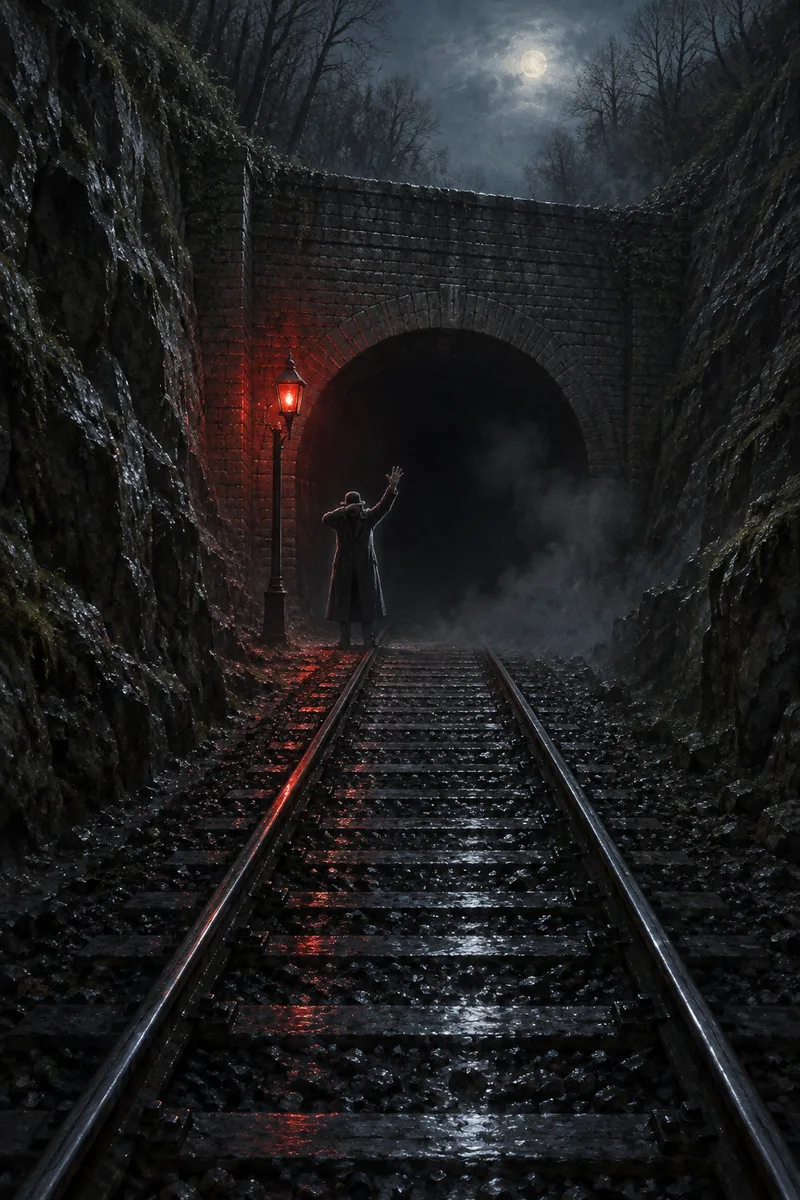
At the bottom of a damp railway cutting, beside the black mouth of a tunnel, a lonely signalman keeps watch over the line — and over a figure no one else can see.
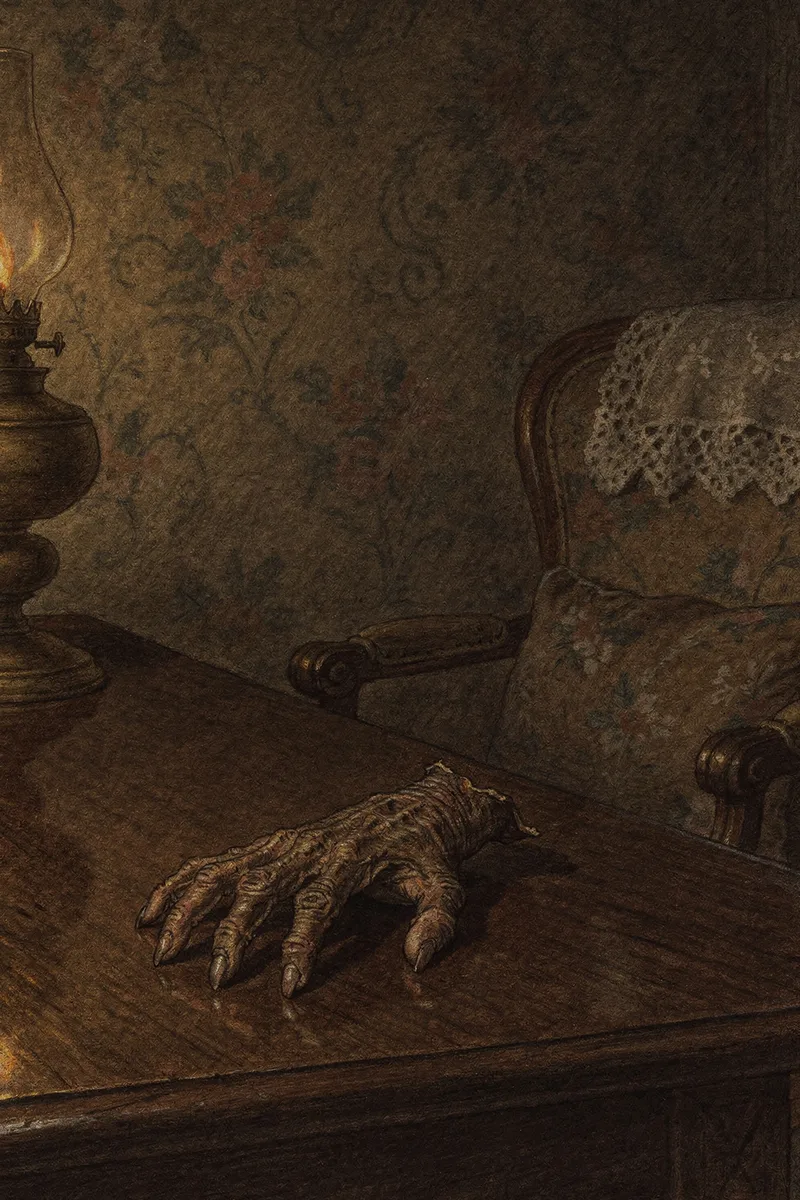
A dried, mummified talisman carried home from India promises three wishes to whoever holds it — but the old fakir who cursed it meant to prove that fate rules our lives, and that those who meddle with it do so to their sorrow.