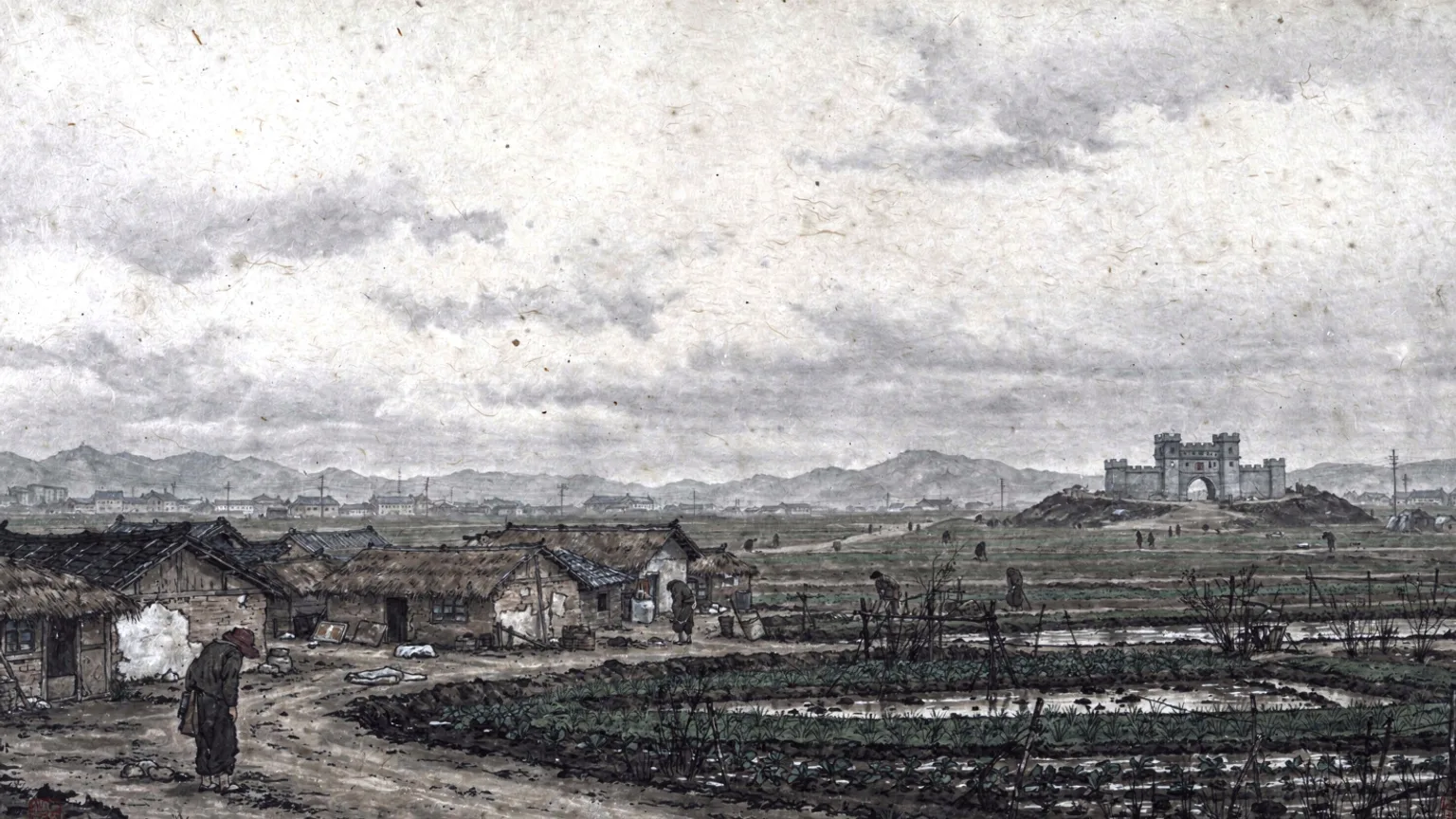
Potato
About this story
Born to a poor but honest farming family, Boknyeo is sold in marriage at fifteen and drifts, step by step, into the slums of colonial-era Pyongyang, where hunger rewrites every rule she was raised to obey. Kim Dong-in’s 1925 story is a cornerstone of Korean naturalism: a cold, unsparing portrait of how poverty erodes conscience until a single potato — and the choices it forces — can decide a life. Spare, gritty, and morally merciless, it broke Korean fiction free of didactic moralizing and remains one of the most anthologized short stories in the language.
By the numbers
About the author

Kim Dong-in (1900–1951) was a Korean short-story writer and a pioneer of realism and naturalism in modern Korean literature. Born to a wealthy Pyongyang family and educated in Japan, in 1919 he co-founded «Changjo» (Creation), the first Korean literary journal devoted to «art for art’s sake», and championed the autonomy of literature against the didactic, enlightenment fiction of Yi Kwang-su. His terse, objective, unsentimental style — seen in stories such as «Potato» (1925) and «The Sonata of Fire» (1930) — reshaped Korean fiction, and Korea’s foremost literary prize, the Dong-in Literary Award, is named in his honour.
Recognition
«Potato» is noted for the author’s use of realism and a deterministic viewpoint to defy traditional morality and the didactic use of literature advocated by Yi Kwang-su’s enlightenment movement — a breakthrough in Korean realist fiction.
Kim Tongin’s literary achievements had important literary-historical significance, leading to the establishment of modern Korean fiction and its rapid popularization.
Kim is noted for his «realist/naturalist» style; the stories concern themselves with ordinary people and many of them are very gritty, illuminating what must be for most readers a largely unknown period of East Asian history.
«Sweet Potato» features yet another of Kim’s fallen women, one who embraces her fate and is destroyed by her decision to place money above morals — once again watched over by an indifferent, lazy husband.
Practice typing
Type this retelling one piece at a time — your progress is saved as you go.
If you liked this
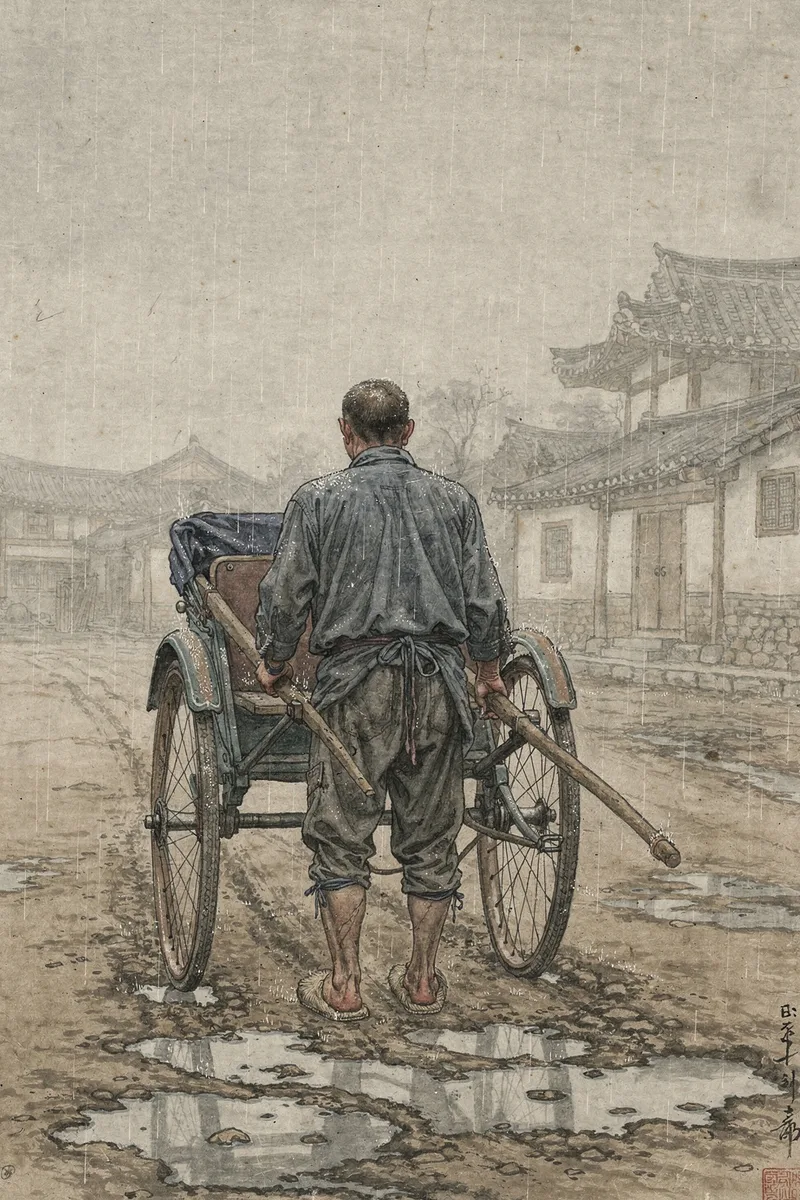
On a raw, drizzling winter day, Kim Cheom-ji — a rickshaw man scraping by outside Dongso Gate — is having the luckiest run of his life.
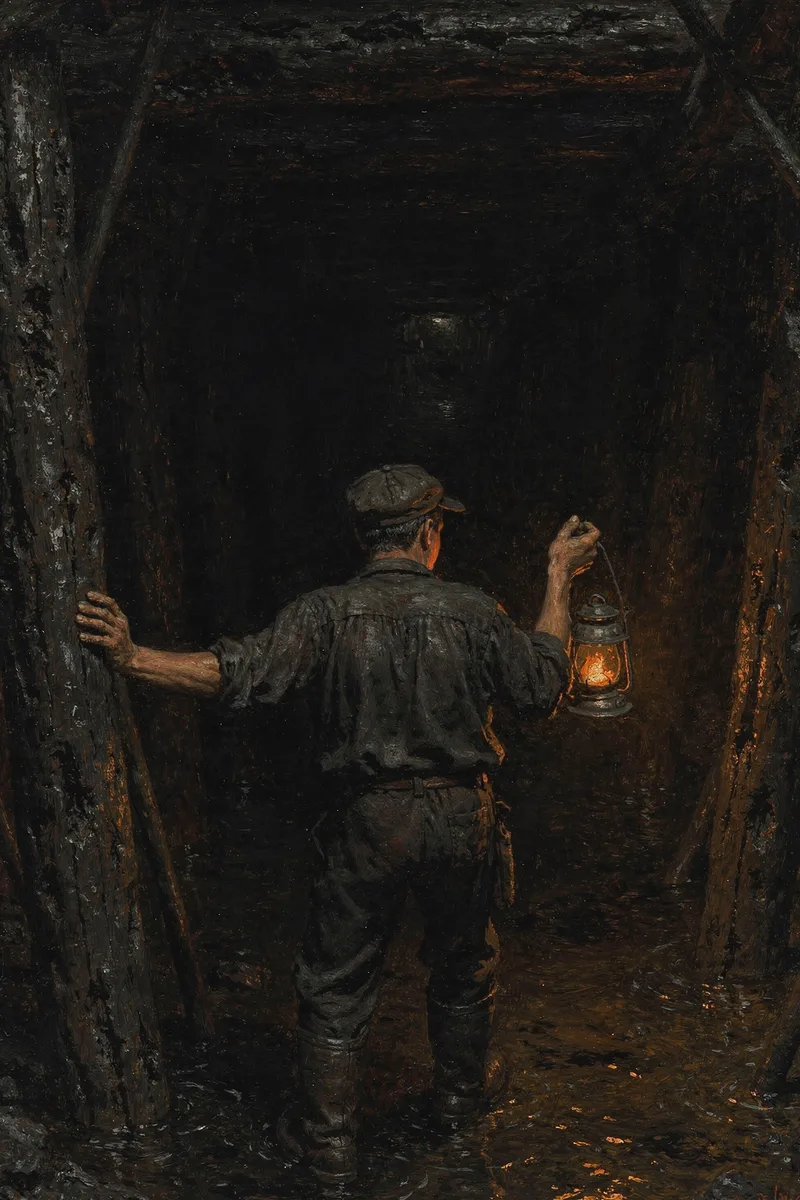
In 1904, Baldomero Lillo—the father of Chilean social realism—descended into the coal pits of Lota and came back with “The Devil's Shaft,” the most anthologized story in Chilean literature.
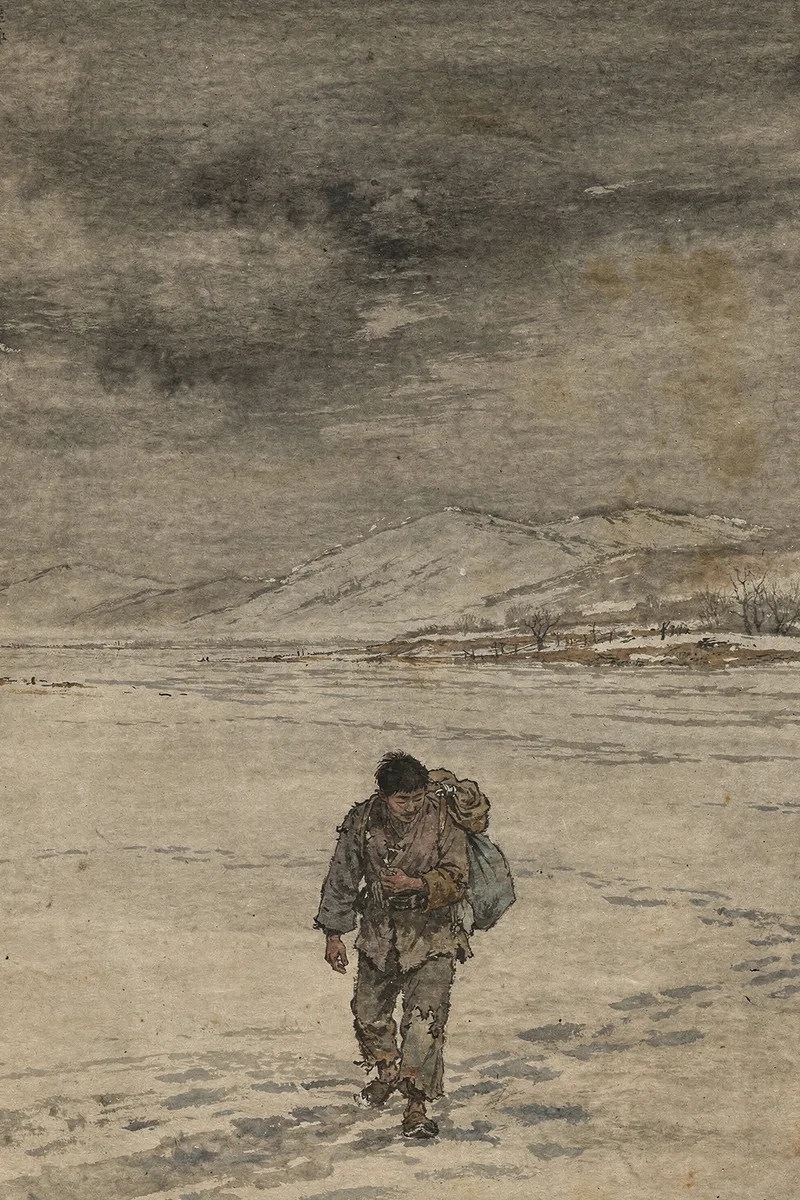
Written as a letter from a young man to the friend who begs him to come home, «Escape» lays bare the grinding poverty of Korean émigrés scraping a living in 1920s Manchuria — the hunger, the humiliations, the slow starving of hope.
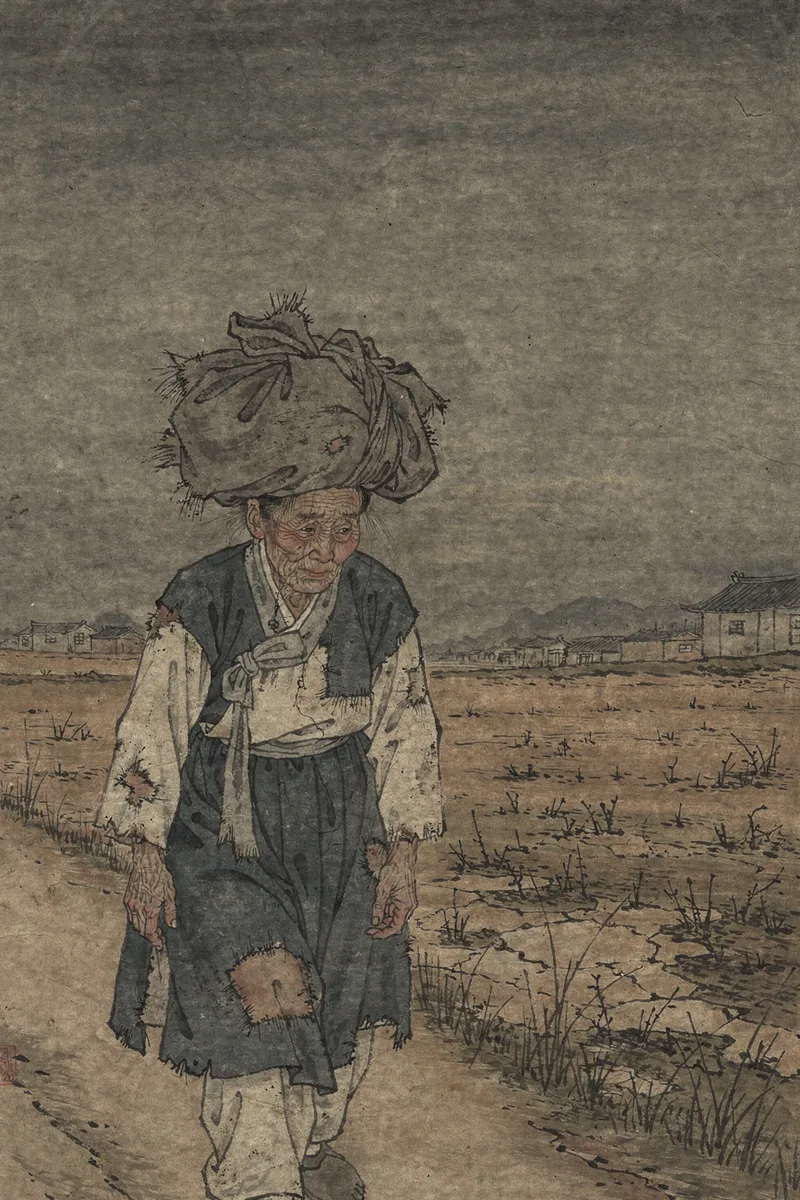
In a starving village under Japanese colonial rule, an old woman known only as the grandmother of Maechon wears herself ragged to carry her two daughters-in-law through hunger, cold, and childbirth.