Krambambuli
About this story
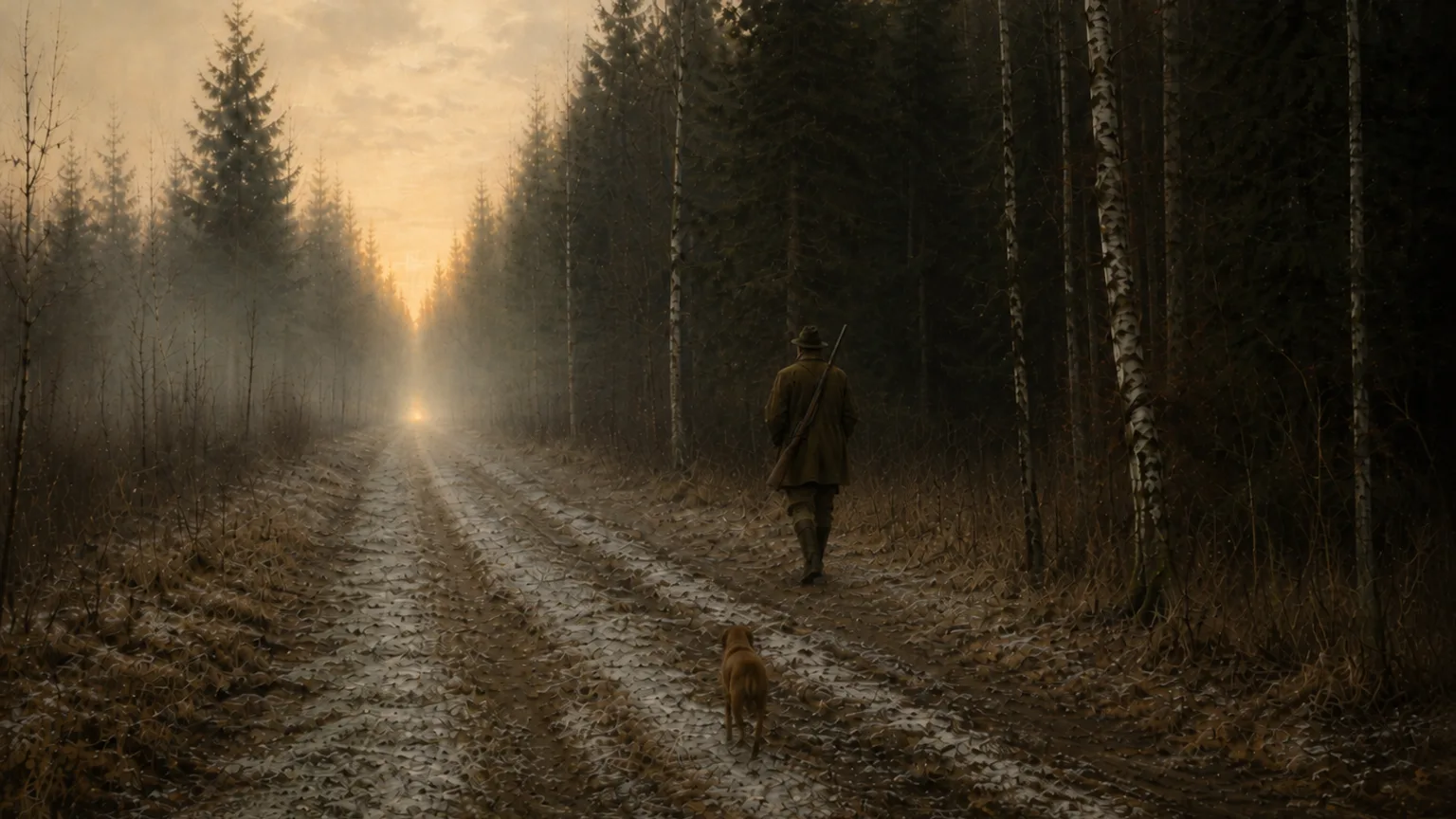
In a Moravian tavern the gamekeeper Hopp trades twelve bottles of cherry brandy for a starved hunting dog of faultless build, marked on the brow with a white line that branches like a fir twig. Two years of beatings and devotion later, the head forester is found murdered under a wreath of linden blossom — and on the killer's trail the dog scents someone it once loved. Everything narrows to one path through the woods, two raised guns, and an animal called from both sides at once. Marie von Ebner-Eschenbach, the foremost German-language woman writer of the nineteenth century, published the story in her 1883 «Dorf- und Schlossgeschichten»; Paul Heyse anthologised it, Reich-Ranicki set it in his German canon, and Austrian schools have never let it go.
By the numbers
About the author
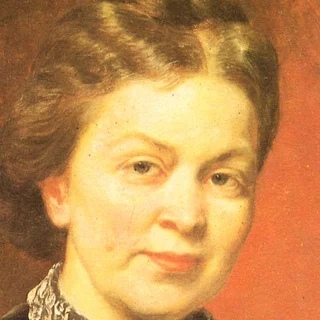
Marie von Ebner-Eschenbach (1830–1916), born Countess Dubský at Zdislavice in Moravia, is generally counted the most important German-language woman writer of the nineteenth century and, alongside Ferdinand von Saar, a central figure of Austrian poetic realism. She began as a dramatist who wanted to become «the Shakespeare of the nineteenth century» and found her real form only after fifty: the volume «Aphorismen» (1880), the collection «Dorf- und Schlossgeschichten» (1883), and the novels «Das Gemeindekind» (1887) and «Unsühnbar» (1890). In 1900 she became the first woman to receive an honorary doctorate from the University of Vienna. «Krambambuli», published in the 1883 «Dorf- und Schlossgeschichten», is the story that carried her name furthest: Paul Heyse took it into the «Neuer deutscher Novellenschatz», Marcel Reich-Ranicki later placed it in his canon of German fiction, and it has never left Austrian school reading lists.
Recognition
Where do we find human sympathy ethically and artistically more refined than in her little masterpiece Krambambuli, the story of a dog with spotless pedigree who, like Rüdiger in the Nibelungen, perishes in the vain attempt to serve two masters?
One of the most anthologized, adapted, and translated stories about the deep connection between a human and a dog.
The most beautiful dog story of all […] was written, after all, by her alone, in «Krambambuli».
Ebner-Eschenbach has survived into the school readers of our own day above all through her novellas «Er laßt die Hand küssen», «Die Spitzin» and, of course, «Krambambuli», the apotheosis of canine loyalty.
Practice typing
Type this retelling one piece at a time — your progress is saved as you go.
If you liked this
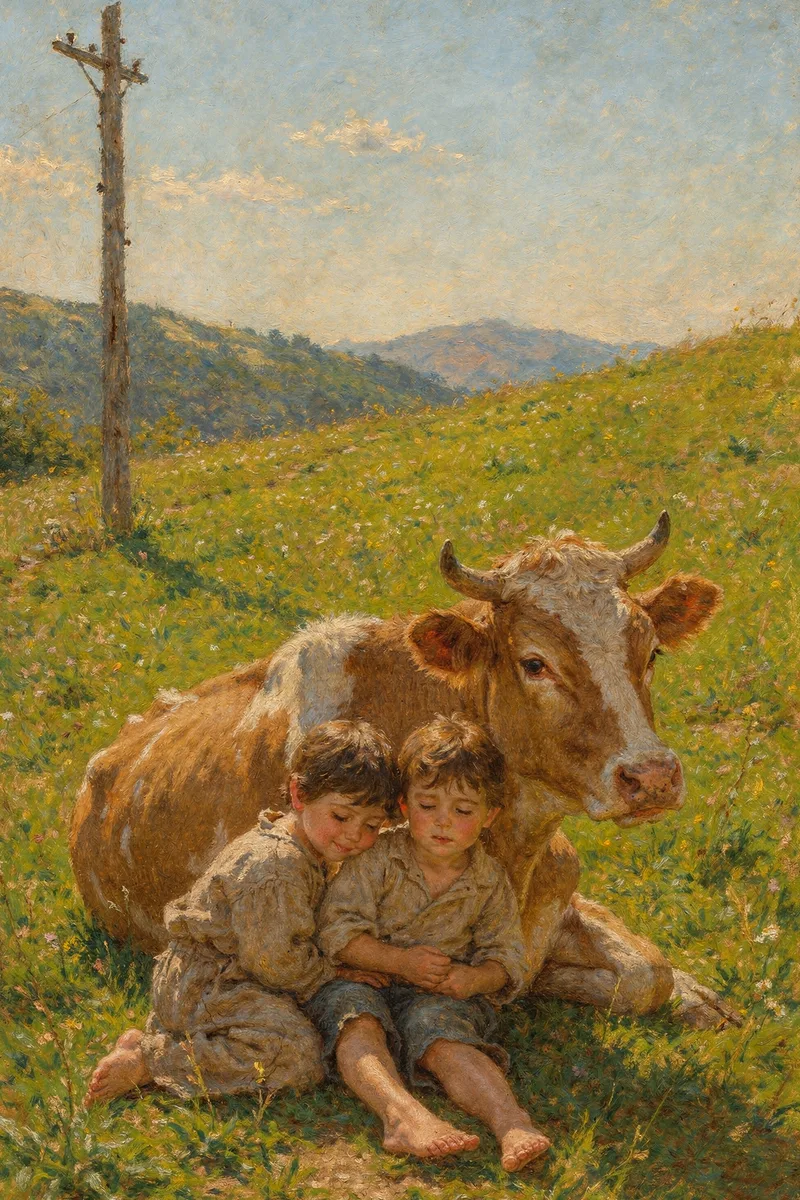
On a green triangular meadow called Somonte, cut at one corner by the Oviedo–Gijón railway, two motherless twins — Rosa and Pinín — and their gentle cow, la Cordera, are inseparable: «always the three of them».
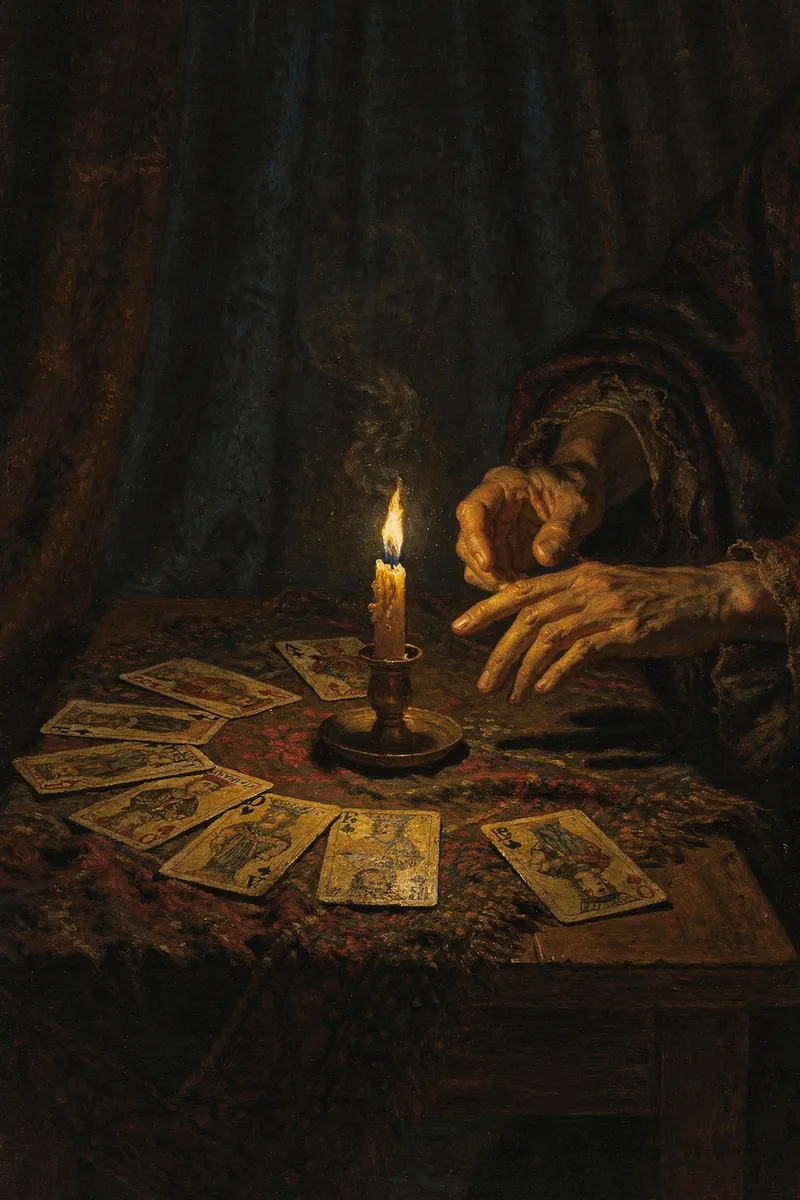
«There are more things in heaven and earth than are dreamt of in your philosophy.» With Hamlet's words Machado de Assis opens his most famous tale of fate and self-deception.
A tall, gaunt woman with lips made to devour whoever looks at her, she is known across her Sicilian village only as the She-Wolf — because nothing on earth can ever sate her.
In a sleepy provincial town, Maria da Piedade is held up by all as the model of virtue — a lovely young wife who has poured her whole life into nursing an invalid husband and their frail children, never once complaining.