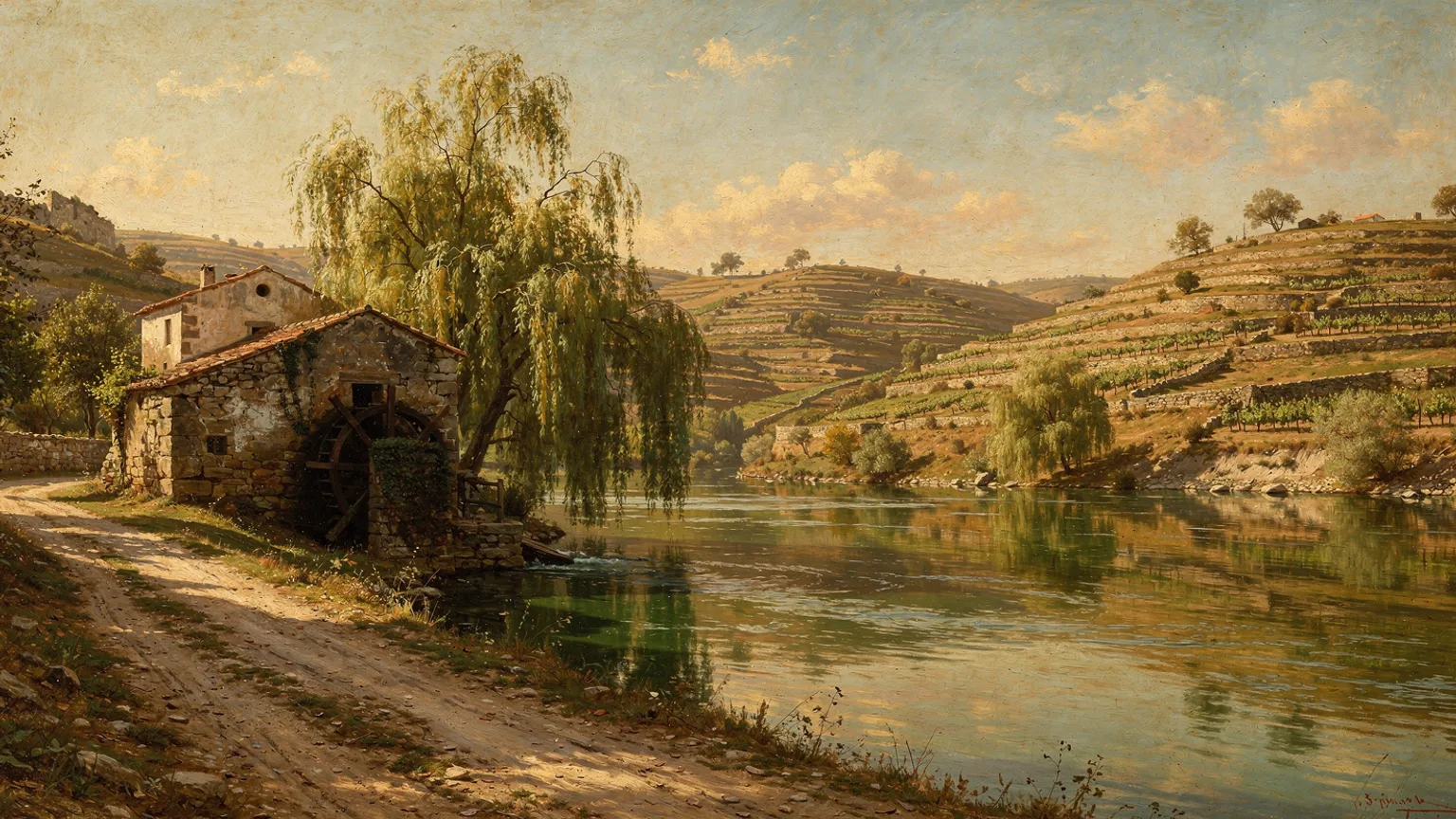
At the Mill
About this story
In a sleepy provincial town, Maria da Piedade is held up by all as the model of virtue — a lovely young wife who has poured her whole life into nursing an invalid husband and their frail children, never once complaining. Then a cousin comes to stay, and the walks up to an old watermill in the hills begin to stir something long buried. Eça de Queirós, the master of Portuguese realism, traces how a blameless heart is worn down, grain by grain, with a tenderness that never looks away, until it can resist no longer.
By the numbers
About the author
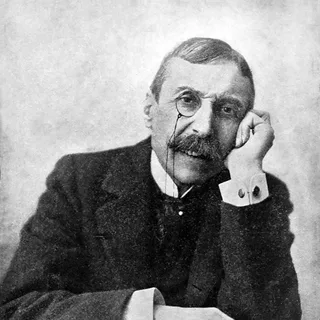
José Maria de Eça de Queirós (1845–1900) was the foremost Portuguese novelist of the nineteenth century, the writer who brought Realism and Naturalism into Portuguese letters and wielded fiction as an instrument of social criticism. His major novels — O Crime do Padre Amaro (1876), O Primo Basílio (1878) and, above all, Os Maias (1888), widely held to be his masterpiece — anatomise the society of his age with mordant irony. He spent his later years as Portuguese consul in Bristol, Newcastle and Paris, where he died in 1900. 'Singularidades de uma Rapariga Loura,' written for a subscribers' gift edition of the Diário de Notícias and published in 1874, is generally described as the first Portuguese Realist short story and an early display of the ironic, anti-Romantic manner that would define his novels.
Recognition
Portugal's greatest novelist.
The clear, spirited pleasure Eça takes in describing all that he enjoys gives his fiction an underlying buoyancy.
The realist author, then, seems to issue us a warning, in a possible «moral of the story», about the fate of idealizers and «incorrigible romantics»: inevitable degeneration.
Through an analysis of the character's trajectory, the study seeks to relate the construction of her fictional character to the social conditions of women in the nineteenth century.
Practice typing
Type this retelling one piece at a time — your progress is saved as you go.
If you liked this

In a Moravian tavern the gamekeeper Hopp trades twelve bottles of cherry brandy for a starved hunting dog of faultless build, marked on the brow with a white line that branches like a fir twig.
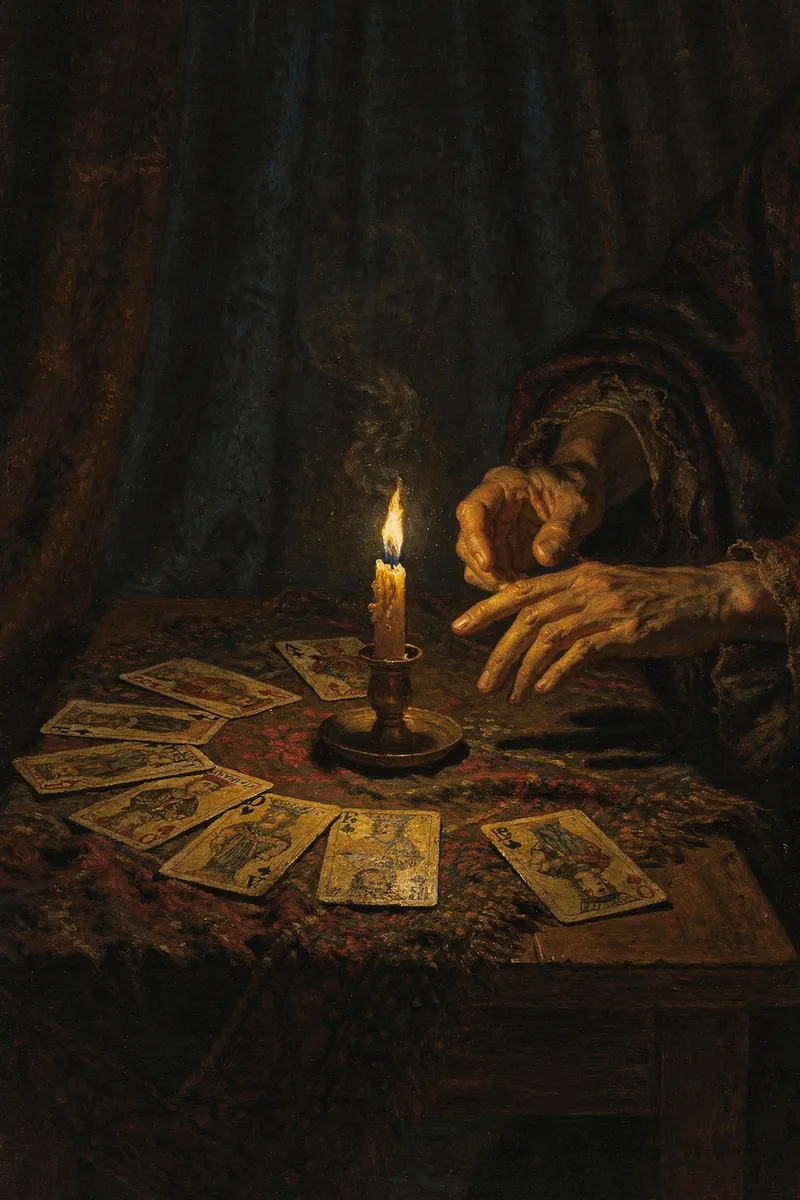
«There are more things in heaven and earth than are dreamt of in your philosophy.» With Hamlet's words Machado de Assis opens his most famous tale of fate and self-deception.
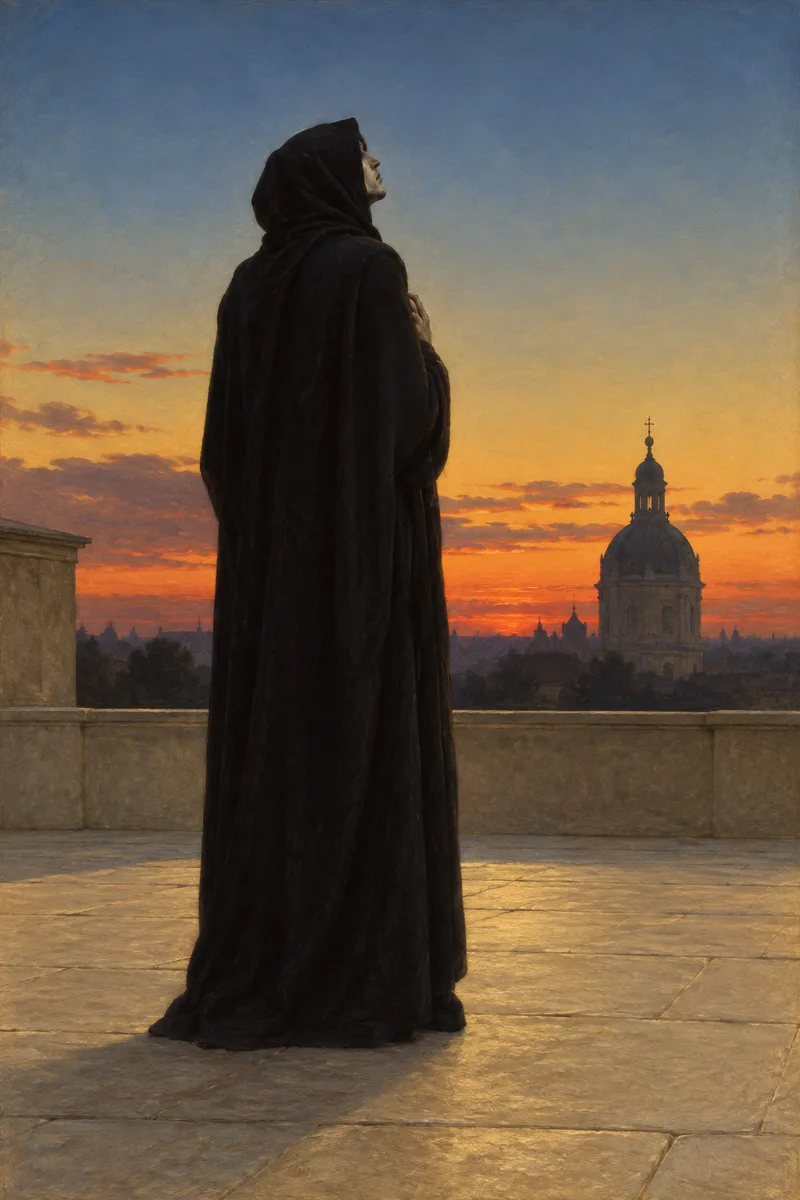
Munich is shining under a silk-blue June sky, and the crowd outside Blüthenzweig’s art shop keeps drifting back to a photograph in the window: a Madonna with bare shoulders and a heavy, sensual gaze, painted, the gossip goes, from the artist’s sweetheart, a little milliner.
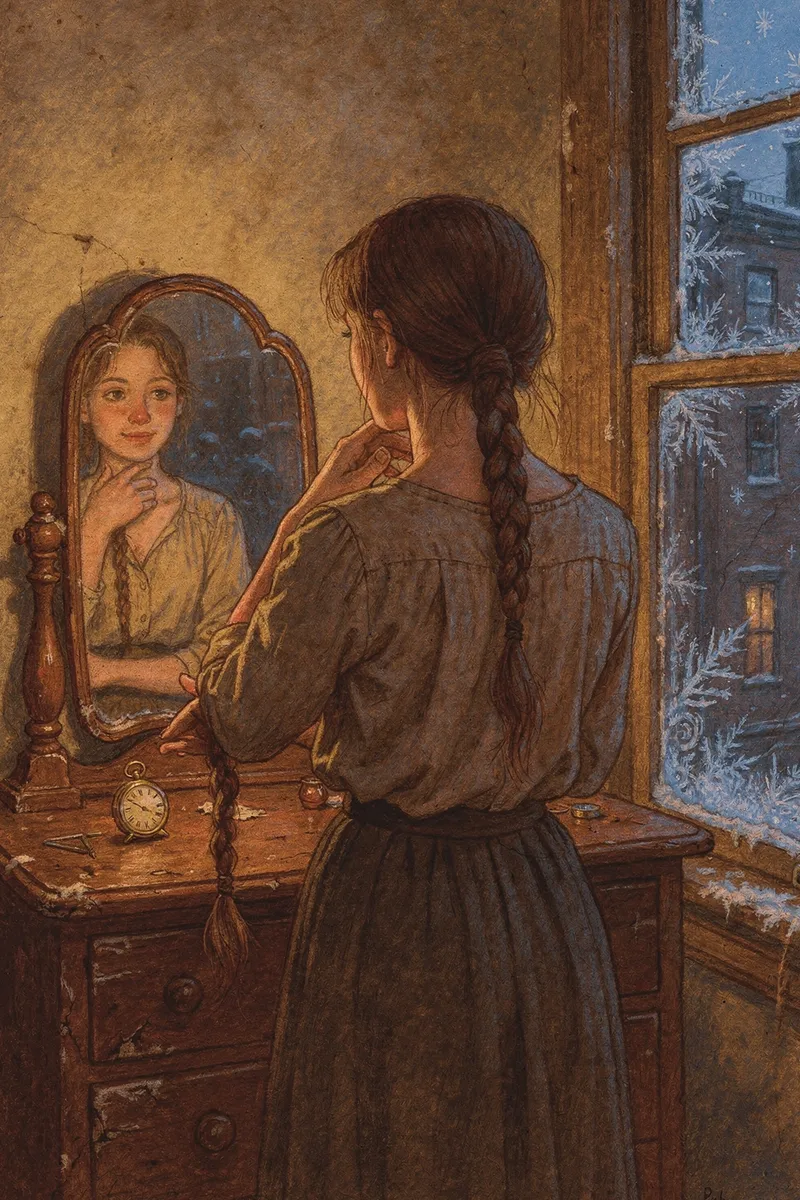
On Christmas Eve, Della has almost nothing to spend and only one thing of real value — her beautiful long hair — so she sells it to buy a chain for the gold watch her husband Jim treasures.