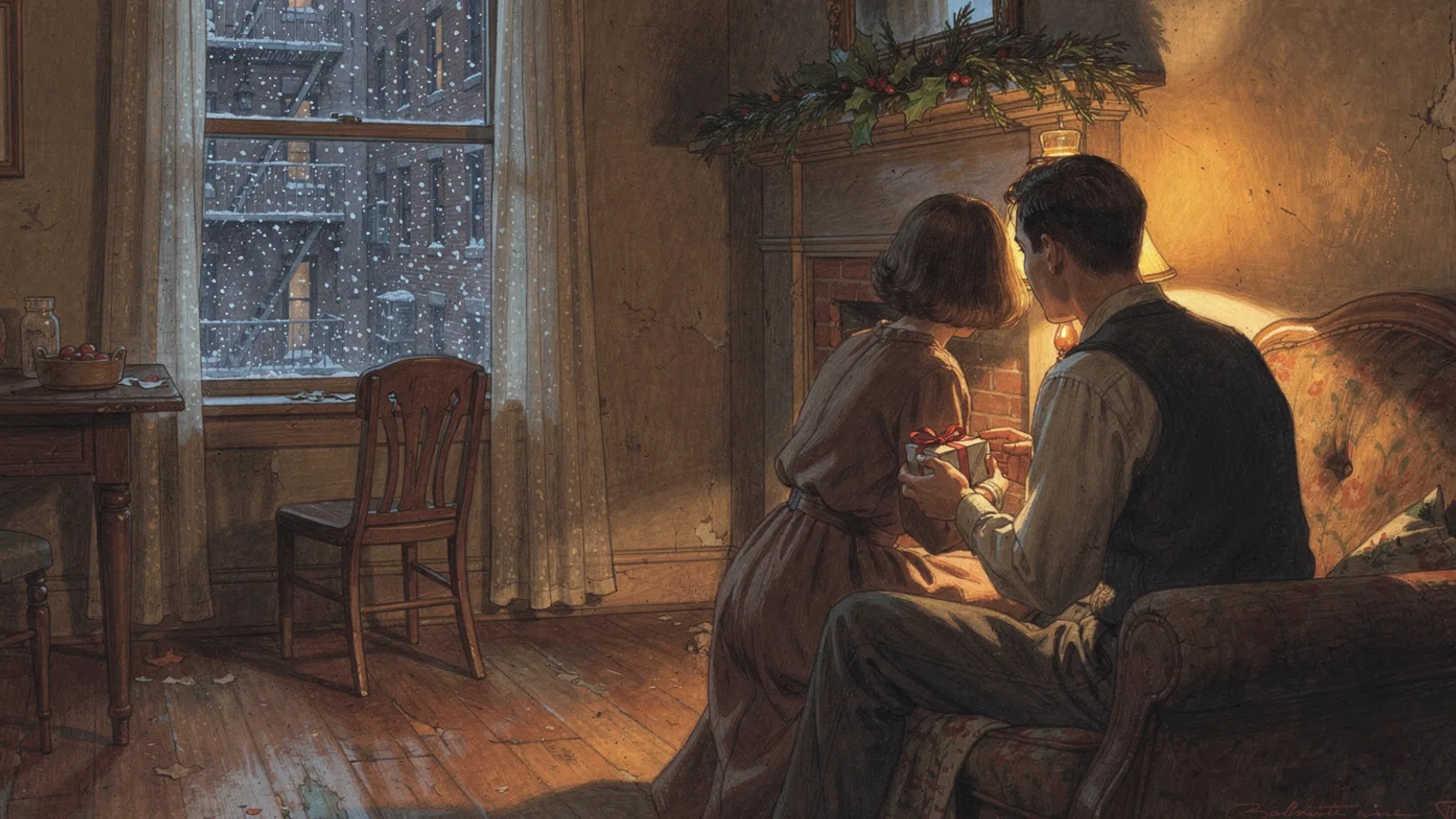
The Gift of the Magi
About this story
On Christmas Eve, Della has almost nothing to spend and only one thing of real value — her beautiful long hair — so she sells it to buy a chain for the gold watch her husband Jim treasures. O. Henry's 1905 short story is a tender Christmas tale about sacrifice, love, and the bittersweet irony of two gifts given at cross-purposes. Its famous twist ending made it one of the most beloved and most retold stories in American literature, and a fixture of the Christmas canon.
By the numbers
About the author
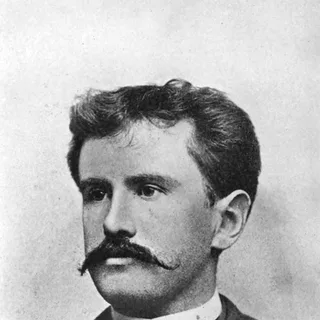
O. Henry (1862–1910), the pen name of William Sydney Porter, was an American writer celebrated as one of the great masters of the short story. Born in Greensboro, North Carolina, he drifted through pharmacy, ranch work, and journalism in Texas before serving a prison term for embezzlement, during which he began publishing fiction under his famous pseudonym. Settling in New York City, he composed hundreds of stories chronicling ordinary city dwellers with warmth, wit, and his trademark twist endings. His best-known tale, «The Gift of the Magi» (1905), remains a beloved Christmas classic.
Recognition
Porter's stories are known for their naturalist observations, witty narration, and surprise endings.
The plot and its twist ending are well known, and the ending is generally considered an example of cosmic irony.
«The Gift of the Magi» was first published in the New York Sunday World Magazine on December 10, 1905, and later collected in The Four Million (1906).
The O. Henry Award is an annual prize named after Porter and given to outstanding short stories.
Practice typing
Type this retelling one piece at a time — your progress is saved as you go.
If you liked this
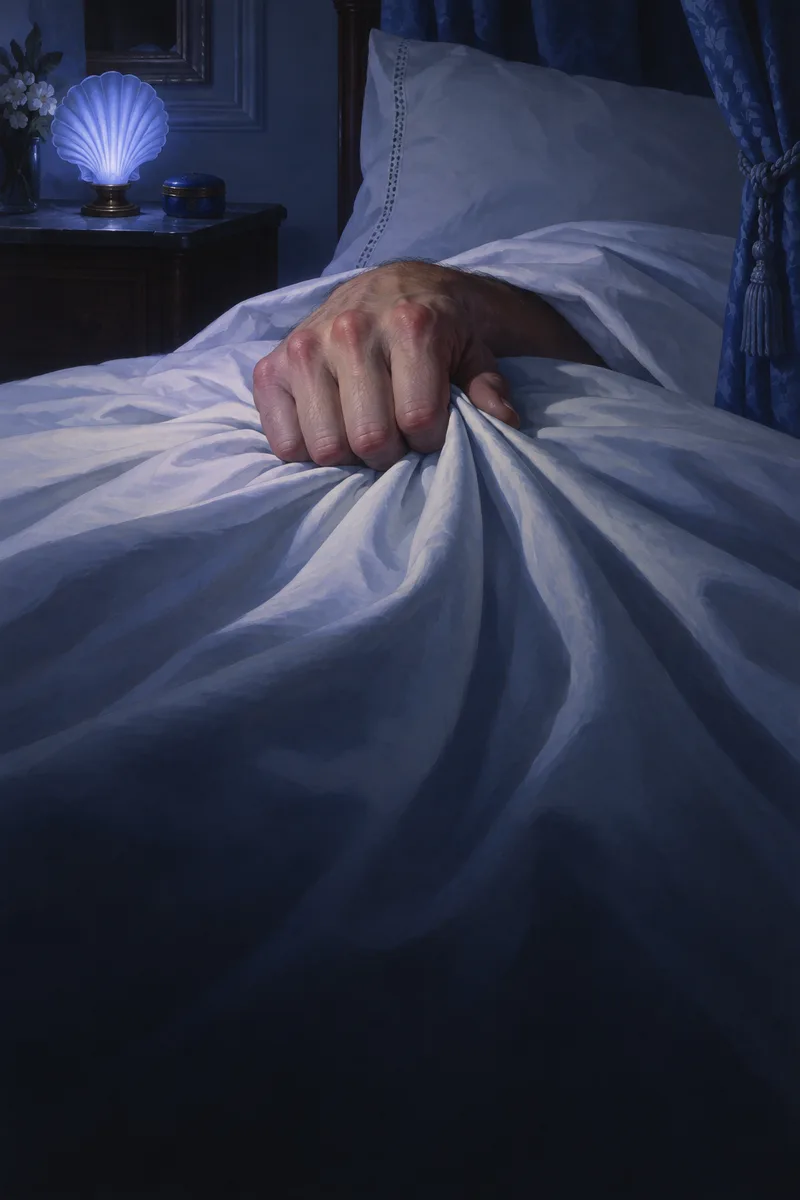
Two weeks into her marriage, a young bride lies awake beside her sleeping husband, proudly bearing the weight of his fair head on her shoulder.
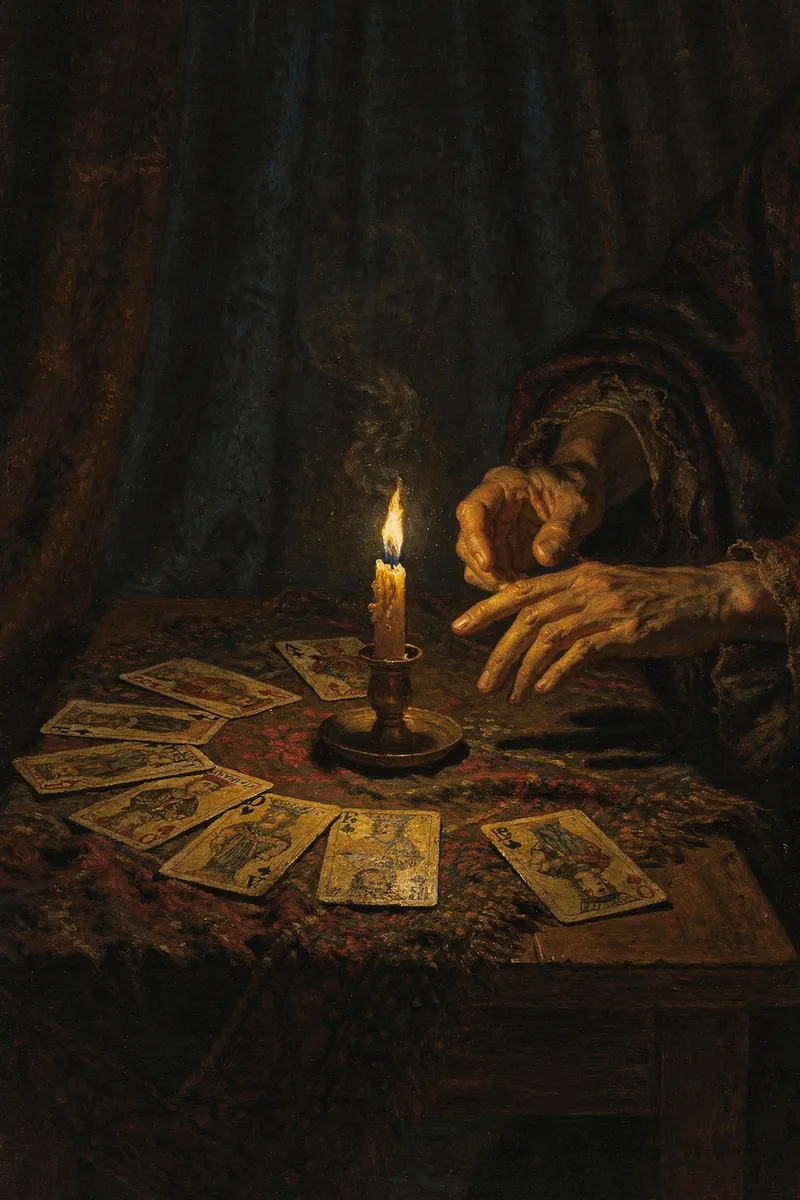
«There are more things in heaven and earth than are dreamt of in your philosophy.» With Hamlet's words Machado de Assis opens his most famous tale of fate and self-deception.
On a cold Christmas Eve in the mountains of Sardinia, a self-made councillor comes home to the village he left behind long ago — wealthy, honoured, and strangely alone.
In a sleepy provincial town, Maria da Piedade is held up by all as the model of virtue — a lovely young wife who has poured her whole life into nursing an invalid husband and their frail children, never once complaining.