The Hand
About this story
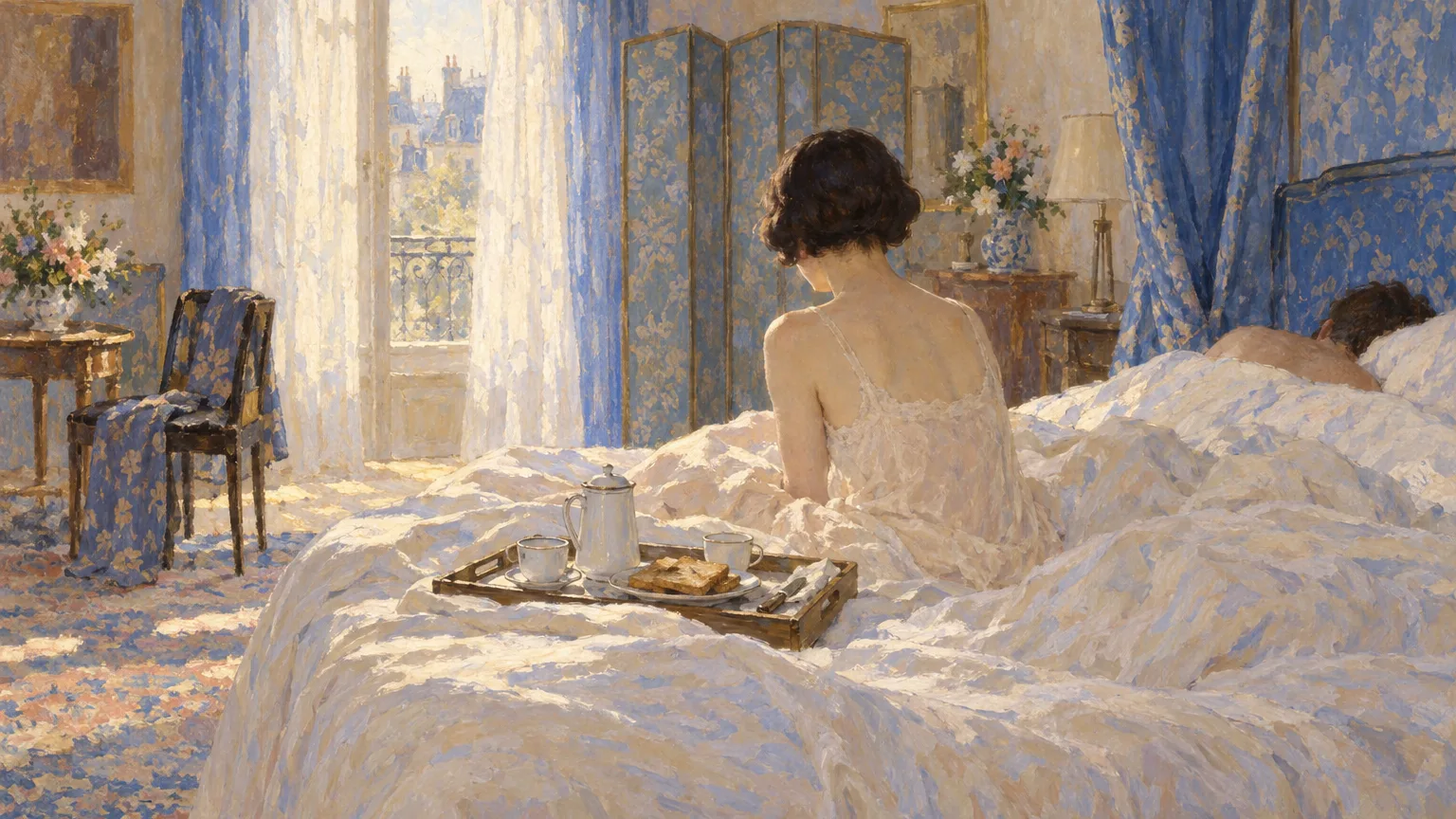
Two weeks into her marriage, a young bride lies awake beside her sleeping husband, proudly bearing the weight of his fair head on her shoulder. Then the lamplight falls on his hand, lying alone on the sheet — and as she watches, it twitches, rears up like a crab and slowly strangles a fistful of linen. By breakfast she knows something she will never say aloud, and her married life of small deceptions has begun. Colette — president of the Académie Goncourt and, in 1954, the first French woman writer given a state funeral — first published this four-page tale in the Paris daily Le Matin before collecting it in La Femme cachée (1924). Type it sentence by sentence and feel the grip tighten.
By the numbers
About the author
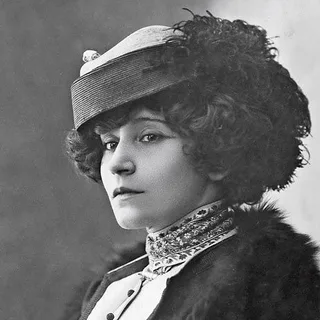
Sidonie-Gabrielle Colette (1873–1954), known simply as Colette, was one of the most celebrated French writers of the twentieth century — novelist, journalist and one-time music-hall performer. Elected to the Académie Goncourt in 1945, she later served as its president, and in 1954 she became the first French woman of letters to receive a state funeral. Her best-known books include the Claudine novels (1900–1903), Chéri (1920), La Maison de Claudine (1922), Sido (1929) and Gigi (1944). La Main comes from La Femme cachée (Flammarion, 1924), a collection of twenty-two very short tales she first wrote for the Paris daily Le Matin between 1921 and 1923. In a few pages it follows a bride of two weeks from tenderness to horror at her sleeping husband's hand — a compact instance of Colette's unsparing view of marriage.
Recognition
The story's ending brings to light the scandal of woman's normal submission.
Colette imagines a young woman who discovers one night her husband's frightening, strangling hand […]. This brutal distancing of the instrument of conjugal pleasure through the maternal filter is revealing.
Here is the ultimate appropriation, the flesh of daily life impounding itself shamelessly. She recoils, then conceals her fear, for concealment is self-preservation.
Its narrative is consubstantial to its time as it unveils the fears and frustrations of married women when confronted to the demands of patriarchal society.
Practice typing
Type this retelling one piece at a time — your progress is saved as you go.
If you liked this
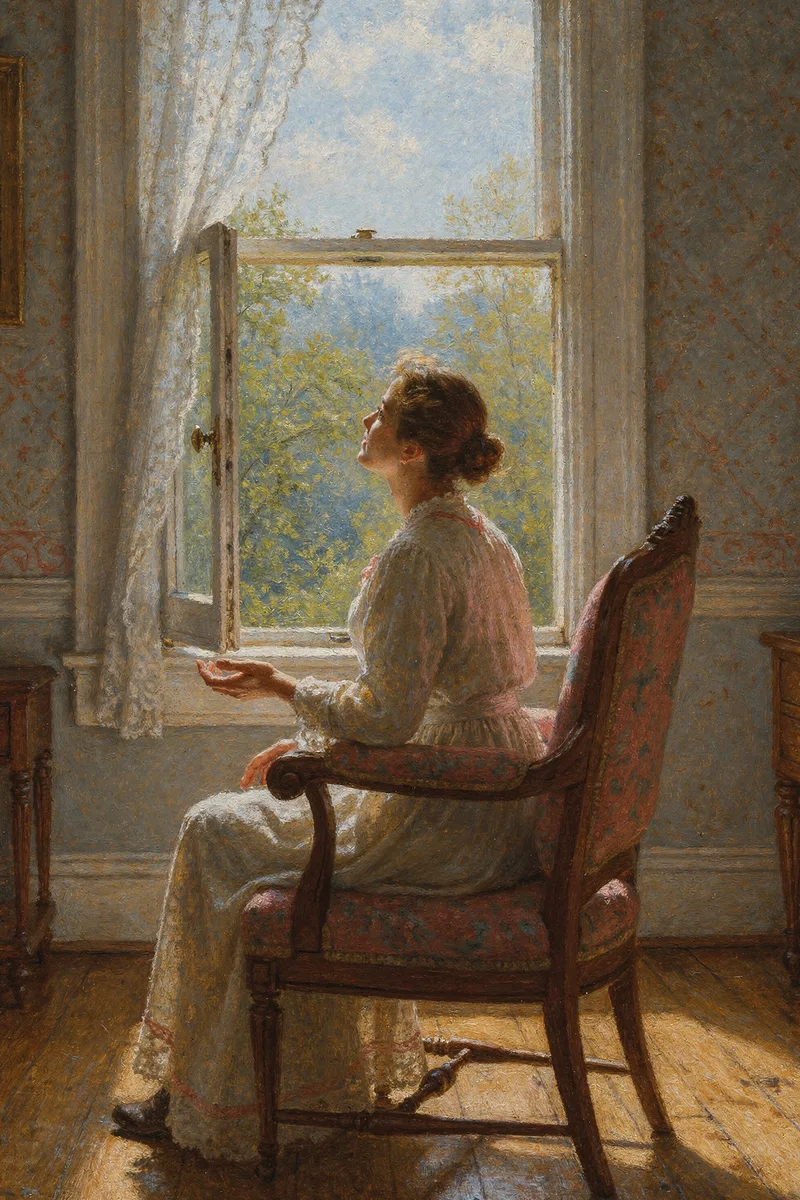
In a single hour and barely a thousand words, Kate Chopin detonates a century of assumptions about marriage.
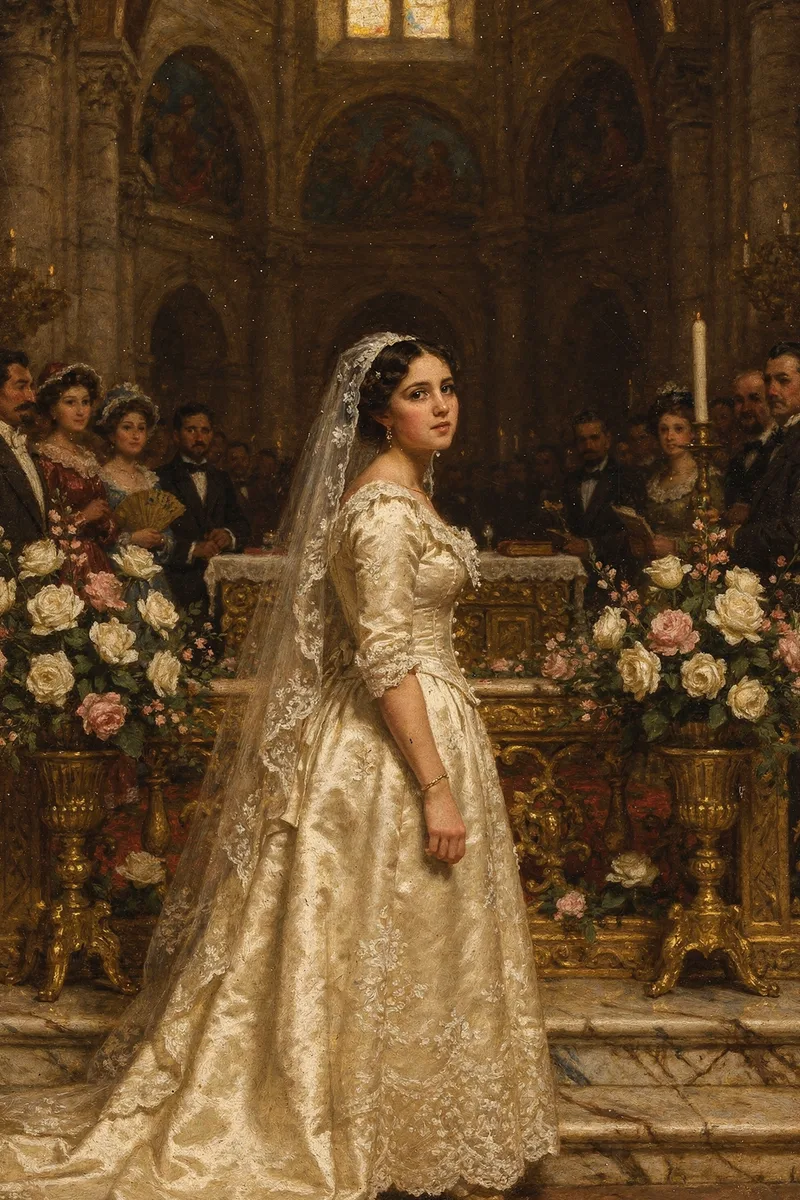
At her own wedding, before a glittering high-society crowd, Micaelita Aránguiz reaches the altar — and answers the bishop's question with a clear, ringing «no», breaking off the marriage in front of everyone.
A nervous narrator swears he is not mad — even as he confesses how, over seven nights, he crept into an old man’s room to murder him for the sake of a single pale, filmy “vulture eye.”
On Christmas Eve, Della has almost nothing to spend and only one thing of real value — her beautiful long hair — so she sells it to buy a chain for the gold watch her husband Jim treasures.