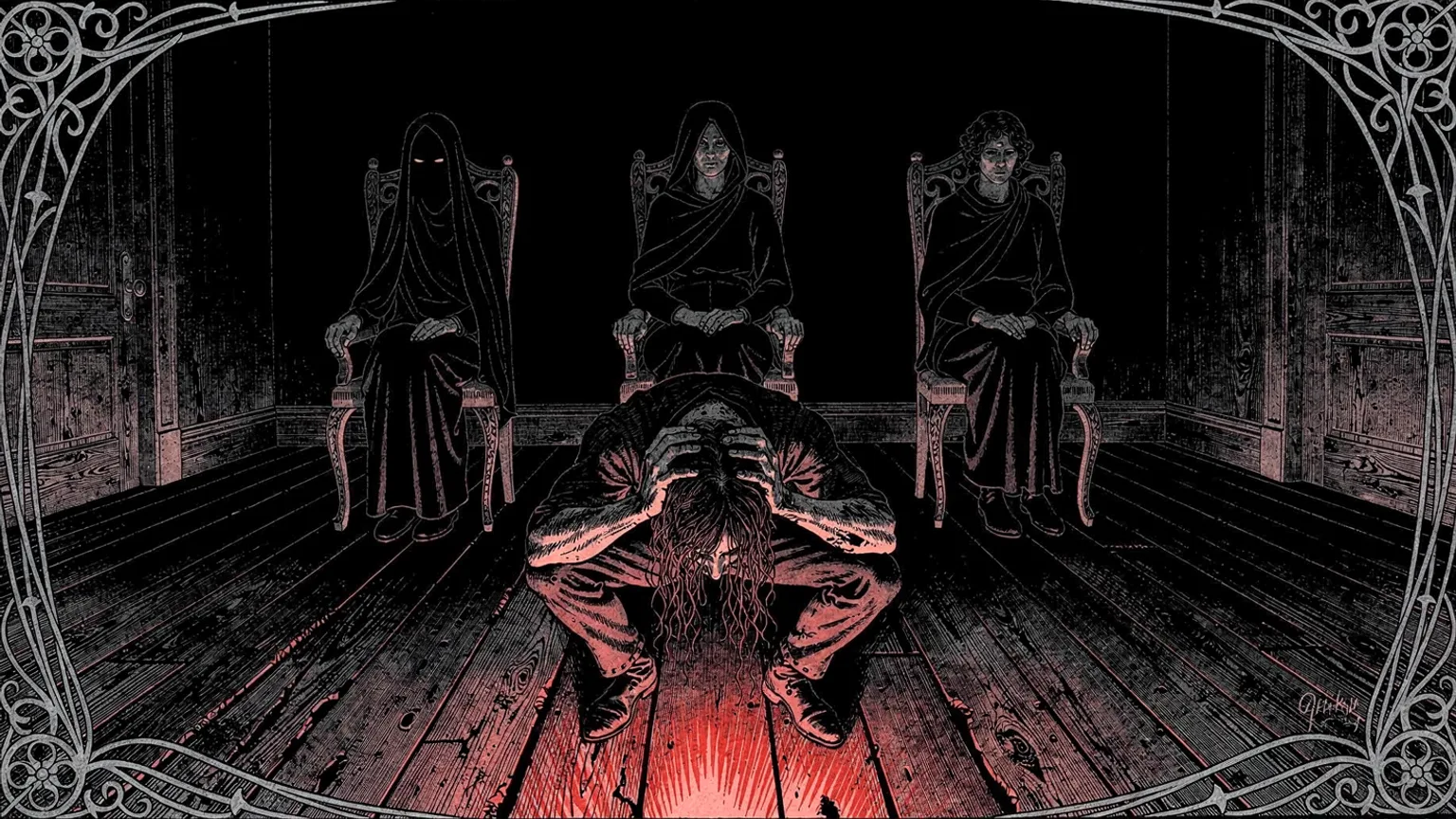
The Tell-Tale Heart
About this story
A nervous narrator swears he is not mad — even as he confesses how, over seven nights, he crept into an old man’s room to murder him for the sake of a single pale, filmy “vulture eye.” Edgar Allan Poe’s 1843 tale is a masterpiece of Gothic horror and psychological suspense, told by a killer whose own guilt — a phantom heartbeat beneath the floorboards — gives him away. One of the most famous short stories in the English language, it helped define the modern horror tale and remains a cornerstone of Poe’s dark genius.
By the numbers
About the author
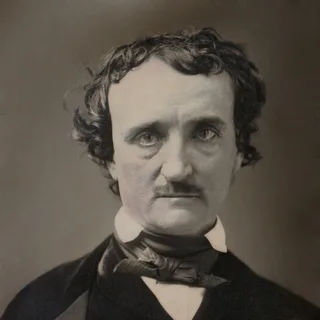
Edgar Allan Poe (1809–1849) was an American short-story writer, poet, critic, and editor famous for his cultivation of mystery and the macabre. He is credited with shaping the modern Gothic horror tale and with inventing the modern detective story through «The Murders in the Rue Morgue» (1841). His best-known works include the poem «The Raven» (1845) and the stories «The Fall of the House of Usher» (1839), «The Tell-Tale Heart» (1843), and «The Cask of Amontillado» (1846). Though he won only limited financial success in his lifetime and died in Baltimore in 1849, his mastery of atmosphere and psychological dread secured him a lasting place among world-renowned writers.
Recognition
A strong and skilful analysis of the feelings and promptings of an insane homicide. The painting of the terror of the victim, while he sat upright in his bed feeling that death was near him, is most powerful and fearfully vivid.
The tale consists of a monologue in which an accused murderer protests his sanity rather than his innocence. The point of view is the criminal’s, but the tone is ironic in that his protestation of sanity produces an opposite effect upon the reader.
Richard Wilbur read the tale as an allegory of the divided psyche — a struggle between the imaginative faculty and the coldly rational mind.
This is a prize for any collection, especially because it is the story that is included in all the anthologies.
Practice typing
Type this retelling one piece at a time — your progress is saved as you go.
If you liked this
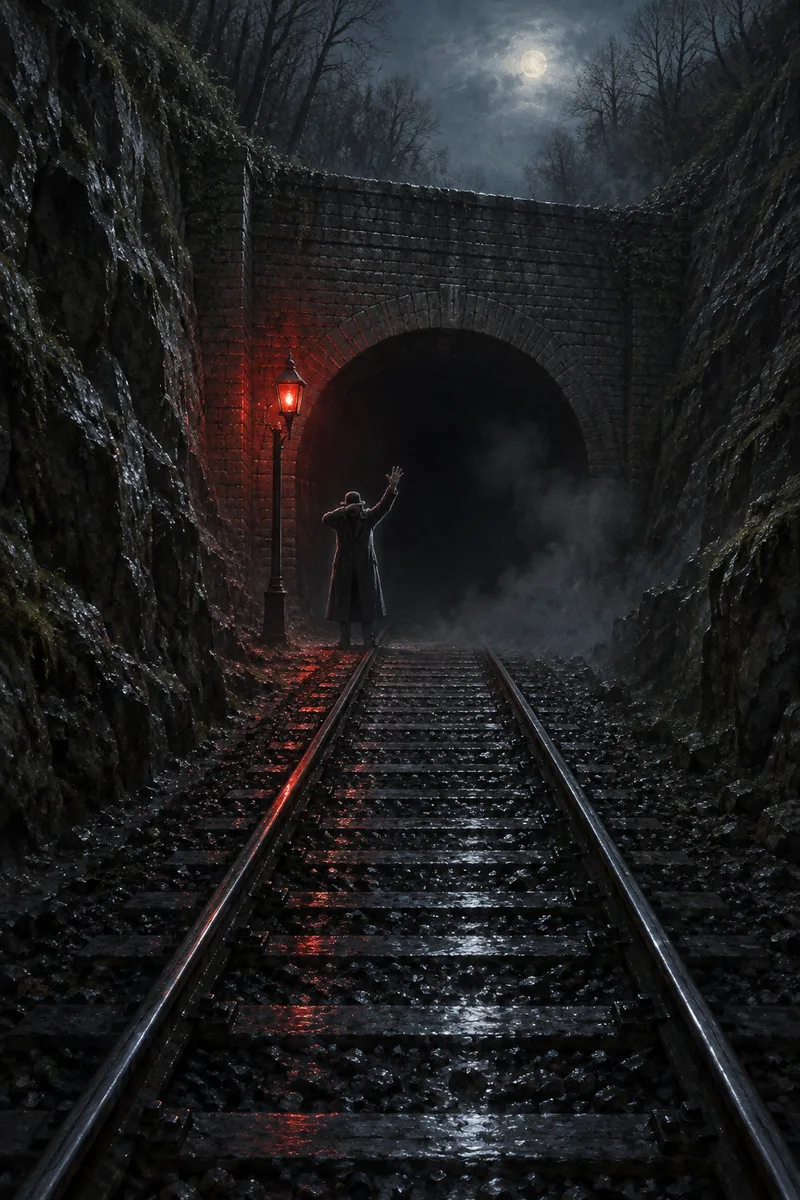
At the bottom of a damp railway cutting, beside the black mouth of a tunnel, a lonely signalman keeps watch over the line — and over a figure no one else can see.
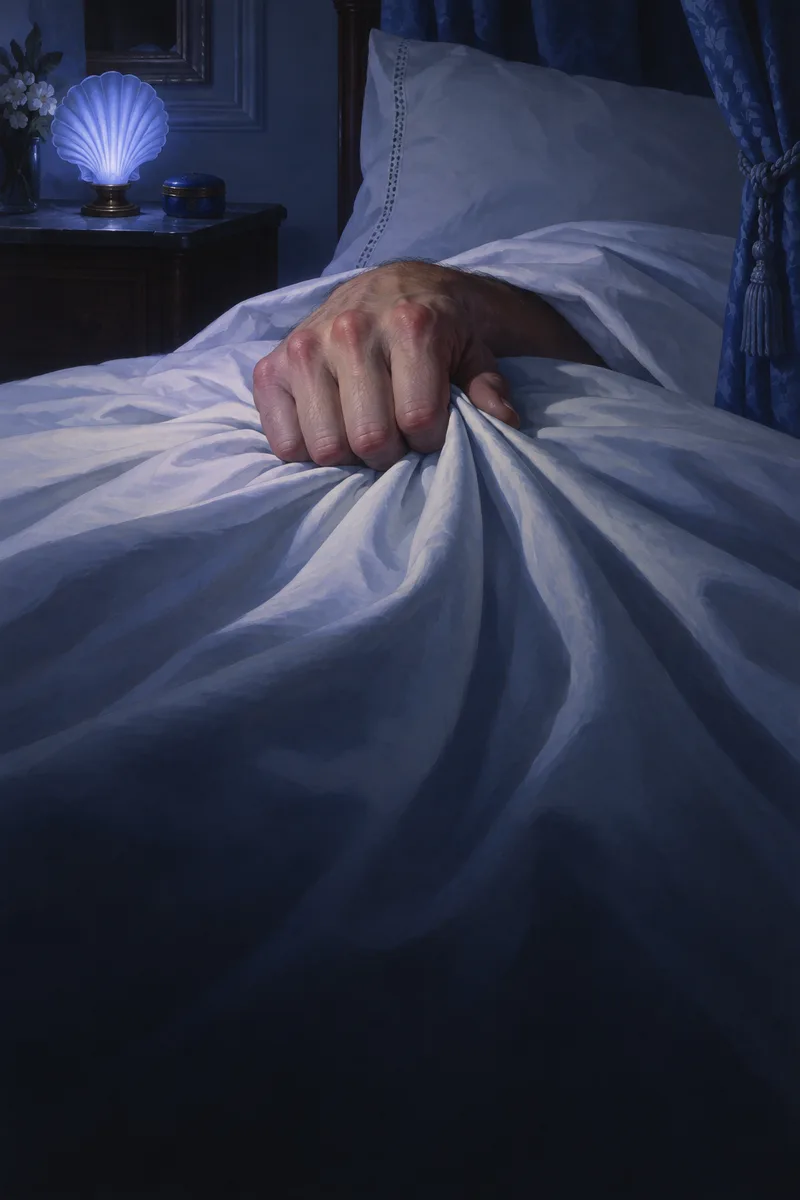
Two weeks into her marriage, a young bride lies awake beside her sleeping husband, proudly bearing the weight of his fair head on her shoulder.
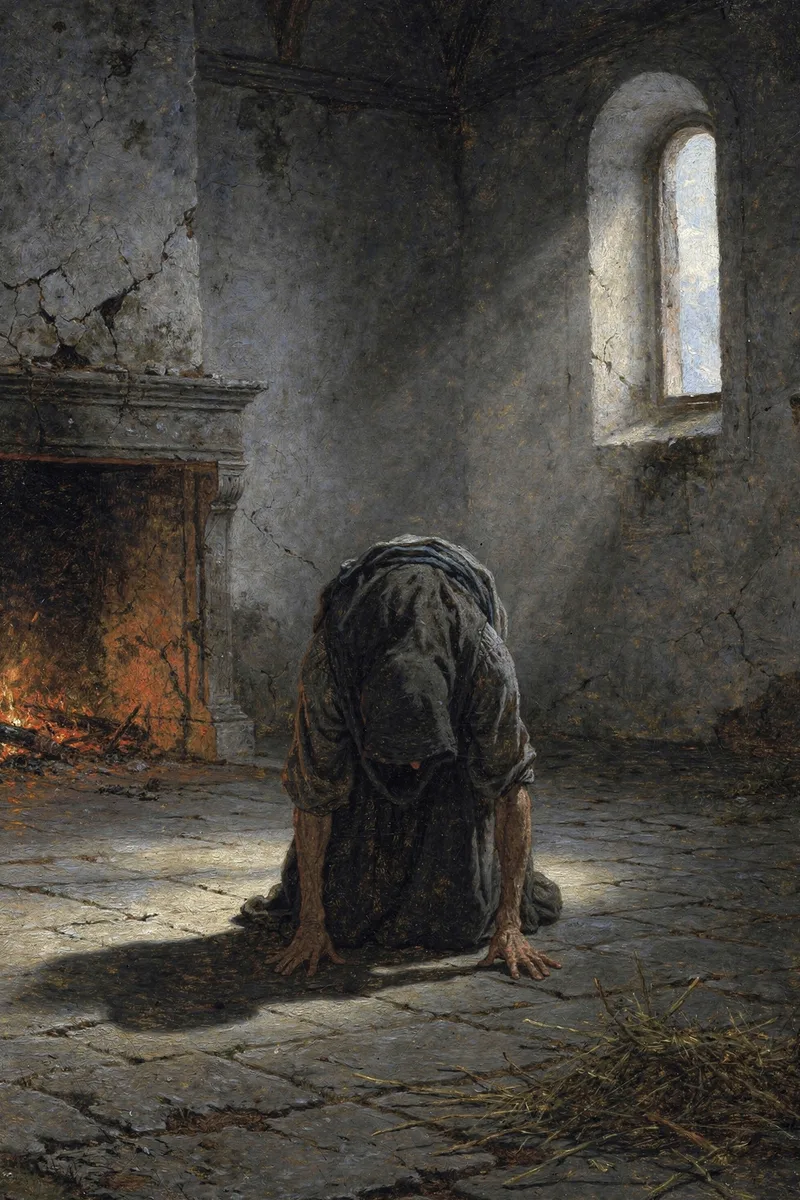
Near Locarno, in a crumbling castle at the foot of the Alps, a nobleman orders a sick old beggarwoman to drag herself across the room — and she collapses and dies.
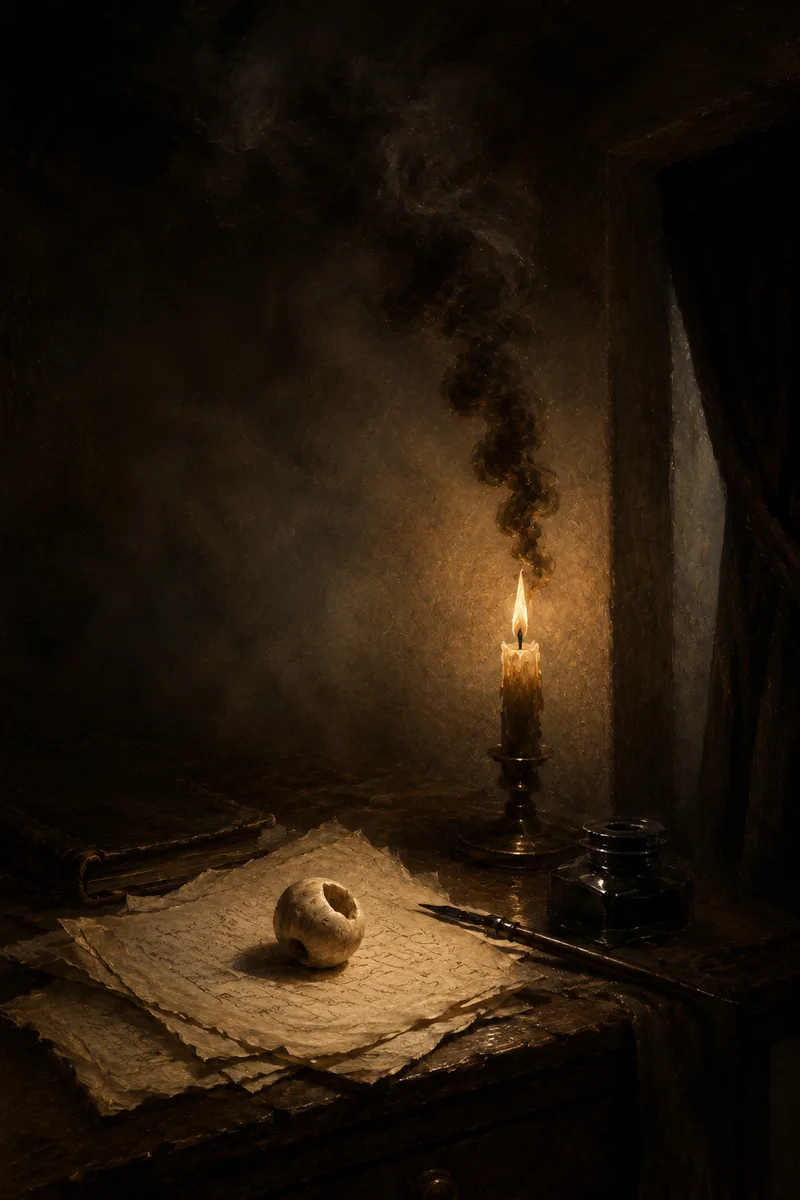
A student accepts a handful of human bones from a friend who teaches anatomy at Pavia, and for eleven years one of them — a small, polished kneecap — holds down the papers on his desk.