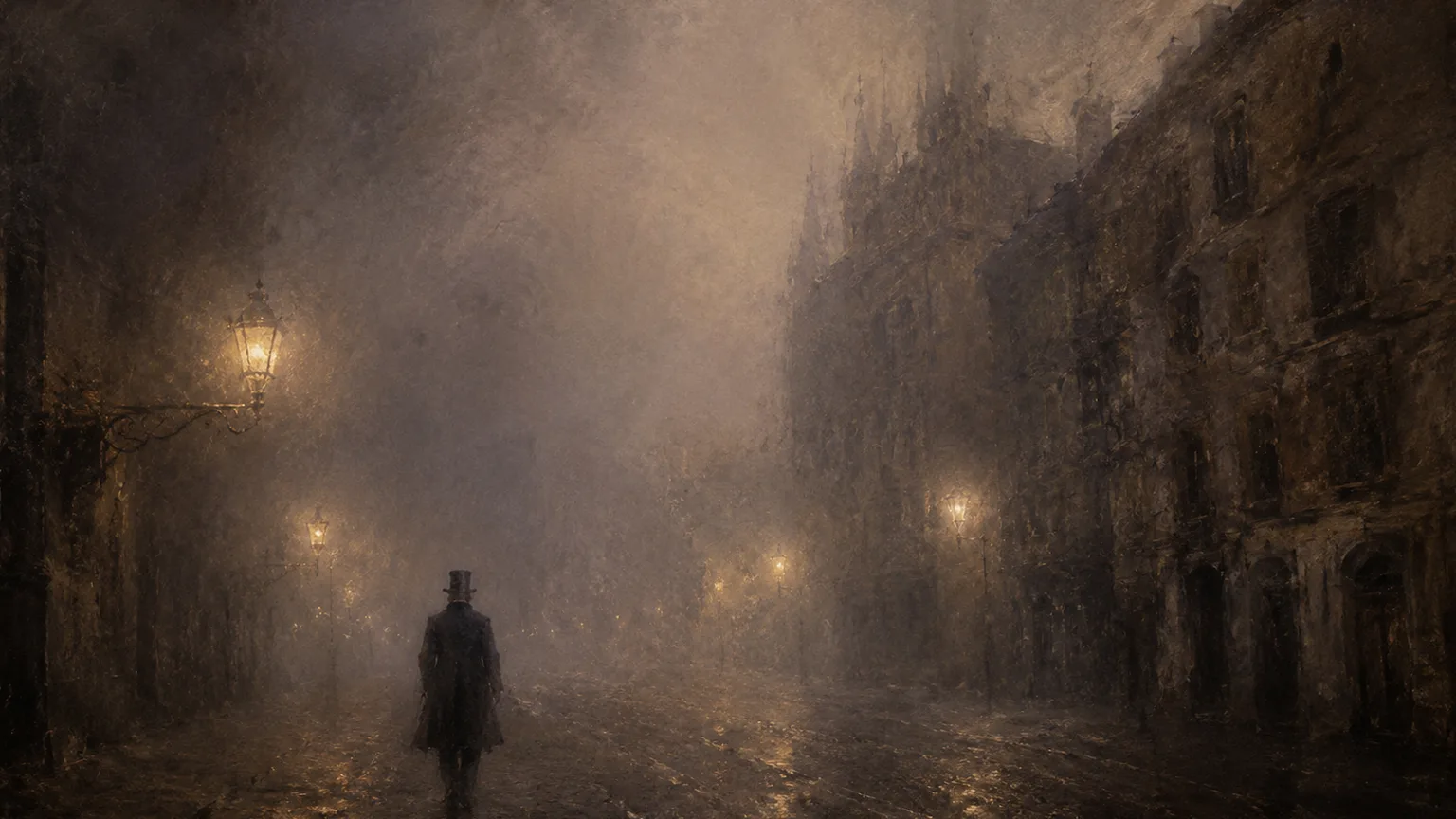
A Dead Man's Bone
About this story
A student accepts a handful of human bones from a friend who teaches anatomy at Pavia, and for eleven years one of them — a small, polished kneecap — holds down the papers on his desk. Then, at a séance in Milan, his hand begins to write without him: the professor is dead, the bone was taken from a body he had no right to dissect, and its owner wants it back. Tonight. Tarchetti, the best-known rebel of the Milanese Scapigliatura, carried Poe and Hoffmann into Italian and gave the language its first Gothic fiction; he published this in Racconti fantastici in 1869 and died of typhus that same year, at twenty-nine. A ghost story that doubles as a joke at the medical profession's expense.
By the numbers
About the author

Iginio Ugo Tarchetti (1839–1869) was a Piedmontese novelist, poet and journalist, and one of the central figures of the Milanese Scapigliatura, the bohemian anti-establishment movement that set itself against the polite realism of Manzoni's heirs. He left the army in 1865 and spent his last four years in Milan writing fiction and criticism and translating from English, dying of typhoid fever at twenty-nine. He is credited with introducing the Gothic and fantastic tale to Italian literature, adapting Hoffmann, Poe and Gautier into a distinctly Italian register of social unease. His best-known works are the novel Fosca (1869), a study of morbid passion that Ettore Scola later filmed as Passione d'amore, the anti-militarist novel Una nobile follia (1867), and the posthumous collection Racconti fantastici (Treves, 1869). “Un osso di morto” is one of the five tales in that collection and, with “La lettera U” and “I fatali”, is among the pieces critics most often single out; it turns a séance and a stolen kneecap into a grimly comic parable of the medical profession and the working-class dead.
Recognition
Amid the Gothic trappings of séances and ghosts, Tarchetti's tale stages the disquieting return of the socially repressed.
In Racconti fantastici, the pieces of particular note are I fatali, La lettera U and Un osso di morto.
'A Dead Man's Bone' is an excellent Poe pastiche, full of atmosphere and dread, which paints professors and doctors as grave-robbers.
Tarchetti (1839-1869) was an author of some renown who is credited with introducing the Gothic genre to Italian literature.
Practice typing
Type this retelling one piece at a time — your progress is saved as you go.
If you liked this
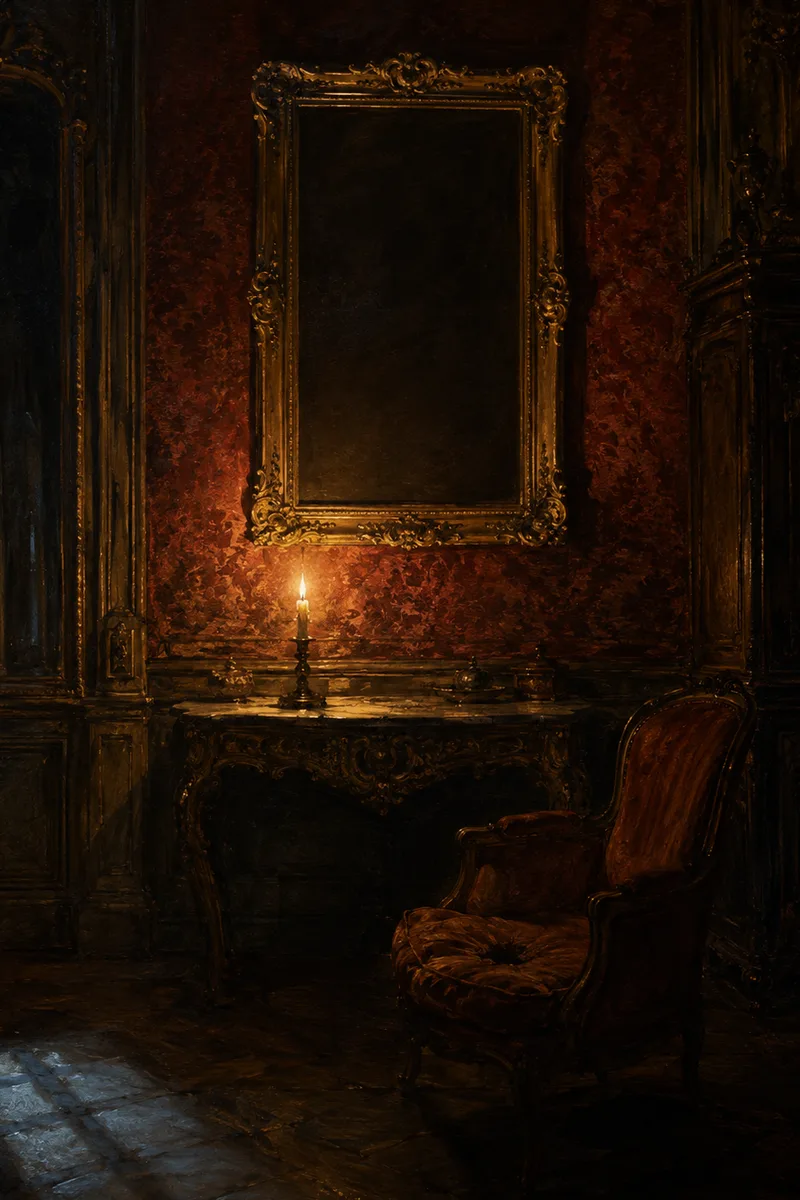
Normandy, autumn, a house so old that nothing in the guest room has moved since the Regency.
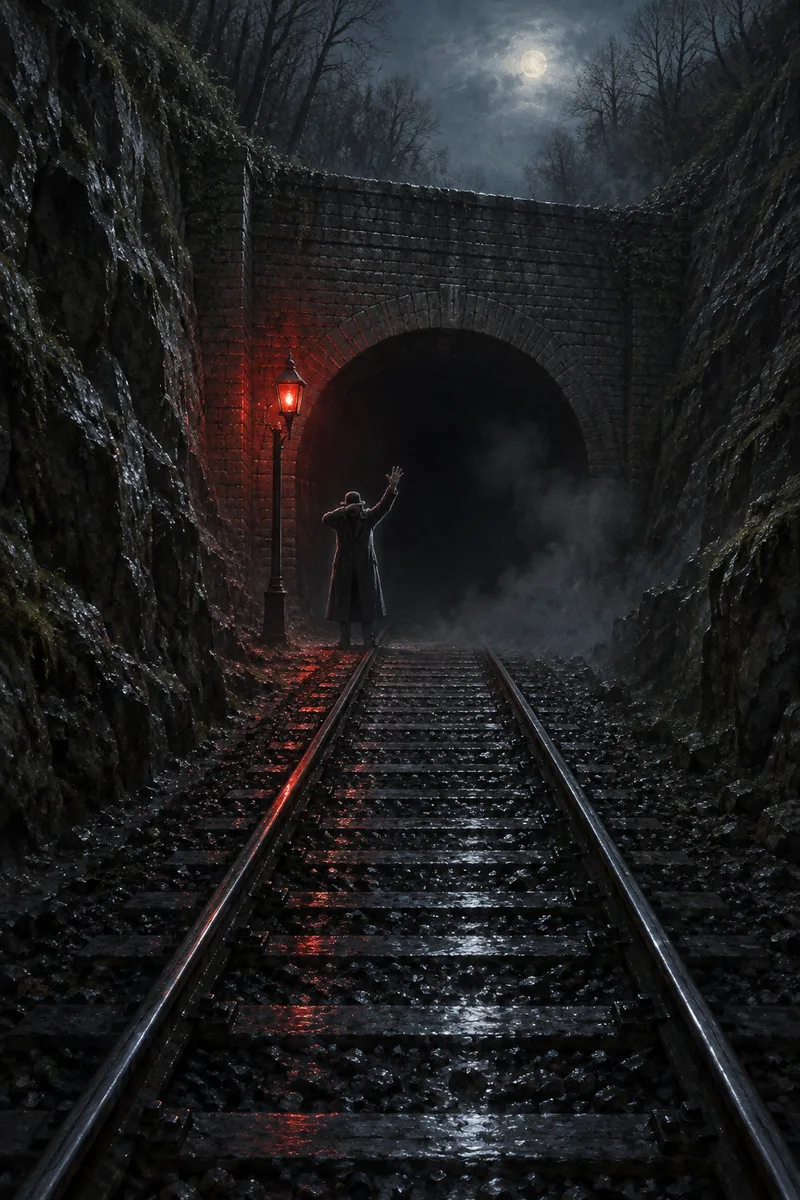
At the bottom of a damp railway cutting, beside the black mouth of a tunnel, a lonely signalman keeps watch over the line — and over a figure no one else can see.
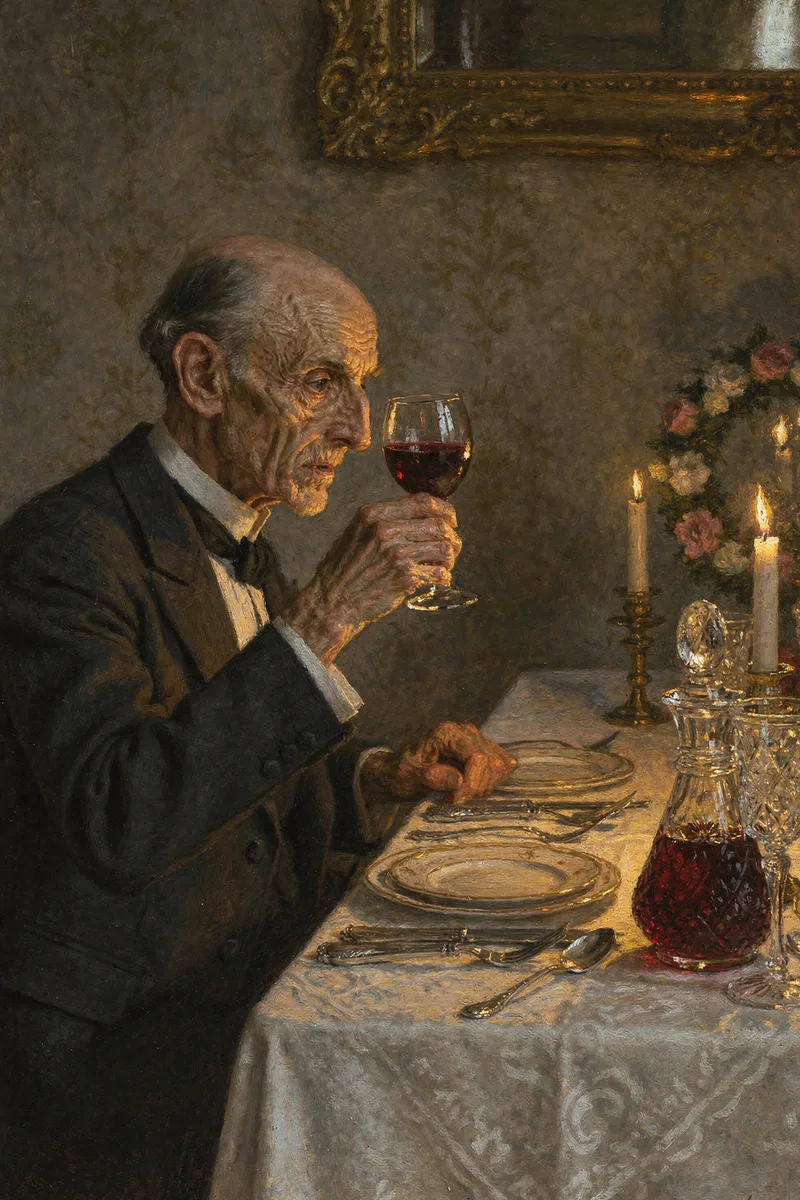
On the eve of a family wedding, an ailing old man is granted one night's freedom from his doctor's strict regime — and pours it, glass by glass, into a rebellion against age, illness and his own tenderness.
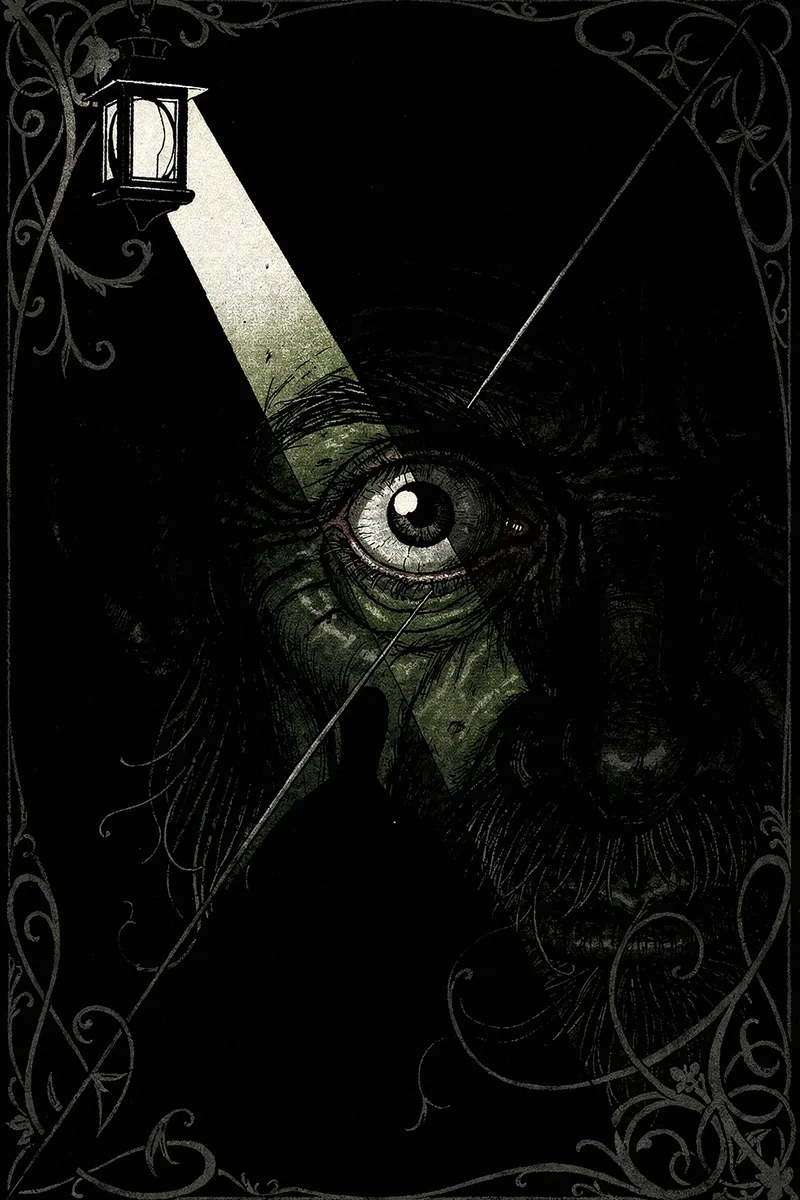
A nervous narrator swears he is not mad — even as he confesses how, over seven nights, he crept into an old man’s room to murder him for the sake of a single pale, filmy “vulture eye.”