Generous Wine
About this story
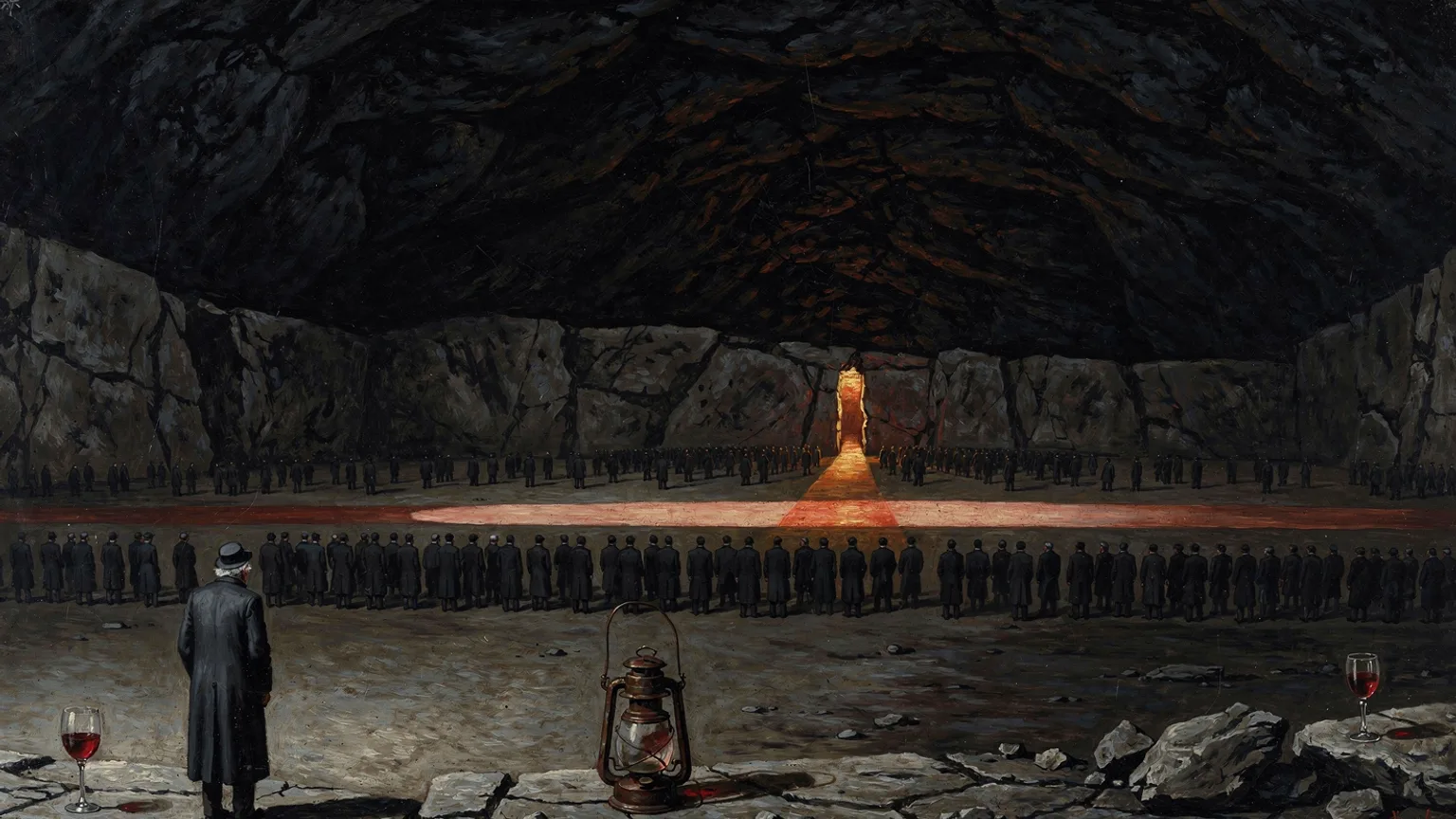
On the eve of a family wedding, an ailing old man is granted one night's freedom from his doctor's strict regime — and pours it, glass by glass, into a rebellion against age, illness and his own tenderness. Italo Svevo, the Triestine master whom James Joyce championed and Eugenio Montale 'discovered,' turns a single festive dinner into a descent through guilt, desire and a nightmare that lays the soul bare. Written in the same late period as his great novel Zeno's Conscience, 'Generous Wine' distills a lifetime's obsessions — sickness, remorse, the fear of dying — into one dream-haunted evening. Proto-modernist, mordantly ironic and unsettlingly honest, it is the Svevo story that first conquered readers abroad.
By the numbers
About the author
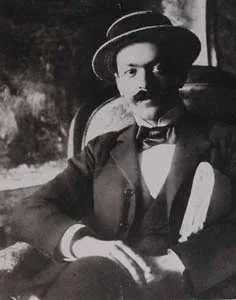
Italo Svevo (pen name of Aron Ettore Schmitz, 1861-1928) was a Triestine novelist and businessman now regarded as one of the founders of the modern Italian psychological novel. Long ignored in Italy, he was championed by his English tutor James Joyce and 'discovered' for Italian criticism by the young poet Eugenio Montale, whose 1925 essay launched the so-called 'caso Svevo.' His masterpiece is the ironic, proto-modernist La coscienza di Zeno (Zeno's Conscience, 1923), preceded by the novels Una vita (1892) and Senilità (1898). 'Vino generoso,' among the finest of the short stories written in his final Zeno period, distills his lifelong themes of illness, guilt and old age into a single dream-haunted wedding night, and became the work of his that most quickly found success abroad.
Recognition
Freed from the complex psychoanalytic arguments, Vino generoso proves a text of extraordinary density, open to multiple perspectives of reading ... and certainly the one that most quickly won success abroad, where it was translated into several languages.
Begun in 1914 and revised in 1926, 'Vino generoso' ('Generous Wine') is full of psychological insights and probings on the themes of disease and old age. The dream clearly shows the late Svevo's familiarity with Franz Kafka's work; the 'generous wine' of the title suggests the opening of doors leading to the subconscious.
I have discovered a powerful contemporary Italian author whom Joyce and Larbaud admire immensely, and who is utterly unknown in his own country.
Vino generoso must be read as a Kafkaesque watermark: beneath the comedy of the wedding banquet runs the dark trial of guilt and anguish of the Svevian unconscious, taken up by Orelli in his preface.
Practice typing
Type this retelling one piece at a time — your progress is saved as you go.
If you liked this
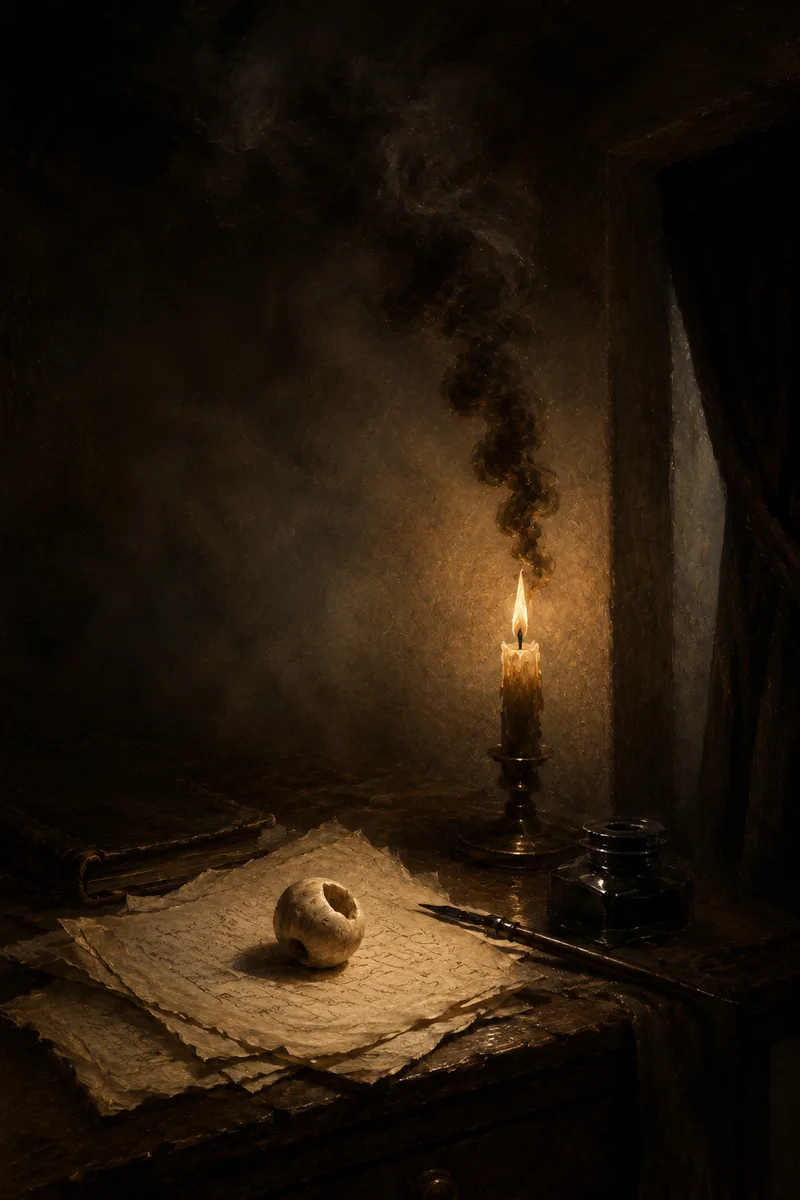
A student accepts a handful of human bones from a friend who teaches anatomy at Pavia, and for eleven years one of them — a small, polished kneecap — holds down the papers on his desk.
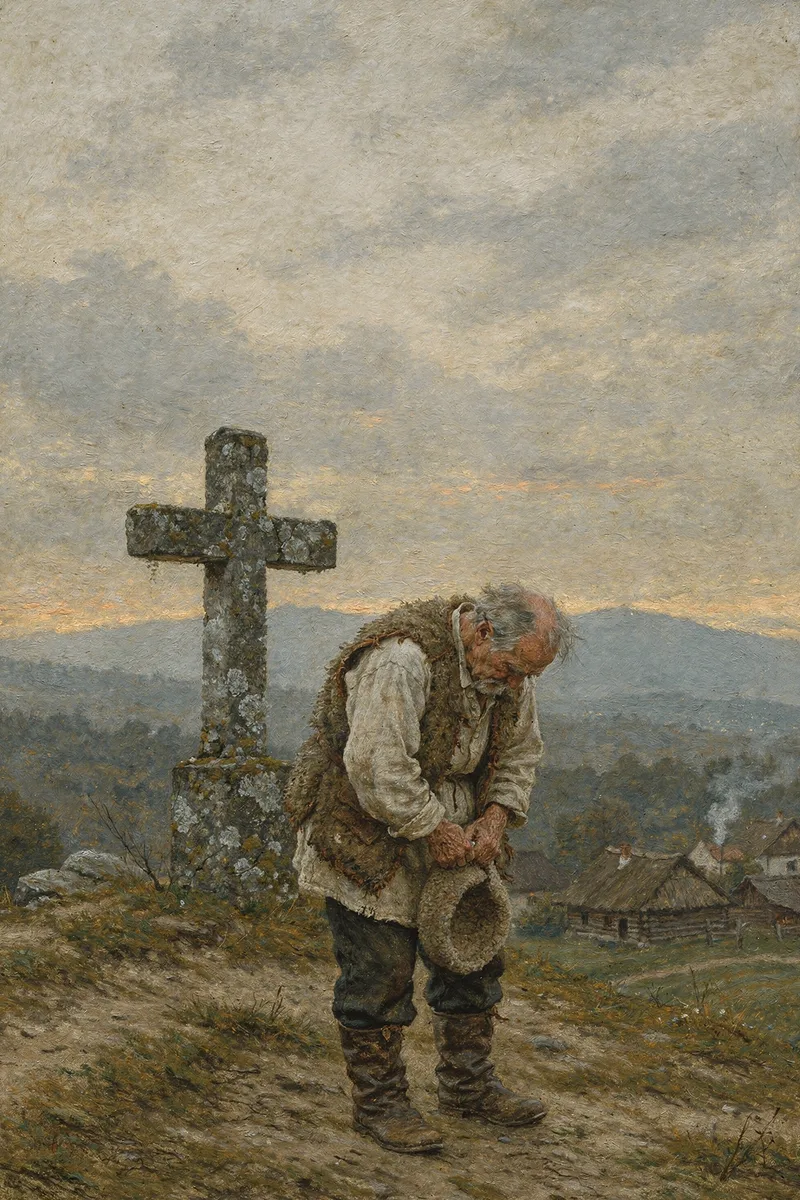
Ivan Didukh has spent his life breaking his back on a worthless sandy hill — the only land he inherited — until he is bent double and the village calls him «the Broken One».
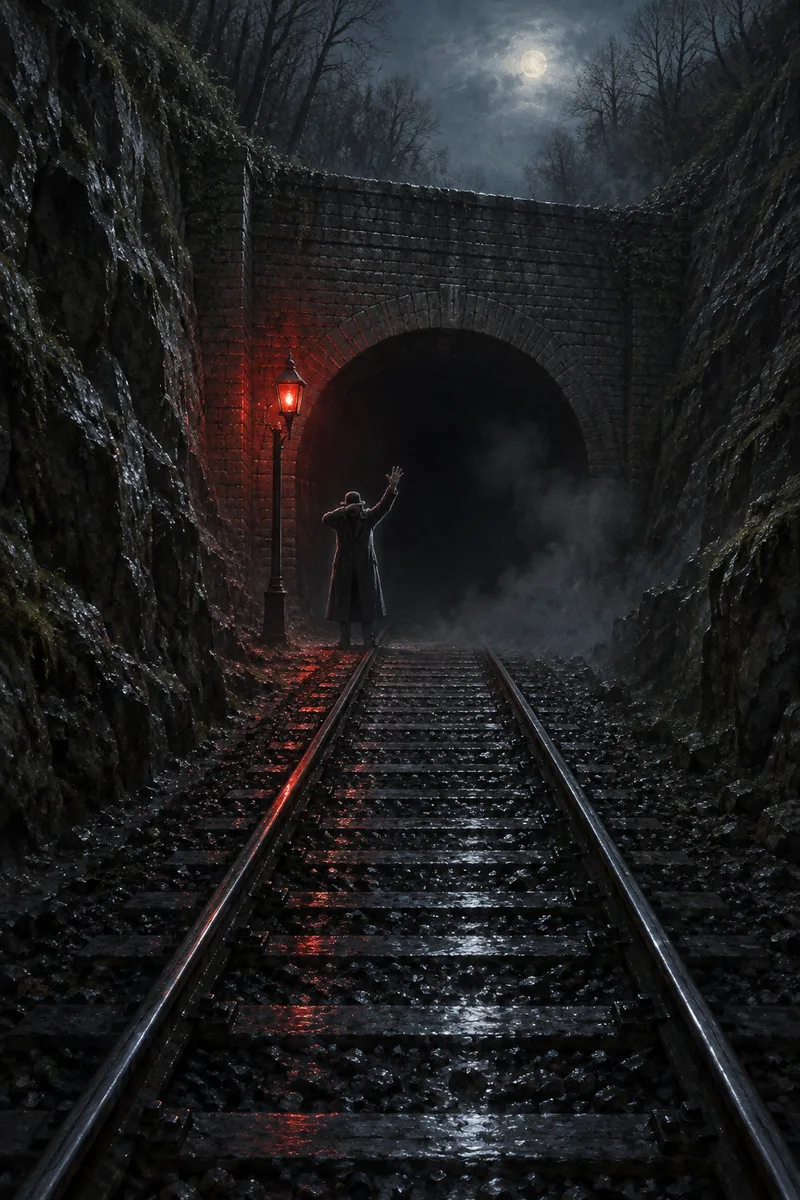
At the bottom of a damp railway cutting, beside the black mouth of a tunnel, a lonely signalman keeps watch over the line — and over a figure no one else can see.
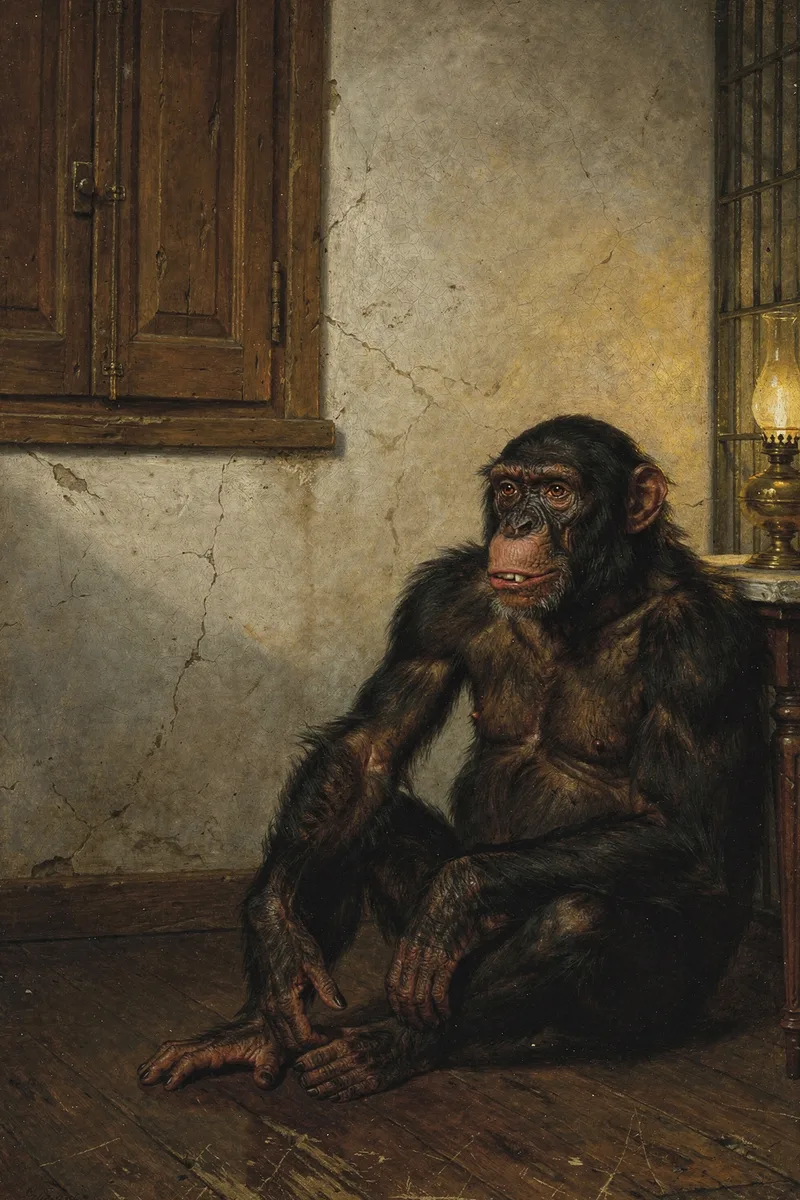
A ruined circus goes under the hammer, and a hard-headed merchant walks away with a chimpanzee named Yzur — and a strange conviction: that monkeys are not beasts but fallen men, creatures who long ago renounced speech to escape the yoke of labor, and so fell silent forever.