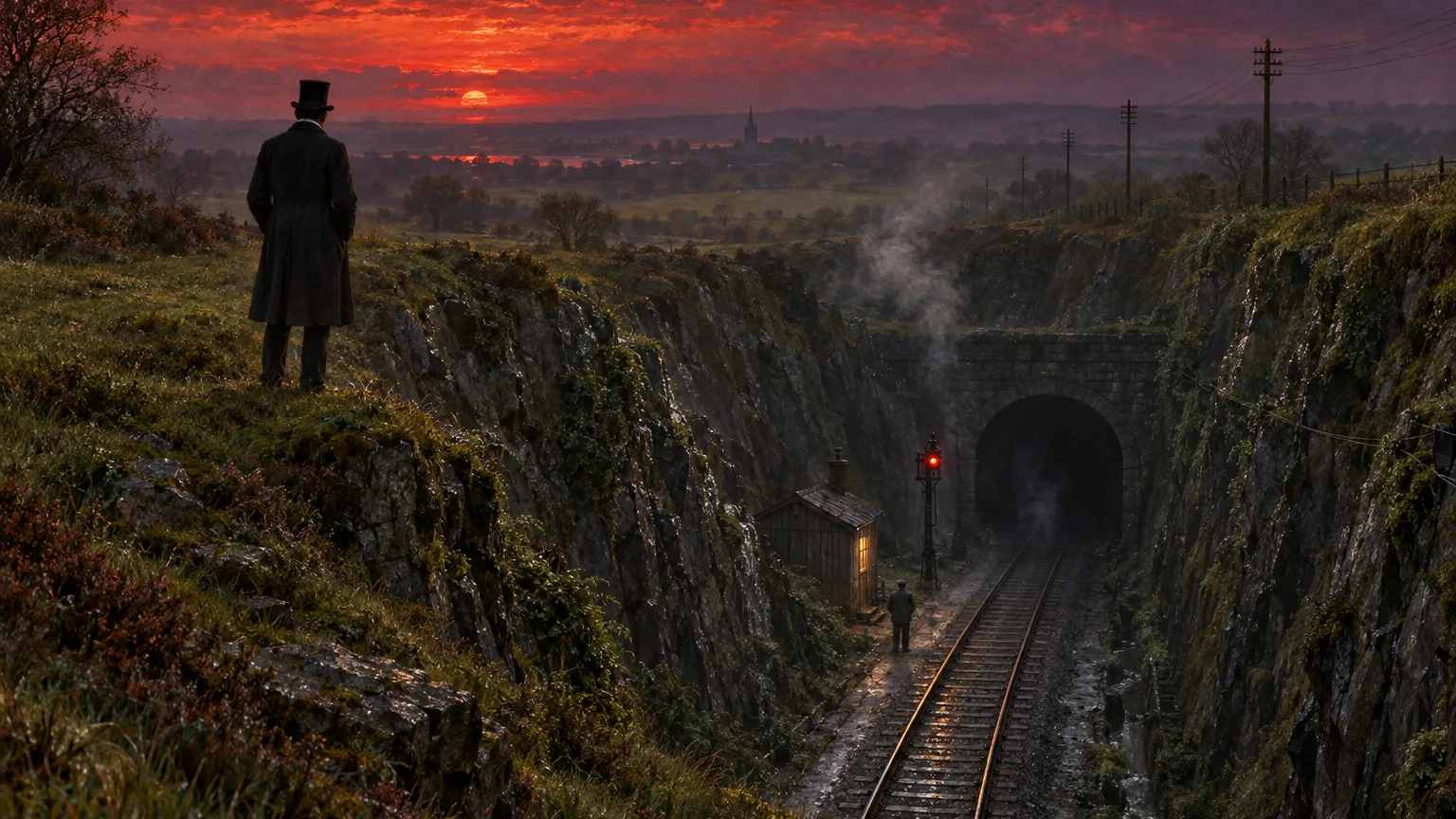
The Signal-Man
About this story
At the bottom of a damp railway cutting, beside the black mouth of a tunnel, a lonely signalman keeps watch over the line — and over a figure no one else can see. Twice it has stood beneath the red danger-light, one arm across its face, the other waving wildly, and each time death followed. Now it is back, shouting “Halloa! Below there!” and ringing a bell only he can hear, and he cannot tell whom it is warning, or about what. Charles Dickens wrote the tale for the Christmas 1866 number of All the Year Round, eighteen months after he walked out of the Staplehurst rail crash, and the dread of steam and speed runs through every page. Among his ghost stories, only A Christmas Carol is better known.
By the numbers
About the author
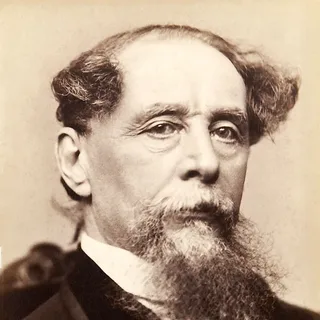
Charles Dickens (1812-1870) was the most widely read English novelist of the Victorian age and remains one of the central figures of English literature, famous for his crowded, comic and socially angry portraits of London life. His signature works include A Christmas Carol (1843), David Copperfield (1850), Bleak House (1853) and Great Expectations (1861). He also edited his own weekly magazines, Household Words and then All the Year Round, and each year produced a Christmas number for them, often with a supernatural story at its centre. "The Signal-Man" first appeared in Mugby Junction, the Christmas 1866 number of All the Year Round, eighteen months after Dickens survived the Staplehurst rail crash of June 1865, and it is now counted among his finest ghost stories, second in fame only to A Christmas Carol.
Recognition
With ‘The Signalman’ Dickens created the benchmark for writers of ghost stories who would follow. The chill, the inexplicable yet unnerving elements, and the shocks were a perfect recipe for raising goose pimples.
Tightly and economically constructed so that every element contributes to the final effect.
Dickens’ concentration of the ghosts’ mystery into their function rather than appearance suggests a radical departure from the more usual story of the supernatural.
It’s a wonderfully effective little story this, or at least I have always found it so — trailing its tendrils of dread over the sensitive membrane of my imagination, uncanny and haunting.
Practice typing
Type this retelling one piece at a time — your progress is saved as you go.
If you liked this
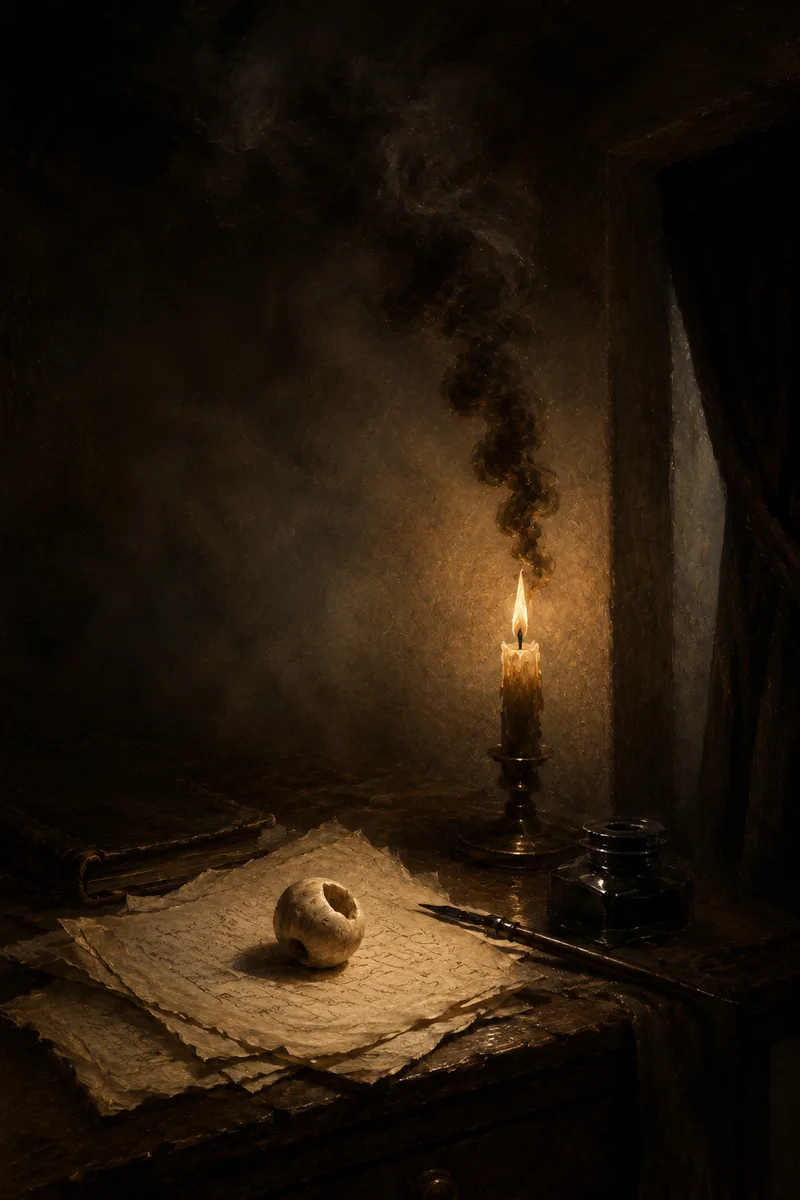
A student accepts a handful of human bones from a friend who teaches anatomy at Pavia, and for eleven years one of them — a small, polished kneecap — holds down the papers on his desk.
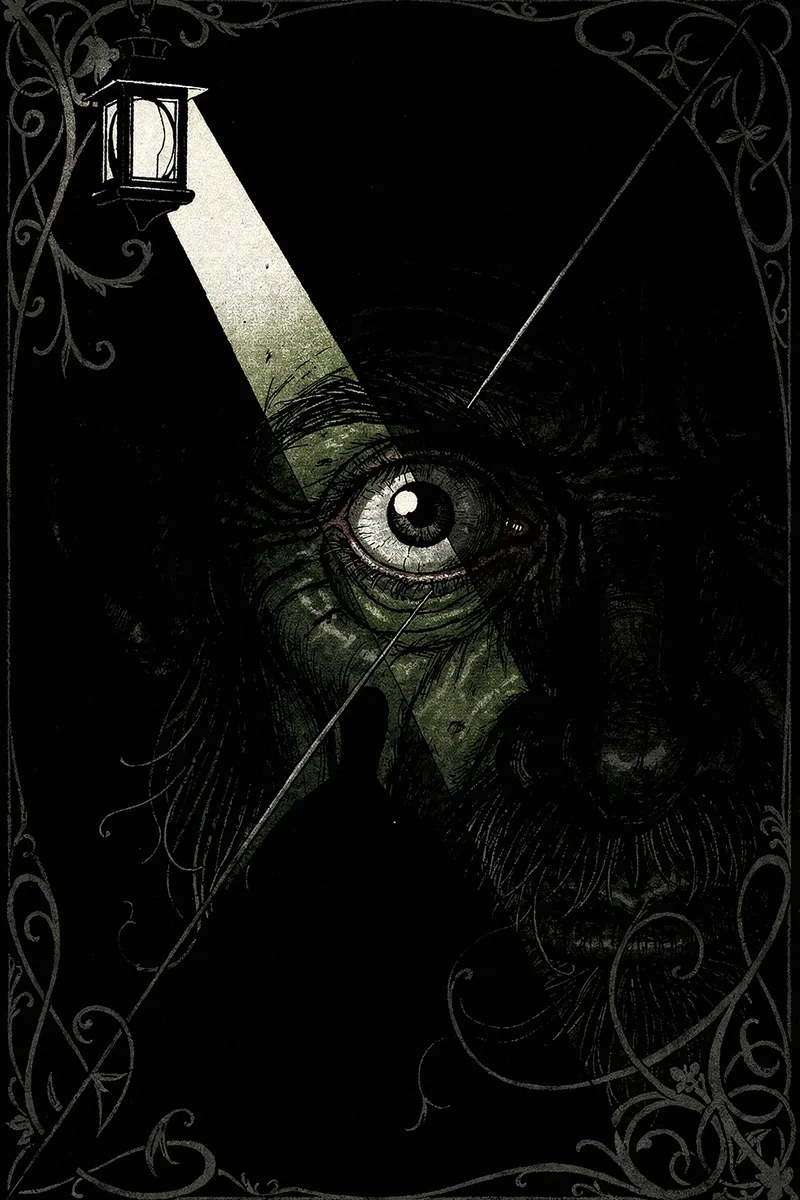
A nervous narrator swears he is not mad — even as he confesses how, over seven nights, he crept into an old man’s room to murder him for the sake of a single pale, filmy “vulture eye.”
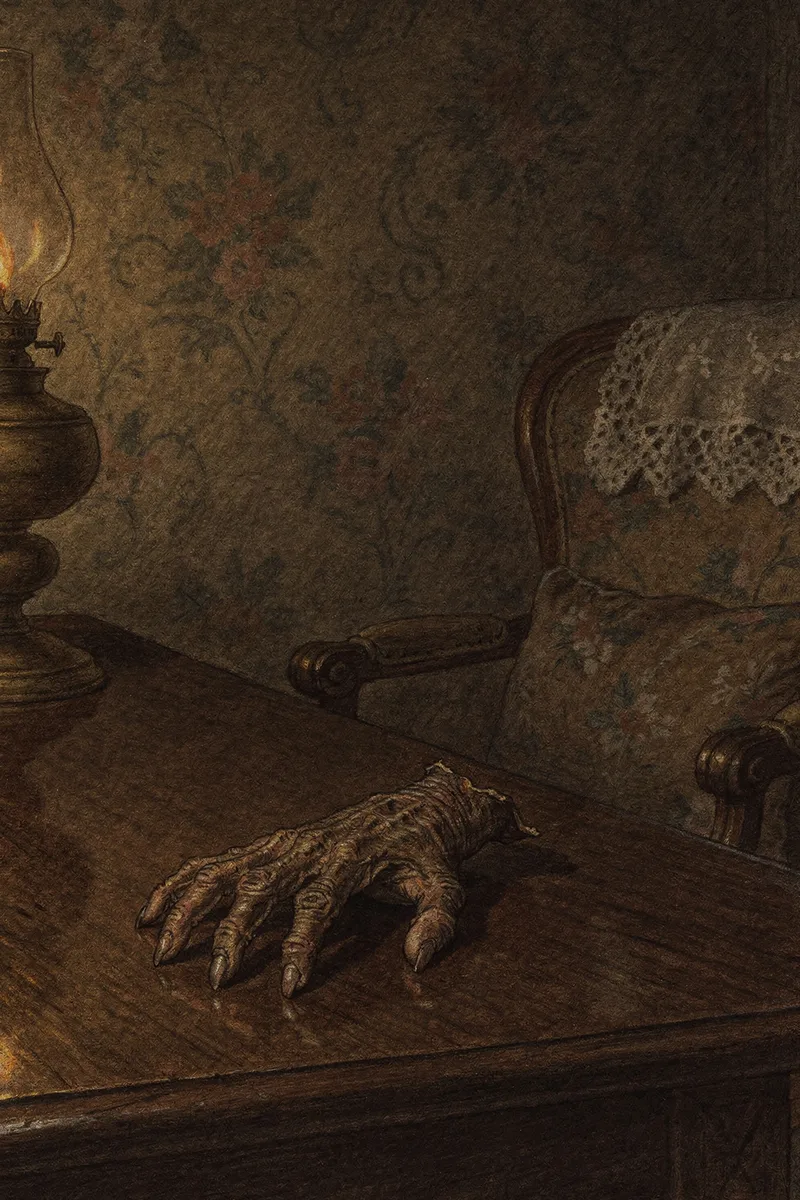
A dried, mummified talisman carried home from India promises three wishes to whoever holds it — but the old fakir who cursed it meant to prove that fate rules our lives, and that those who meddle with it do so to their sorrow.
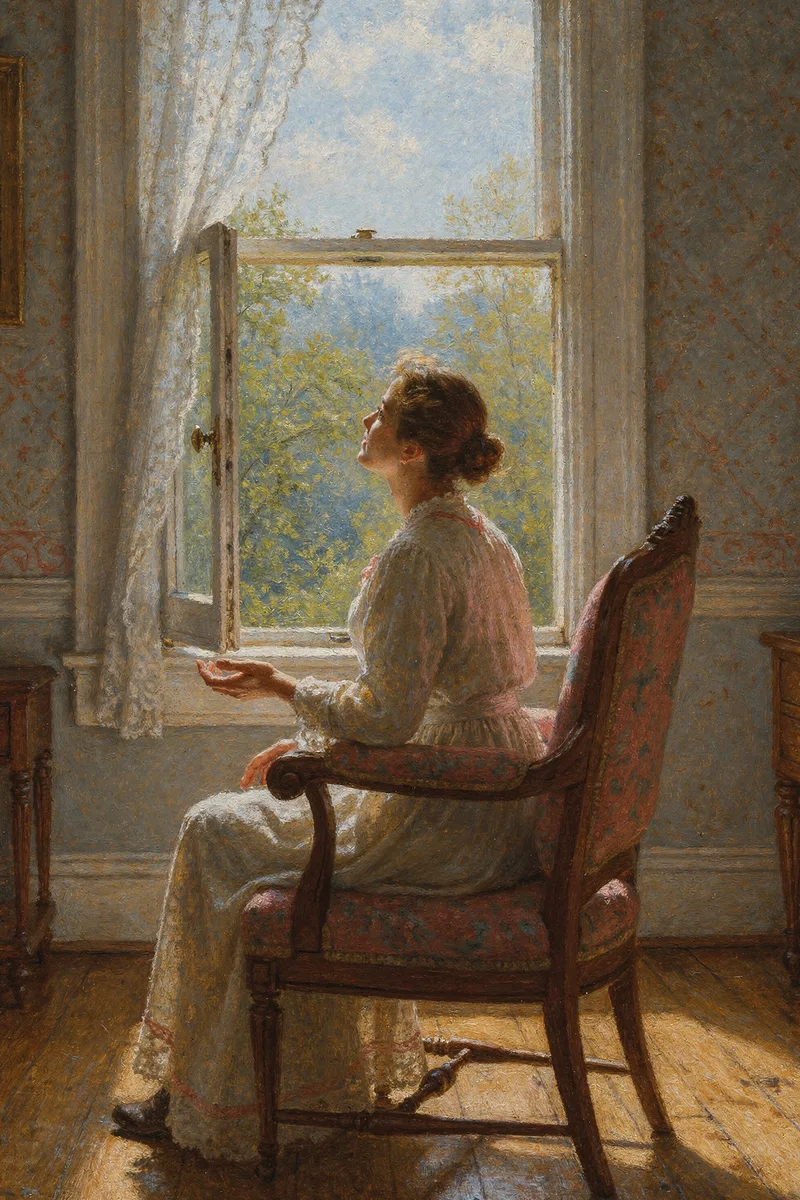
In a single hour and barely a thousand words, Kate Chopin detonates a century of assumptions about marriage.