The Story of an Hour
About this story
In a single hour and barely a thousand words, Kate Chopin detonates a century of assumptions about marriage. Told that her husband has died in a railway accident, the frail Louise Mallard weeps at once — then climbs alone to her room, sinks into an armchair before an open window, and feels a forbidden word rise to her lips: 'free, free, free.' What follows is one of American literature's most subtly radical epiphanies, sealed by a final twist that inverts everything. A pioneering forerunner of feminist fiction — long condemned, now firmly canonical — Chopin distills her lifelong theme of a woman's suppressed hunger for selfhood into a compact marvel that remains among the most widely anthologised stories ever written.
By the numbers
About the author
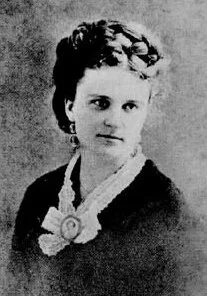
Kate Chopin (1850–1904) was an American novelist and short-story writer from St. Louis, Missouri, now regarded as a pioneering forerunner of 20th-century feminist literature. In her own day she was admired chiefly as a regional 'local color' writer of the Louisiana Creole and Cajun world, publishing more than a hundred finely crafted short stories, among them 'Désirée's Baby' and 'The Storm.' Her 1899 novel The Awakening was condemned at publication for its frank treatment of a woman's desire and independence, and only after Per Seyersted's 1969 Complete Works did she achieve her present standing as a major American author. 'The Story of an Hour' (1894) is among her most celebrated and widely anthologized works — a compact masterpiece that distills her recurring theme of a woman's suppressed longing for selfhood.
Recognition
The story is "one of feminism's sacred texts."
Kate Chopin "was a life-long connoisseur of rickety marriages, and all her wisdom is on display in her piercing analysis of this thoroughly average one."
Kate Chopin had to disguise reality. She had to have her heroine die. A story in which an unhappy wife is suddenly widowed, becomes rich, and lives happily ever after . . . would have been much too radical, far too threatening in the 1890s.
Love has been, for Louise and others, the primary purpose of life, but through her new perspective, Louise comprehends that "love, the unsolved mystery" counts for very little. . . . Love is not a substitute for selfhood; indeed, selfhood is love's precondition.
Practice typing
Type this retelling one piece at a time — your progress is saved as you go.
If you liked this
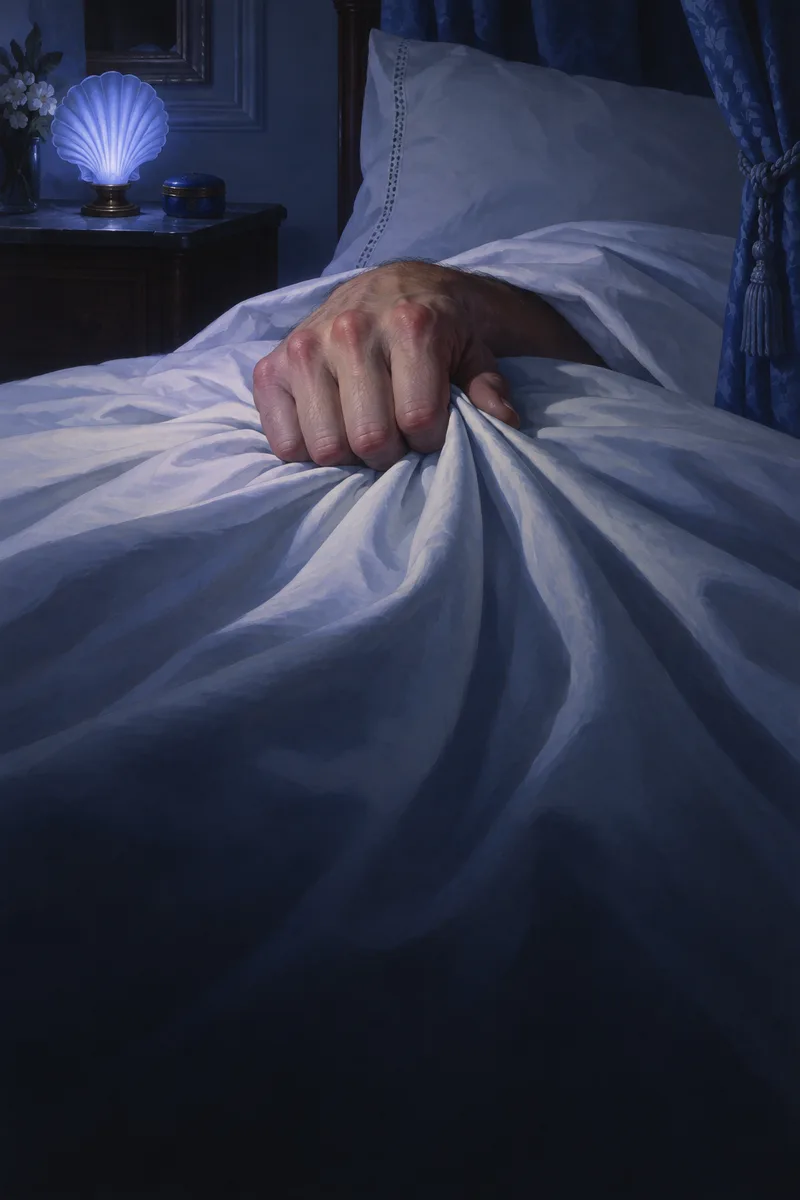
Two weeks into her marriage, a young bride lies awake beside her sleeping husband, proudly bearing the weight of his fair head on her shoulder.
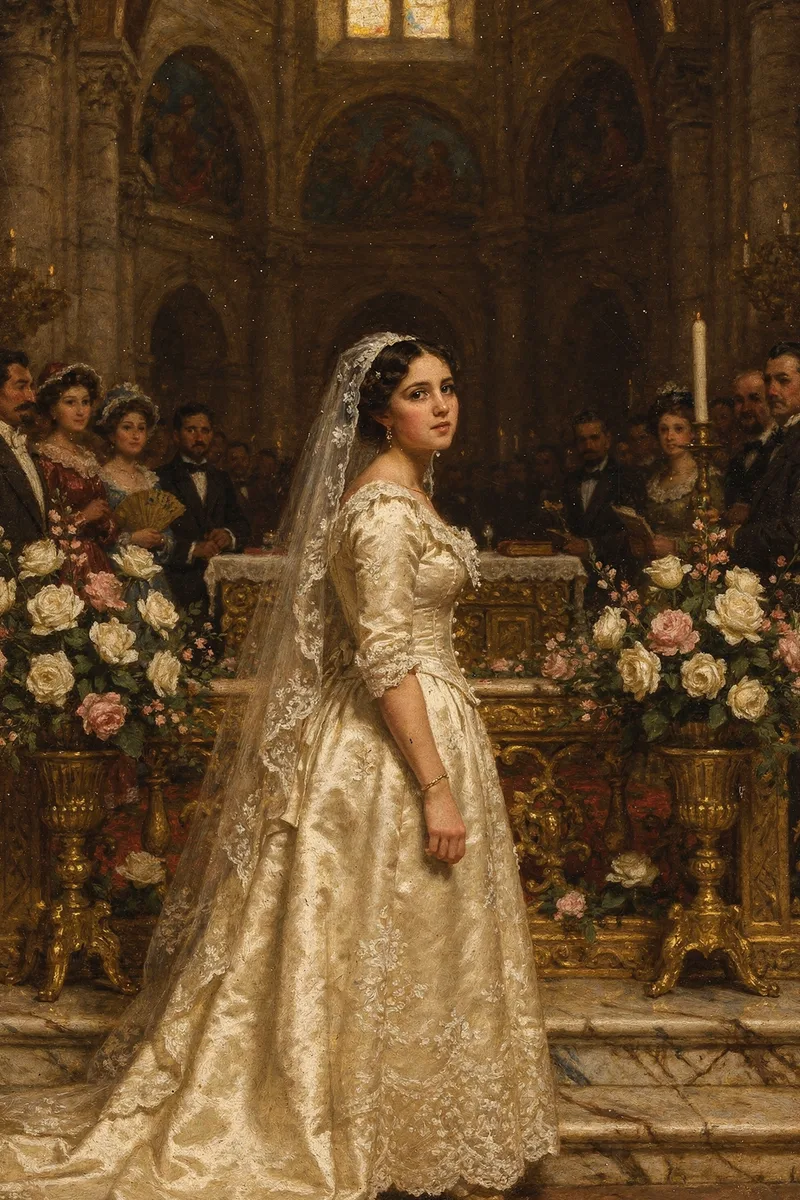
At her own wedding, before a glittering high-society crowd, Micaelita Aránguiz reaches the altar — and answers the bishop's question with a clear, ringing «no», breaking off the marriage in front of everyone.

At the bottom of a damp railway cutting, beside the black mouth of a tunnel, a lonely signalman keeps watch over the line — and over a figure no one else can see.
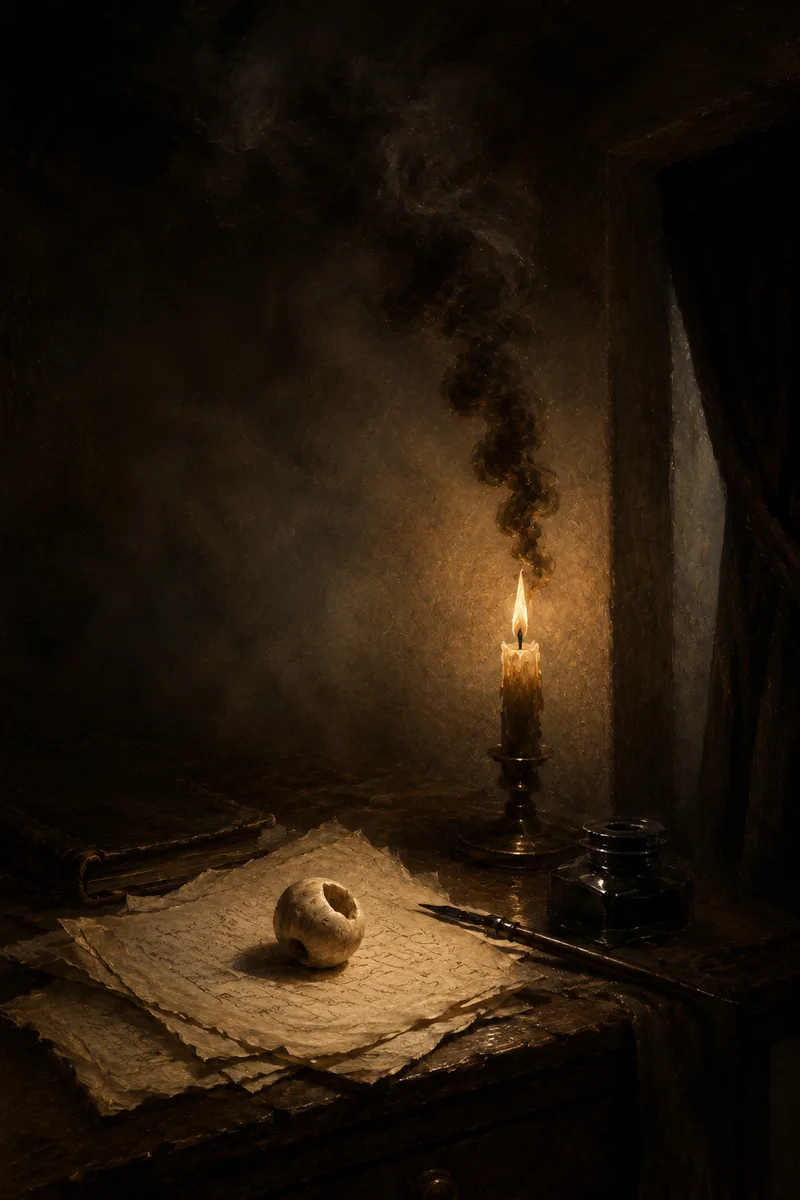
A student accepts a handful of human bones from a friend who teaches anatomy at Pavia, and for eleven years one of them — a small, polished kneecap — holds down the papers on his desk.