The Torn Lace
About this story
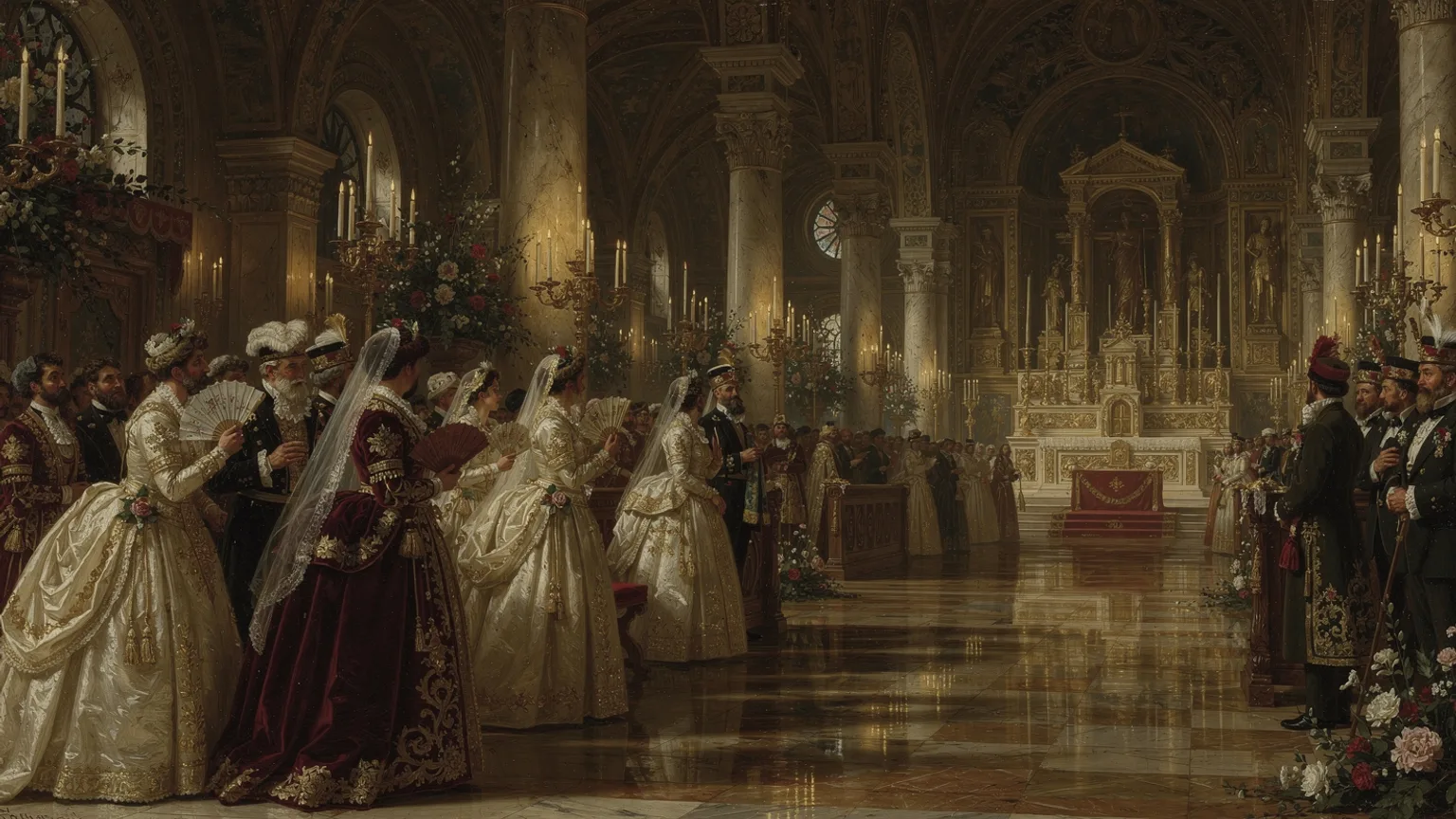
At her own wedding, before a glittering high-society crowd, Micaelita Aránguiz reaches the altar — and answers the bishop's question with a clear, ringing «no», breaking off the marriage in front of everyone. For three years no one learns why. Emilia Pardo Bazán's 1897 story is a sharp, elegant miniature about a woman's freedom and the split second in which one small accident — a torn lace veil — lays a soul bare. A landmark of Spanish realism by one of its boldest writers, «El encaje roto» (The Torn Lace) turns a society scandal into a subtle, cutting lesson about character, appearances, and the right to say no.
By the numbers
About the author
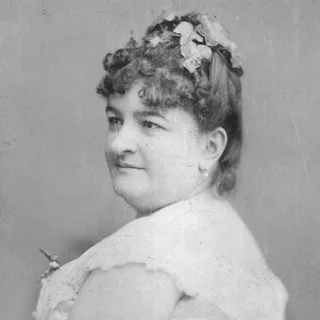
Emilia Pardo Bazán (1851–1921) was one of the most important Spanish writers of the nineteenth century: a novelist, journalist, literary critic and essayist born into a noble Galician family in A Coruña. She introduced French naturalism to Spain with her polemical essay «La cuestión palpitante» (1883) and produced masterpieces such as «Los pazos de Ulloa» (1886). A prolific author of nearly six hundred short stories, she was also an outspoken feminist who campaigned for women's education and rights, becoming the first woman to head the Literary Section of the Ateneo of Madrid; in 1908 King Alfonso XIII granted her the hereditary title of countess.
Recognition
Pardo Bazán is the finest stylist of nineteenth-century Spain and is certainly one of the most important writers in the long history of Spanish literature.
Although written a century ago, these stories by Emilia Pardo Bazán are strikingly relevant to contemporary concerns. Noted for narrative complexity, stylistic variety, and feminist themes, her stories explore many aspects of the relationships between men and women.
One of the most prominent themes in her short fiction is that of violence perpetrated by men against women: several of her stories are led by women who do not hesitate to stand up to their abuser, or who realize in time what the man is really like.
Emilia, condesa de Pardo Bazán, was an outstanding Spanish novelist noted for introducing naturalism into Spanish literature; she was also a leading advocate of feminism and better education for women in Spain.
Practice typing
Type this retelling one piece at a time — your progress is saved as you go.
If you liked this
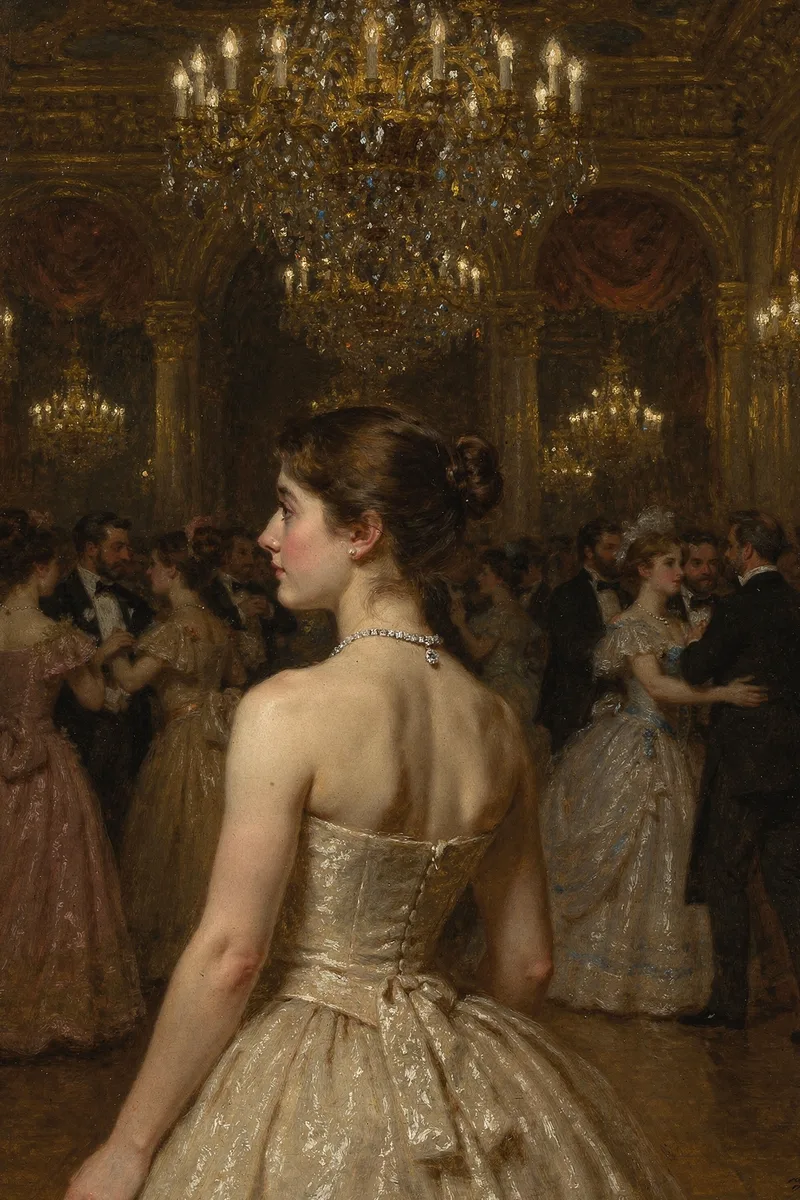
Mathilde Loisel, a pretty clerk's wife who aches for a life of luxury she will never have, borrows a glittering diamond necklace from a rich friend to shine for one night at a grand ministry ball — and loses it on the way home.
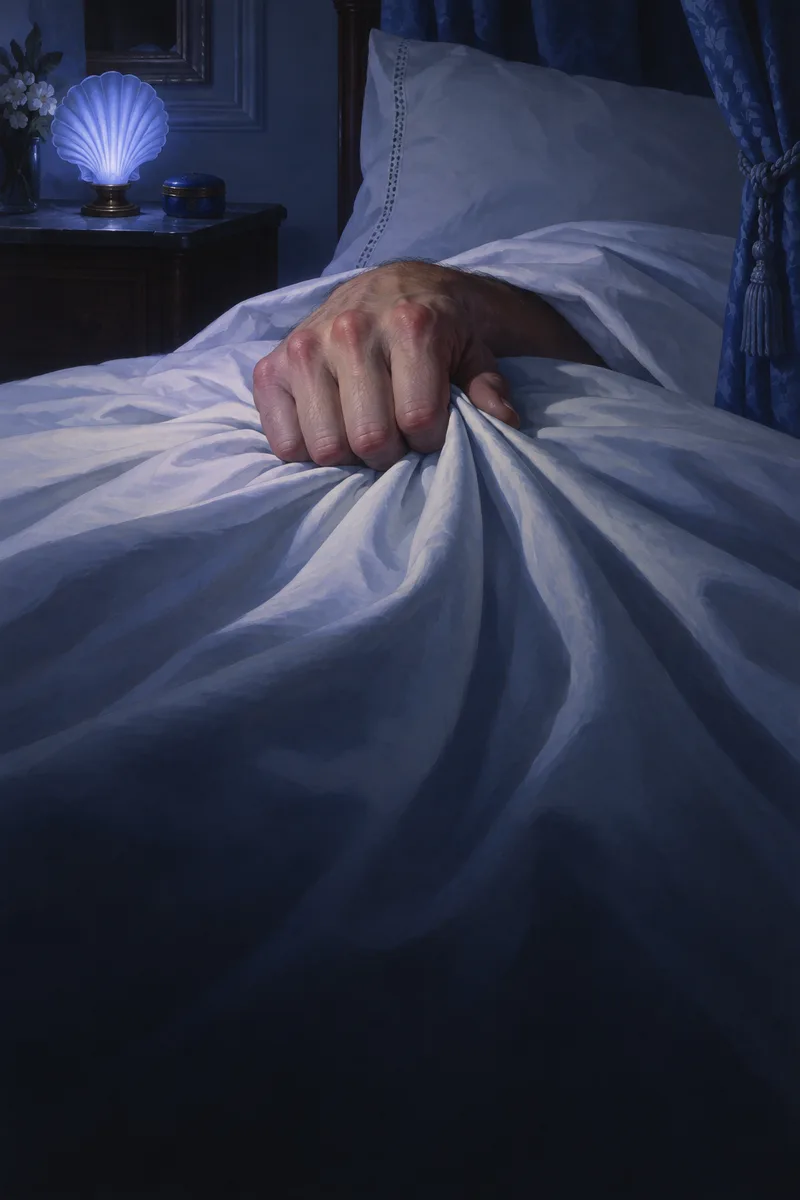
Two weeks into her marriage, a young bride lies awake beside her sleeping husband, proudly bearing the weight of his fair head on her shoulder.
In a single hour and barely a thousand words, Kate Chopin detonates a century of assumptions about marriage.
On a sleepless Christmas Eve, a seventeen-year-old boy waiting to leave for midnight mass falls into a long, murmured conversation with Conceição, his host's thirty-year-old wife.