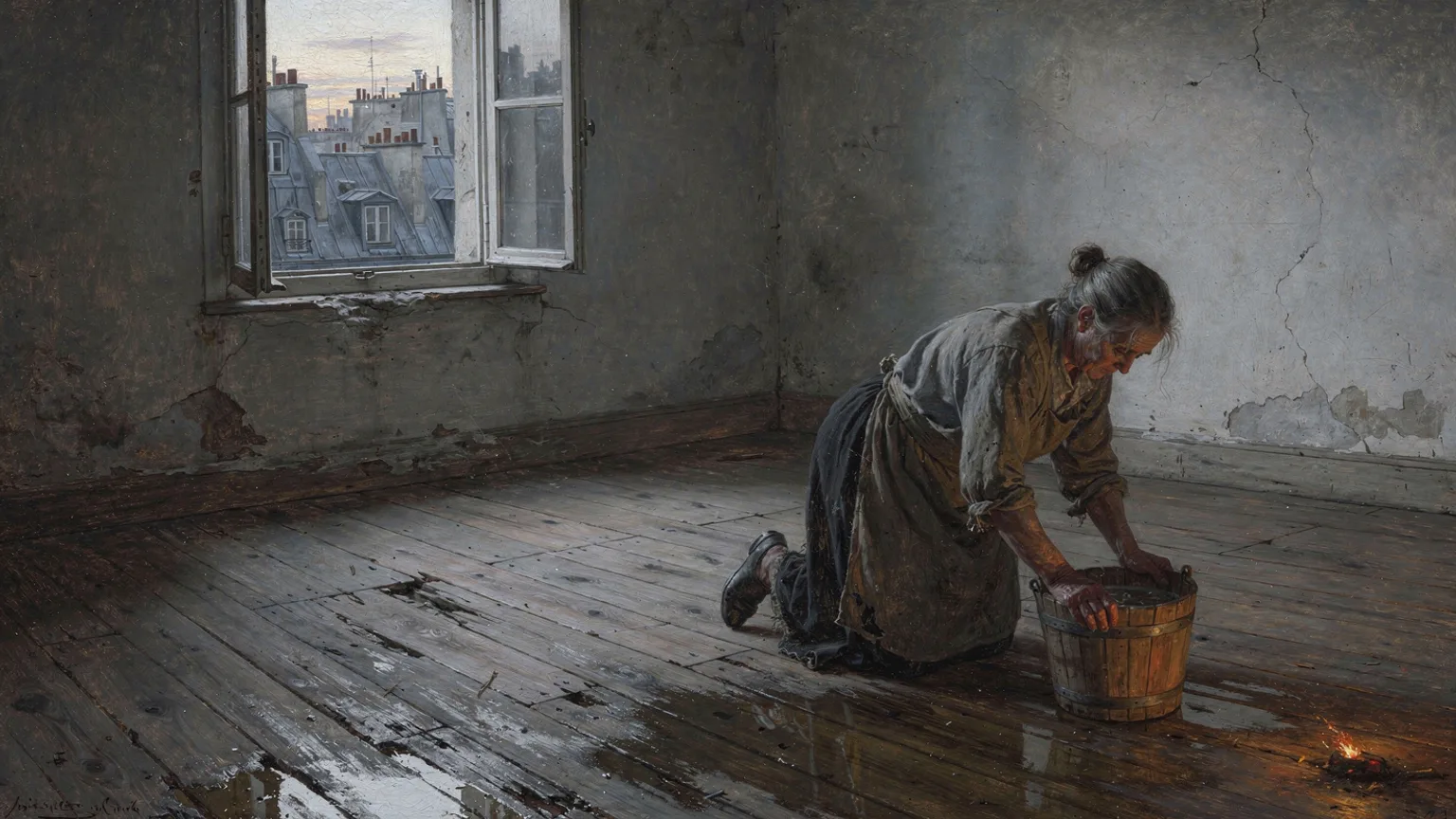
The Necklace
About this story
Mathilde Loisel, a pretty clerk's wife who aches for a life of luxury she will never have, borrows a glittering diamond necklace from a rich friend to shine for one night at a grand ministry ball — and loses it on the way home. Guy de Maupassant's 1884 tale is a perfectly built story of vanity, pride and cruel irony, in which a single careless evening costs the Loisels ten years of grinding poverty to repay a debt they need never have owed. One of the most famous short stories ever written, «La Parure» (The Necklace) is a masterclass in the twist ending and a cornerstone of French realism — a pitiless lesson about appearances and the price of pretending.
By the numbers
About the author
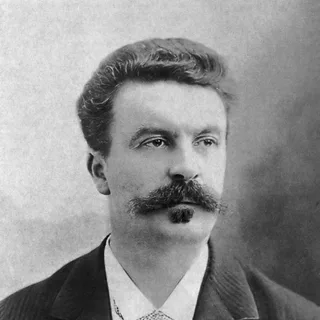
Guy de Maupassant (1850–1893) was a French writer widely regarded as one of the supreme masters of the short story. A protégé of Gustave Flaubert and a member of Émile Zola's naturalist Médan circle, he produced roughly 300 tales and six novels in a single explosive decade, beginning with the celebrated war story «Boule de Suif» (1880). His signature works include the novel «Bel-Ami» (1885) and the fantastic tale «Le Horla» (1887), alongside dozens of terse, unsentimental stories of Norman peasant life. «La Ficelle» (1883), first published in Le Gaulois, belongs to that group of Norman tales and is often cited as a model of his economical realism and mordant view of provincial cruelty. His career was cut short by illness, and he died in 1893, aged 42.
Recognition
Maupassant is by general agreement the greatest French short-story writer.
Like most of Maupassant's short stories, it was an instant success, and it has become his best-known work — his most widely read and anthologized story.
Maupassant's literary education came through an informal apprenticeship to Gustave Flaubert, who introduced him to Émile Zola, Ivan Turgenev, and Henry James.
First published on 17 February 1884 in the newspaper Le Gaulois, «The Necklace» is celebrated for its twist ending: after ten years of hardship spent repaying a lost diamond necklace, its heroine learns the original was only a cheap imitation.
Practice typing
Type this retelling one piece at a time — your progress is saved as you go.
If you liked this
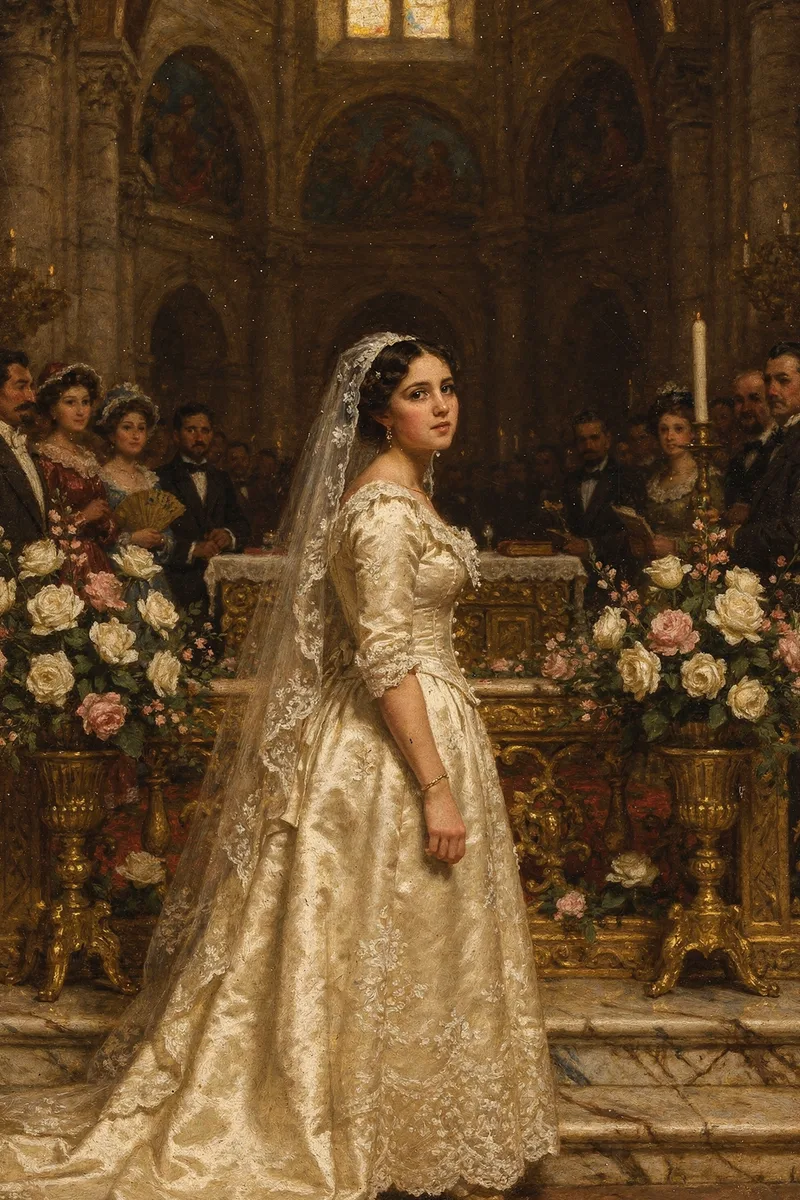
At her own wedding, before a glittering high-society crowd, Micaelita Aránguiz reaches the altar — and answers the bishop's question with a clear, ringing «no», breaking off the marriage in front of everyone.
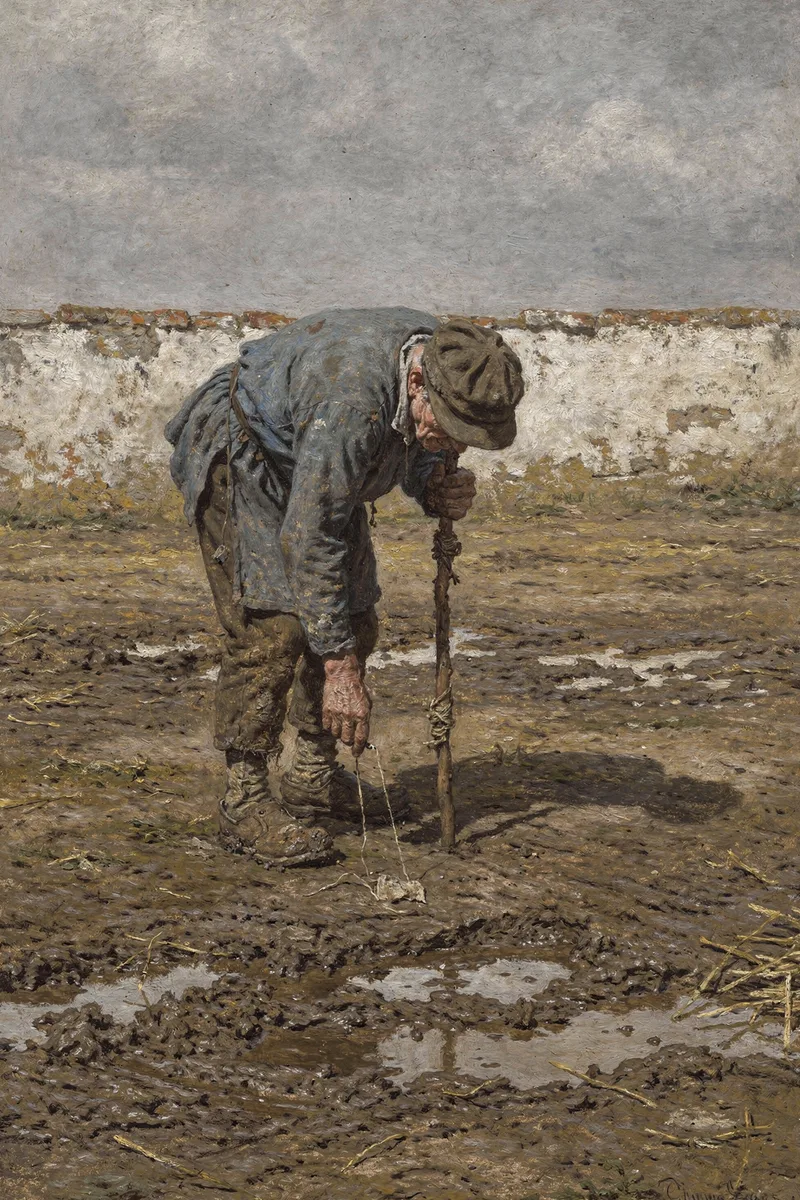
At the Goderville market, a thrifty old Norman named Hauchecorne stoops to pick a scrap of string from the mud — and a lifelong enemy sees him do it.
«There are more things in heaven and earth than are dreamt of in your philosophy.» With Hamlet's words Machado de Assis opens his most famous tale of fate and self-deception.
A tired traveller shares a room at a country inn, and a mild-mannered stranger named Macário begins to unburden himself of the strange love story of his life: how a fair-haired girl glimpsed across a Lisbon street became the moral compass of his existence, how he defied a tyrannical uncle and crossed the seas to Cape Verde to earn the right to marry her — and how a single, devastating moment in a jeweller's shop undid everything.