A Piece of String
About this story
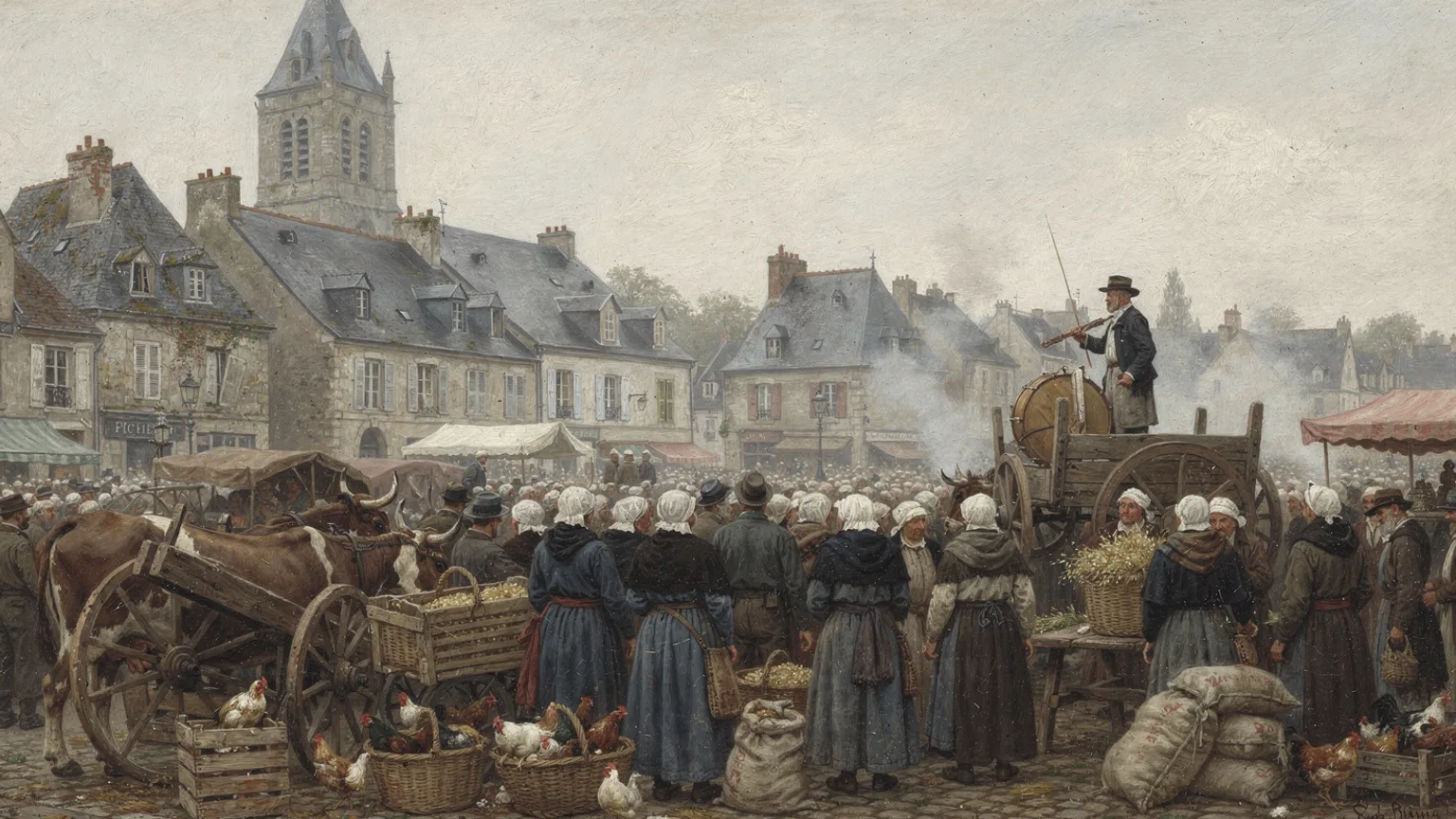
At the Goderville market, a thrifty old Norman named Hauchecorne stoops to pick a scrap of string from the mud — and a lifelong enemy sees him do it. When a wallet stuffed with five hundred francs is cried lost that same morning, that single glance hardens into an accusation no oath can undo. Even after the wallet is honestly returned, the village decides he must have had an accomplice, and the joke pursues him to his grave. Guy de Maupassant — Flaubert's protégé and the supreme master of the French short story — turns a trifle into a merciless parable of rumour, pride and provincial cruelty. Type it line by line and feel every barb strike home.
By the numbers
About the author
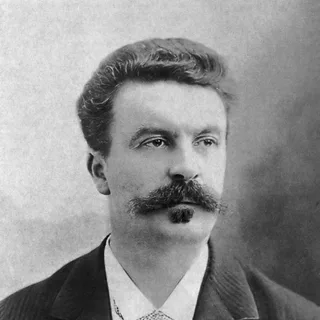
Guy de Maupassant (1850–1893) was a French writer widely regarded as one of the supreme masters of the short story. A protégé of Gustave Flaubert and a member of Émile Zola's naturalist Médan circle, he produced roughly 300 tales and six novels in a single explosive decade, beginning with the celebrated war story «Boule de Suif» (1880). His signature works include the novel «Bel-Ami» (1885) and the fantastic tale «Le Horla» (1887), alongside dozens of terse, unsentimental stories of Norman peasant life. «La Ficelle» (1883), first published in Le Gaulois, belongs to that group of Norman tales and is often cited as a model of his economical realism and mordant view of provincial cruelty. His career was cut short by illness, and he died in 1893, aged 42.
Recognition
Here it is where Maupassant's austerity comes in. He refrains from setting his cleverness against the eloquence of the facts. There is humour and pathos in these stories; but such is the greatness of his talent, the refinement of his artistic conscience, that all his high qualities appear inherent in the very things of which he speaks.
His eye selects unerringly, unscrupulously, almost impudently--catches the particular thing in which the character of the object or the scene resides, and, by expressing it with the artful brevity of a master, leaves a convincing, original picture.
At the very first stroke he produced the decisive work; he ranked himself among the masters. [...] People understood him because he was clarity, simplicity, measure and force.
[Maupassant] would be regarded for centuries as one of the greatest masters of the short story.
Practice typing
Type this retelling one piece at a time — your progress is saved as you go.
If you liked this
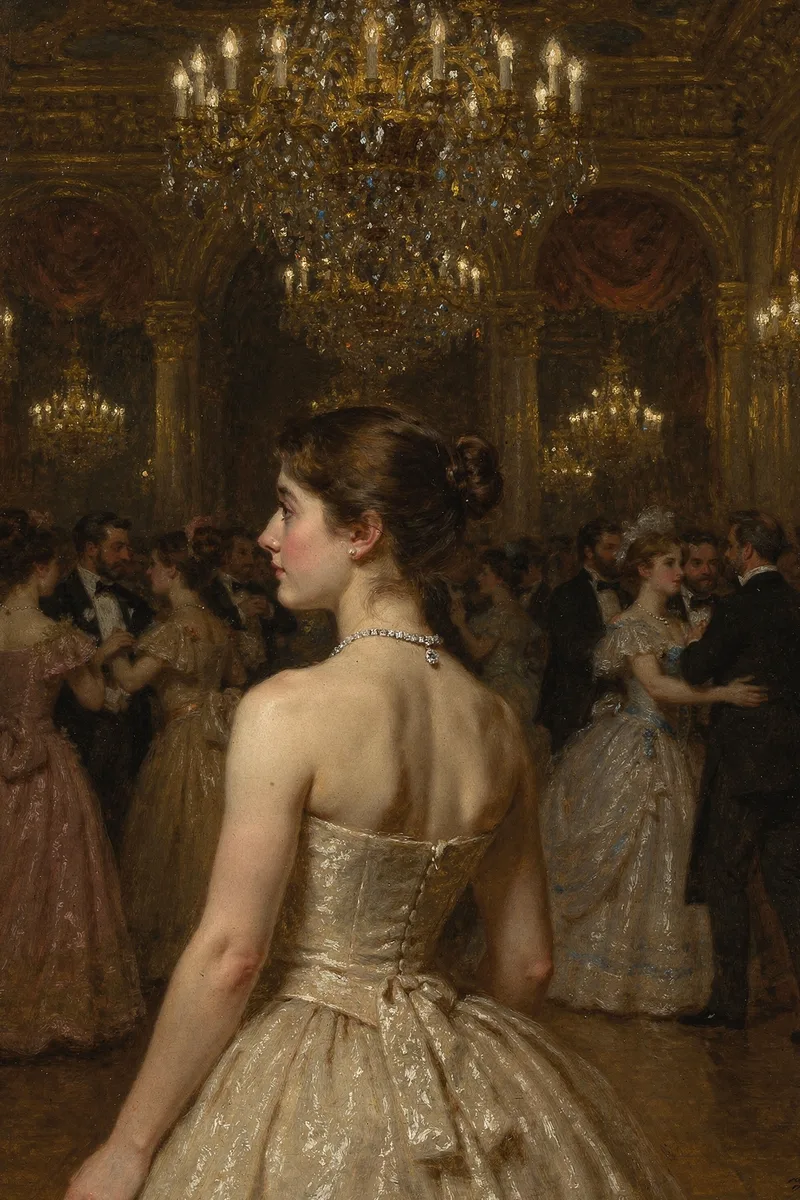
Mathilde Loisel, a pretty clerk's wife who aches for a life of luxury she will never have, borrows a glittering diamond necklace from a rich friend to shine for one night at a grand ministry ball — and loses it on the way home.
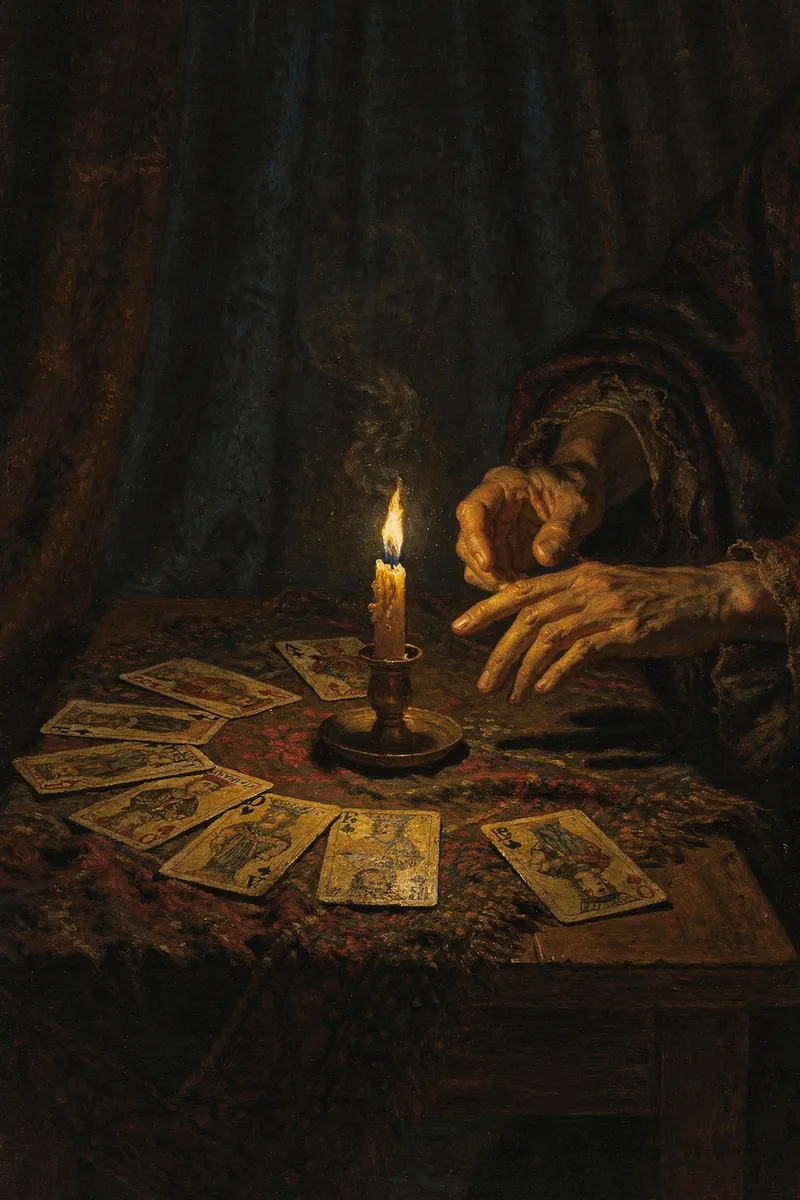
«There are more things in heaven and earth than are dreamt of in your philosophy.» With Hamlet's words Machado de Assis opens his most famous tale of fate and self-deception.
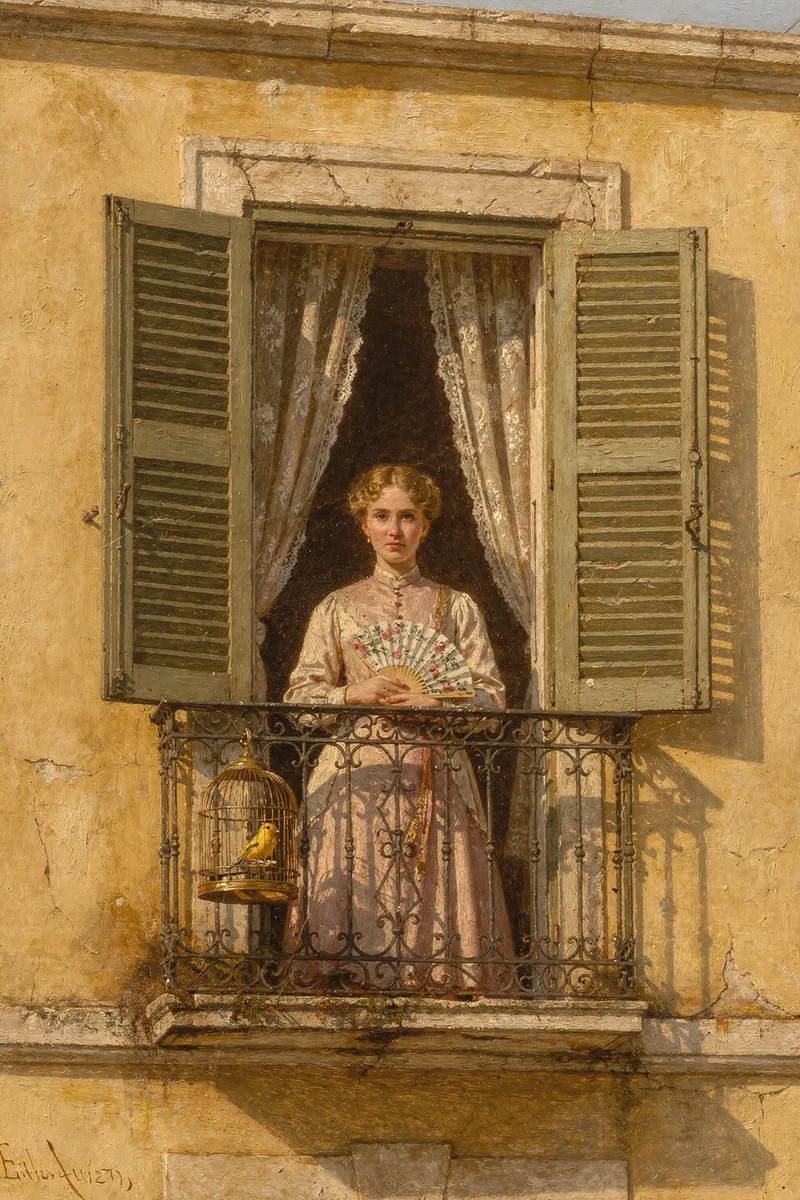
A tired traveller shares a room at a country inn, and a mild-mannered stranger named Macário begins to unburden himself of the strange love story of his life: how a fair-haired girl glimpsed across a Lisbon street became the moral compass of his existence, how he defied a tyrannical uncle and crossed the seas to Cape Verde to earn the right to marry her — and how a single, devastating moment in a jeweller's shop undid everything.
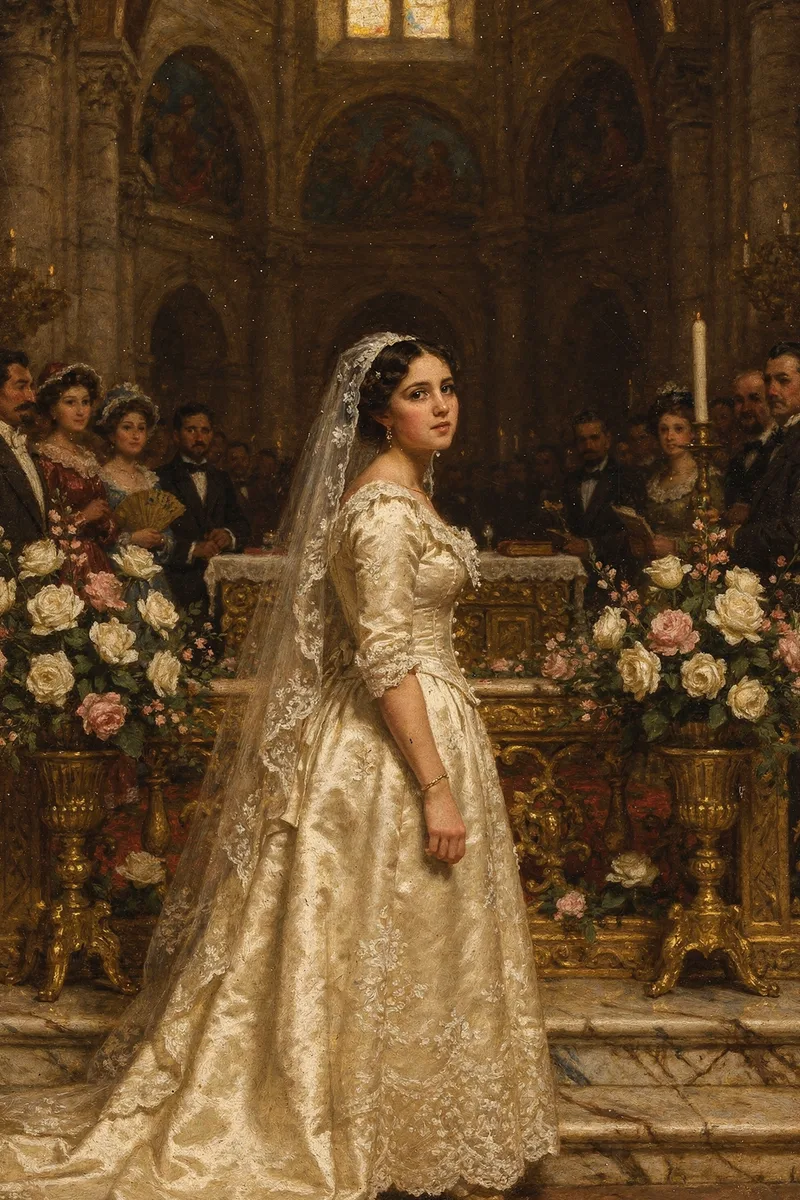
At her own wedding, before a glittering high-society crowd, Micaelita Aránguiz reaches the altar — and answers the bishop's question with a clear, ringing «no», breaking off the marriage in front of everyone.