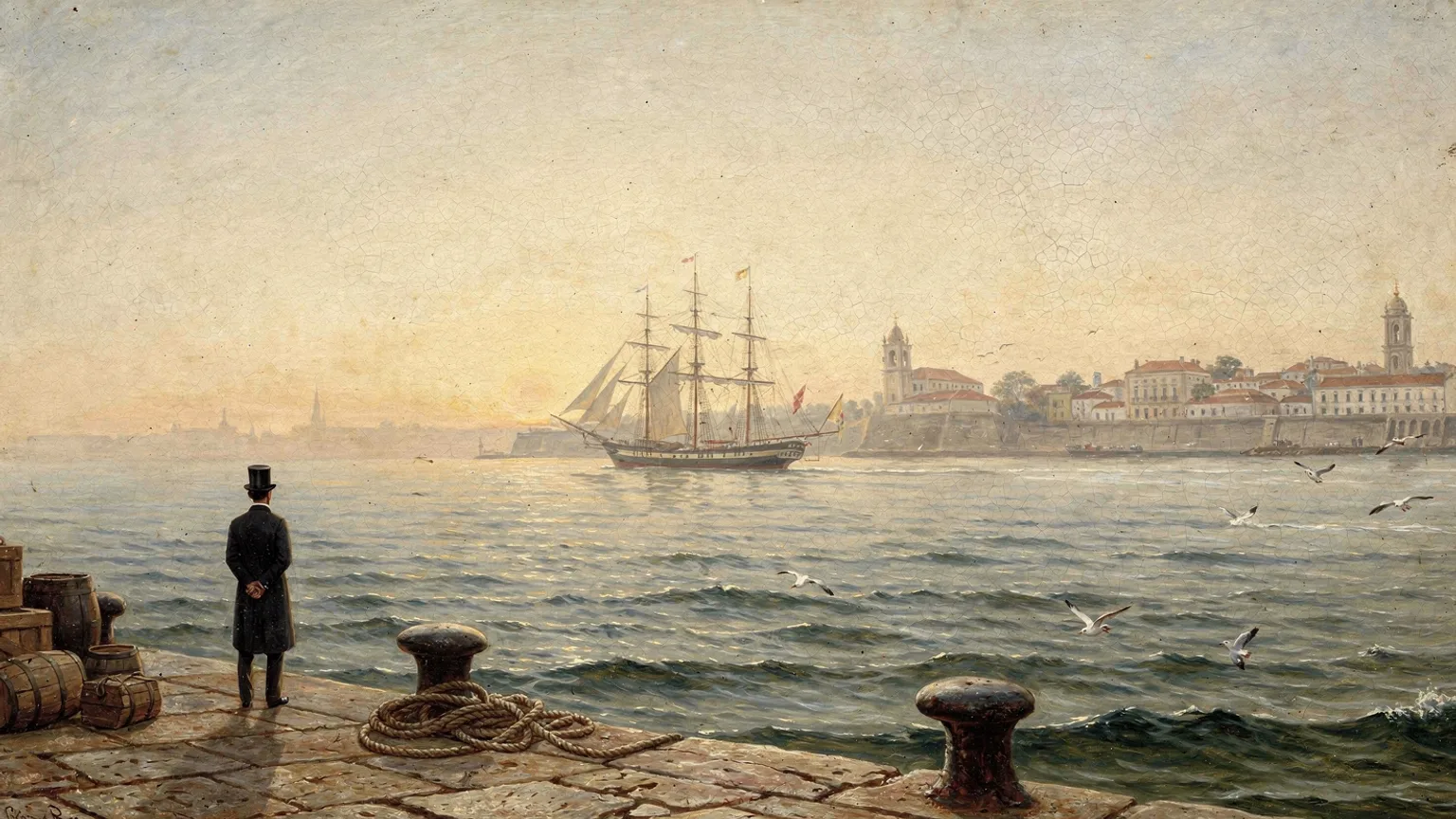
The Idiosyncrasies of a Young Blonde Woman
About this story
A tired traveller shares a room at a country inn, and a mild-mannered stranger named Macário begins to unburden himself of the strange love story of his life: how a fair-haired girl glimpsed across a Lisbon street became the moral compass of his existence, how he defied a tyrannical uncle and crossed the seas to Cape Verde to earn the right to marry her — and how a single, devastating moment in a jeweller's shop undid everything. Written in 1874, this is widely regarded as the first Portuguese Realist short story, an ironic, anti-Romantic gem by Eça de Queirós, the nineteenth century's greatest Portuguese novelist, whom Zola ranked above Flaubert.
By the numbers
About the author
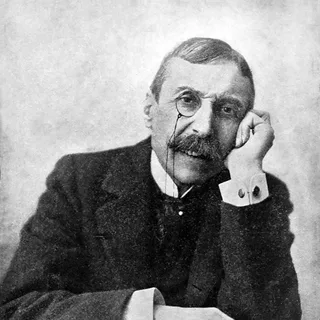
José Maria de Eça de Queirós (1845–1900) was the foremost Portuguese novelist of the nineteenth century, the writer who brought Realism and Naturalism into Portuguese letters and wielded fiction as an instrument of social criticism. His major novels — O Crime do Padre Amaro (1876), O Primo Basílio (1878) and, above all, Os Maias (1888), widely held to be his masterpiece — anatomise the society of his age with mordant irony. He spent his later years as Portuguese consul in Bristol, Newcastle and Paris, where he died in 1900. 'Singularidades de uma Rapariga Loura,' written for a subscribers' gift edition of the Diário de Notícias and published in 1874, is generally described as the first Portuguese Realist short story and an early display of the ironic, anti-Romantic manner that would define his novels.
Recognition
Émile Zola considered Eça de Queirós to be far greater than Flaubert.
Writing in the London Observer, the critic Jonathan Keates ranked Eça de Queirós alongside Dickens, Balzac and Tolstoy.
The Maias has been called 'the greatest book by Portugal's greatest novelist' — a verdict José Saramago passed on the work of Eça de Queirós.
Eça left his mark on the Portuguese literary scene with a body of work of the highest quality; the novelist handled narrative perspective and time with uncommon skill.
Practice typing
Type this retelling one piece at a time — your progress is saved as you go.
If you liked this
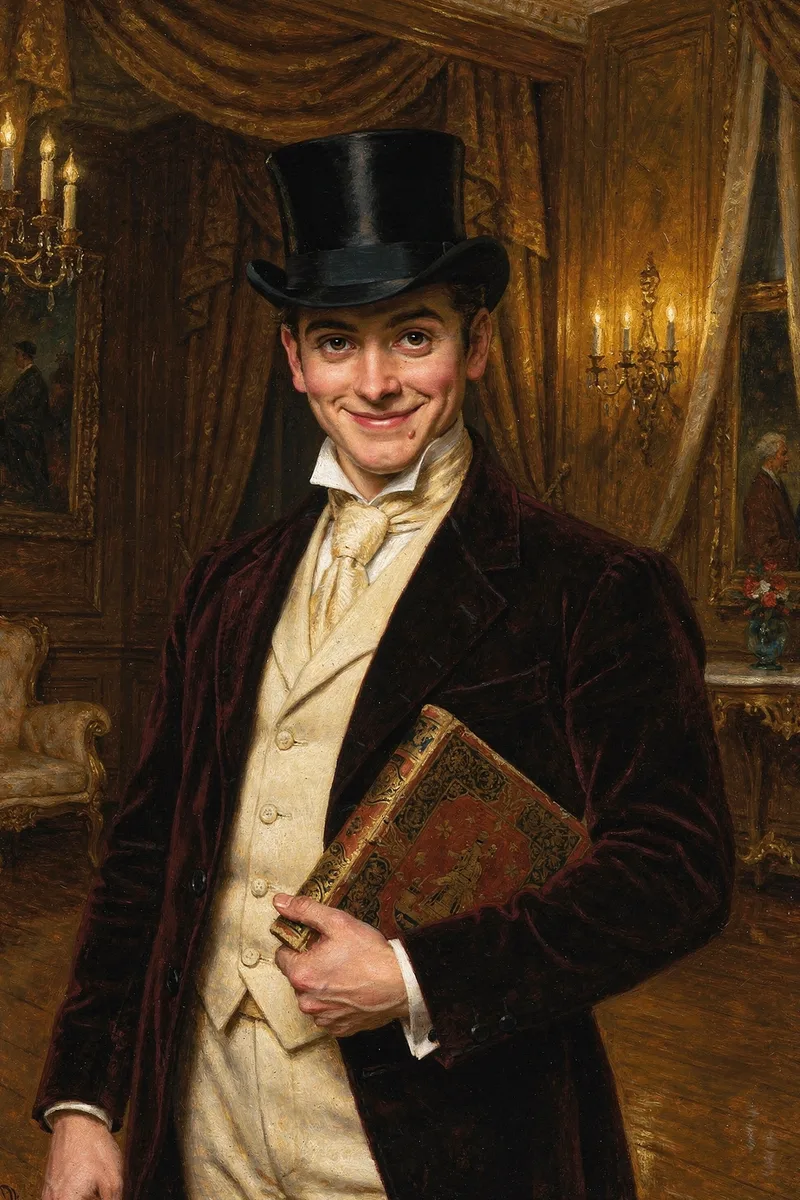
Down to his last coin, Castelo answers a newspaper advertisement seeking a teacher of Javanese — a language of which he does not know a single word.
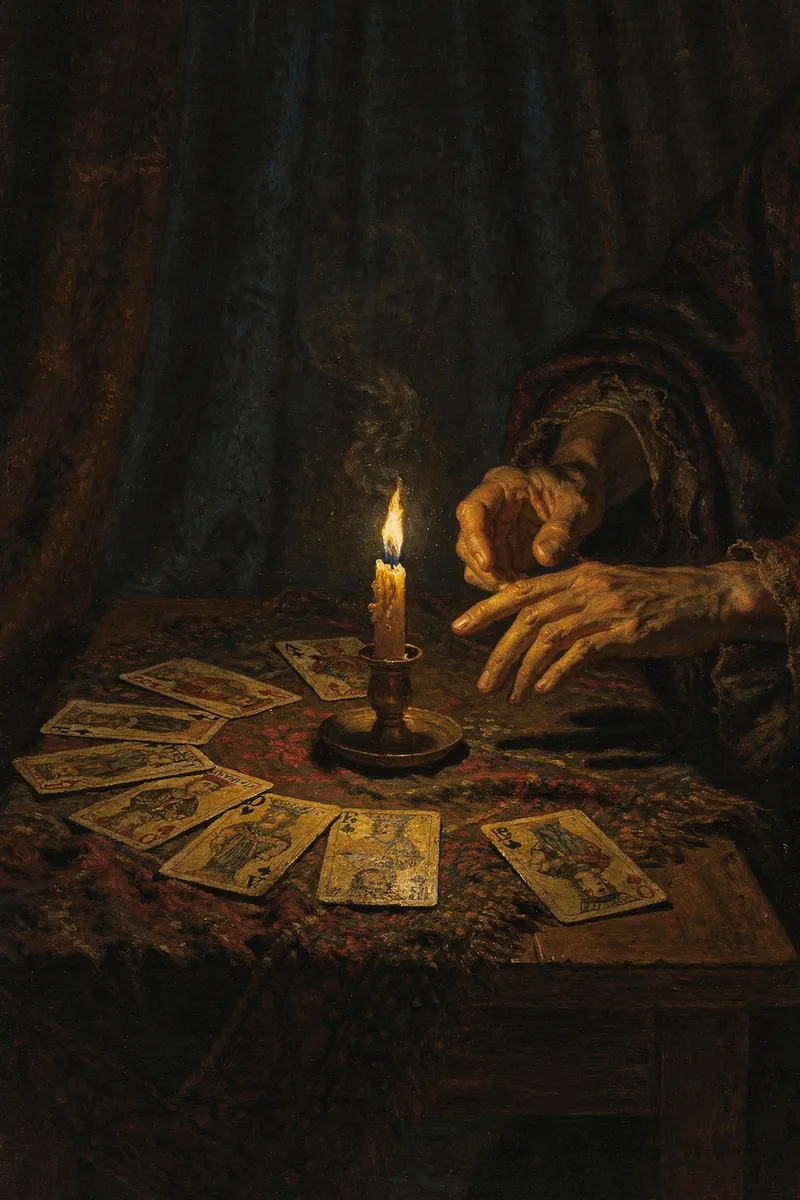
«There are more things in heaven and earth than are dreamt of in your philosophy.» With Hamlet's words Machado de Assis opens his most famous tale of fate and self-deception.
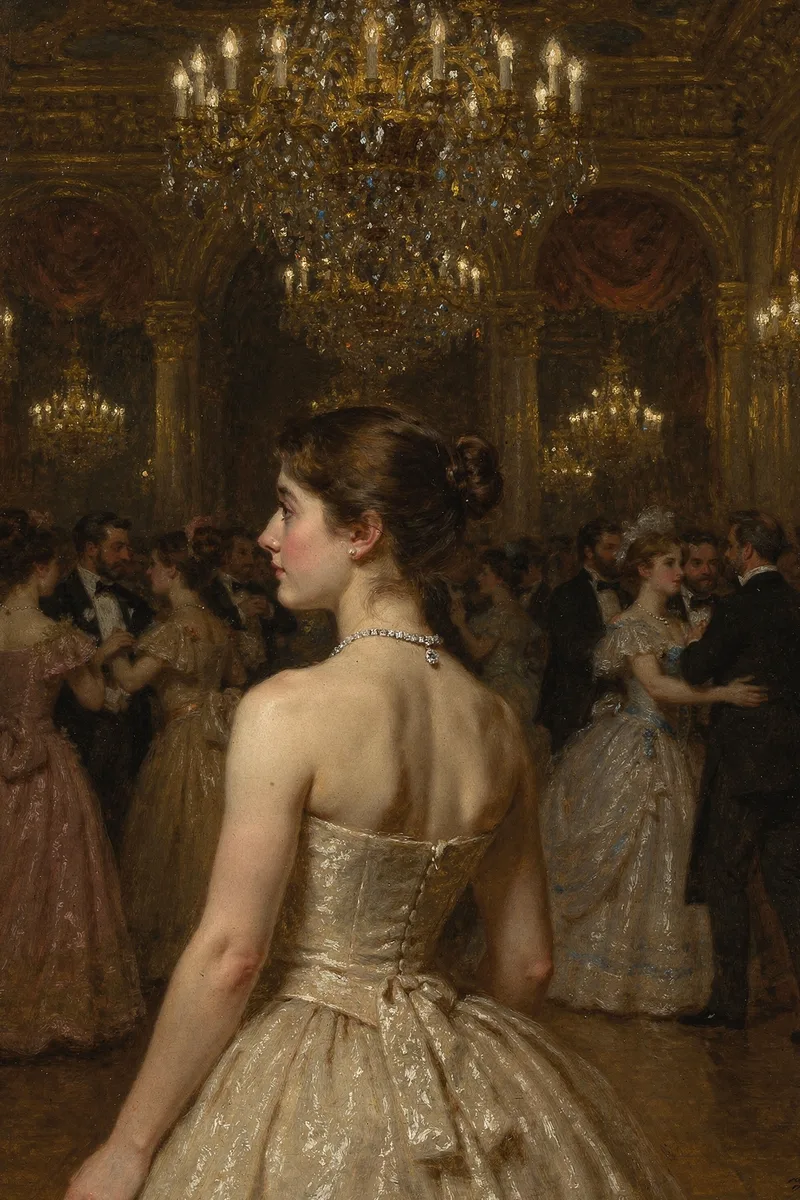
Mathilde Loisel, a pretty clerk's wife who aches for a life of luxury she will never have, borrows a glittering diamond necklace from a rich friend to shine for one night at a grand ministry ball — and loses it on the way home.
Two weeks into her marriage, a young bride lies awake beside her sleeping husband, proudly bearing the weight of his fair head on her shoulder.