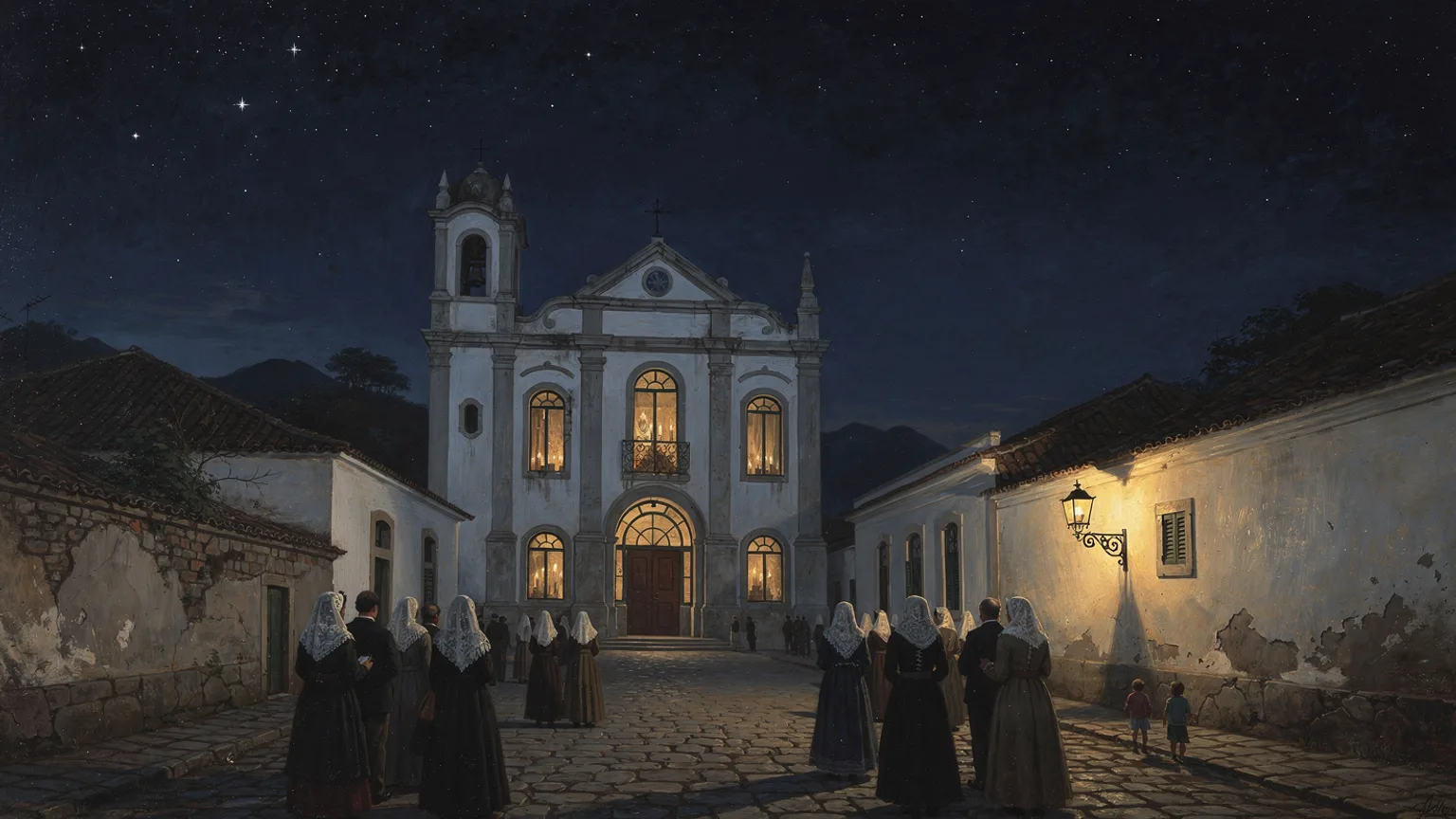
Midnight Mass
About this story
On a sleepless Christmas Eve, a seventeen-year-old boy waiting to leave for midnight mass falls into a long, murmured conversation with Conceição, his host's thirty-year-old wife. Nothing happens — and everything trembles beneath the surface. In this masterclass of ambiguity, Machado de Assis, the greatest of Brazilian writers and founding president of the Brazilian Academy of Letters, turns a single midnight exchange into an inexhaustible study of desire, innocence, and the unsaid. One of the most anthologized stories in the Portuguese language, 'Missa do Galo' proves why its author ranks among the supreme ironists of world literature. Read it once for the story; read it again for everything it refuses to tell you.
By the numbers
About the author
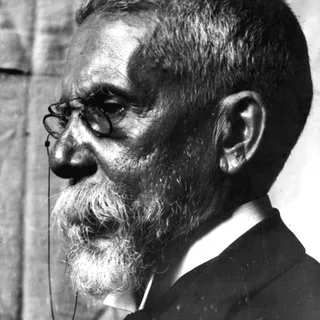
Joaquim Maria Machado de Assis (1839–1908) is widely regarded as the greatest Brazilian writer and the founder and first president of the Brazilian Academy of Letters. A self-taught son of a poor mixed-race family in Rio de Janeiro, he transformed Brazilian fiction with a mordant irony and psychological subtlety that anticipated literary modernism. His major novels — Memórias Póstumas de Brás Cubas (1881), Quincas Borba (1891) and Dom Casmurro (1899) — sit alongside a body of short stories, including 'O Alienista' and 'A Cartomante', that are pillars of the language. 'Missa do Galo', collected in Páginas Recolhidas (1899), is among his most celebrated and endlessly anthologized tales, a masterclass in ambiguity and the unsaid.
Recognition
It is one of the best stories Machado ever wrote; the analysis of desire is carried out with a delicate acuity that is rarely seen.
A supreme example of Joaquim Maria Machado de Assis's craftsmanship... a classic Brazilian short story, obligatory reading for any educated person in Brazil, and one of the most anthologized stories since it was first collected in 1899.
We are struck by the discursive density of Machado de Assis, who in this story reveals himself (once again) a profound connoisseur of the secrets of the human soul.
Practice typing
Type this retelling one piece at a time — your progress is saved as you go.
If you liked this
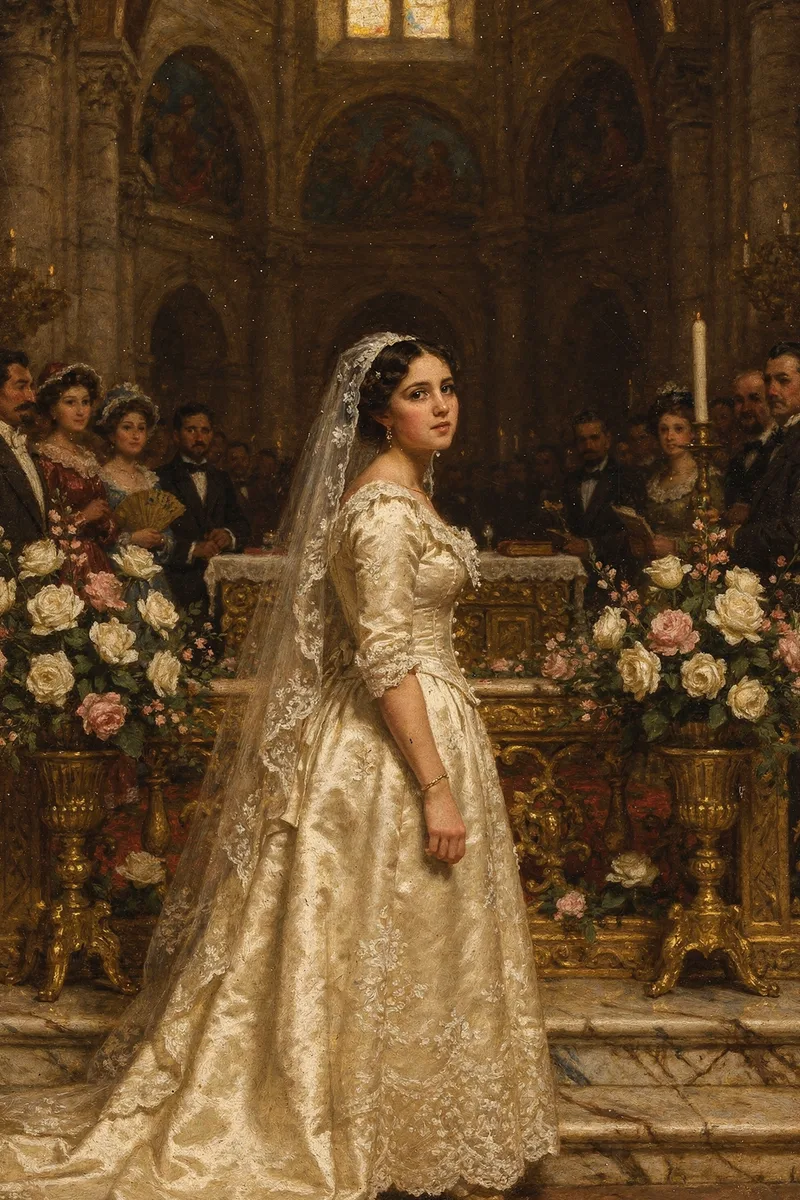
At her own wedding, before a glittering high-society crowd, Micaelita Aránguiz reaches the altar — and answers the bishop's question with a clear, ringing «no», breaking off the marriage in front of everyone.
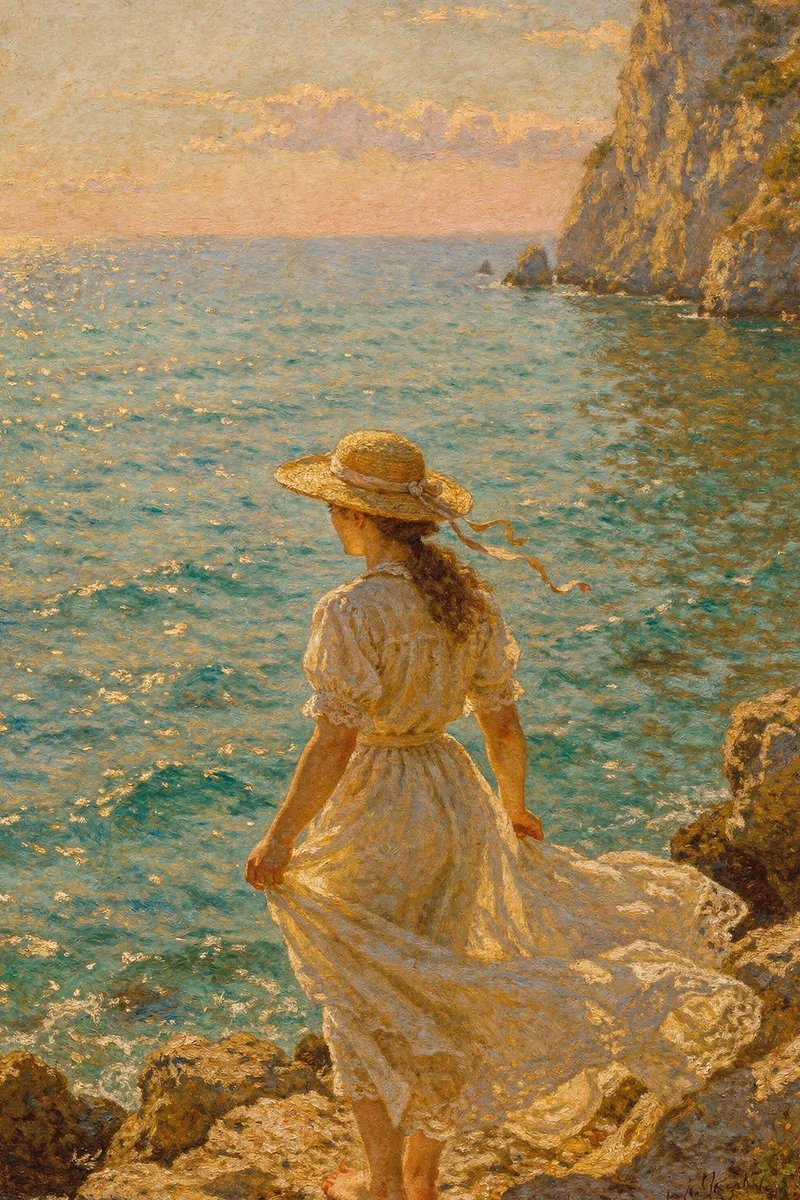
On a sun-struck Crimean shore, where consumptive patients come to breathe the sea air, the narrator falls in with a restless, coquettish young woman whom her own vanity will not let sit still for a moment.
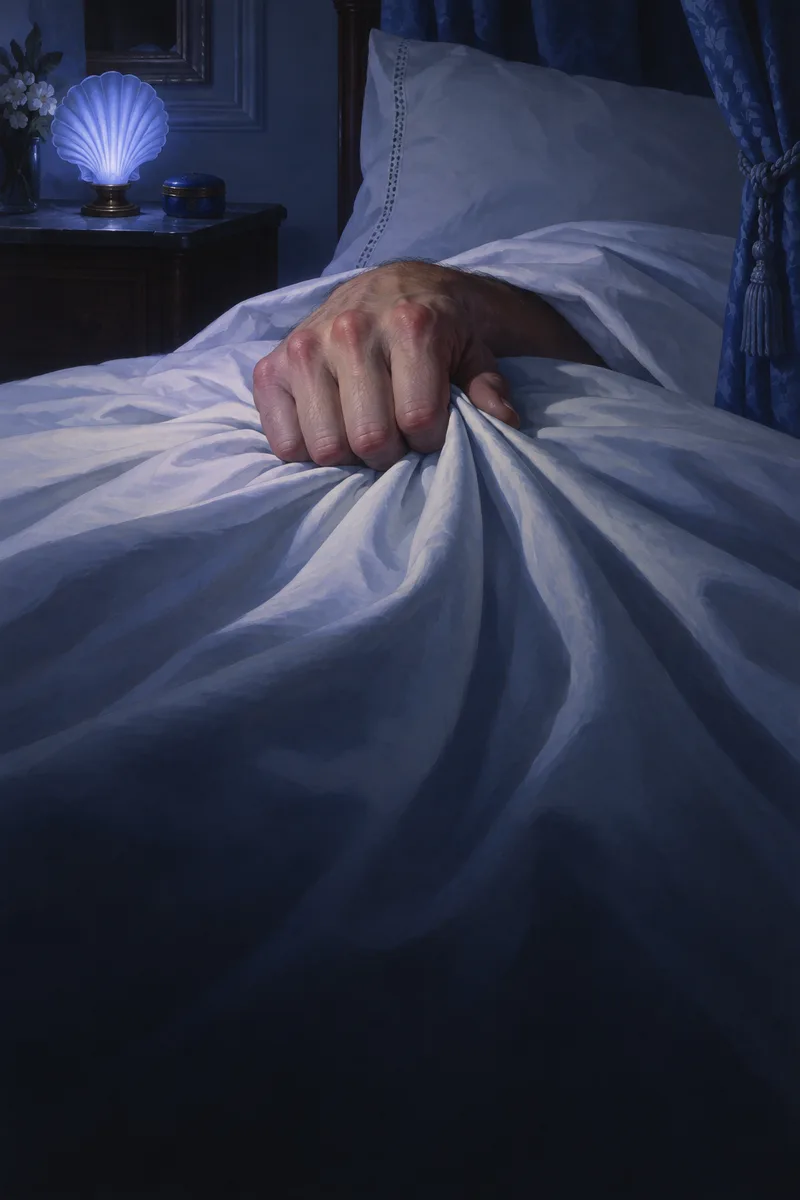
Two weeks into her marriage, a young bride lies awake beside her sleeping husband, proudly bearing the weight of his fair head on her shoulder.
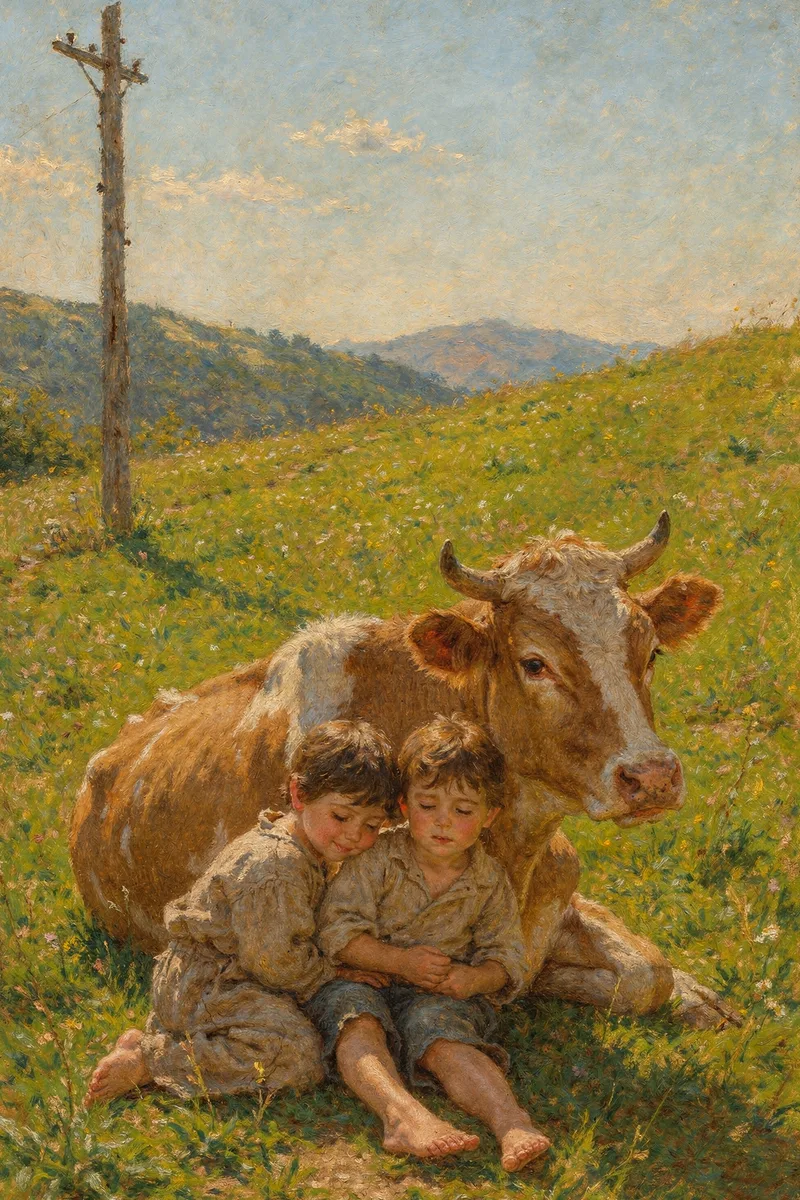
On a green triangular meadow called Somonte, cut at one corner by the Oviedo–Gijón railway, two motherless twins — Rosa and Pinín — and their gentle cow, la Cordera, are inseparable: «always the three of them».