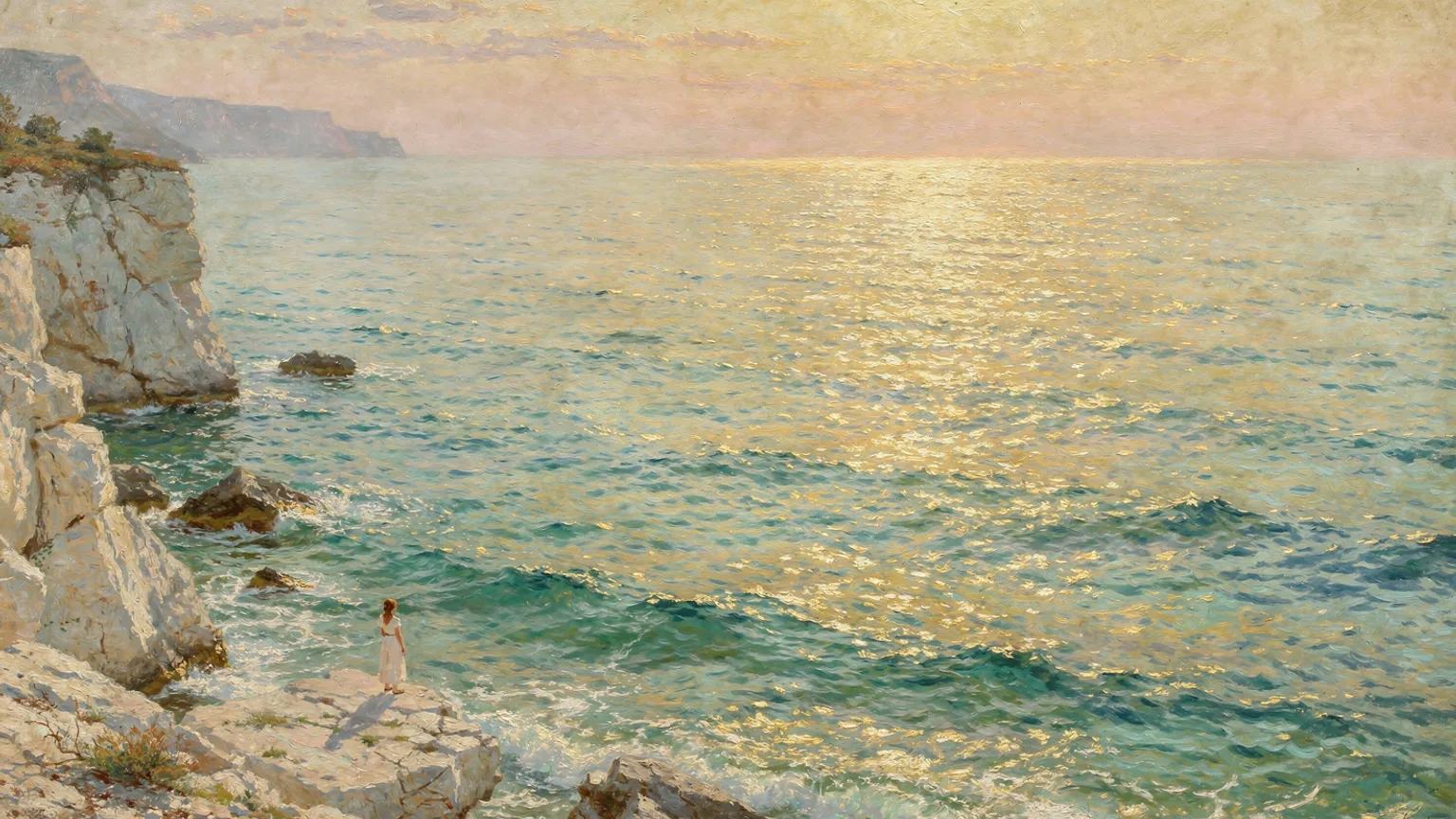
By the Sea
About this story
On a sun-struck Crimean shore, where consumptive patients come to breathe the sea air, the narrator falls in with a restless, coquettish young woman whom her own vanity will not let sit still for a moment. Almost without plot, «By the Sea» (1898) is a finely observed psychological study — two women's characters set against the vast indifference of the water. Lesia Ukrainka (1871–1913), the foremost woman writer in Ukrainian literature and a central figure of its modernism, stands beside Shevchenko and Franko among the nation's classic authors; Ivan Franko heard in her «the only man» in all Ukraine. Her spare, lyrical prose turns a seaside idyll into a searching anatomy of the soul.
By the numbers
About the author
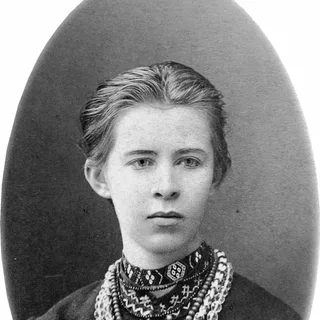
Lesia Ukrainka (1871–1913) — the pen name of Larysa Kosach-Kvitka — was the foremost woman writer in Ukrainian literature and a leading figure of its modernism, ranked with Taras Shevchenko and Ivan Franko among the nation's classic authors. Born in Novohrad-Volynskyi into a cultured family, she was largely self-taught, mastered many languages, and wrote from childhood despite the tuberculosis that shadowed her whole life and drove her to seek warmer climates, including the Crimean coast that gave her the sketch «By the Sea» (1898). Poet, playwright, translator and critic, she is best known for Neo-Romantic poetic dramas such as «The Forest Song» and «Cassandra», yet her spare, psychologically acute prose belongs to the same body of work that made her a national classic.
Recognition
Since the time of Shevchenko's «Bury me, then rise and break your chains», Ukraine has not heard so strong, so ardent and so poetic a word as from the lips of this frail, sickly girl.
Lesya Ukrainka was the foremost woman writer in Ukrainian literature and a leading figure in its modernist movement.
Lesia Ukrainka reached her literary heights in her poetic dramas, and her literary legacy is enormous, despite the fact that for most of her life she was ill and often bedridden for months.
The story «By the Sea» conveys the atmosphere of the climatic resort, a place where consumptive patients are treated — an almost plotless work, yet one with a subtle psychological sketch of two female characters.
Practice typing
Type this retelling one piece at a time — your progress is saved as you go.
If you liked this
Worn down by the city and by the weight of other people's grief, a man flees to the quiet of the fields.
On a sleepless Christmas Eve, a seventeen-year-old boy waiting to leave for midnight mass falls into a long, murmured conversation with Conceição, his host's thirty-year-old wife.
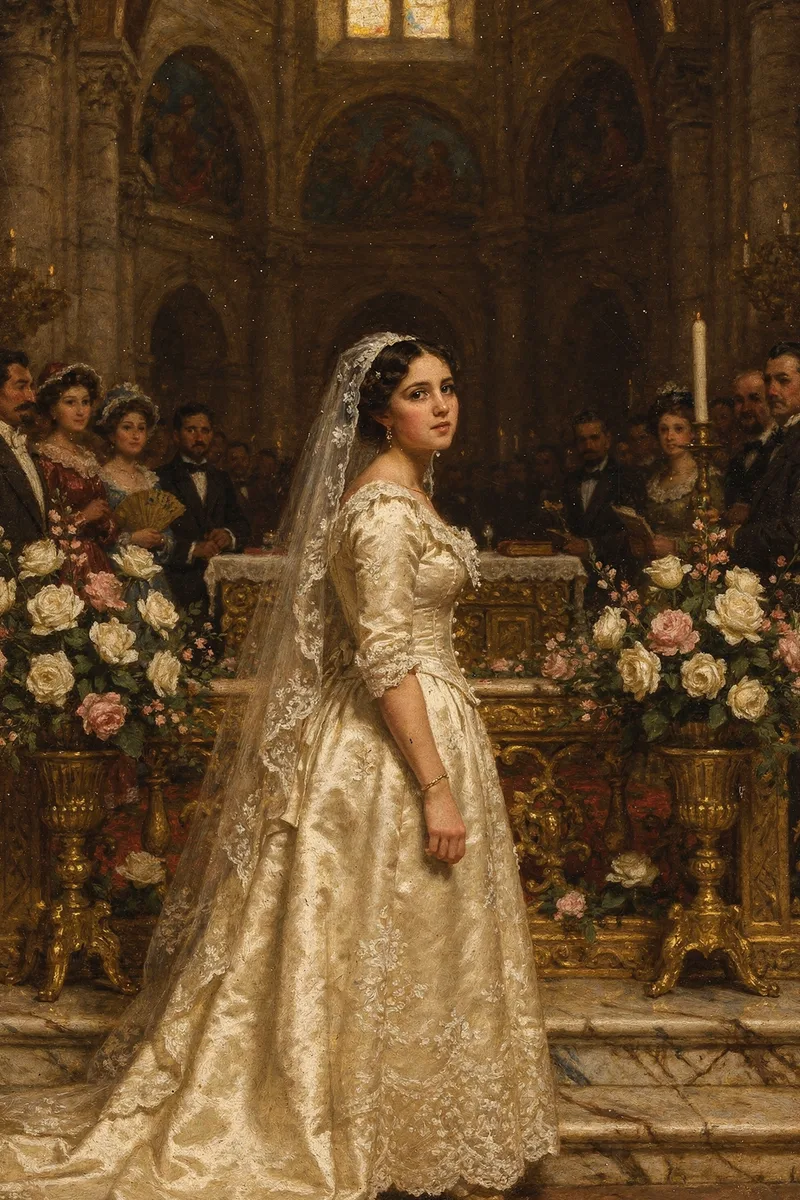
At her own wedding, before a glittering high-society crowd, Micaelita Aránguiz reaches the altar — and answers the bishop's question with a clear, ringing «no», breaking off the marriage in front of everyone.
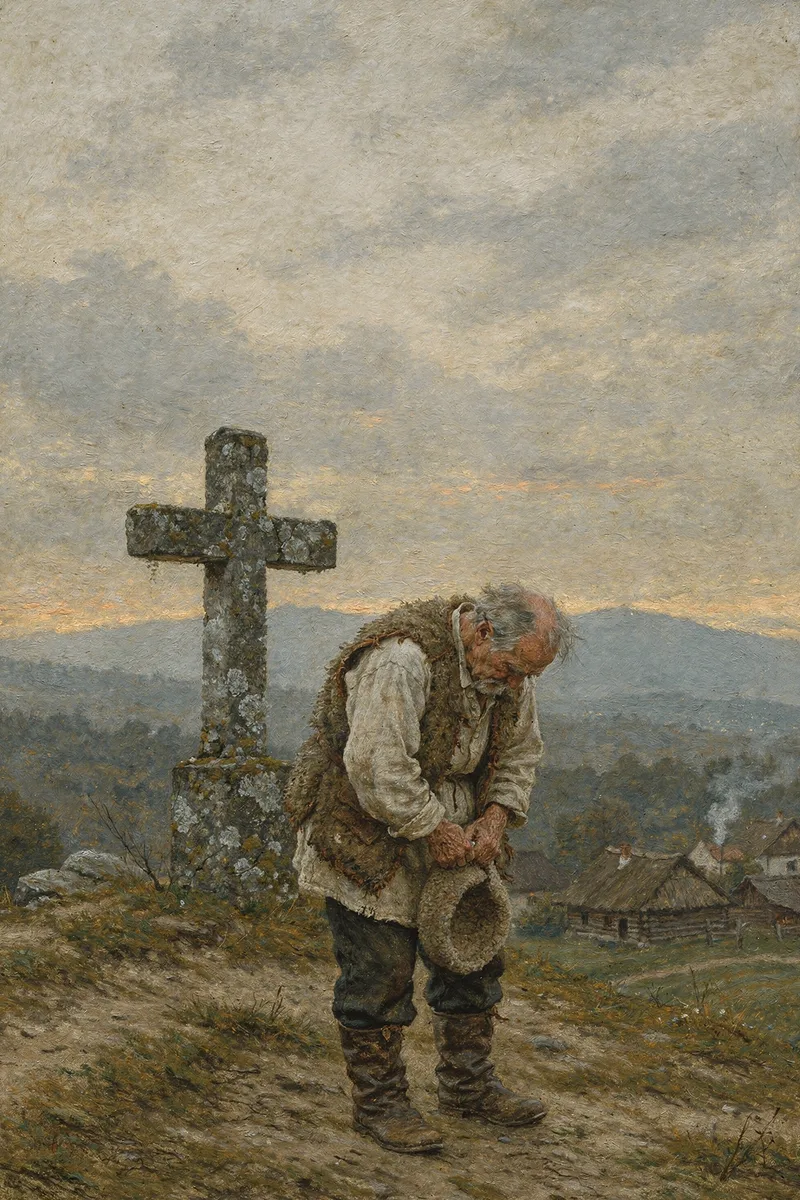
Ivan Didukh has spent his life breaking his back on a worthless sandy hill — the only land he inherited — until he is bent double and the village calls him «the Broken One».