The Coffee Pot
About this story
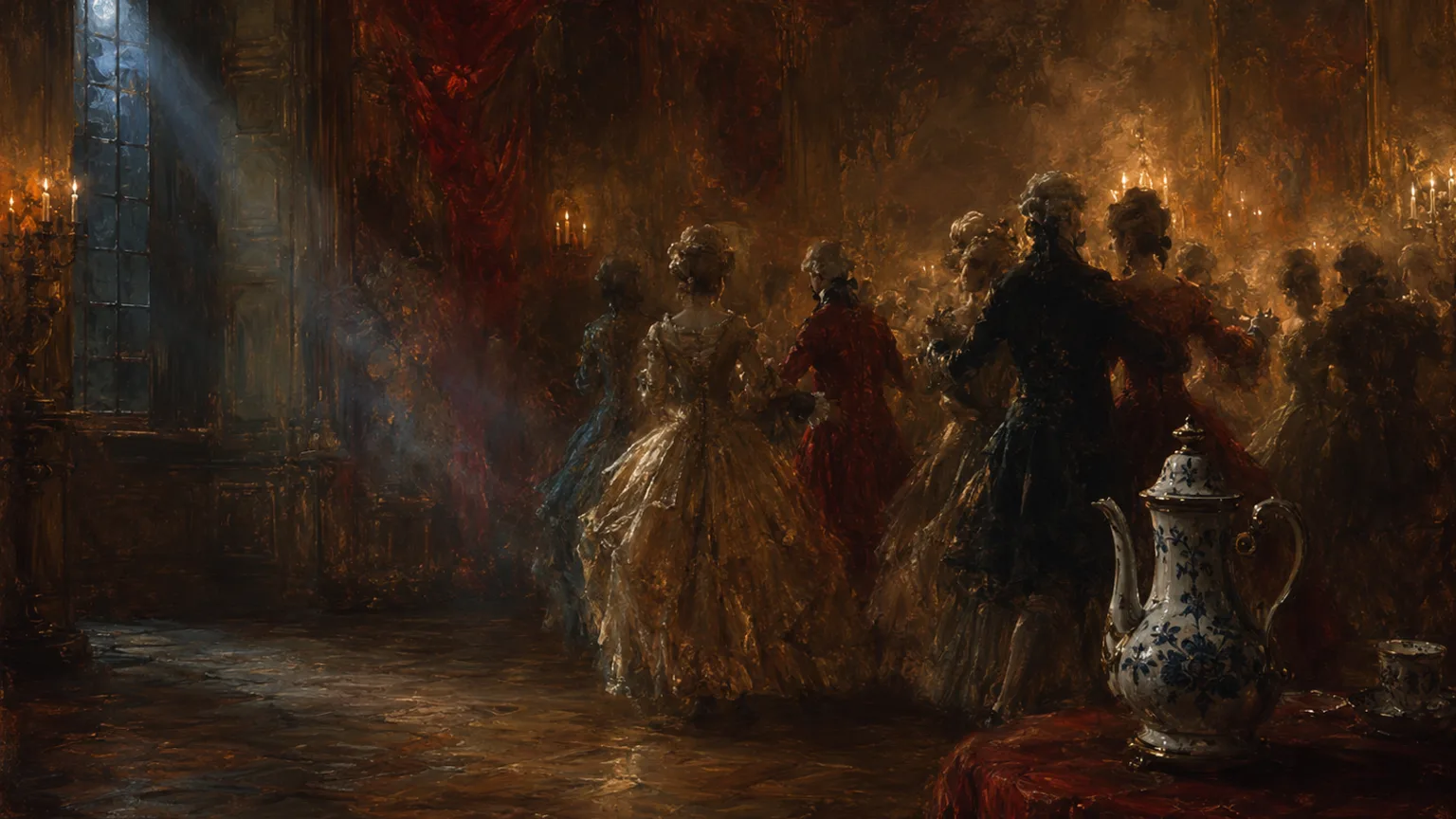
Normandy, autumn, a house so old that nothing in the guest room has moved since the Regency. Théodore goes to bed; at eleven the candles light themselves, a coffee pot limps across the floor to the hearth, and the ancestors climb down out of their portraits to dance. Among them sits Angéla, pale, cold as marble, who knows his name before he says it — and whose price for a single waltz he learns only at dawn. Gautier published this in Le Cabinet de lecture on 4 May 1831, at nineteen: his first tale, and the seed of every fantastic story he would later write, from La Morte amoureuse to Arria Marcella. Baudelaire dedicated Les Fleurs du mal to him; this is where that dedication begins.
By the numbers
About the author
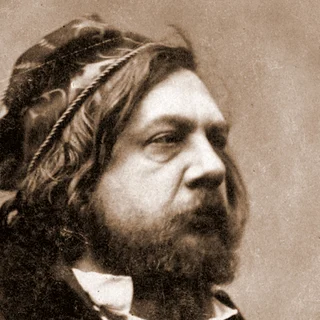
Théophile Gautier (1811–1872) was a French poet, novelist, art and theatre critic, and one of the central figures of French Romanticism, later revered as the herald of “art for art's sake”. Baudelaire dedicated Les Fleurs du mal to him as “the impeccable poet, the perfect magician of French letters”. His signature works are the scandalous novel Mademoiselle de Maupin (1835), the jewel-cut poetry of Émaux et Camées (1852), and the swashbuckling Le Capitaine Fracasse (1863); he also wrote the libretto of the ballet Giselle (1841) and a celebrated body of contes fantastiques including La Morte amoureuse (1836) and Arria Marcella (1852). La Cafetière, published in Le Cabinet de lecture on 4 May 1831 when Gautier was nineteen, is his very first tale and the opening move of that fantastic corpus — the room where painted figures step out of their frames and a porcelain coffee pot dances.
Recognition
And so we come again upon La Cafetière […], famous for a brevity that gathers up every one of Gautier's future motifs.
The exposition is of the briefest, the narrative progress is swift, the attention is focused, first upon the weird group of figures in the room and then, sharply, upon the principal figure, Angéla.
In “La Cafetière” the young man invited to dance slips into the dream that is offered to him, to the point of making it more concrete than reality itself.
But where he has risen highest, where he has shown the surest and the gravest talent, is in the short tale — in what I shall call the poetic tale.
Practice typing
Type this retelling one piece at a time — your progress is saved as you go.
If you liked this
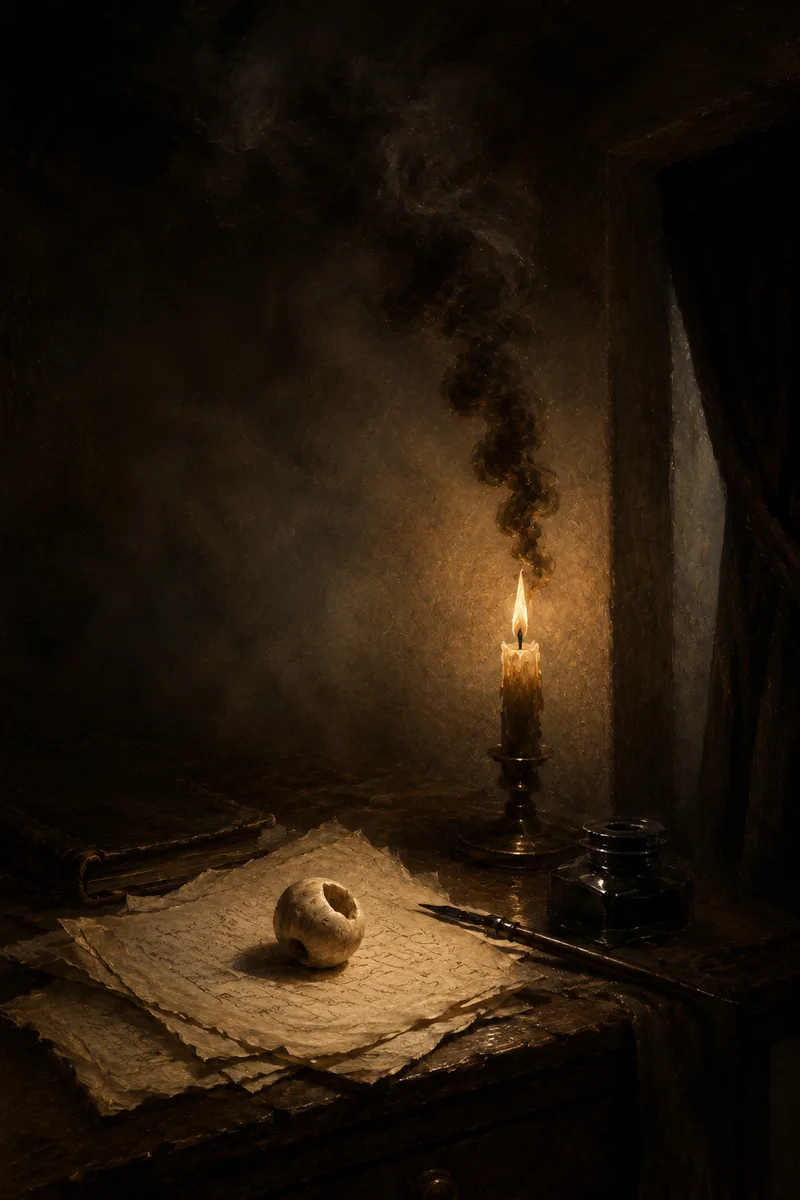
A student accepts a handful of human bones from a friend who teaches anatomy at Pavia, and for eleven years one of them — a small, polished kneecap — holds down the papers on his desk.
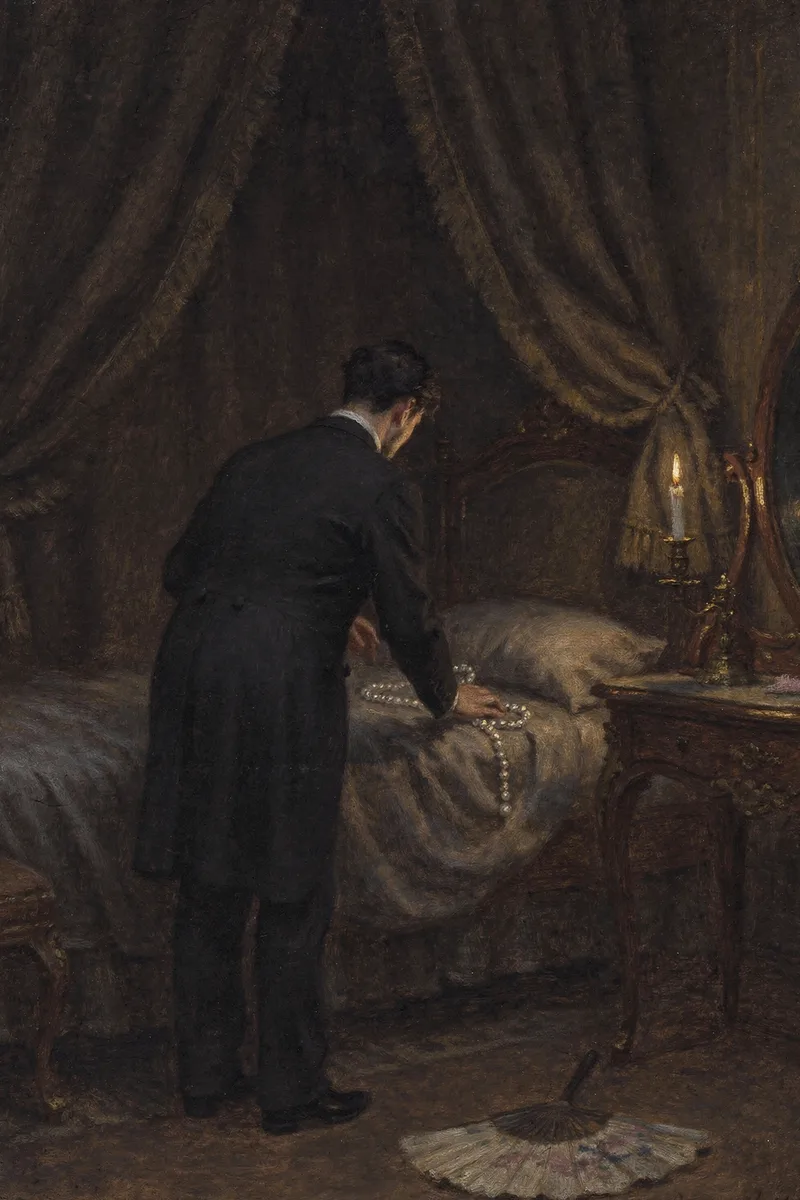
Six months a widower, the Count d'Athol refuses to believe his wife is dead.
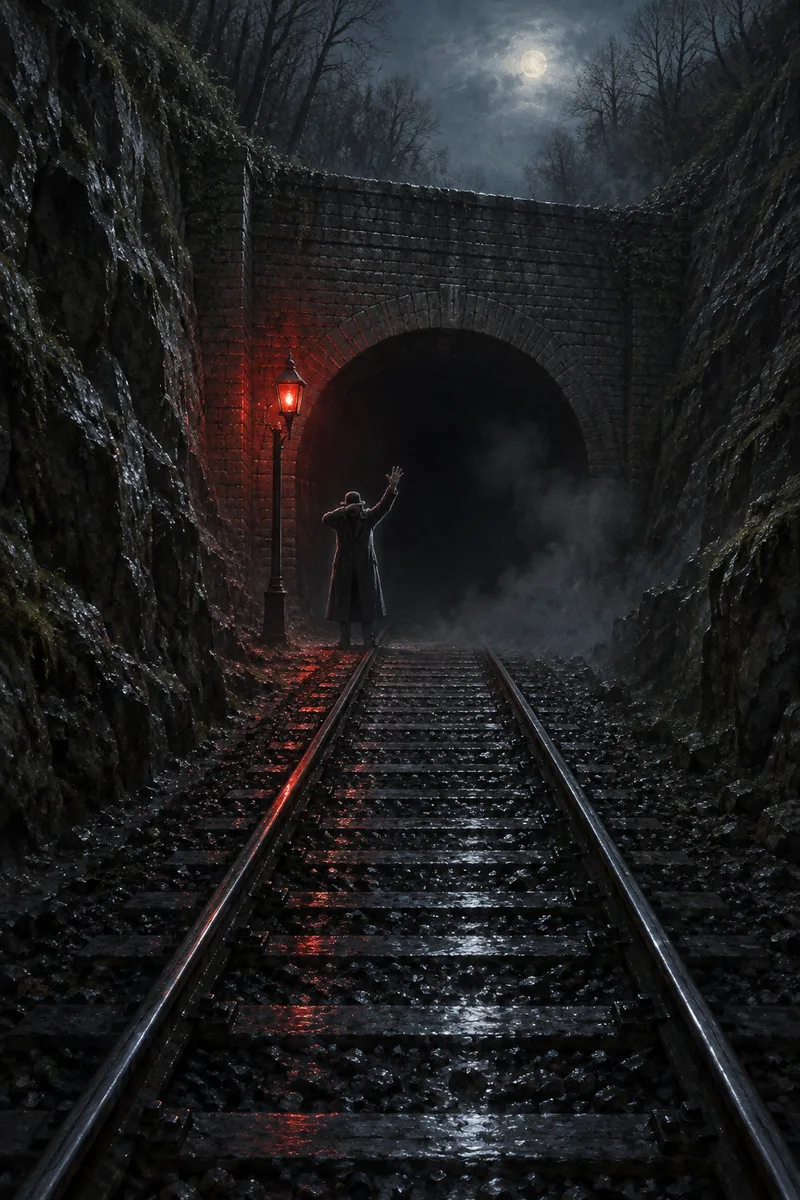
At the bottom of a damp railway cutting, beside the black mouth of a tunnel, a lonely signalman keeps watch over the line — and over a figure no one else can see.
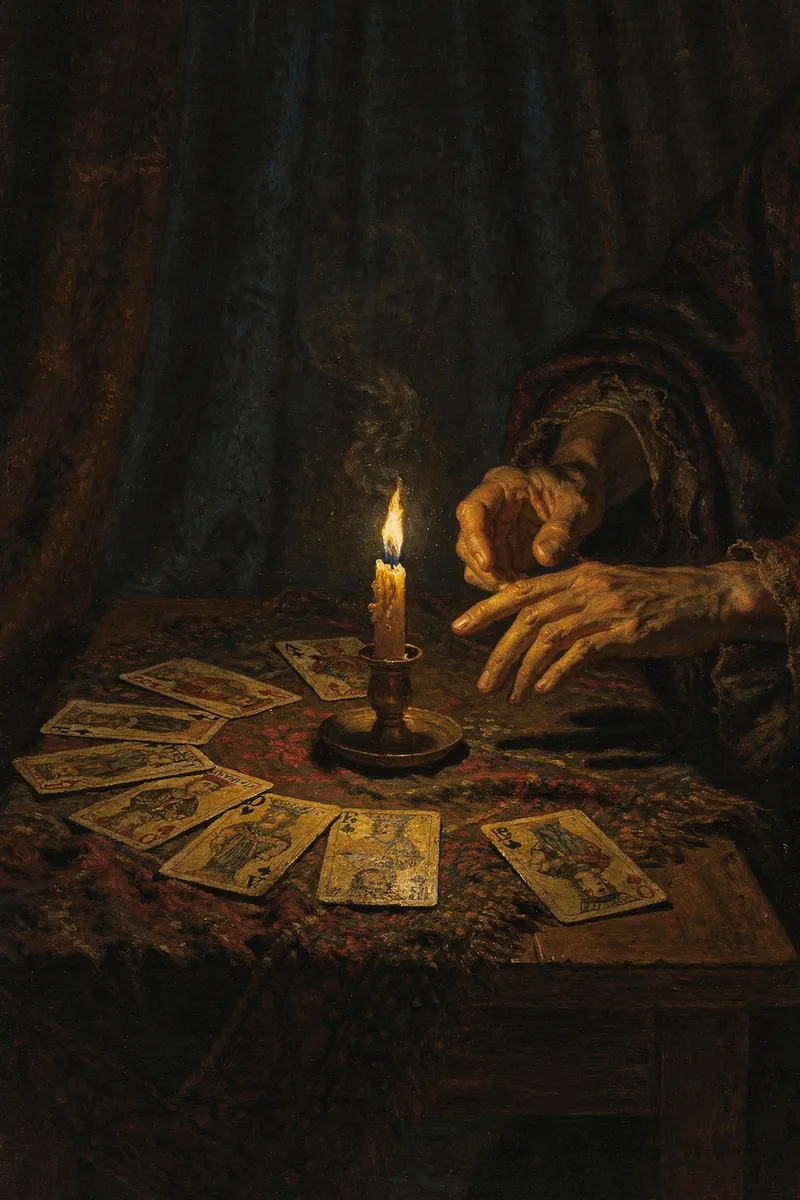
«There are more things in heaven and earth than are dreamt of in your philosophy.» With Hamlet's words Machado de Assis opens his most famous tale of fate and self-deception.