Véra
About this story
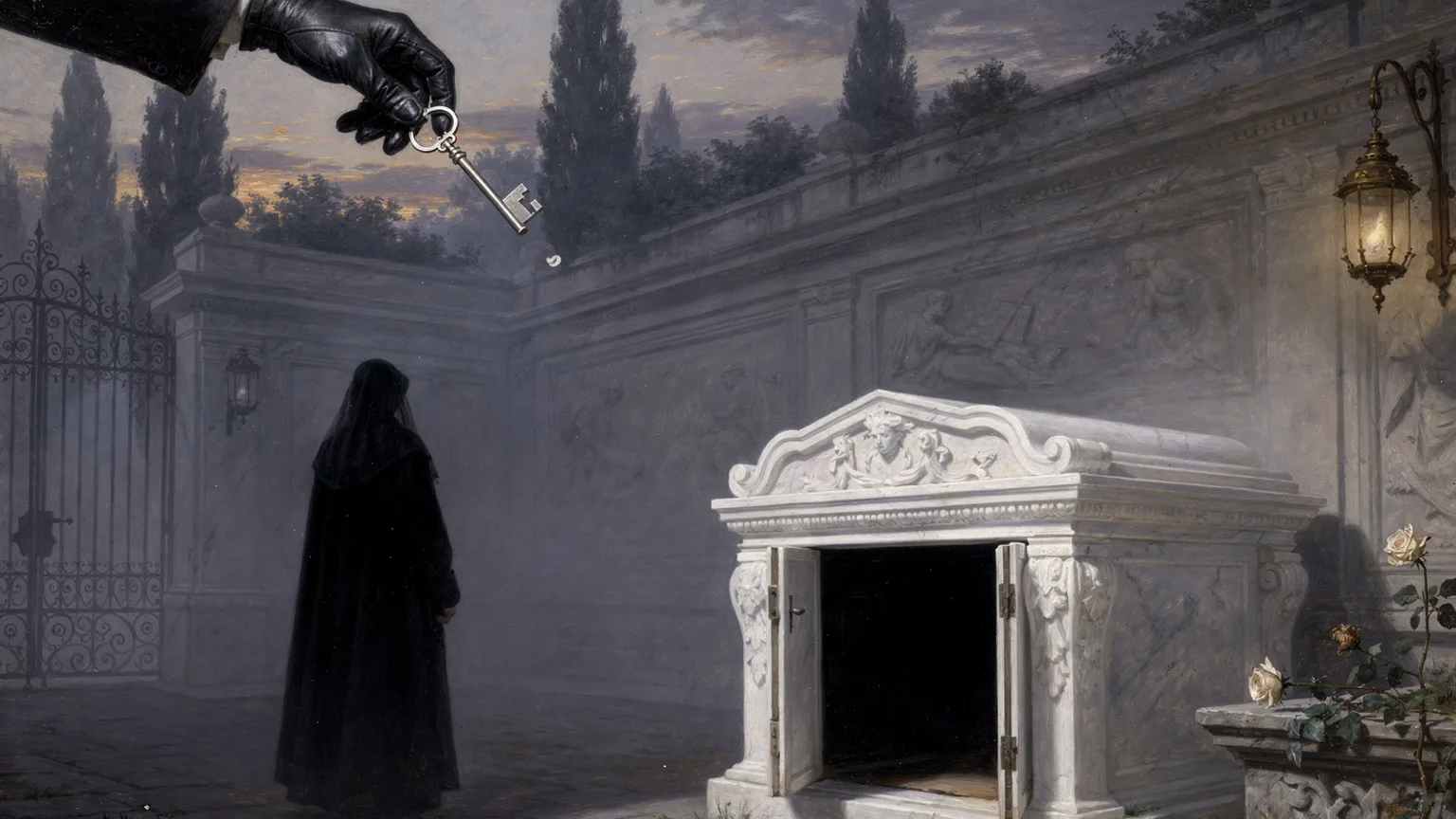
Six months a widower, the Count d'Athol refuses to believe his wife is dead. He dismisses the servants, drops the tomb's little silver key into the grave, and — by the sheer force of his love — begins to summon Véra back: her laughter in the halls, her perfume, her warmth still on the pearls. But what happens when passion denies the grave and the dream demands to become real? Written in 1874 by Villiers de l'Isle-Adam — the Symbolist master whom Mallarmé called a genius and whom Baudelaire and Wagner admired — «Véra» is the crown jewel of the «contes cruels» and one of the most spellbinding love stories in French literature. A prose poem in which love proves stronger than death.
By the numbers
About the author

Auguste de Villiers de l'Isle-Adam (1838–1889) was a French Symbolist writer of aristocratic Breton descent, admired by Baudelaire, Wagner, and above all by his friend Mallarmé, who called him a man of genius. Though he lived and died in poverty, he won wide recognition only after his death and is now regarded as a founding master of the «conte cruel». His major works include the short-story collection «Contes cruels» (1883), the proto-science-fiction novel «L'Ève future» (1886), which popularized the word «android», and the Symbolist drama «Axël» (1890). «Véra», first published in 1874 and later gathered into «Contes cruels», is his most celebrated tale and a touchstone of the nineteenth-century French fantastic.
Recognition
Reputed a masterpiece of the fantastic genre, this tale nonetheless defies its logic: in Villiers «the whole narrative becomes the illustration of an idea».
Far from being a mere ghost story, Véra proves to be «a carefully constructed and considered work of art», whose brevity and perfection of language bring it close to the prose poem.
You have put into this work an extraordinary sum of Beauty. The language truly that of a God everywhere!
Villiers has a rare capacity 'for imparting simultaneously emotional excitement and intellectual stimulation,' speaking always in 'a voice which is unmistakably his own.'
Practice typing
Type this retelling one piece at a time — your progress is saved as you go.
If you liked this
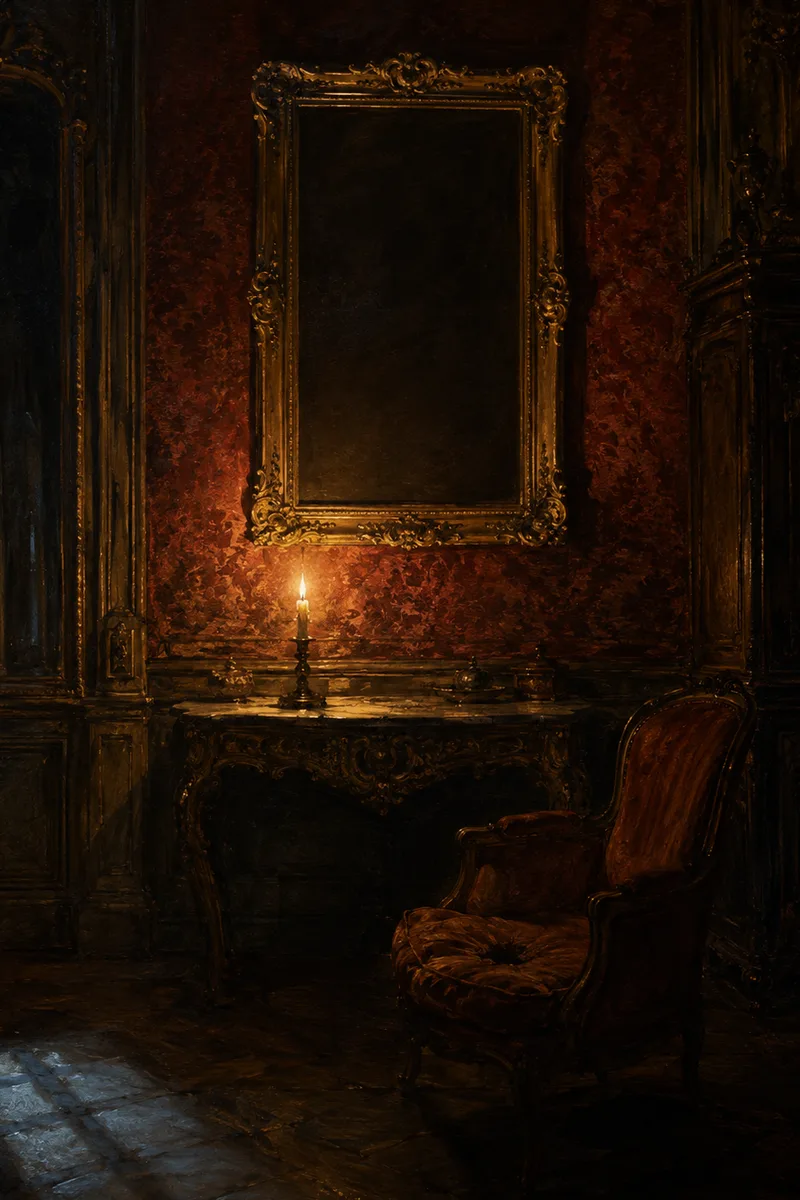
Normandy, autumn, a house so old that nothing in the guest room has moved since the Regency.
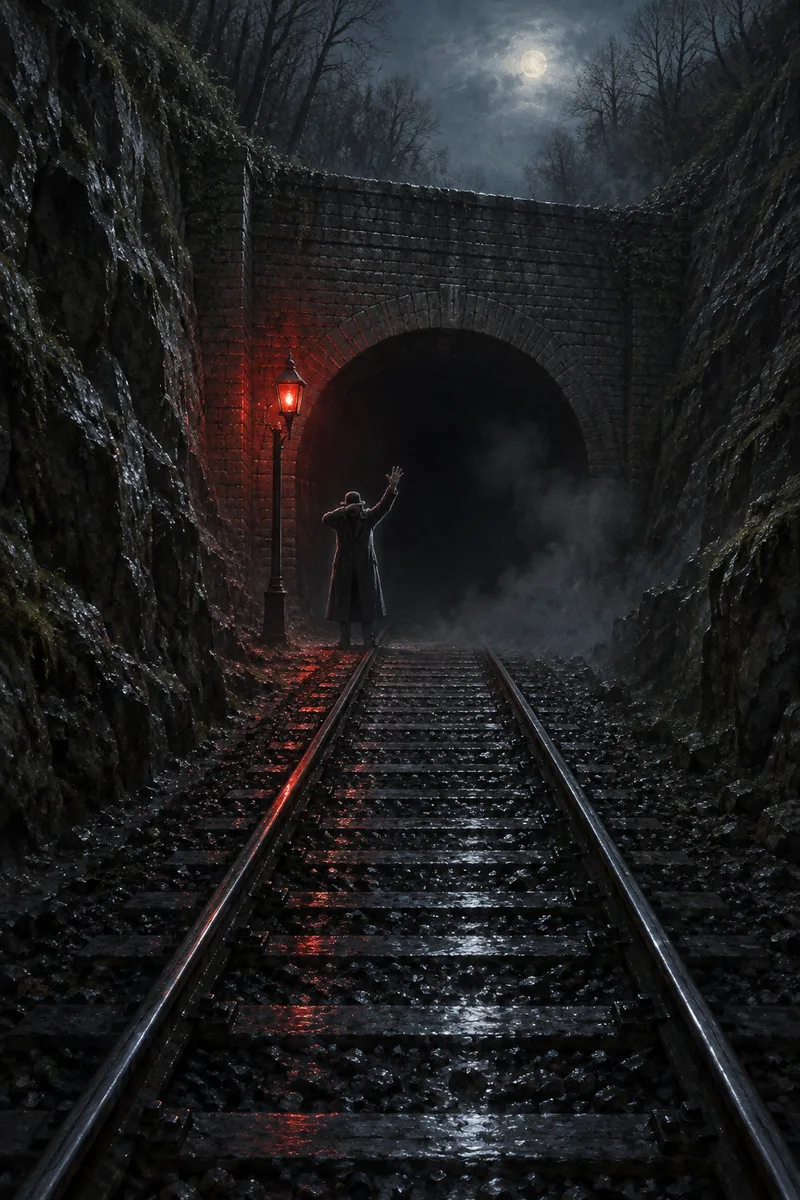
At the bottom of a damp railway cutting, beside the black mouth of a tunnel, a lonely signalman keeps watch over the line — and over a figure no one else can see.
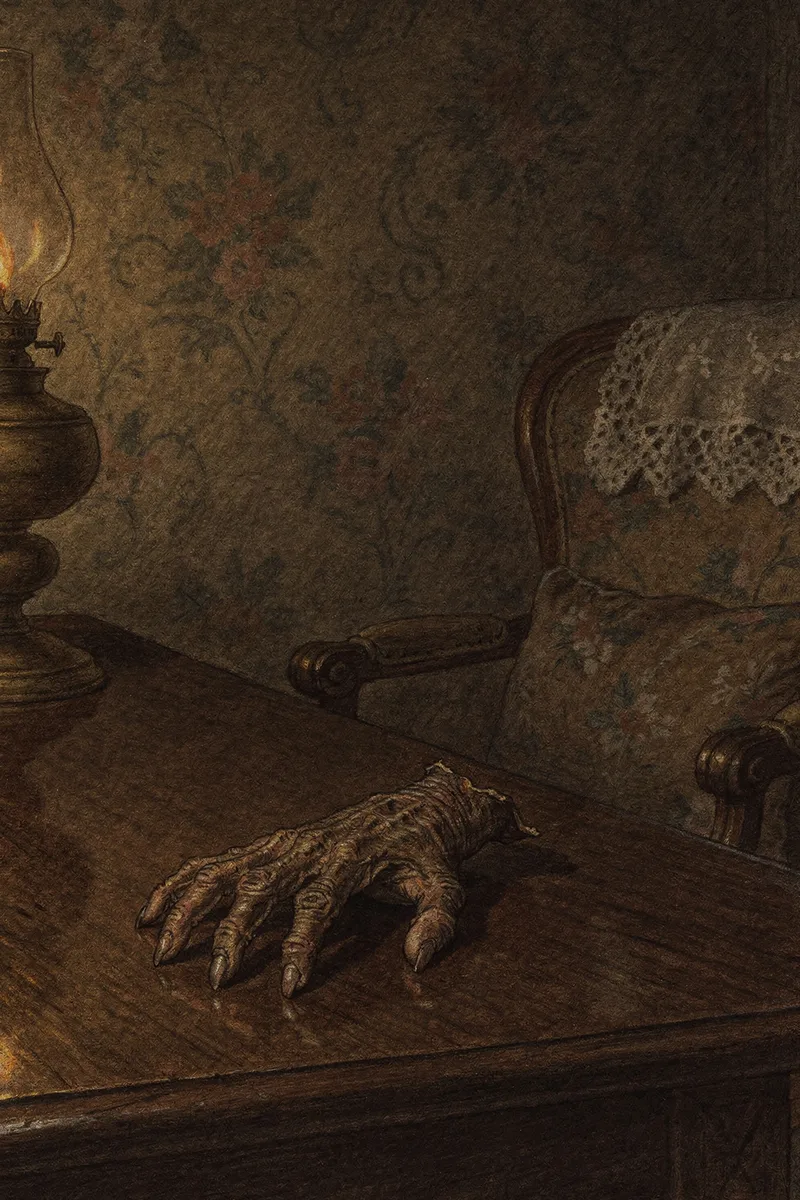
A dried, mummified talisman carried home from India promises three wishes to whoever holds it — but the old fakir who cursed it meant to prove that fate rules our lives, and that those who meddle with it do so to their sorrow.
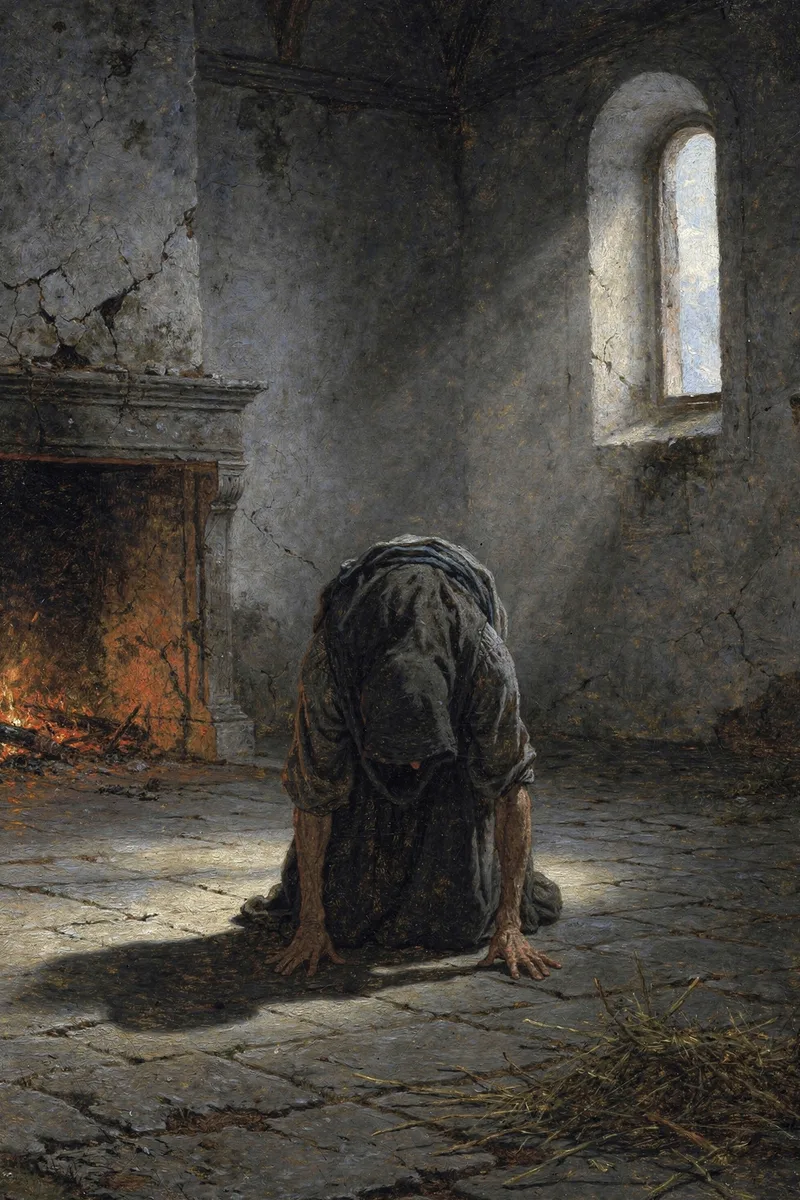
Near Locarno, in a crumbling castle at the foot of the Alps, a nobleman orders a sick old beggarwoman to drag herself across the room — and she collapses and dies.