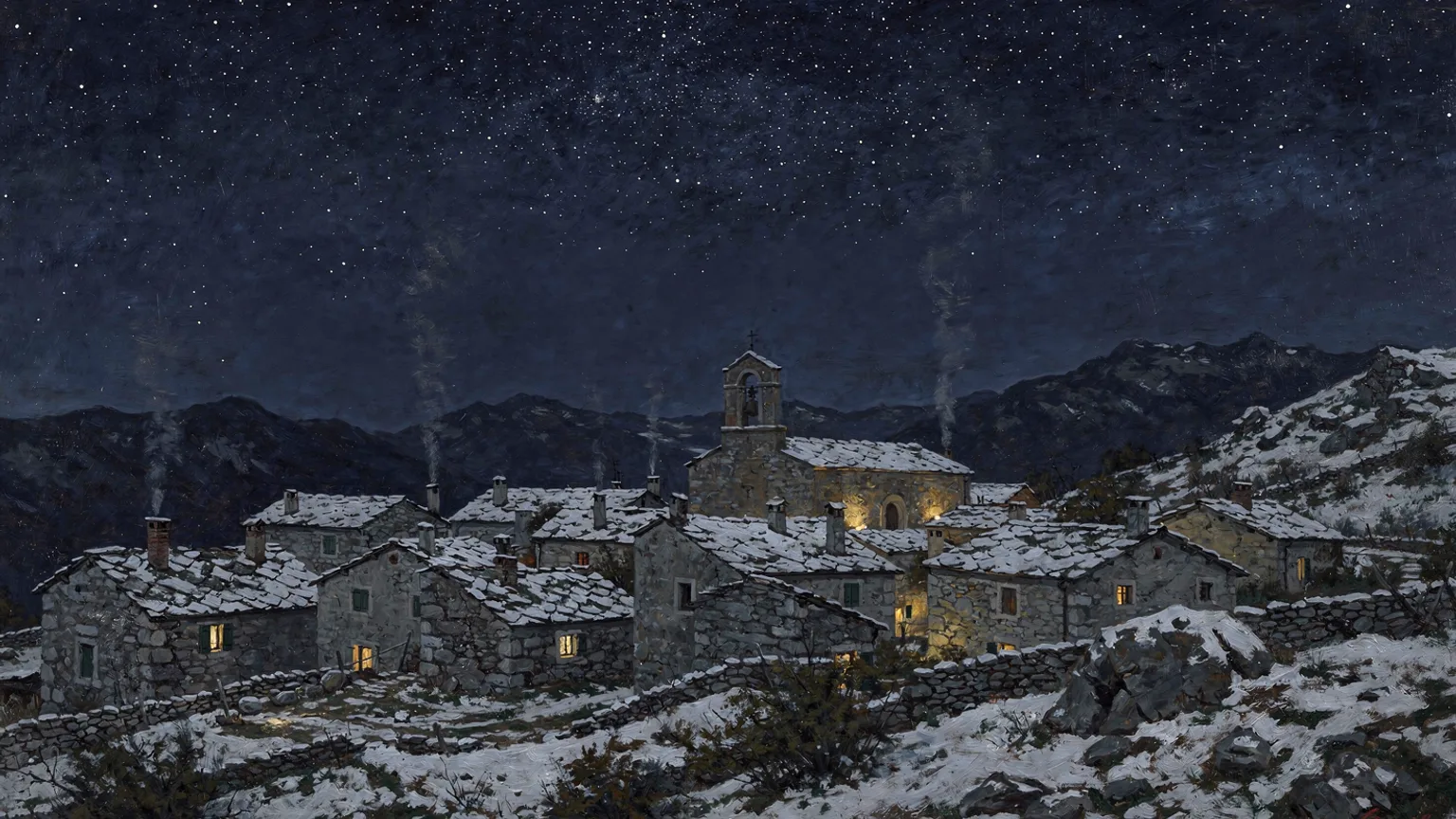
The Councillor's Christmas
About this story
On a cold Christmas Eve in the mountains of Sardinia, a self-made councillor comes home to the village he left behind long ago — wealthy, honoured, and strangely alone. As the bells and the old customs of the feast stir memories he thought long buried, one night forces him to weigh everything his success has cost him. Grazia Deledda, the first Italian woman to win the Nobel Prize in Literature, distils a whole life's longing into a single glowing Christmas story.
By the numbers
About the author
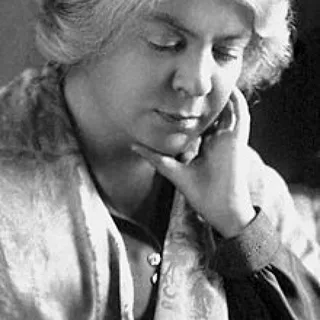
Grazia Deledda (1871–1936) was an Italian writer born in Nuoro, in the mountainous heart of Sardinia, whose island and its people became the moral universe of nearly all her work. Largely self-taught, she turned local chronicle, legend and elemental passion into novels and stories of rare depth — «Elias Portolu», «Cenere», «Canne al vento» — and the collection «Chiaroscuro» (1912), to which «Il Natale del Consigliere» belongs. In 1926 she became the first Italian woman, and only the second woman ever, to be awarded the Nobel Prize in Literature.
Recognition
for her idealistically inspired writings which with plastic clarity picture the life on her native island and with depth and sympathy deal with human problems in general.
Grazia Deledda is a master of the art of fusing realism with idealism.
Grazia Deledda has an island to herself, her own island of Sardinia, that she loves so deeply.
Her narrative moves out of a verismo rooted in region and folklore: village chronicles and legends, stories of elemental passions and of primitive beings.
Practice typing
Type this retelling one piece at a time — your progress is saved as you go.
If you liked this
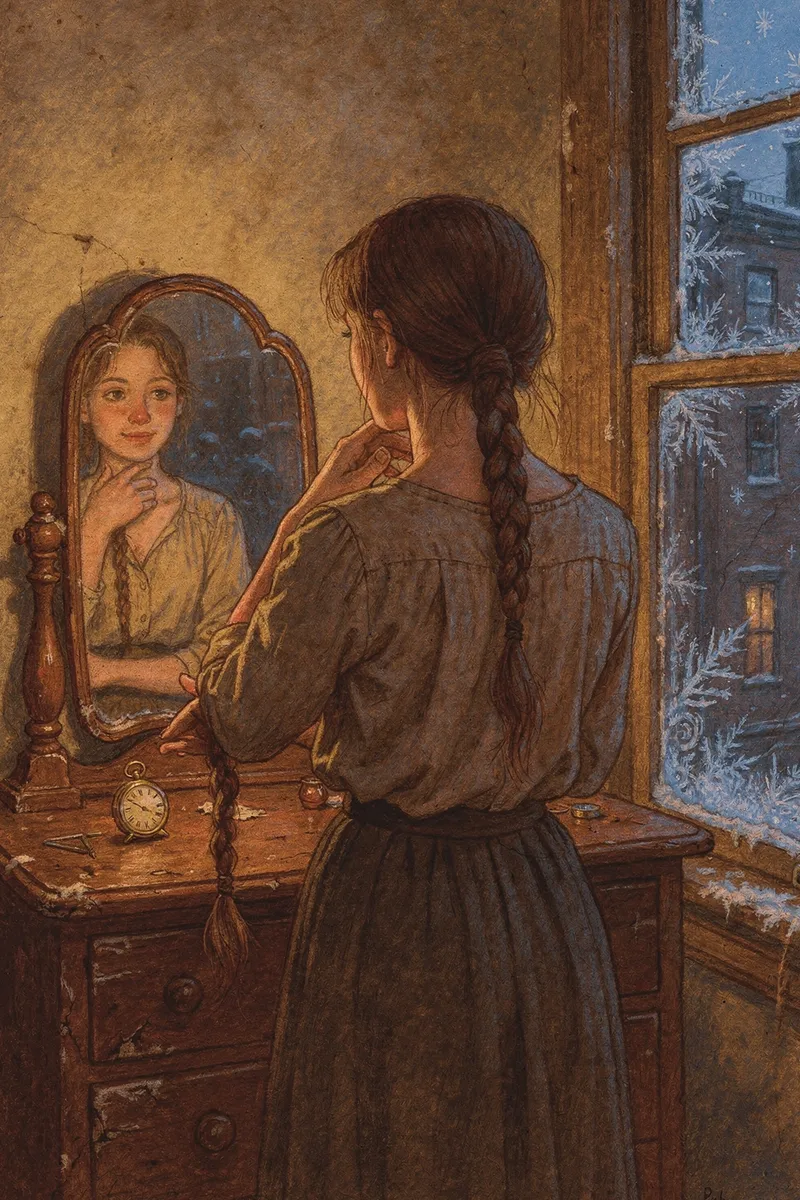
On Christmas Eve, Della has almost nothing to spend and only one thing of real value — her beautiful long hair — so she sells it to buy a chain for the gold watch her husband Jim treasures.
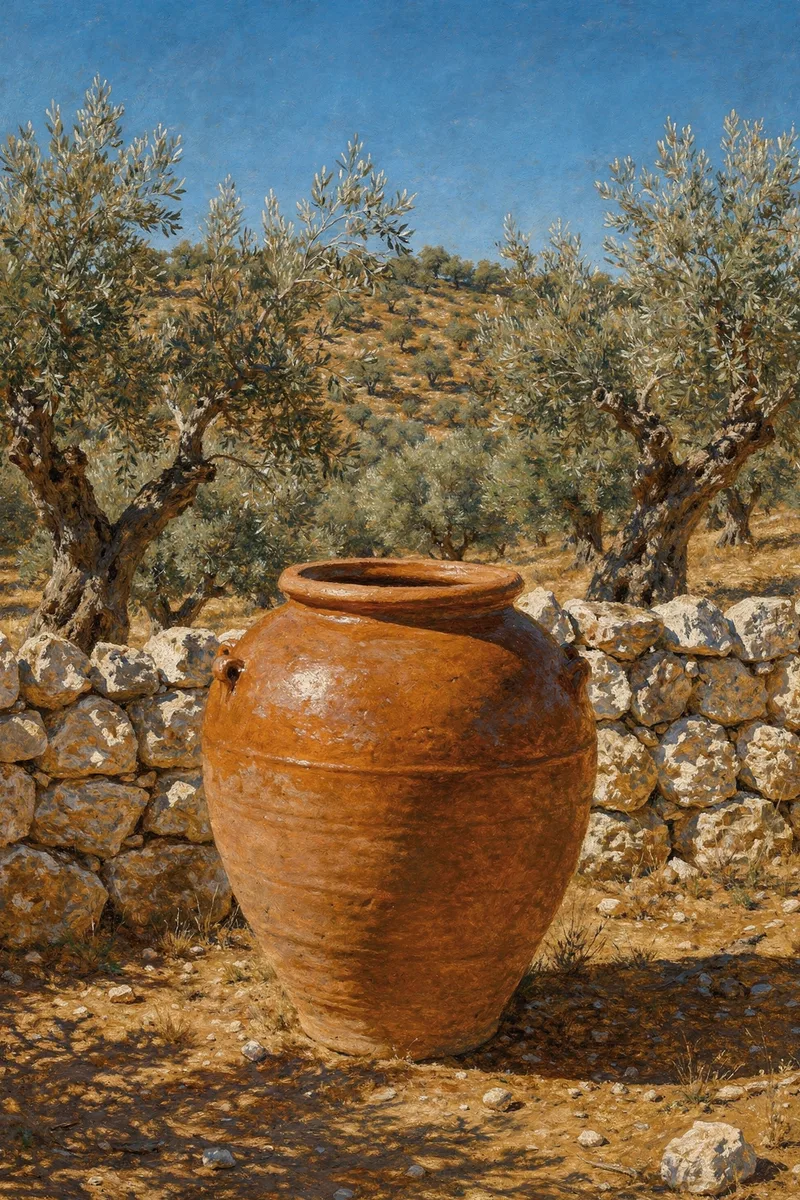
In the golden heat of the Sicilian olive harvest, the rich, miserly landowner Don Lollò Zirafa takes delivery of a magnificent new jar, taller than a man — only to find it split clean in two the very next morning.
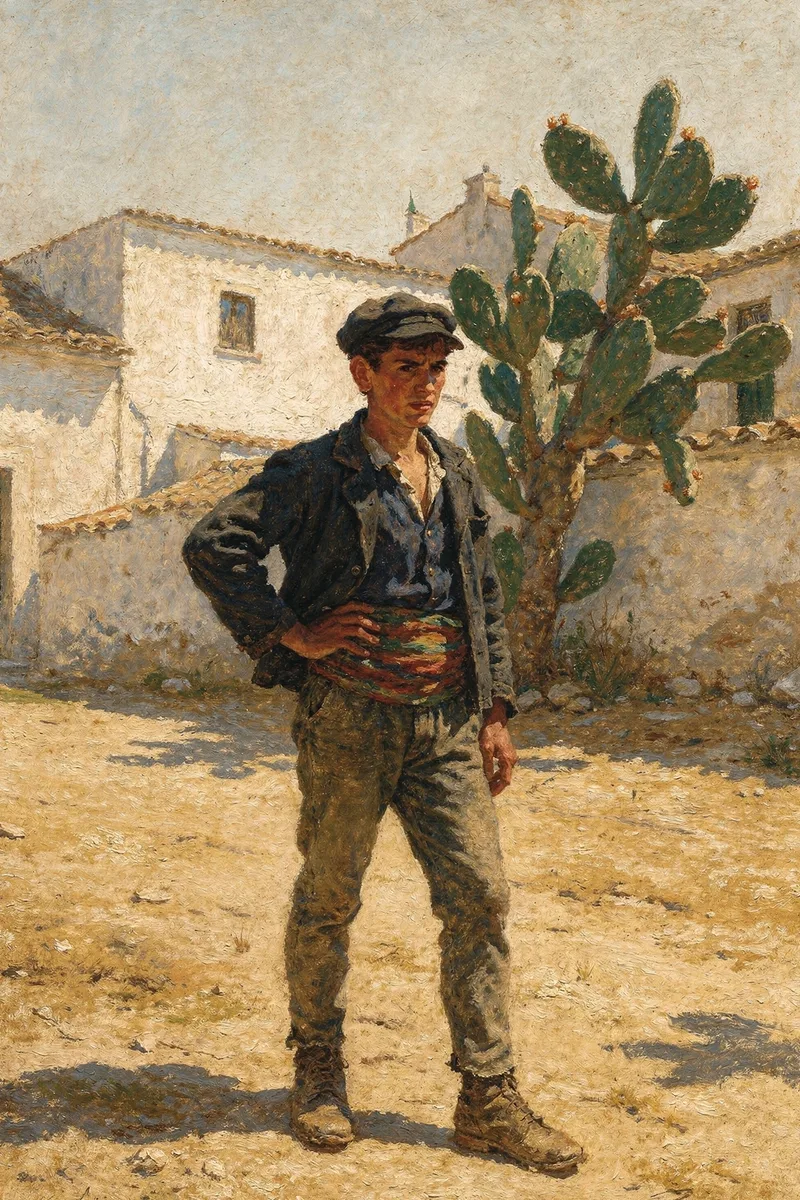
Home from his army service, the dashing Turiddu Macca struts the village square — only to find that Lola, the girl he had loved, has married the prosperous carter compare Alfio.
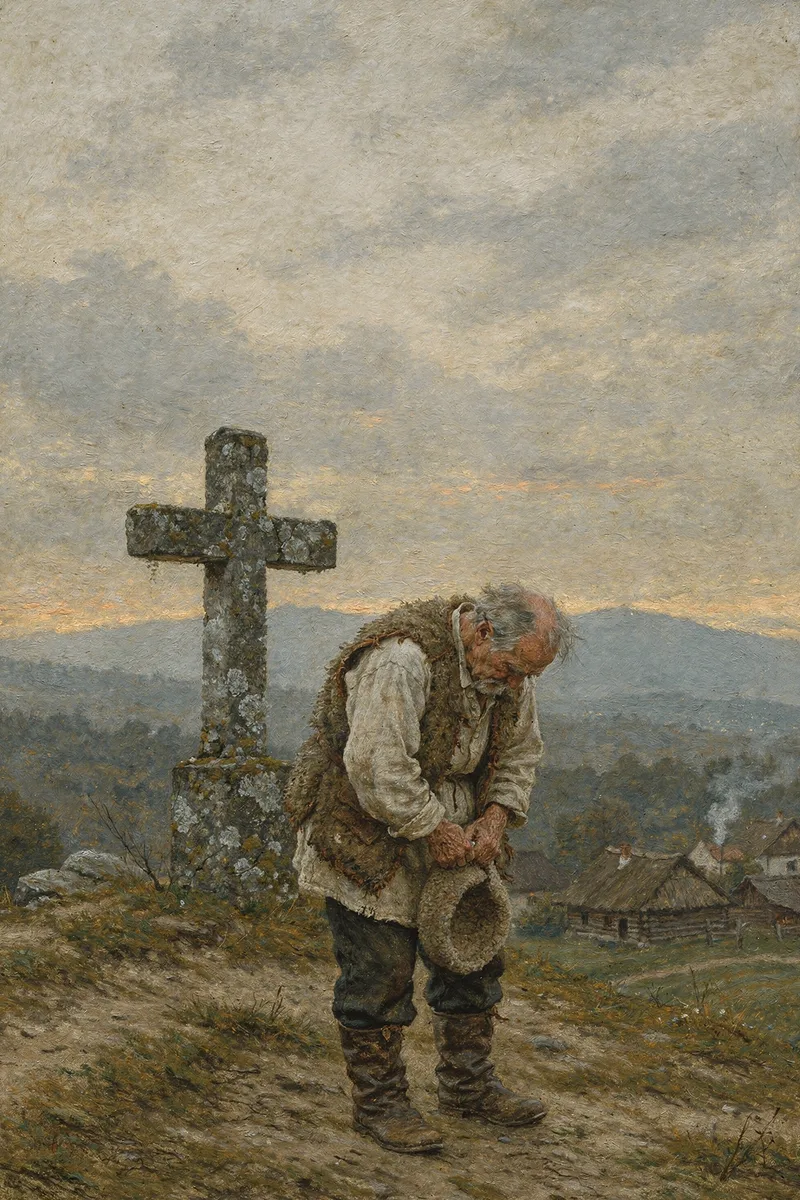
Ivan Didukh has spent his life breaking his back on a worthless sandy hill — the only land he inherited — until he is bent double and the village calls him «the Broken One».