Cavalleria rusticana
About this story
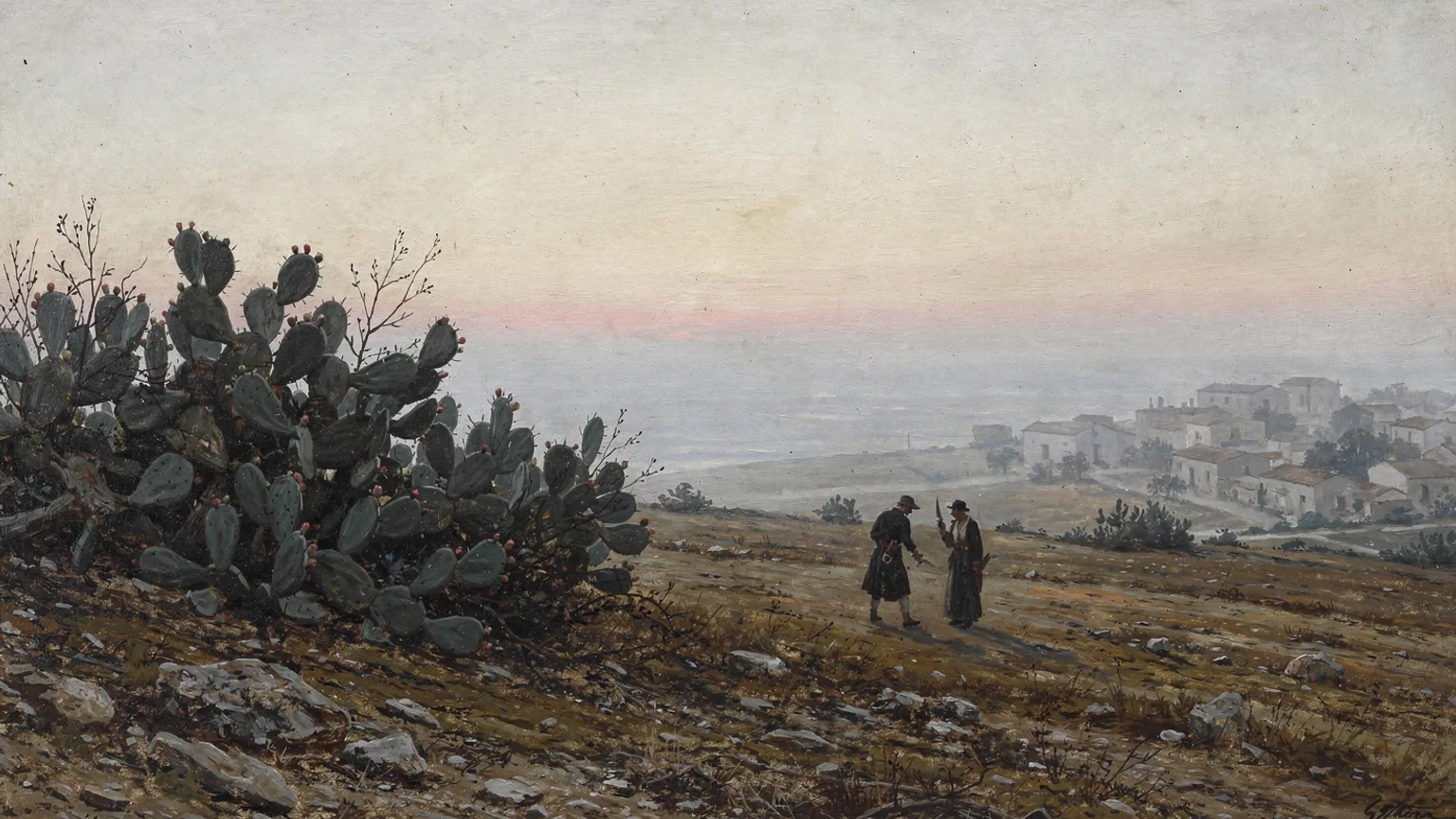
Home from his army service, the dashing Turiddu Macca struts the village square — only to find that Lola, the girl he had loved, has married the prosperous carter compare Alfio. To spite her, Turiddu courts Santa; but the old passion reignites, and he and Lola begin a secret affair. When the wounded, jilted Santa whispers the truth to Alfio, the betrayed husband answers in the iron code of the Sicilian countryside: the two men embrace, Alfio bites Turiddu's ear to seal the challenge, and at dawn they meet with knives among the prickly pears. Giovanni Verga's 1880 verismo masterpiece — the seed of Mascagni's opera — is a lean, pitiless tale of love, honour and blood.
By the numbers
About the author
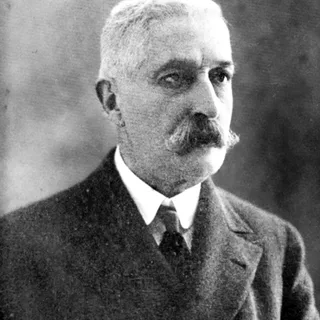
Giovanni Verga (1840–1922) was a Sicilian writer widely regarded as the greatest Italian novelist after Alessandro Manzoni and the foremost exponent of verismo, Italy's variant of literary realism. His signature works include the novels «I Malavoglia» (1881) and «Mastro-don Gesualdo» (1889), along with the short-story collection «Vita dei campi» (1880), which also gave the world «Cavalleria rusticana». «La Lupa» («The She-Wolf») stands among the most celebrated of these stories — a compressed tragedy of raw peasant passion that epitomizes Verga's impersonal, self-effacing narrative technique. He later adapted the tale for the stage, and it went on to inspire operatic and cinematic treatments.
Recognition
Giovanni Verga, the Sicilian novelist and playwright, is surely the greatest writer of Italian fiction, after Manzoni.
At his best, Verga is quite the equal of Chekhov, in the fiercely unsentimental depiction of ordinary rural life, and most of all in his self-smothering ability to see life entirely from within the minds of his mostly uneducated characters.
Verga's handling of the plot shows both originality and a masterly control of internal cross-references; the inevitability of the retribution, the increasingly doom-laden tension, and the swift, tragic climax have been managed with extraordinary skill.
Verga is the most authoritative exponent of verismo: in «Vita dei campi» he attains a lean, swift verismo, animated by authentic feeling and by a vivid love for his native land.
Practice typing
Type this retelling one piece at a time — your progress is saved as you go.
If you liked this
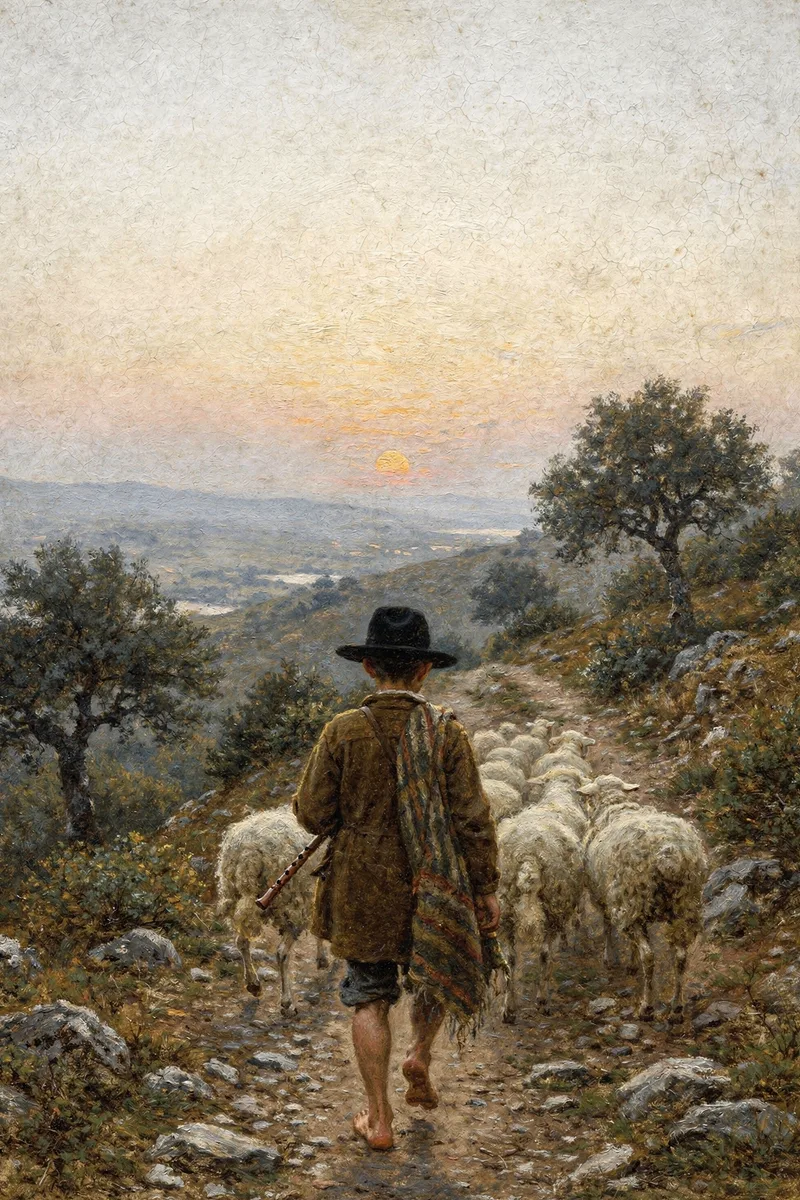
At first light, the shepherd boy Gonçalo drives his flock down through a sleeping Trás-os-Montes village to the river — hoping, against hope, to find on the far bank Rosária, the shepherd girl he has not seen for so long.
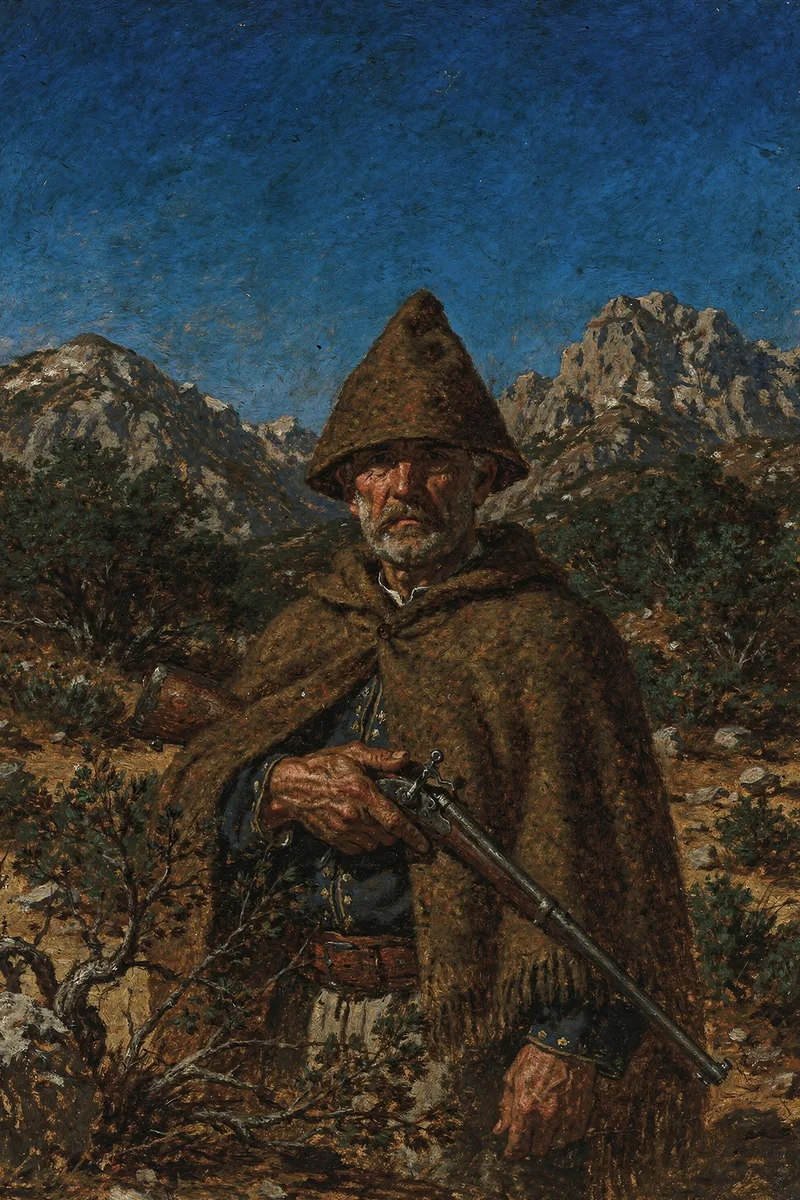
On a wild stretch of the Corsican maquis, ten-year-old Fortunato shelters a wounded fugitive — then trades him to the gendarmes for a glittering silver watch.
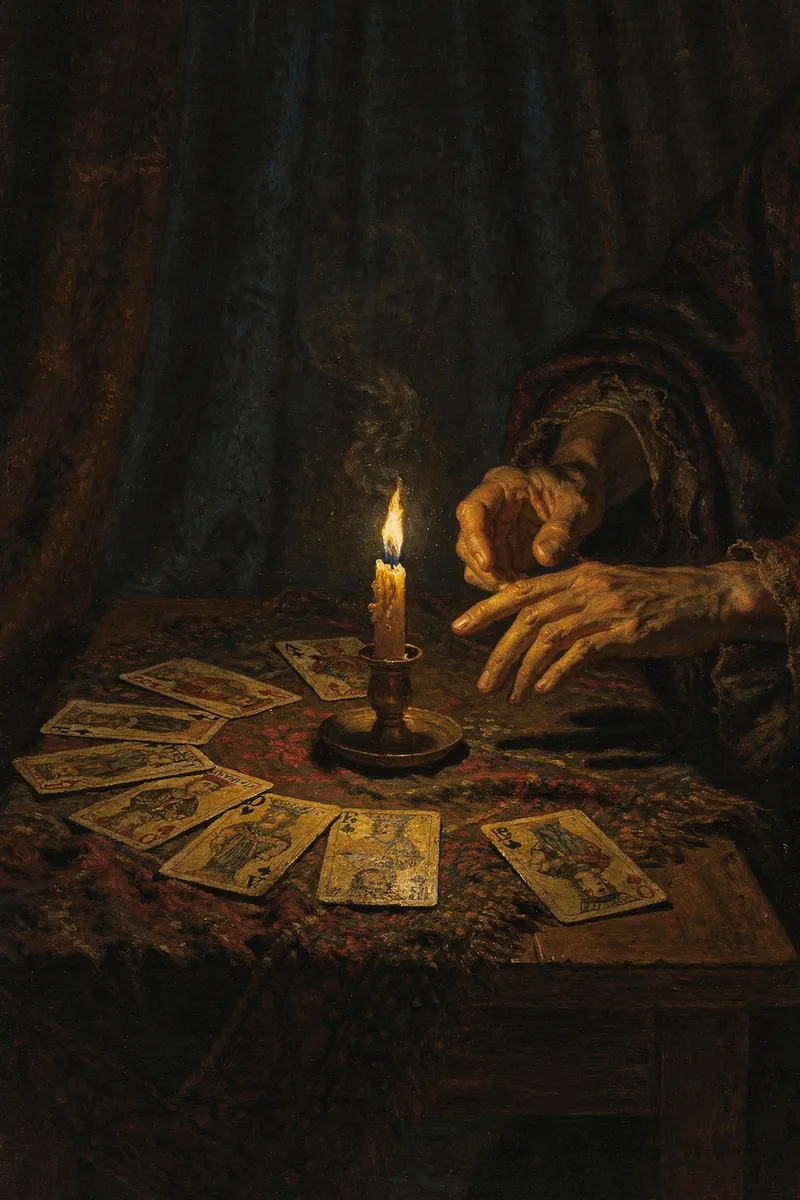
«There are more things in heaven and earth than are dreamt of in your philosophy.» With Hamlet's words Machado de Assis opens his most famous tale of fate and self-deception.
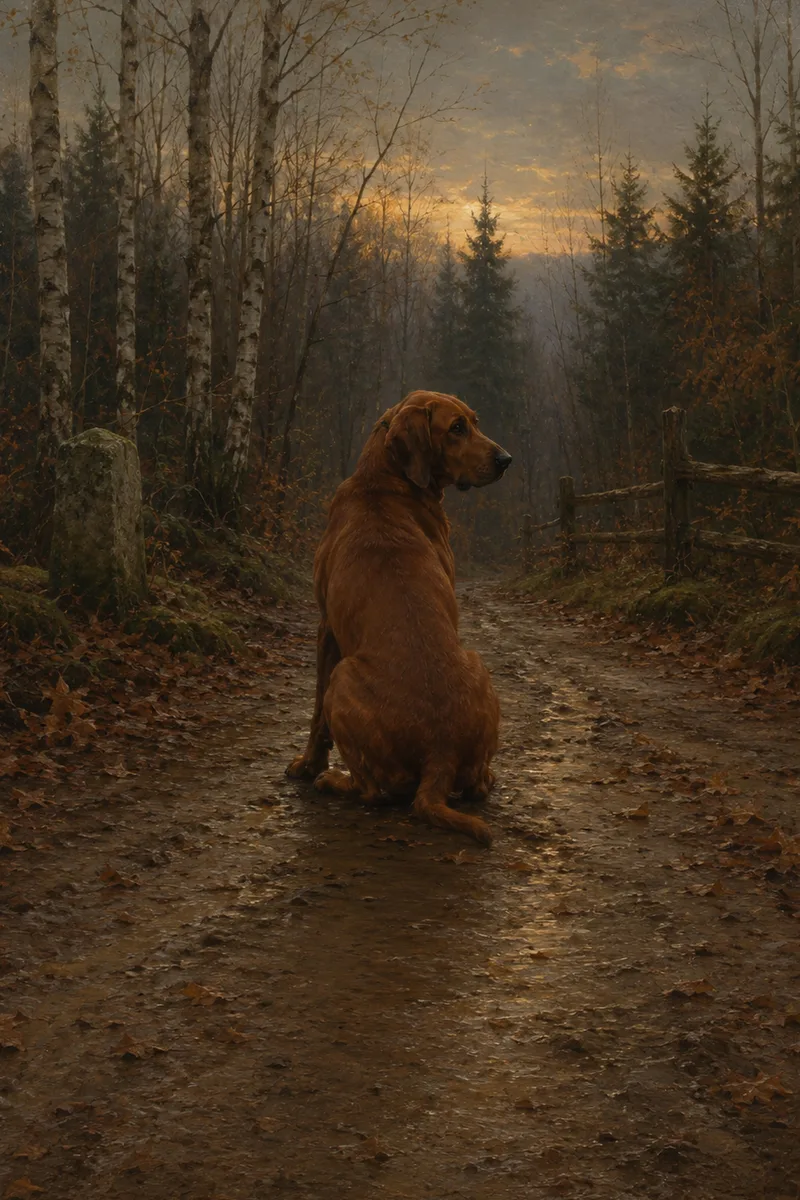
In a Moravian tavern the gamekeeper Hopp trades twelve bottles of cherry brandy for a starved hunting dog of faultless build, marked on the brow with a white line that branches like a fir twig.