Teacher B and the Love Letters
About this story
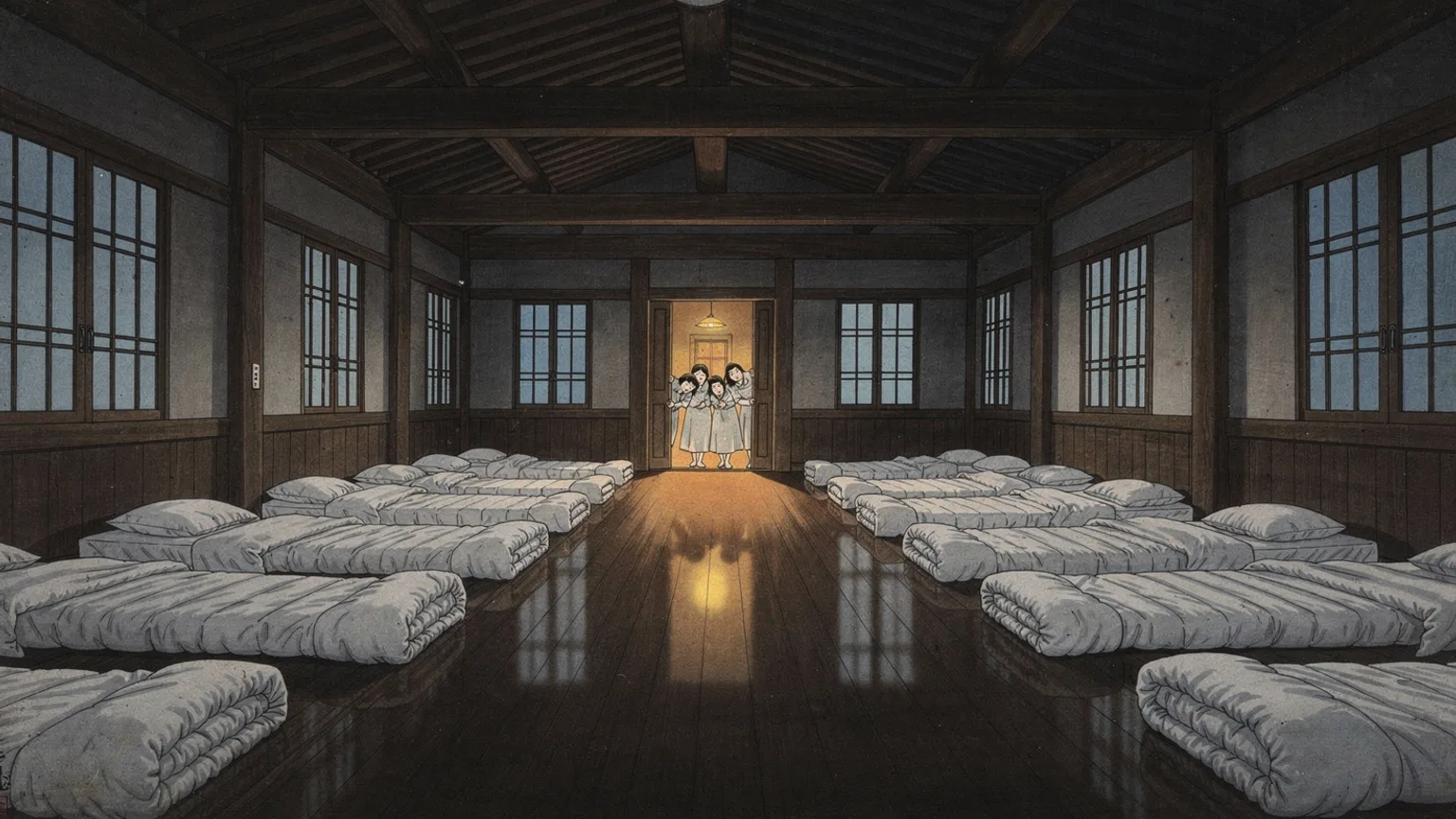
Miss B, the dormitory matron of a girls’ school, is a gaunt, pious spinster who wages holy war on romance — confiscating every love letter and hauling terrified students in for interrogation. But when strange voices drift from her room long after midnight, three girls creep down the corridor to look, and what they find turns her fearsome crusade inside out. Hyun Jin-geon’s 1925 gem is a sly, wickedly funny character study whose comedy suddenly opens onto something tender and achingly human.
By the numbers
About the author
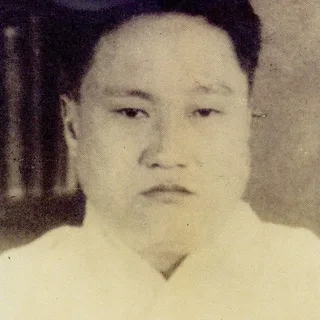
Hyun Jin-geon (1900–1943) was a Korean short-story writer, journalist, and editor, and one of the founders of modern Korean realist fiction. Working alongside Kim Dong-in and Yeom Sang-seop, he perfected the modern Korean short story and became a master of irony, laying bare the hardships of life under Japanese colonial rule; admirers dubbed him “the Chekhov of Korea.” His best-known works include «A Lucky Day» (1924), «The Society That Drives You to Drink» (1921), «Fire», and «Teacher B and the Love Letters» (1925).
Recognition
In the earliest period of modern Korean literature Hyun Jin-geon presented the short story in its perfected form. Together with Kim Dong-in and Yeom Sang-seop he pioneered the genre and laid the foundations of Korean realism, holding a major place in literary history for having so masterfully shaped the problem of confronting colonial reality through the craft of the short story.
Rather than relying on realistic detail or stock character types, Hyun Jin-geon transcends conventional realism through both rhetorical and situational irony. Keeping an objective distance from didacticism, he lays bare the contradictions of colonial modernity and stands out as a distinctive realist writer.
The story treats one character’s magnified, self-contradictory psychology with a warm, humanistic gaze. Rather than being merely comic, it lays bare through humor the essential tragedy of life, unfolding with the pacing of a detective story that steadily draws the reader in.
Hyun Jin-geon spurned the confessional mode of first-person narrative and turned to the third person in his attempt to portray life vividly and without subjectivity; the works of this period are novels that exposed the reality of their time through ironic methods.
Practice typing
Type this retelling one piece at a time — your progress is saved as you go.
If you liked this
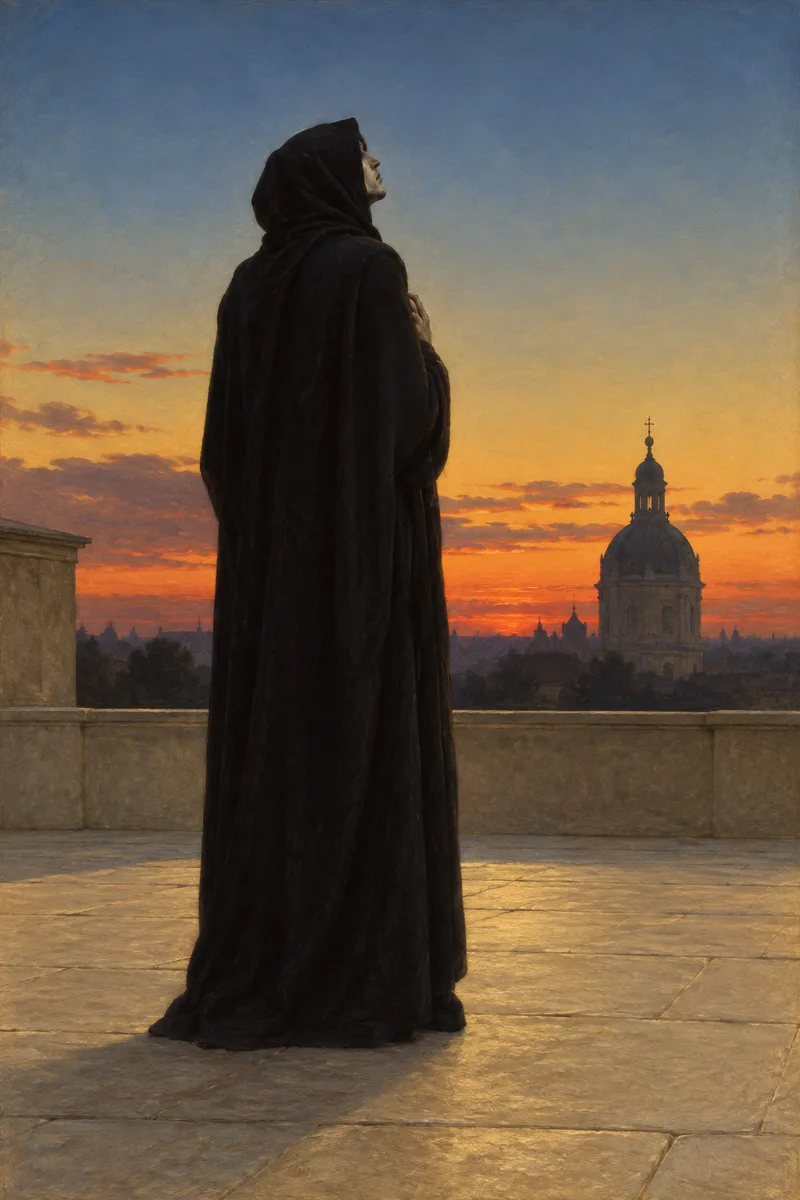
Munich is shining under a silk-blue June sky, and the crowd outside Blüthenzweig’s art shop keeps drifting back to a photograph in the window: a Madonna with bare shoulders and a heavy, sensual gaze, painted, the gossip goes, from the artist’s sweetheart, a little milliner.
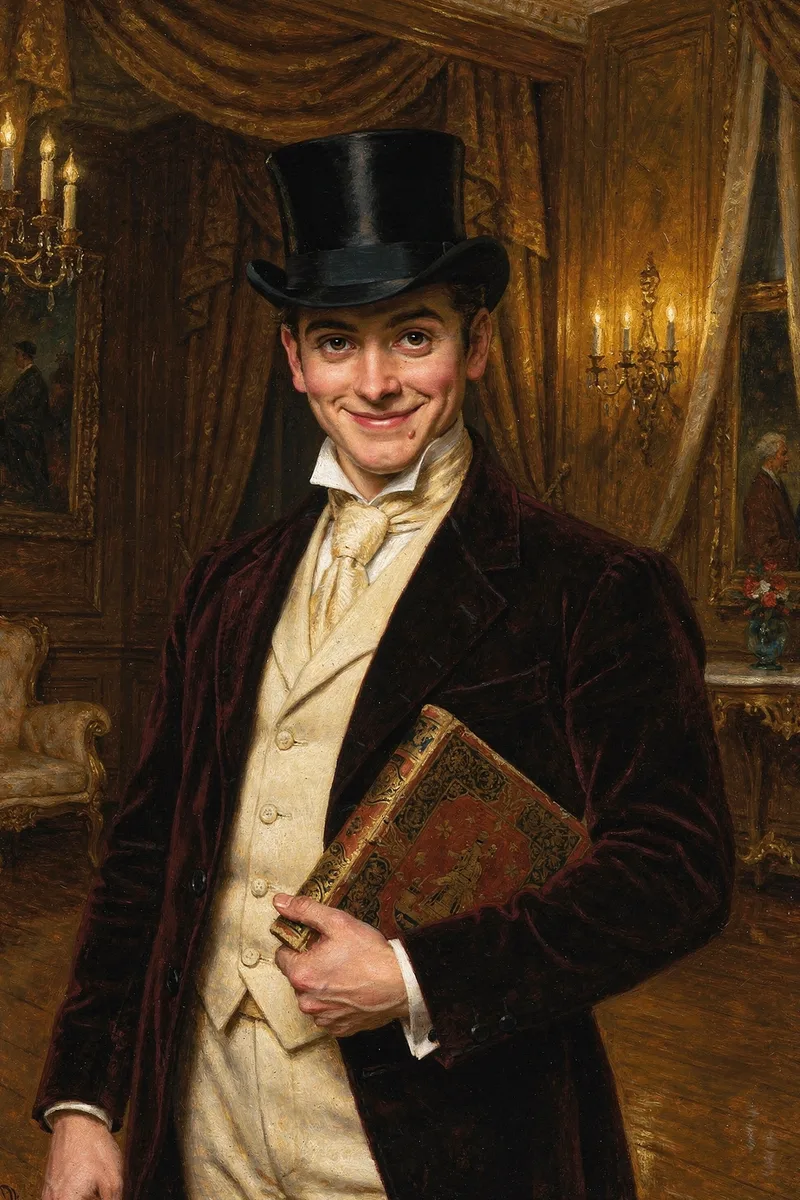
Down to his last coin, Castelo answers a newspaper advertisement seeking a teacher of Javanese — a language of which he does not know a single word.
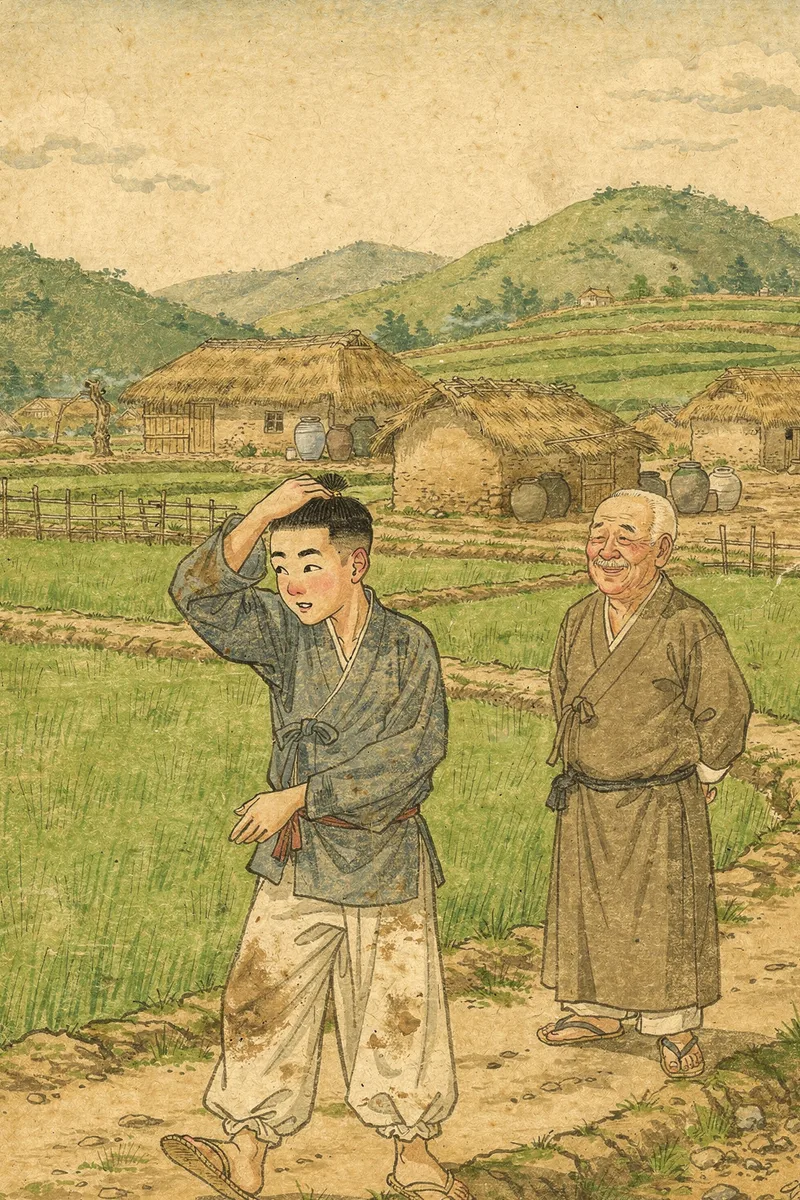
A simple-hearted farmhand has toiled for over three years without a single coin of pay, living as a son-in-law-to-be in the house of the crafty old landlord Bongpil — all on the promise that he may marry the daughter, Jeomsun, «once she has grown tall enough».
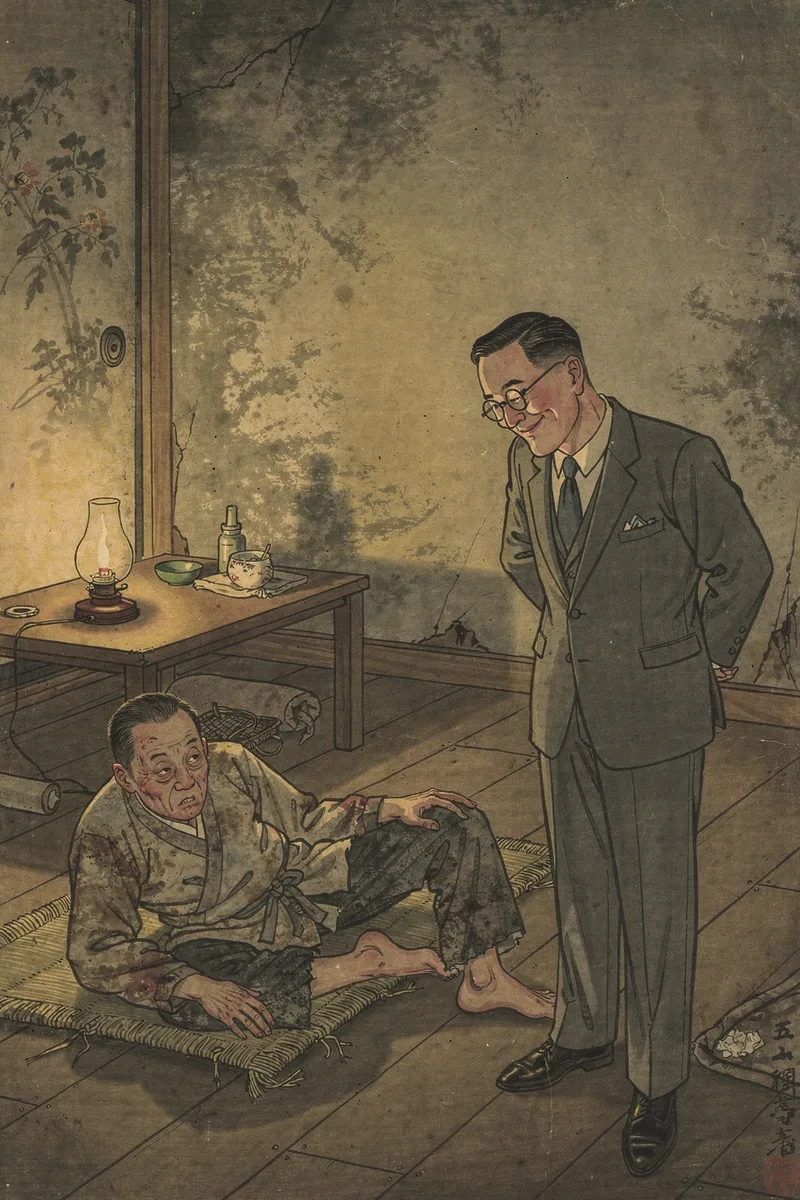
A twenty-one-year-old shop clerk holds forth on the relative he pities most — his «idiot» uncle, a broken ex-socialist fresh out of prison, kept alive by the devoted wife he once wronged.