To Build a Fire
About this story
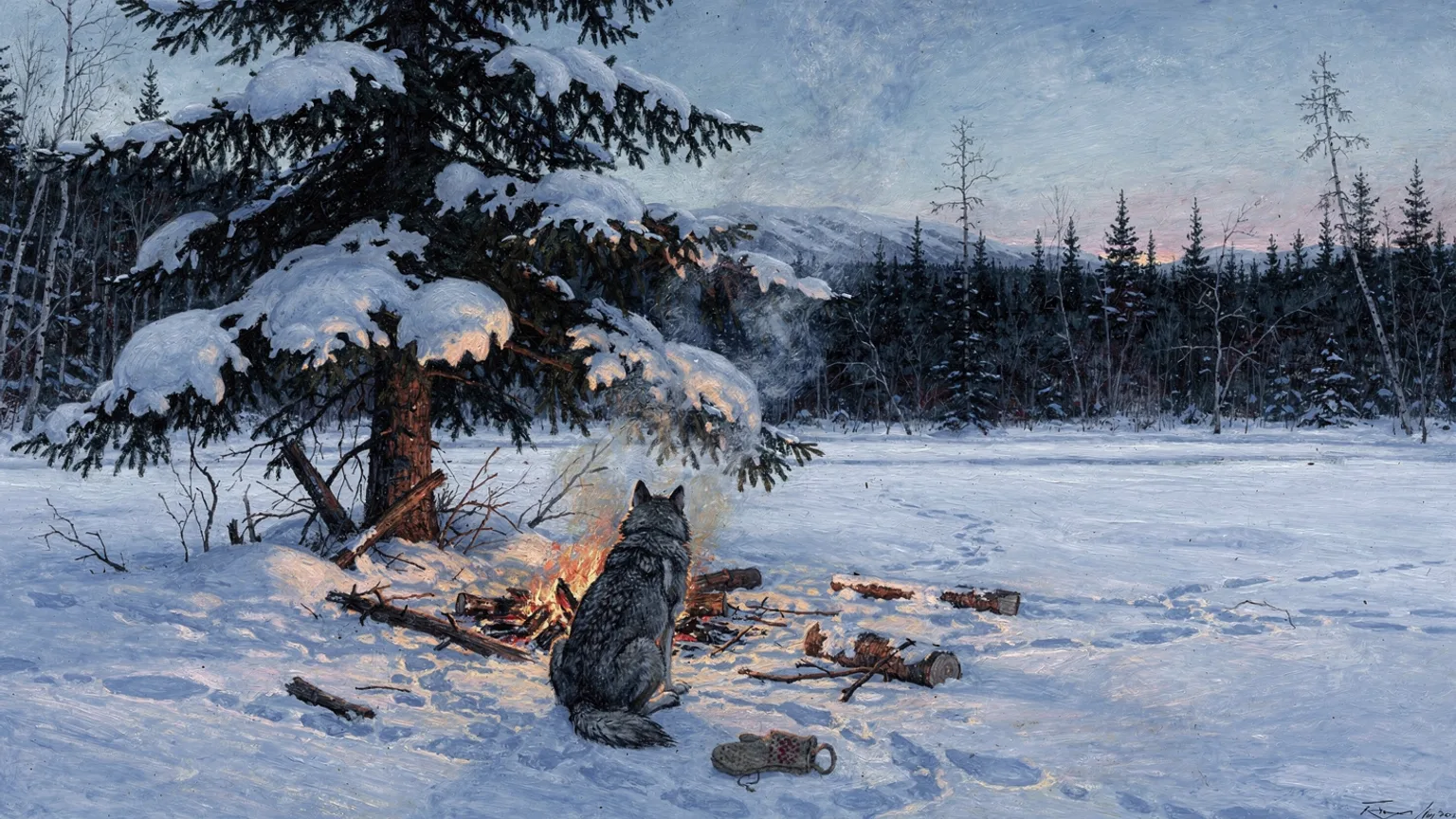
A lone man walks the frozen Yukon in cold so fierce his spit crackles in the air before it lands, certain that his practical mind is enough to see him safely to camp. A wolf-dog trots behind him, knowing better. Jack London's 1908 tale — the most anthologized story he ever wrote — turns one fatal miscalculation on the ice into the purest parable of American naturalism: a fragile creature weighed against an indifferent, killing cold. London, the first writer to win worldwide fame and a fortune from fiction alone, distilled his own Klondike winter into spare, relentless prose. Type it sentence by sentence and feel the temperature drop with every word.
By the numbers
About the author

Jack London (1876–1916) was an American novelist, short-story writer, and journalist who became one of the first writers to achieve worldwide fame and a large fortune from fiction alone. Drawing on his own hard-scrabble youth as an oyster pirate and sailor and on his year in the Klondike Gold Rush, he became a leading figure of American literary naturalism, dramatizing the struggle of individuals against an indifferent, deterministic natural world. His signature works include the Northland novels «The Call of the Wild» (1903) and «White Fang» (1906) and the sea adventure «The Sea-Wolf» (1904). «To Build a Fire» (1908) is widely regarded as his finest short story and one of the purest expressions of naturalism in American short fiction, distilling his Klondike experience into a spare parable of a man's fatal miscalculation against the cold.
Recognition
starkly elegant, a masterpiece of quiet tone and subdued color, and the most frequently anthologized of all of London's works.
"To Build a Fire" ranks among a group of outstanding stories that distinguish London as one of the masters of the short-story form.
London's most mature expression of his pessimism.
Earle Labor and Jeanne Campbell Reesman praise «To Build a Fire» as a masterpiece, reading its snowbound setting as an antagonistic, mythic force and the doomed man as a figure who at last attains true tragic stature.
Practice typing
Type this retelling one piece at a time — your progress is saved as you go.
If you liked this
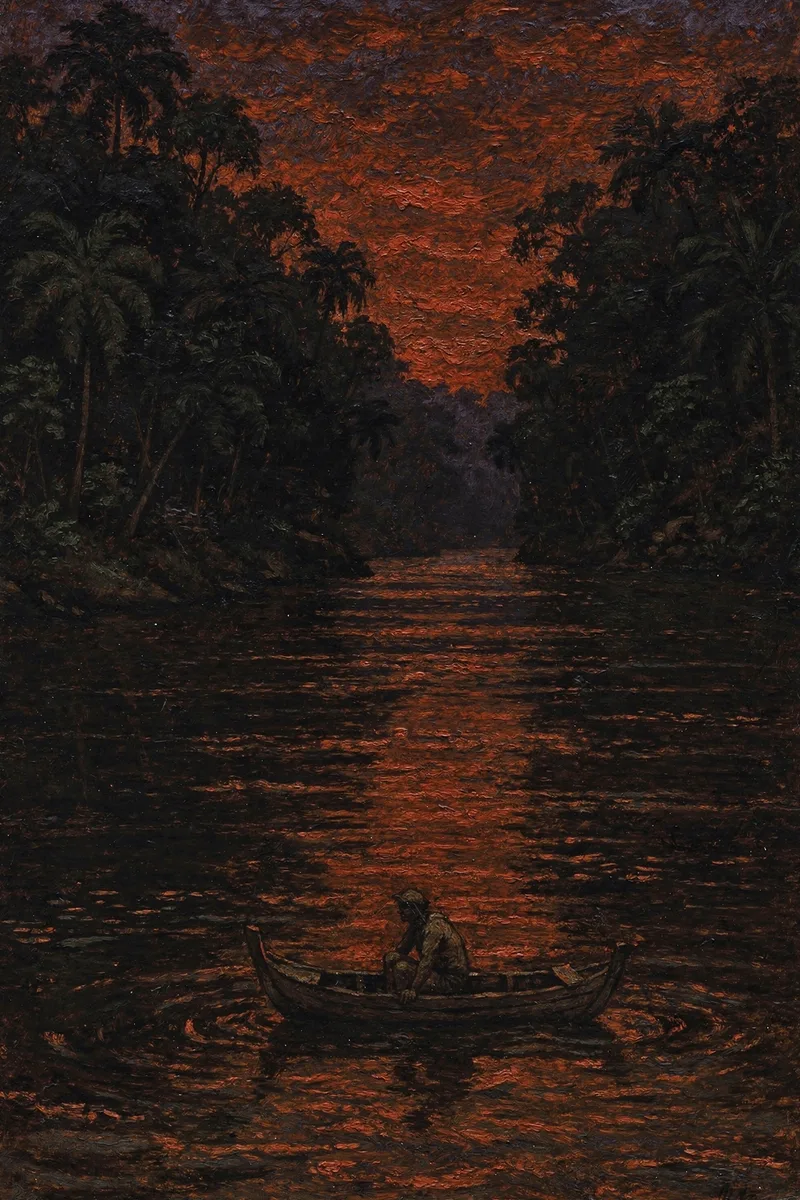
A man steps on something soft in the Misiones jungle and feels the fangs of a snake close on his foot.
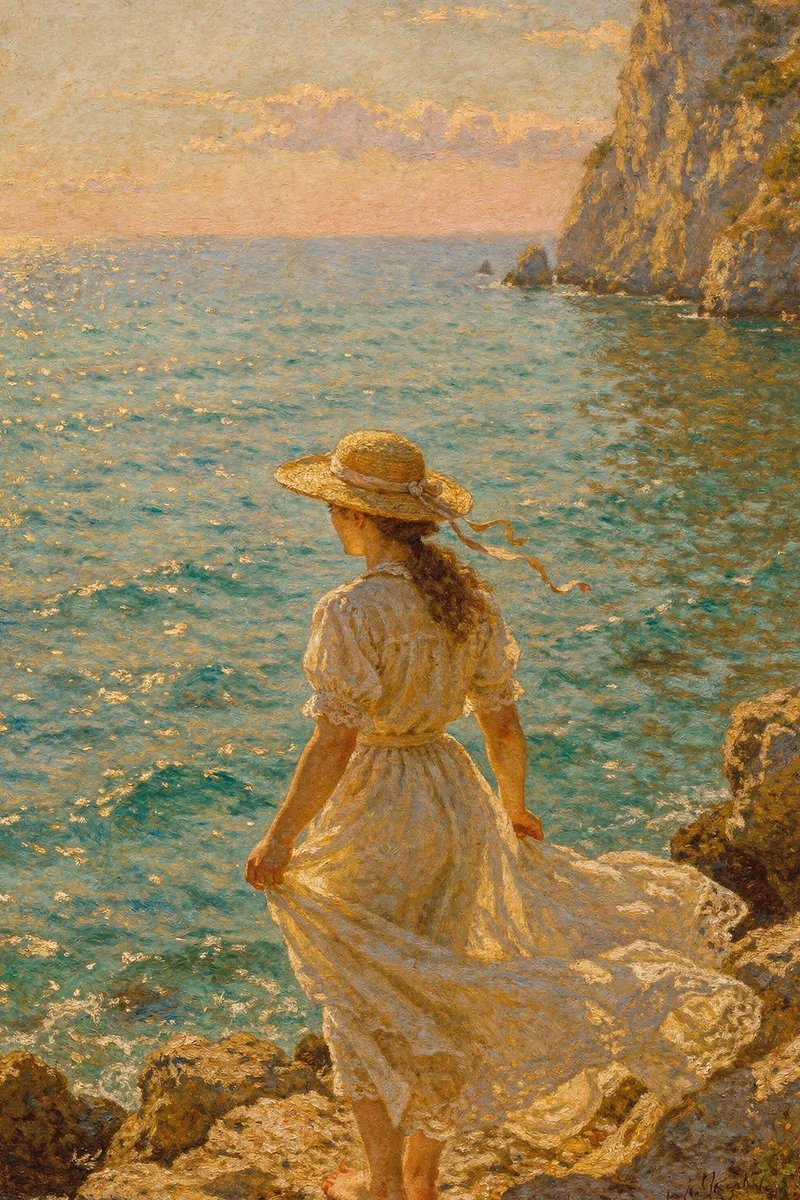
On a sun-struck Crimean shore, where consumptive patients come to breathe the sea air, the narrator falls in with a restless, coquettish young woman whom her own vanity will not let sit still for a moment.
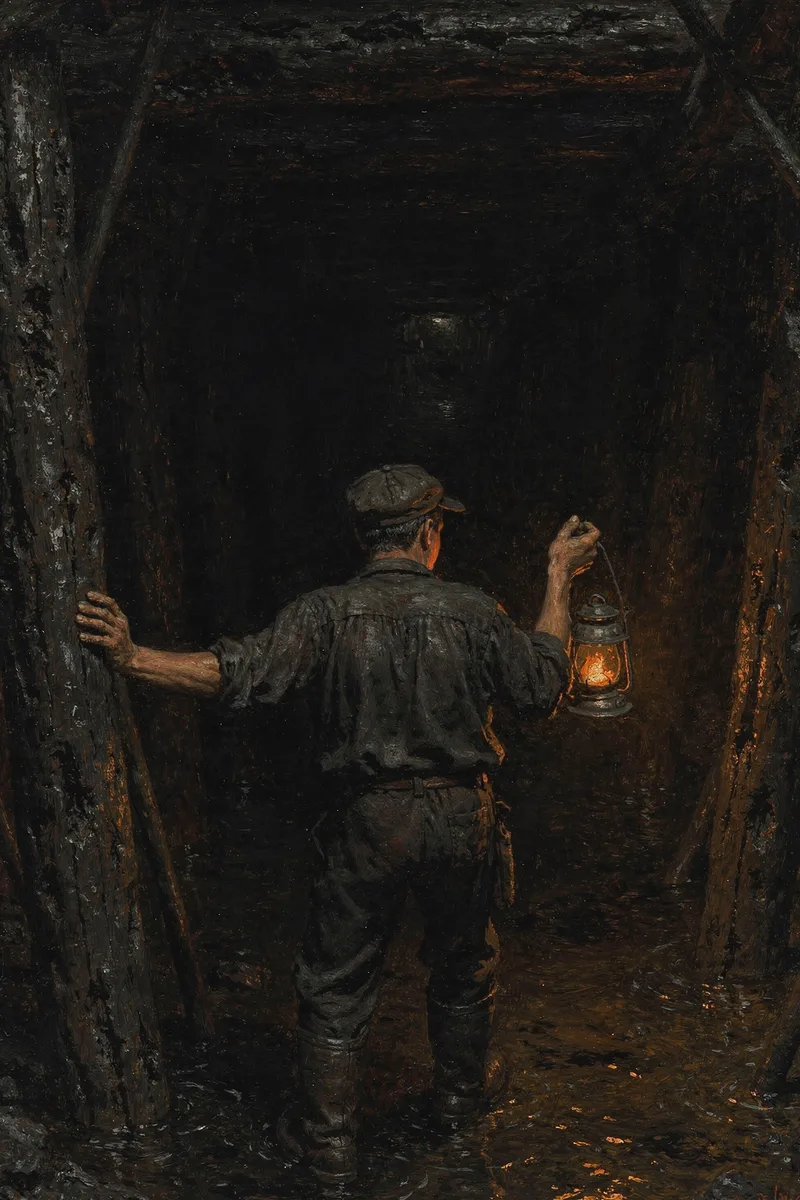
In 1904, Baldomero Lillo—the father of Chilean social realism—descended into the coal pits of Lota and came back with “The Devil's Shaft,” the most anthologized story in Chilean literature.
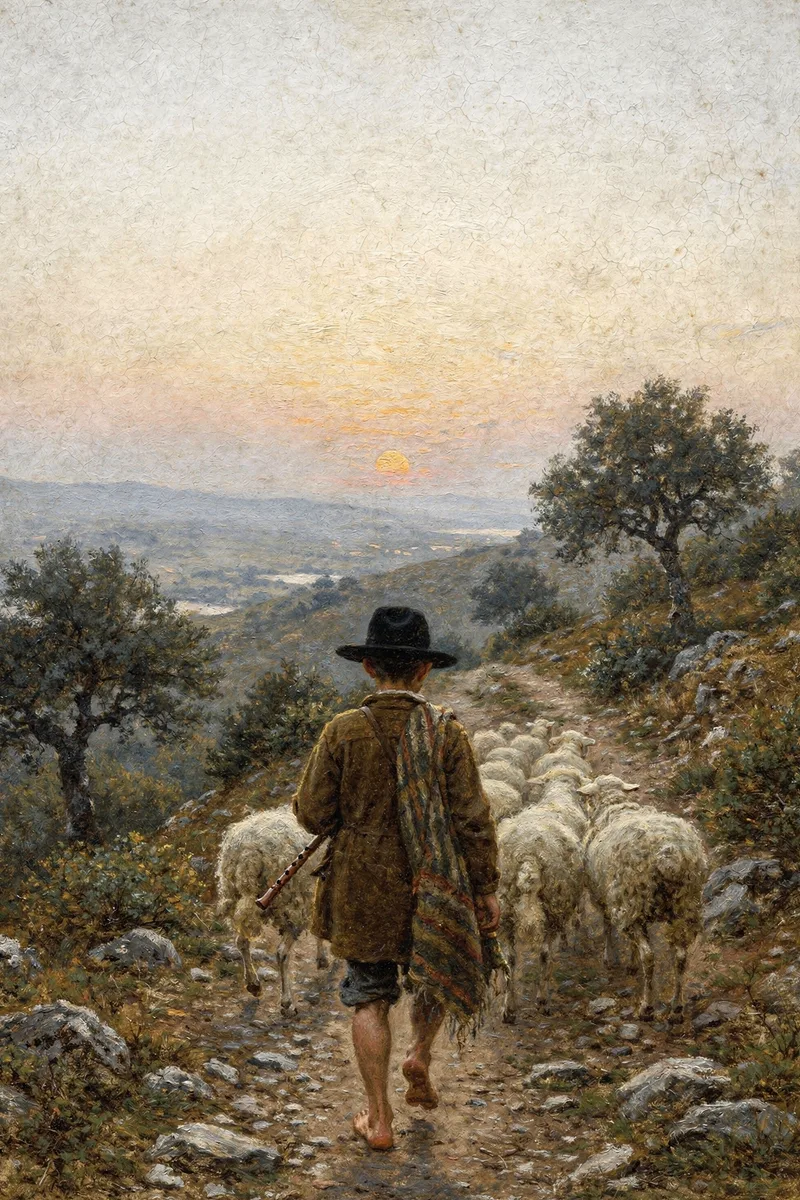
At first light, the shepherd boy Gonçalo drives his flock down through a sleeping Trás-os-Montes village to the river — hoping, against hope, to find on the far bank Rosária, the shepherd girl he has not seen for so long.