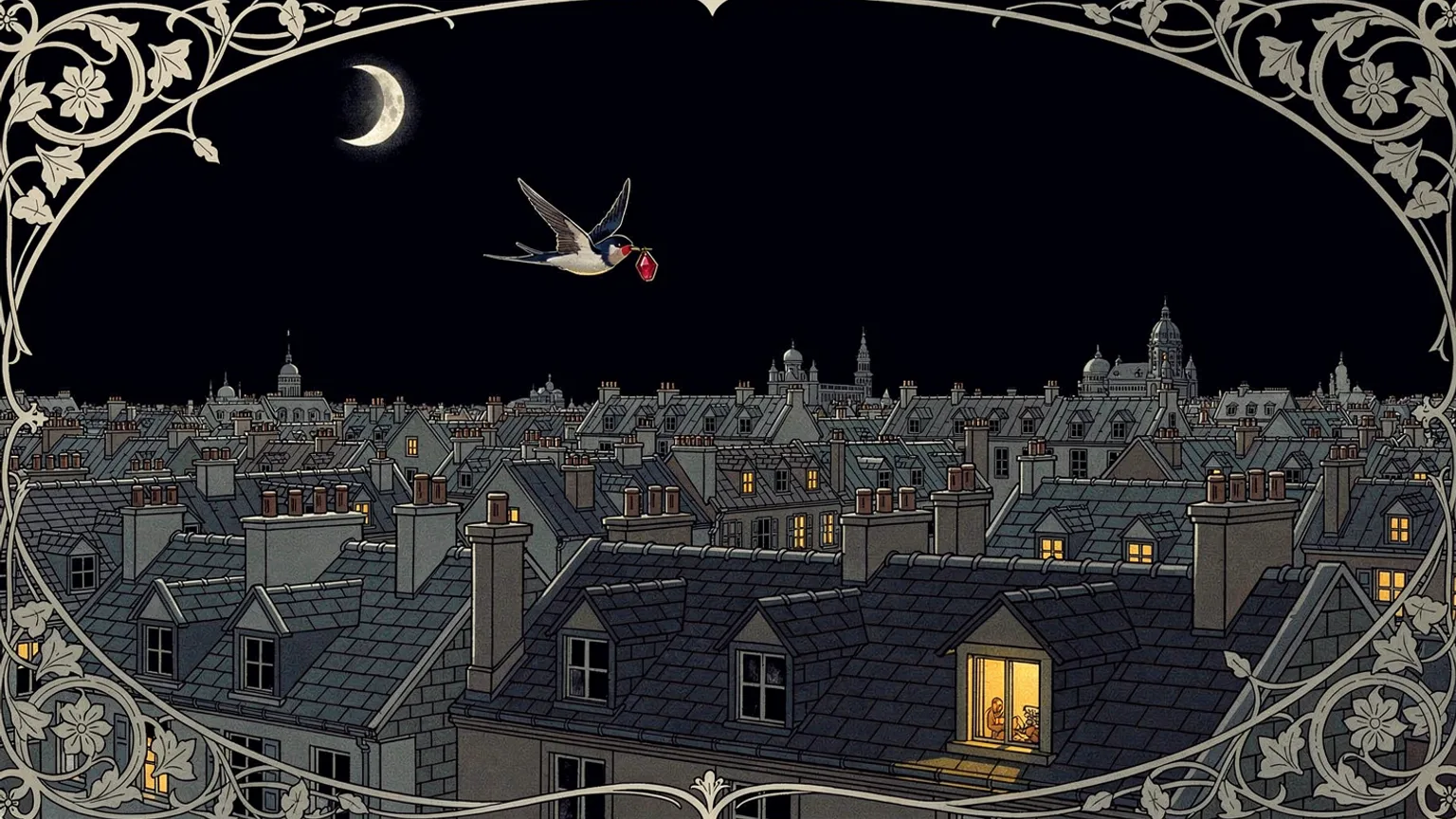
The Happy Prince
About this story
A jewelled statue of the Happy Prince gazes down on his city and weeps at the misery below, so he begs a little Swallow — left behind when his flock flew to Egypt — to strip away his gold and gems and carry them to the suffering poor. Oscar Wilde's 1888 literary fairy tale is a tender, bittersweet parable of compassion and sacrifice, and of the love that grows between a dying bird and a statue who can no longer move. The title story of Wilde's first collection of tales, it remains one of the best-loved fairy stories in English — a children's tale with an adult's ache, and a quiet rebuke to a city that prizes only what glitters.
By the numbers
About the author
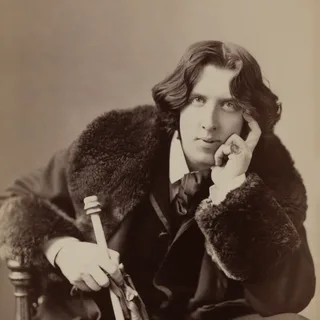
Oscar Fingal O'Flahertie Wills Wilde (1854–1900) was an Irish poet, playwright, and prose writer, born in Dublin and educated at Trinity College Dublin and Oxford. He became the leading spokesman of the late-nineteenth-century Aesthetic movement, which held that art exists for its own beauty — «art for art's sake» — and was celebrated for his wit, his only novel «The Picture of Dorian Gray» (1891), and comedies such as «The Importance of Being Earnest» (1895). «The Happy Prince» is the title tale of his first collection of fairy stories, published in London in May 1888. After imprisonment (1895–1897), Wilde lived in reduced circumstances in France and died in Paris in 1900.
Recognition
He was the leading spokesman for the late-19th-century Aesthetic movement in England, which advocated art for art's sake.
Beneath their fairy-tale surfaces, Wilde's tales explore the beauty of compassion, the value of sacrifice, and a sharp critique of social inequality.
«The Happy Prince and Other Tales» is a collection of five stories for children by Oscar Wilde, first published in May 1888; it also contains «The Nightingale and the Rose» and «The Selfish Giant».
Practice typing
Type this retelling one piece at a time — your progress is saved as you go.
If you liked this
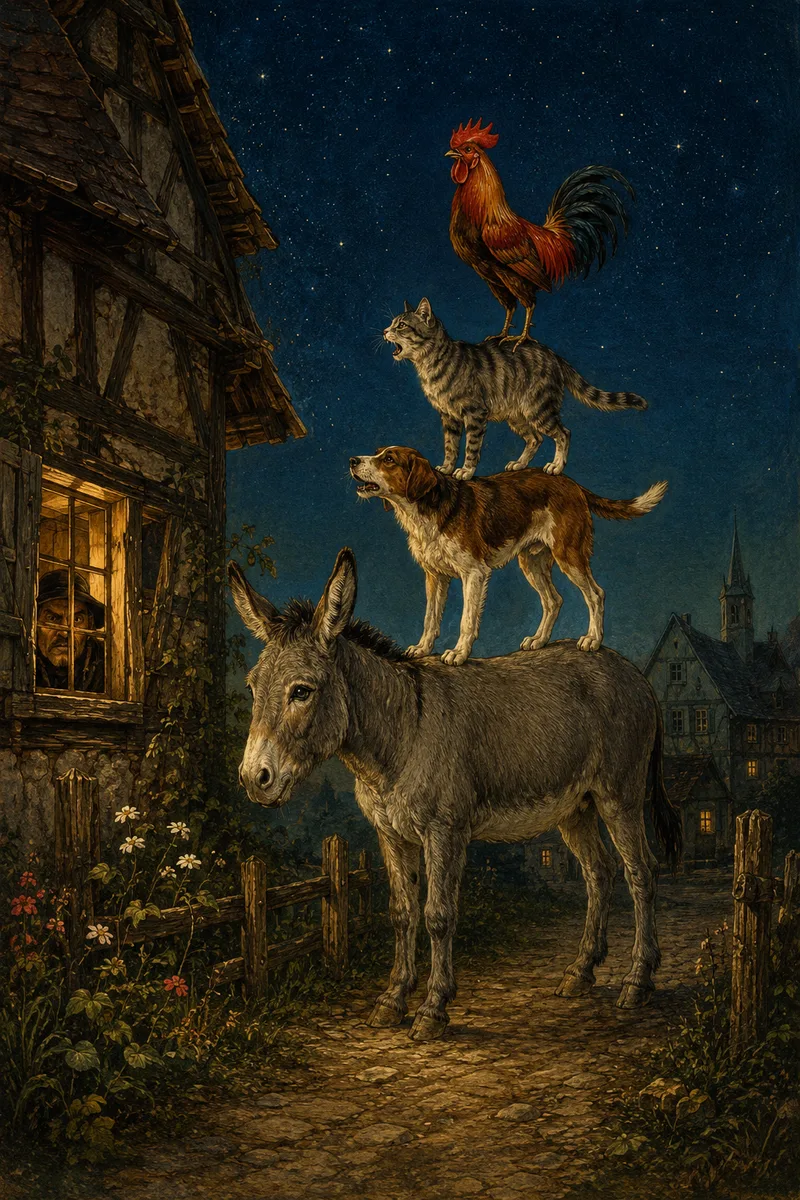
Four worn-out animals — a donkey, a dog, a cat, and a rooster — are each marked for death by the masters they served faithfully for years.
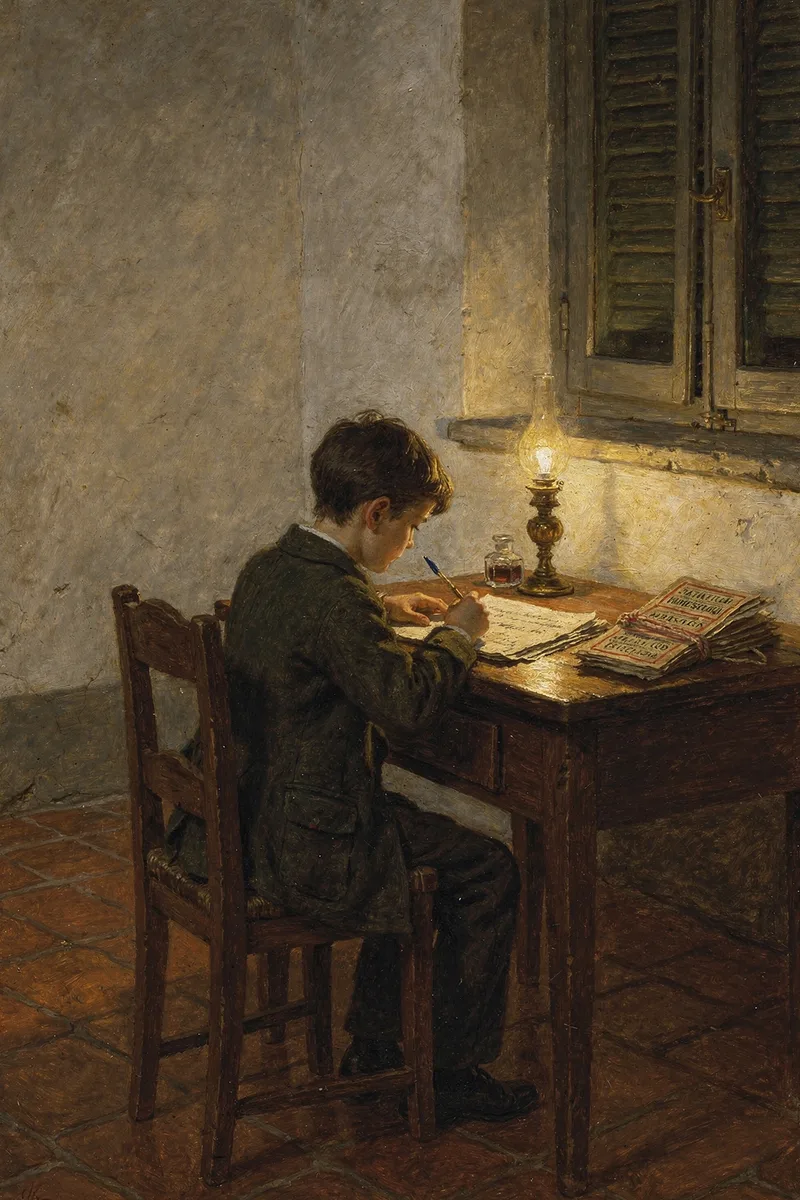
Twelve-year-old Giulio watches his ageing father copy addresses deep into the night for a few extra lire — and privately resolves to help.
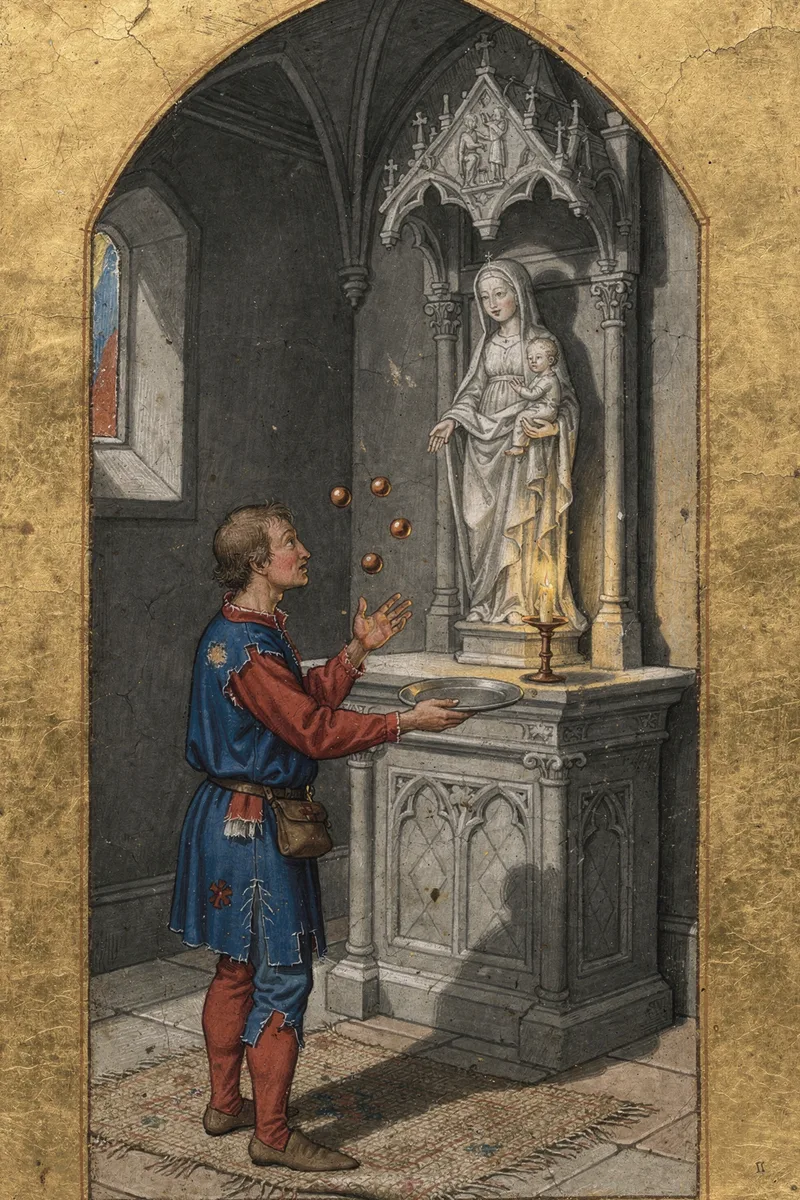
Barnabé is a poor traveling juggler who earns his coins on a threadbare carpet, spinning copper balls and balancing a tin plate on the tip of his nose.
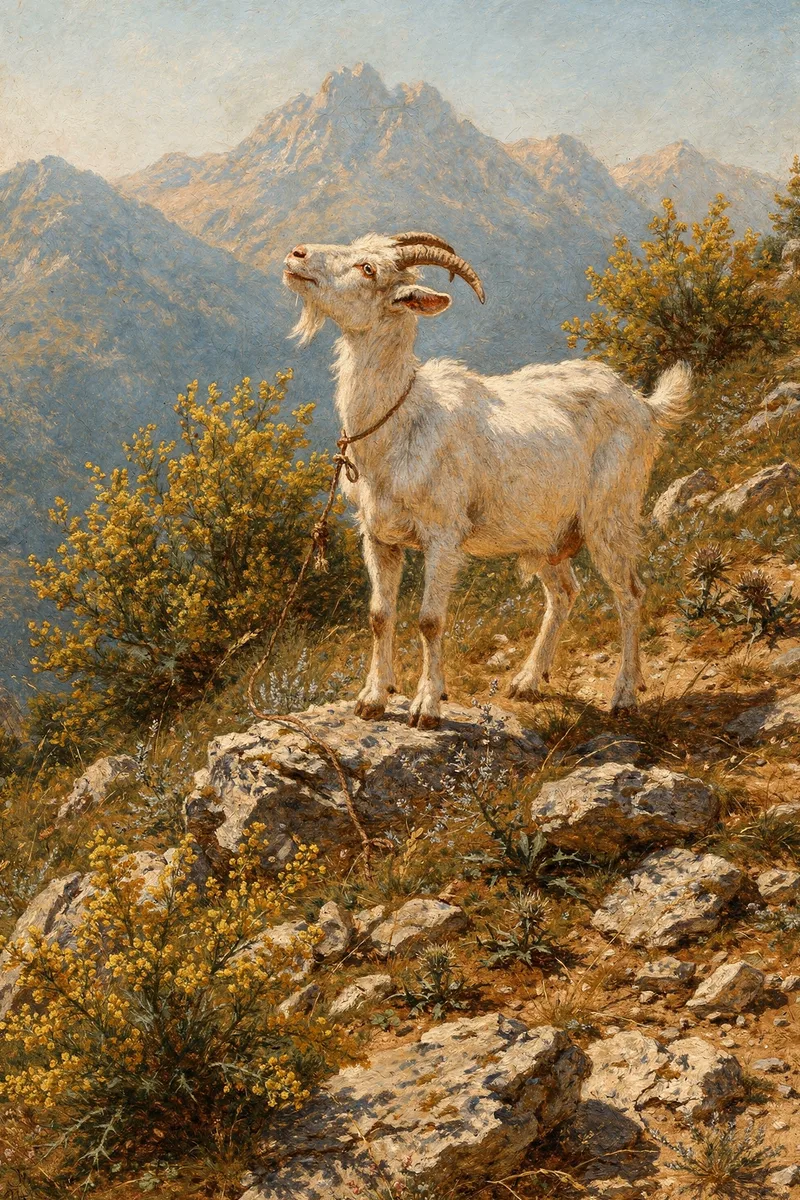
To warn a young poet against trading his freedom for a salaried desk, Alphonse Daudet spins the tale of Monsieur Seguin's little white goat.