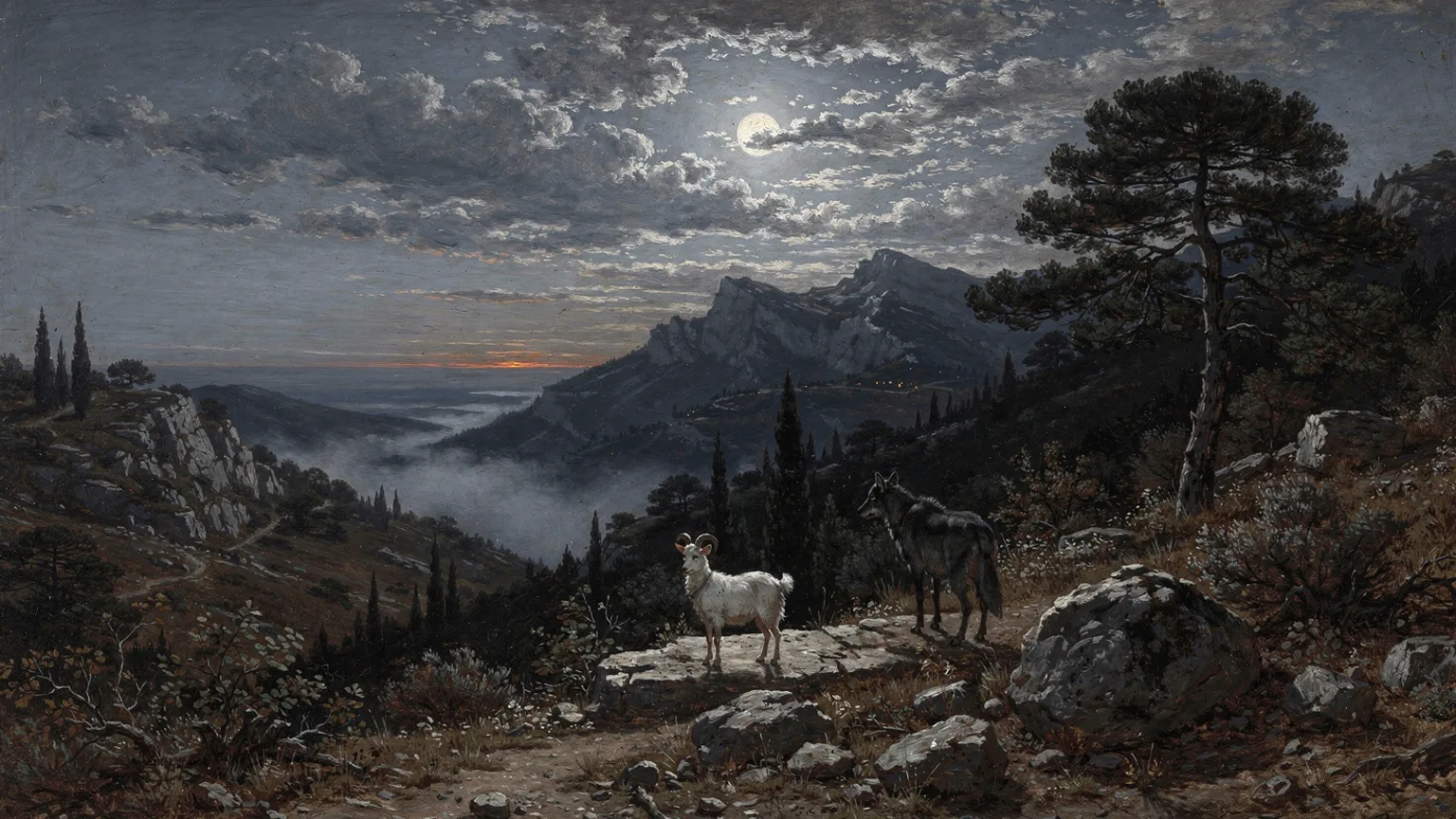
Monsieur Seguin's Goat
About this story
To warn a young poet against trading his freedom for a salaried desk, Alphonse Daudet spins the tale of Monsieur Seguin's little white goat. Petted, tethered and safe, Blanquette pines for the mountain — and one morning she breaks loose. A single day of intoxicating liberty follows: golden broom, wildflowers, torrents to leap, a black-coated buck to flirt with. Then night falls, and with it the wolf. Knowing no goat has ever bettered a wolf, Blanquette lowers her horns and fights until dawn. France's best-loved storyteller turns a Provençal folk tale into a heartbreaking parable of freedom and its price — tender, ironic and unforgettable in a few short pages.
By the numbers
About the author
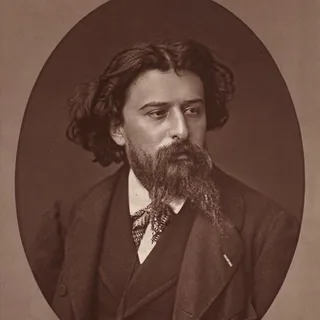
Alphonse Daudet (1840–1897) was a French novelist, short-story writer and playwright, born in Nîmes and raised in Provence, whose warm, ironic pictures of southern French life made him one of the most popular authors of the naturalist generation. His reputation was founded by «Lettres de mon moulin» (1869), a collection of Provençal tales and sketches, and consolidated by the comic novel «Tartarin de Tarascon» (1872) and the semi-autobiographical «Le Petit Chose» (1868). «La Chèvre de monsieur Seguin», first published in the newspaper L'Événement in 1866 and later gathered into the Lettres, is the best known of those tales, so widely read in France that it has almost acquired the status of a traditional folk fable about freedom and its price. Henry James, who befriended him in Paris, called Daudet «the most charming story-teller of the day».
Recognition
The most charming story-teller of the day... a genius who is truthful without being literal, and who has a pair of butterfly's wings attached to the back of his observation.
«La Chèvre de M. Seguin» is the depiction of a struggle. A social struggle, a struggle of literature, of culture, a struggle in which there were none but losers — or almost.
I wish to say, above all, that M. Alphonse Daudet has written nothing more brilliant, more crackling or more delightful; nothing in which the observation of outward things is keener or the expression more unfailingly inventive.
The Lettres were classic examples of the art of hiding art.
Practice typing
Type this retelling one piece at a time — your progress is saved as you go.
If you liked this
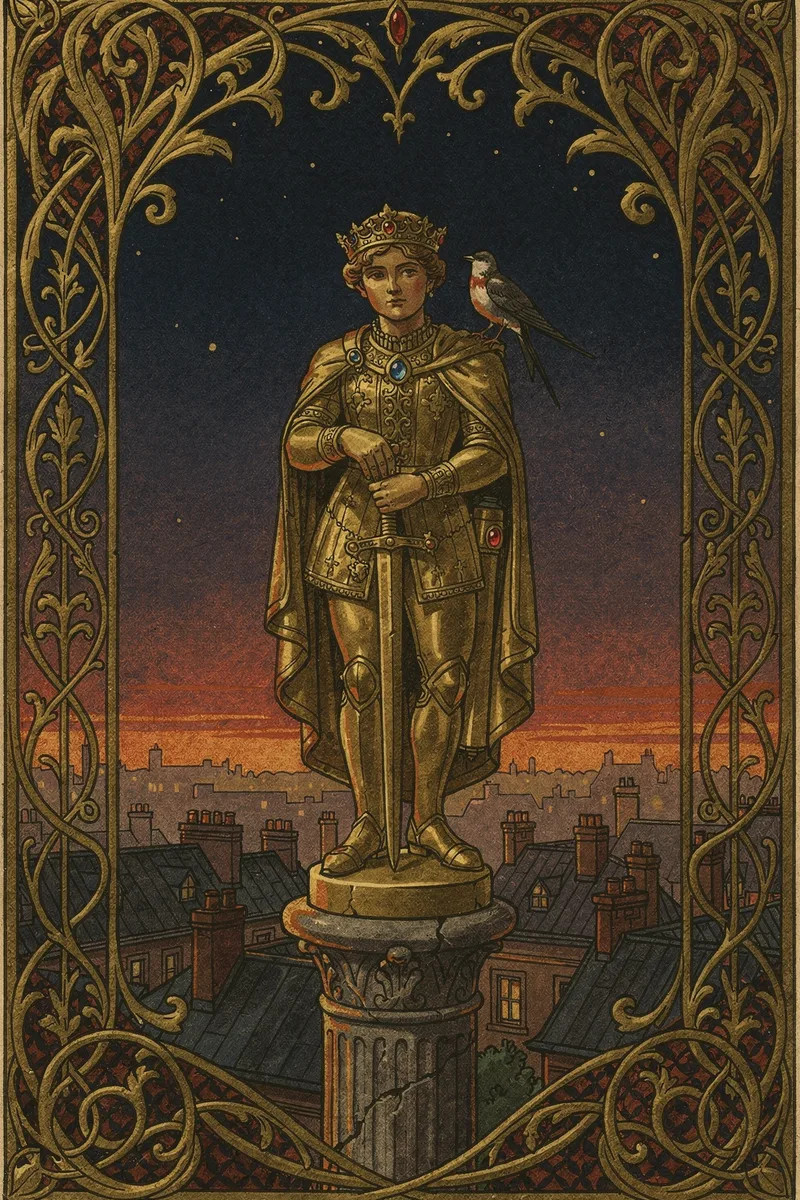
A jewelled statue of the Happy Prince gazes down on his city and weeps at the misery below, so he begs a little Swallow — left behind when his flock flew to Egypt — to strip away his gold and gems and carry them to the suffering poor.
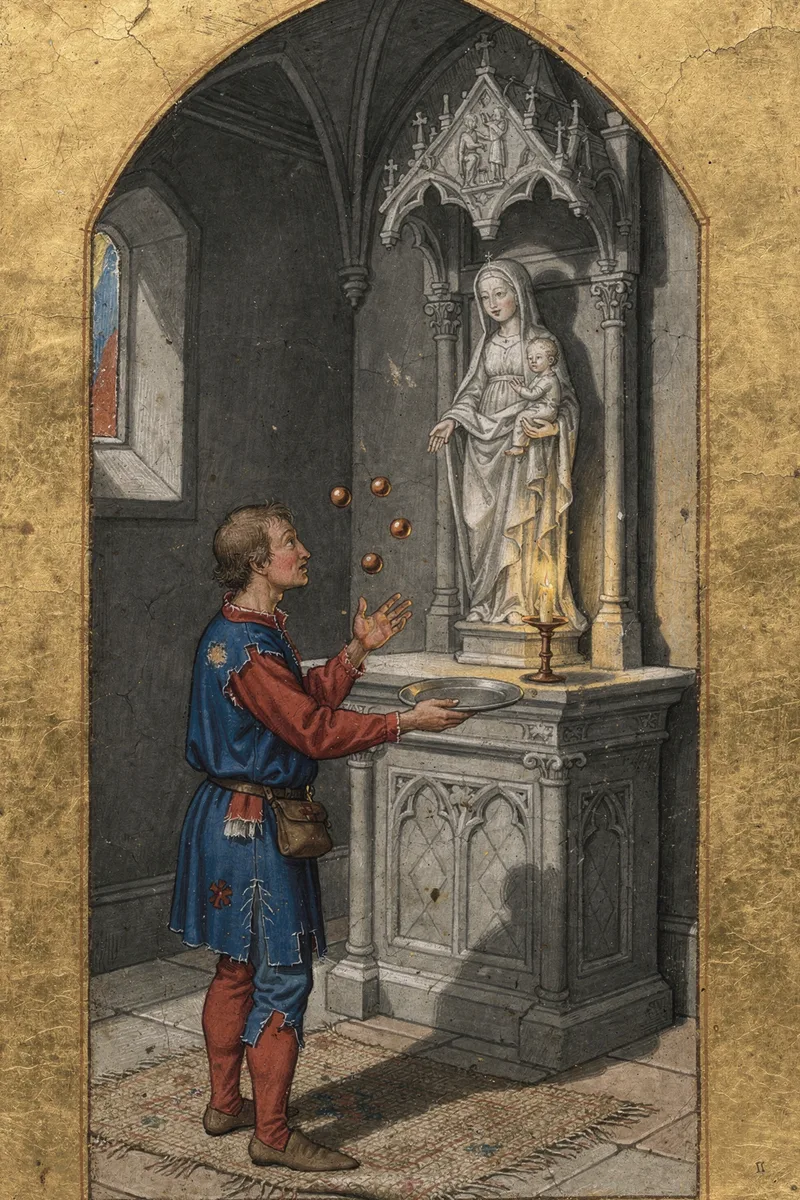
Barnabé is a poor traveling juggler who earns his coins on a threadbare carpet, spinning copper balls and balancing a tin plate on the tip of his nose.
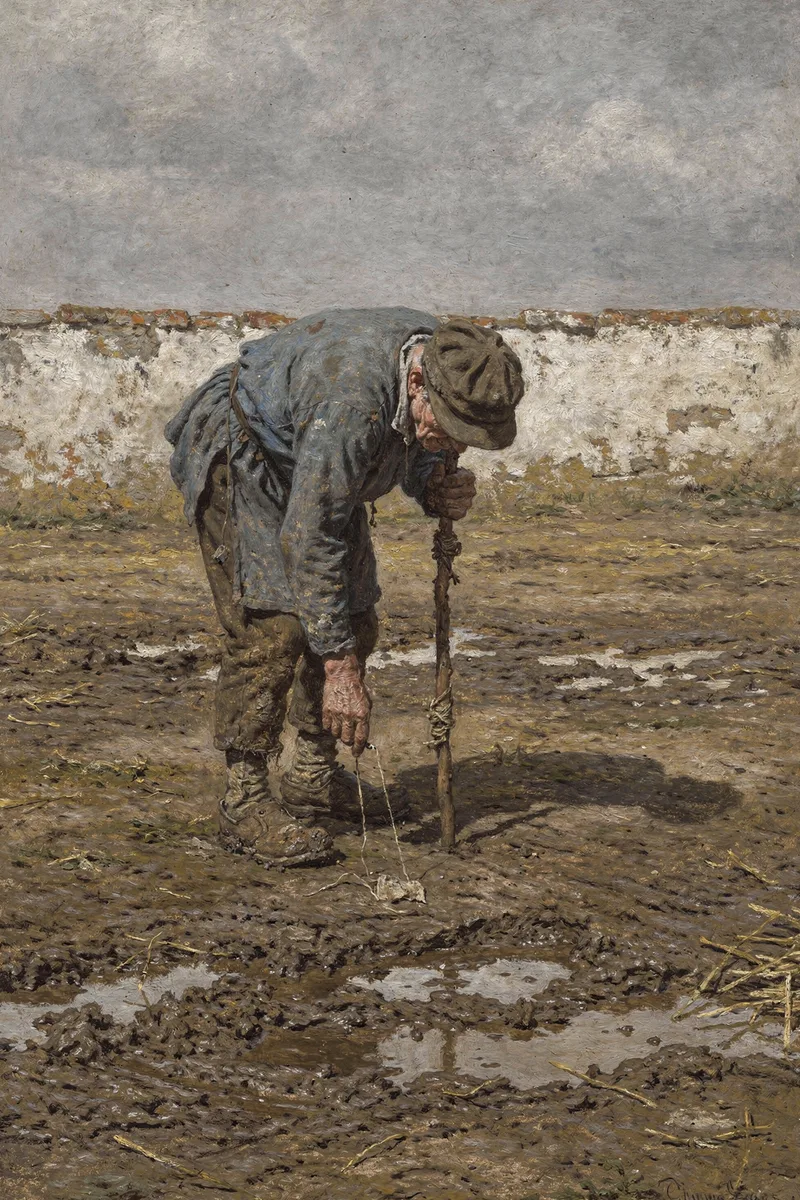
At the Goderville market, a thrifty old Norman named Hauchecorne stoops to pick a scrap of string from the mud — and a lifelong enemy sees him do it.
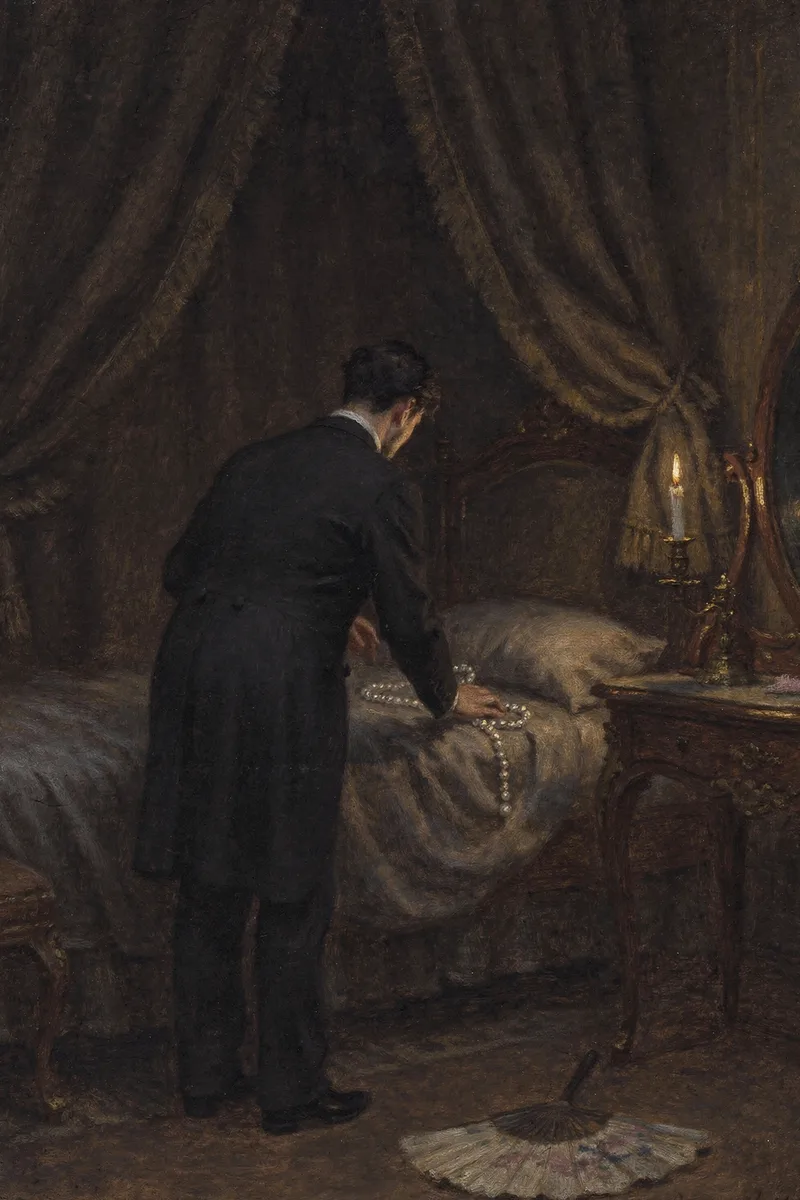
Six months a widower, the Count d'Athol refuses to believe his wife is dead.