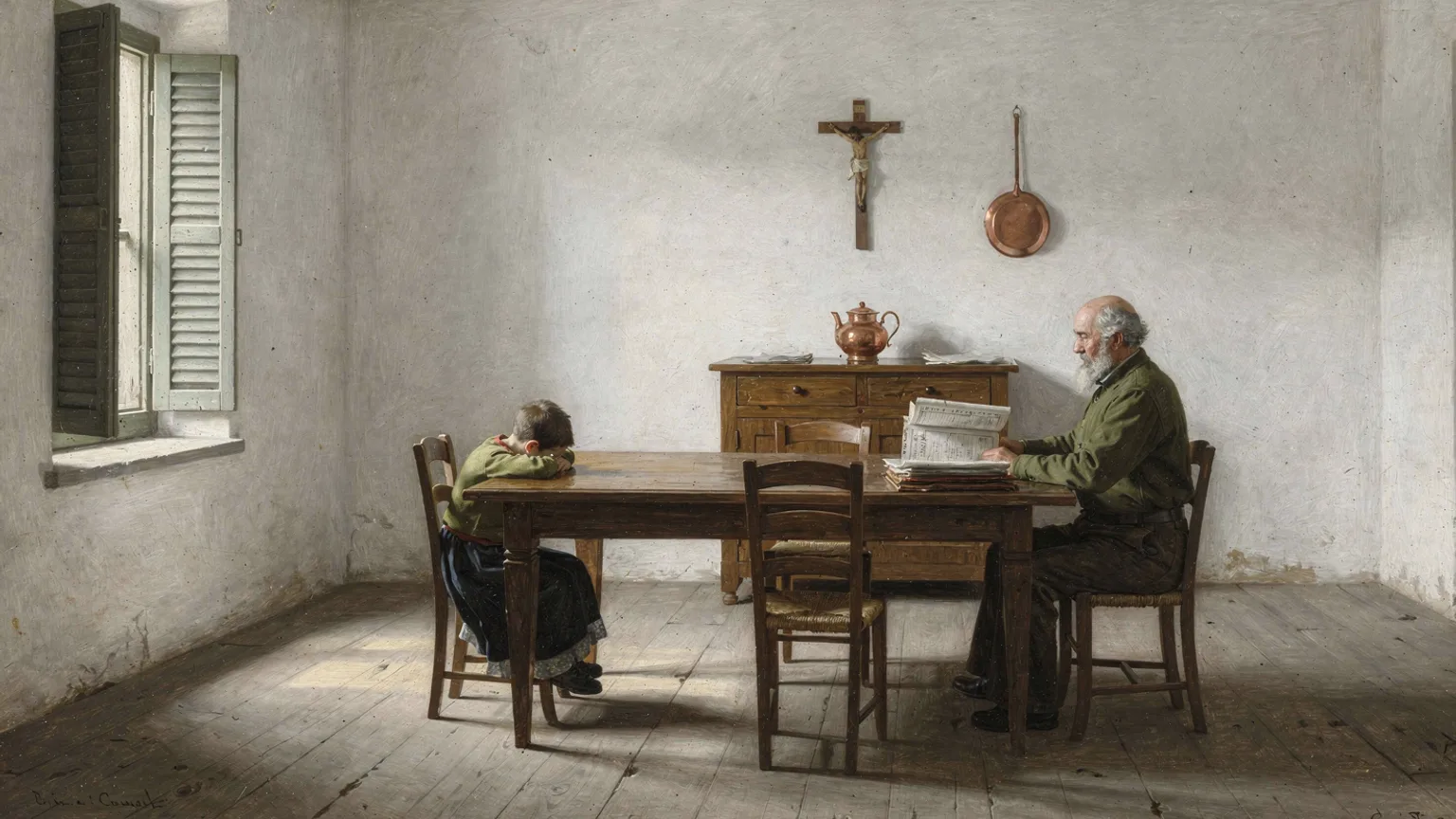
The Little Florentine Scribe
About this story
Twelve-year-old Giulio watches his ageing father copy addresses deep into the night for a few extra lire — and privately resolves to help. Once the house is asleep, the boy slips to the desk and forges his father's hand, secret night after secret night. But the lost sleep bleeds into his schooldays: his marks fall, his father's warmth curdles into cold reproach, and Giulio must choose between confessing and bearing his crushing love in silence. One of the nine cherished monthly stories in Edmondo De Amicis's «Cuore» (1886) — the schoolboy diary that ran through dozens of editions within months and was translated across the world — «The Little Florentine Scribe» is a tender, tear-earning classic of filial devotion and silent sacrifice.
By the numbers
About the author
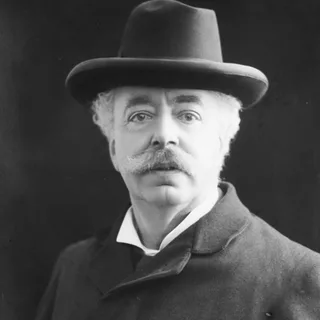
Edmondo De Amicis (1846–1908) was an Italian novelist, journalist, poet and short-story writer, and one of the best-known Italian authors abroad in his lifetime. A former army officer who later joined the Italian Socialist Party, he made his name with vivid travel books such as «Costantinopoli», long regarded as one of the finest nineteenth-century portraits of that city, and with the emigration novel «Sull'Oceano» (1889). His enduring fame rests on «Cuore» (Heart, 1886), a schoolboy's fictional diary written to instil patriotism, duty and solidarity, which sold out dozens of editions within months and was translated into dozens of languages. «Il piccolo scrivano fiorentino» is one of the nine monthly stories (racconti mensili) woven through «Cuore», and among its most anthologised and beloved episodes.
Recognition
Franti, in the cosmos of Cuore, represents Negation; but Negation takes on the guise of Laughter. Franti laughs because he is wicked, thinks Enrico — but in fact he seems wicked because he laughs, adrift in the vast sea of languorous treacle that pervades Enrico's entire diary.
It is a hymn to filial love, to a sense of duty and to devotion toward the family; when the story was previewed in the Nuova Antologia on 1 October 1886, the reaction of public opinion was very positive.
Critics ascribe Cuore to minor Manzonism and consider De Amicis a mediocre author for his plain, discursive prose; and yet the big book, at least for those of past generations, remained a milestone — to be held on one's knees and read together with mothers and grandmothers.
De Amicis' most important work is the sentimental children's story Cuore (1886; Heart), written in the form of a schoolboy's diary — a book that achieved immense and lasting popularity across the world.
Practice typing
Type this retelling one piece at a time — your progress is saved as you go.
If you liked this
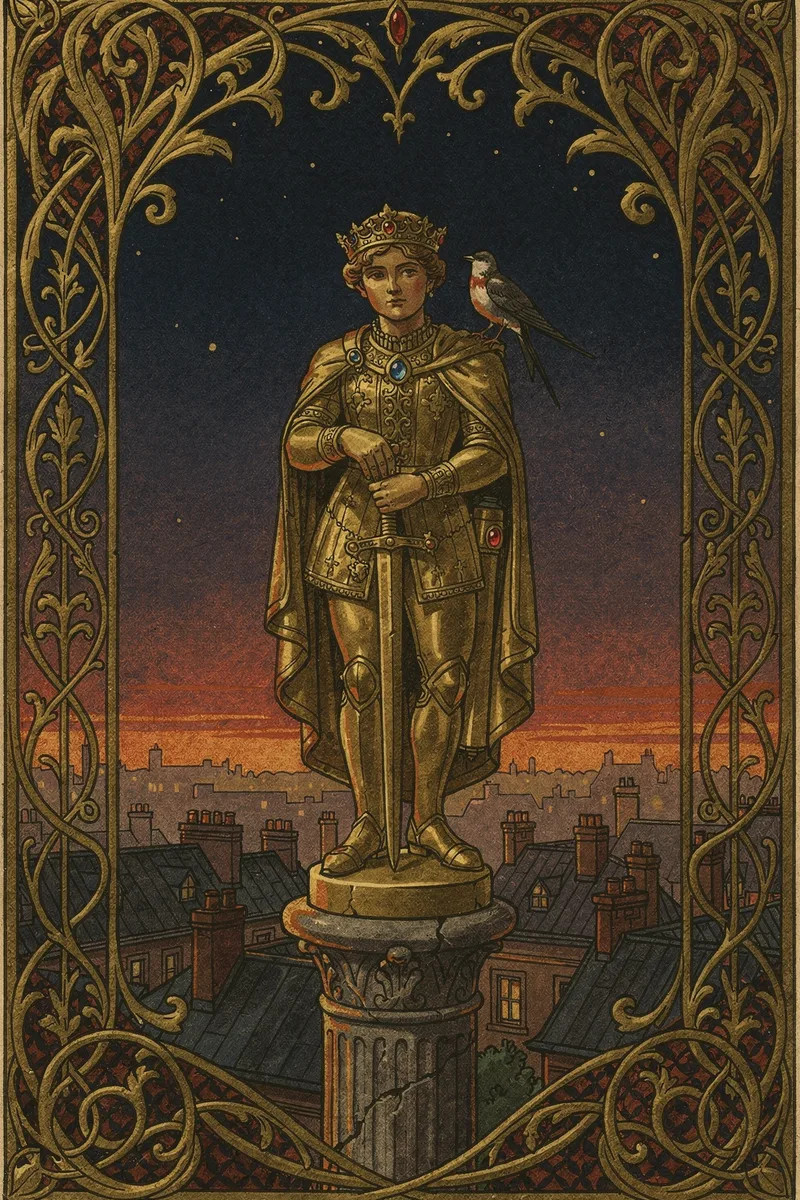
A jewelled statue of the Happy Prince gazes down on his city and weeps at the misery below, so he begs a little Swallow — left behind when his flock flew to Egypt — to strip away his gold and gems and carry them to the suffering poor.
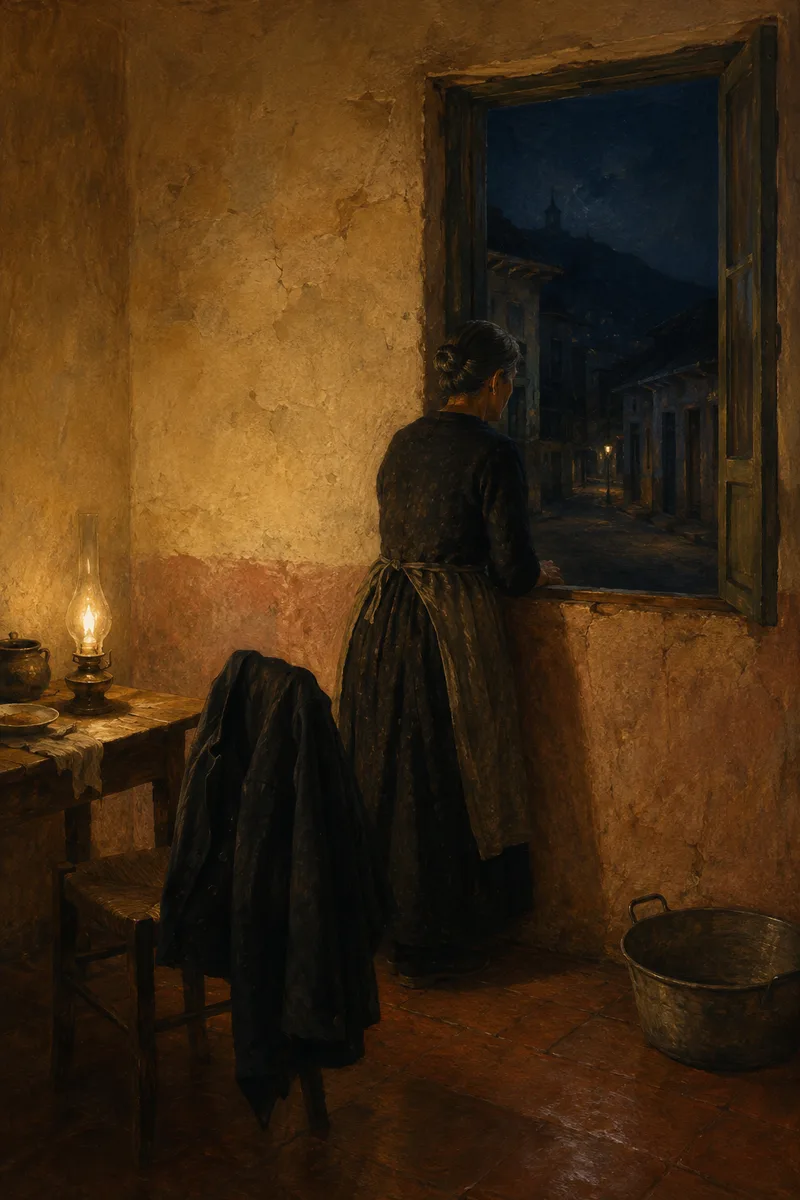
Nobody in the neighbourhood remembers her real name.
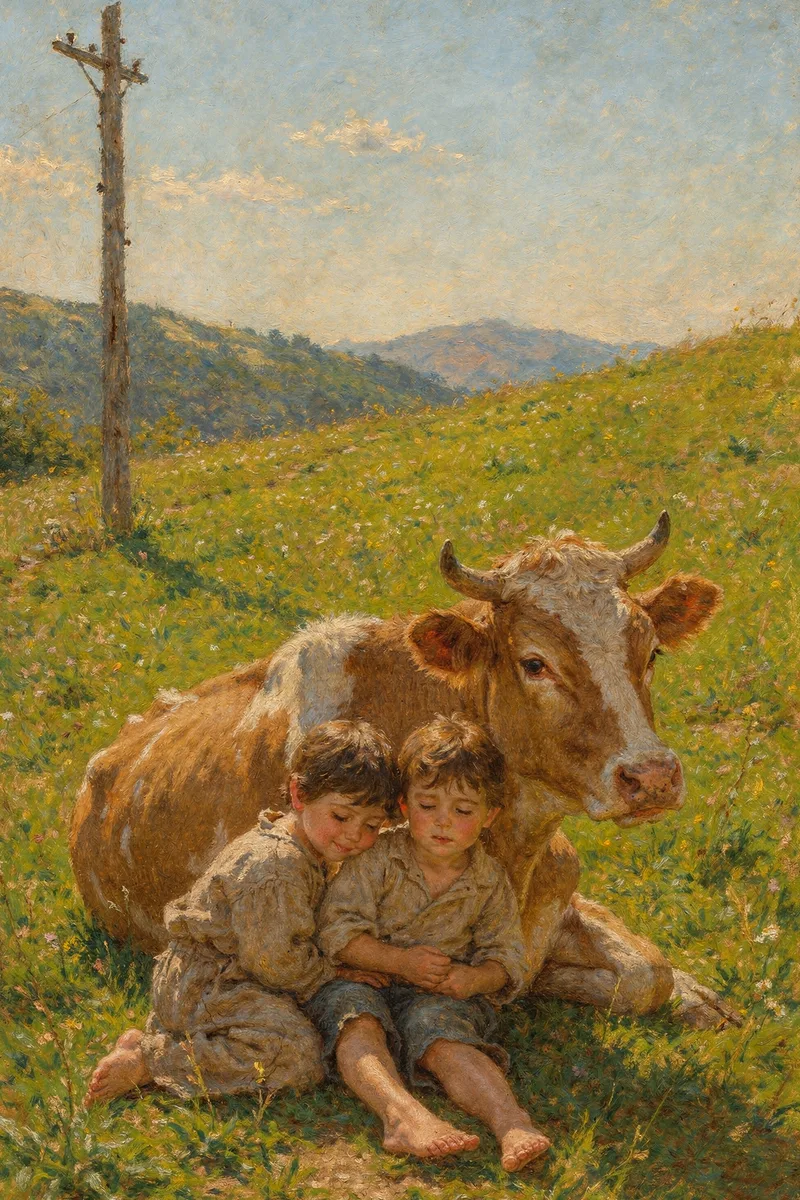
On a green triangular meadow called Somonte, cut at one corner by the Oviedo–Gijón railway, two motherless twins — Rosa and Pinín — and their gentle cow, la Cordera, are inseparable: «always the three of them».
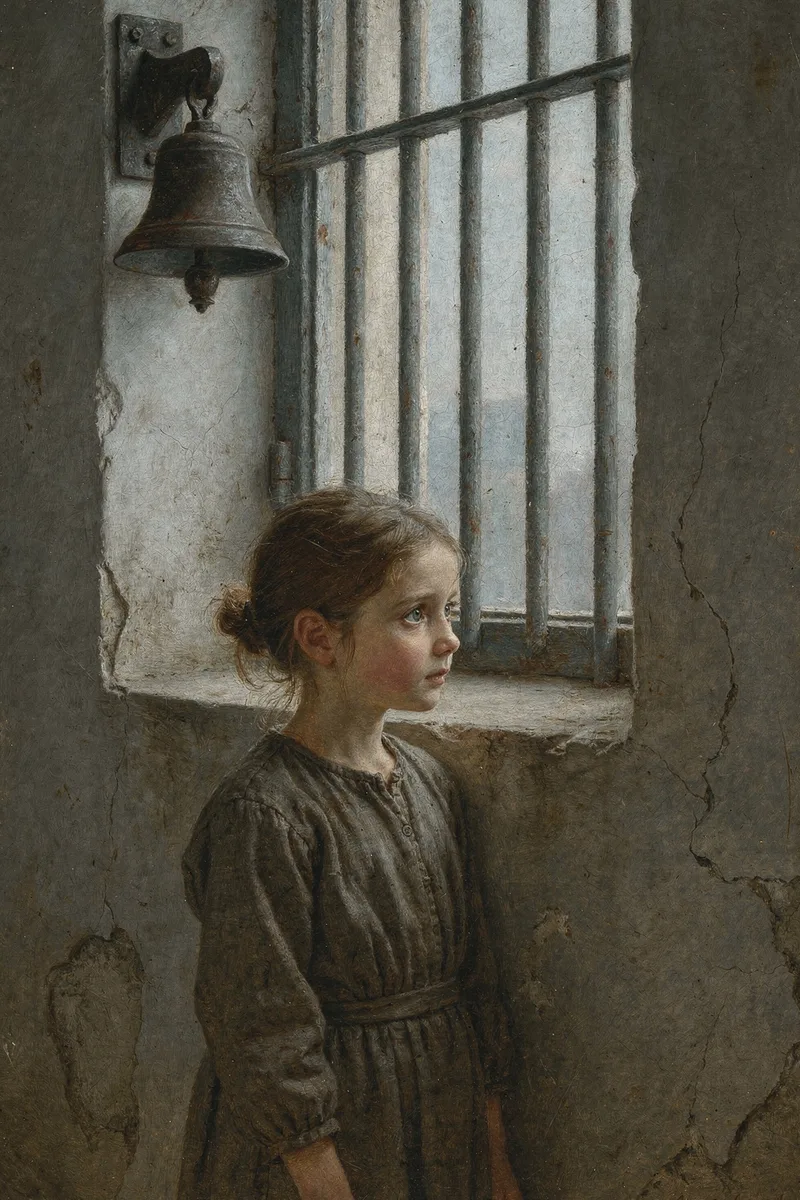
A gifted, songful little village girl is taken into a big-city orphanage-school, where an alien tongue and the merciless clang of the institution's bell close over her like cold water.