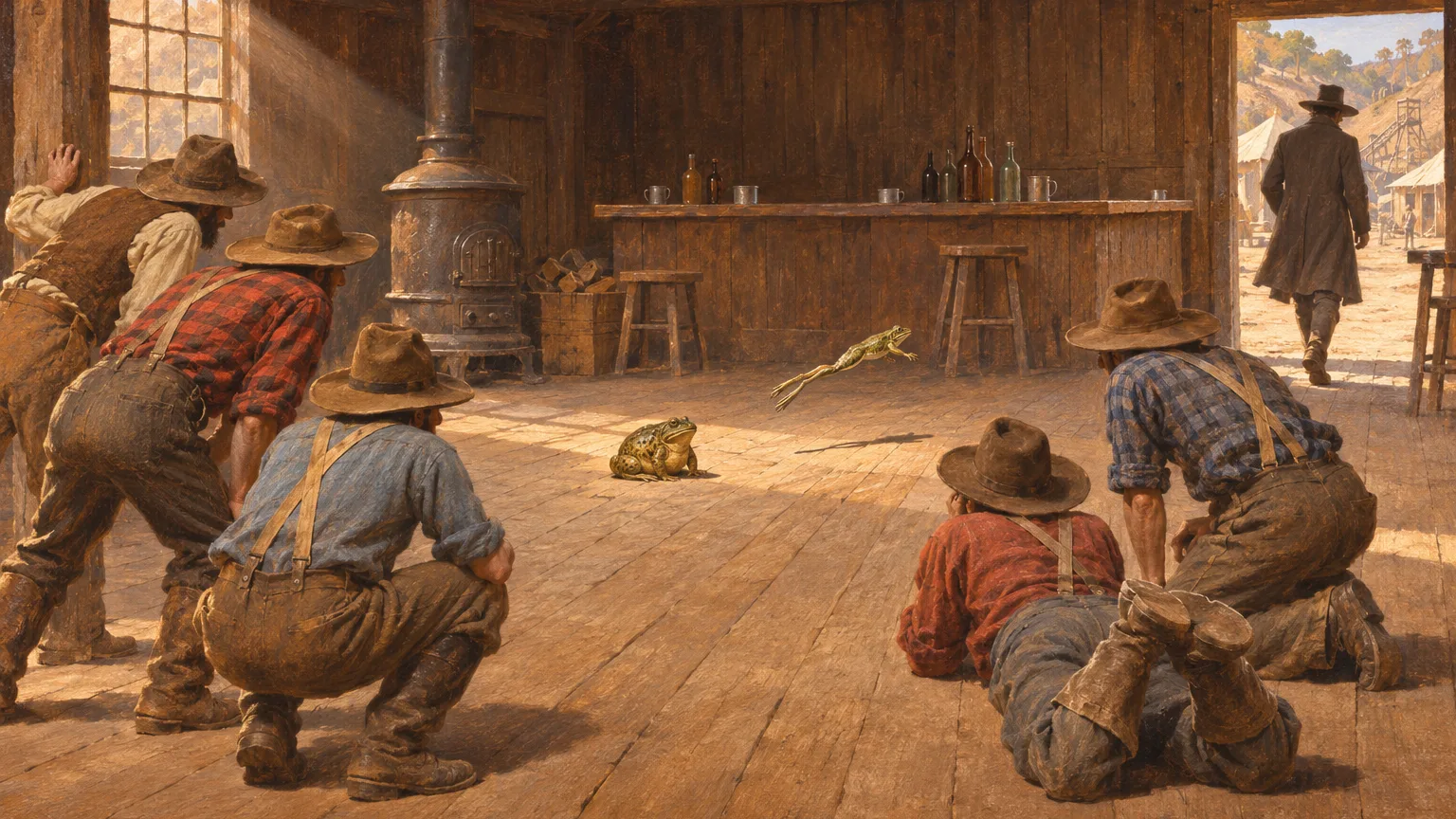
The Celebrated Jumping Frog of Calaveras County
About this story
Jim Smiley will bet on anything: a horse race, a dog fight, which of two birds leaves the fence first, even whether the parson's sick wife pulls through. He spends three months teaching a frog named Dan'l Webster to jump, then puts forty dollars on him against a stranger who has no frog of his own. While Smiley is off in the swamp catching one, the stranger spoons the champion full of quail shot. The tale comes from Simon Wheeler, an old gold-country talker who corners his listener and tells it with a dead-straight face. Mark Twain published it in a New York weekly in November 1865, and it became his first national success: papers across the country reprinted it, and it gave its title to his first book.
By the numbers
About the author
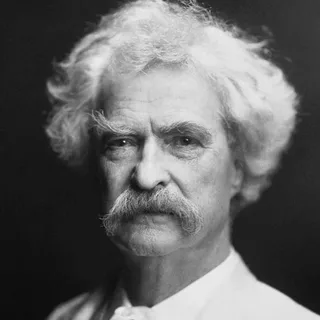
Mark Twain was the pen name of Samuel Langhorne Clemens (1835-1910), who grew up in Hannibal, Missouri, worked as a Mississippi riverboat pilot and a frontier newspaperman in Nevada and California, and is counted among the greatest and most popular authors of the United States. His signature works include The Innocents Abroad (1869), The Adventures of Tom Sawyer (1876) and Adventures of Huckleberry Finn (1884). He heard the frog anecdote in the hotel at Angel's Camp in the California gold country, and the sketch he made of it first appeared as "Jim Smiley and His Jumping Frog" in the New York Saturday Press on 18 November 1865. It was his first success on a national scale, was reprinted by newspapers across the country, and gave its title to his first book, The Celebrated Jumping Frog of Calaveras County, and Other Sketches (1867).
Recognition
the finest piece of humorous writing yet produced in America
Mark Twain's story in the Saturday Press of November 18th, called 'Jim Smiley and His Jumping Frog,' has set all New York in a roar, and he may be said to have made his mark.
The "Jumping Frog" could be described as the ultimate example of a genre of Southwestern humor, both in its complexity and in its sophistication.
We are, indeed, so familiar with the devices of American humor that we are likely to underestimate how much Clemens accomplishes with them—deadpan, tall tale, and all the rest.
Practice typing
Type this retelling one piece at a time — your progress is saved as you go.
If you liked this
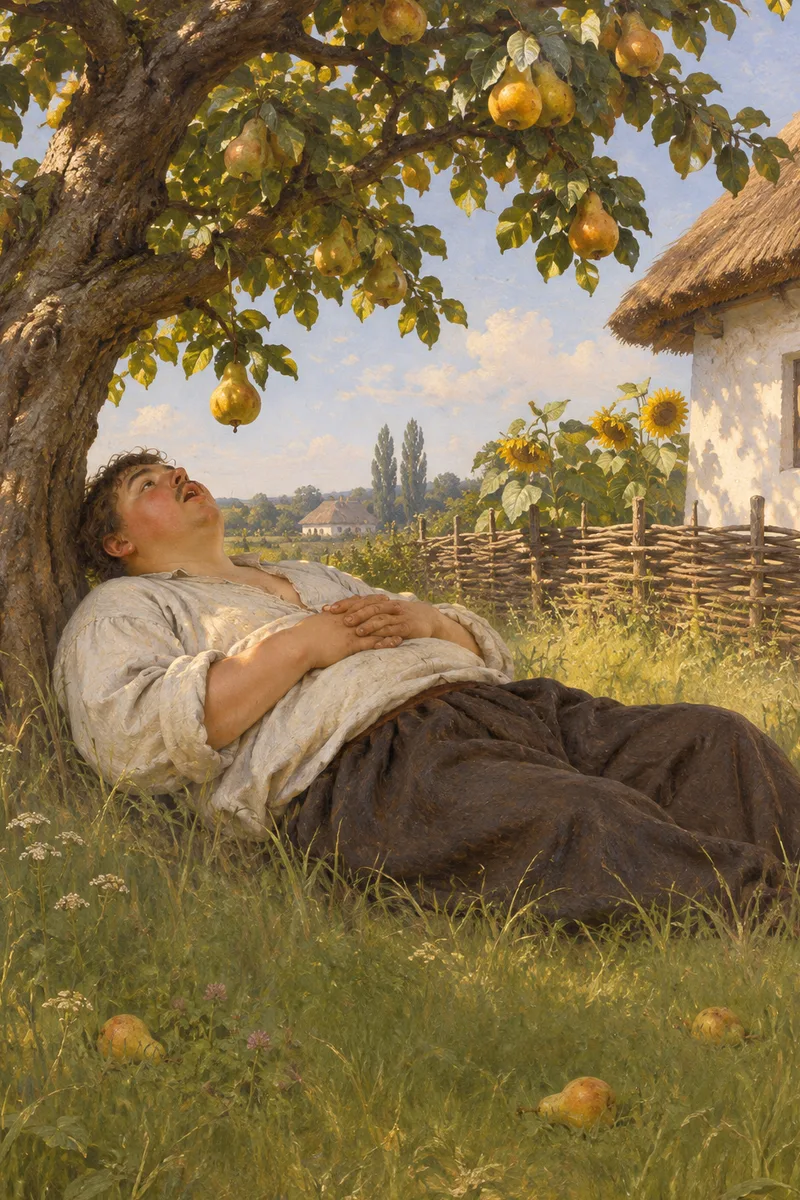
Pavlus is so idle that he grumbles at the ripe pears over his head for not dropping into his mouth.

Down to his last coin, Castelo answers a newspaper advertisement seeking a teacher of Javanese — a language of which he does not know a single word.
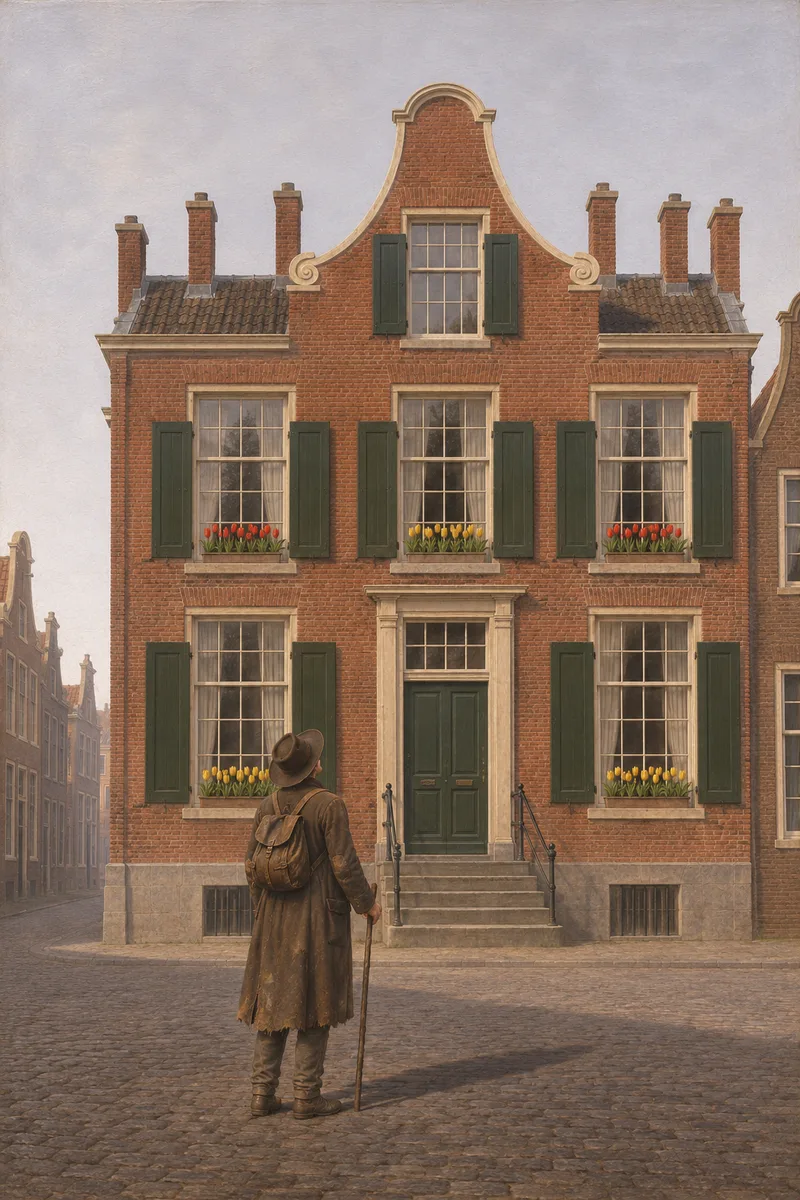
A young journeyman from Tuttlingen walks into Amsterdam and stops before a house with six chimneys and tulips at its windows.
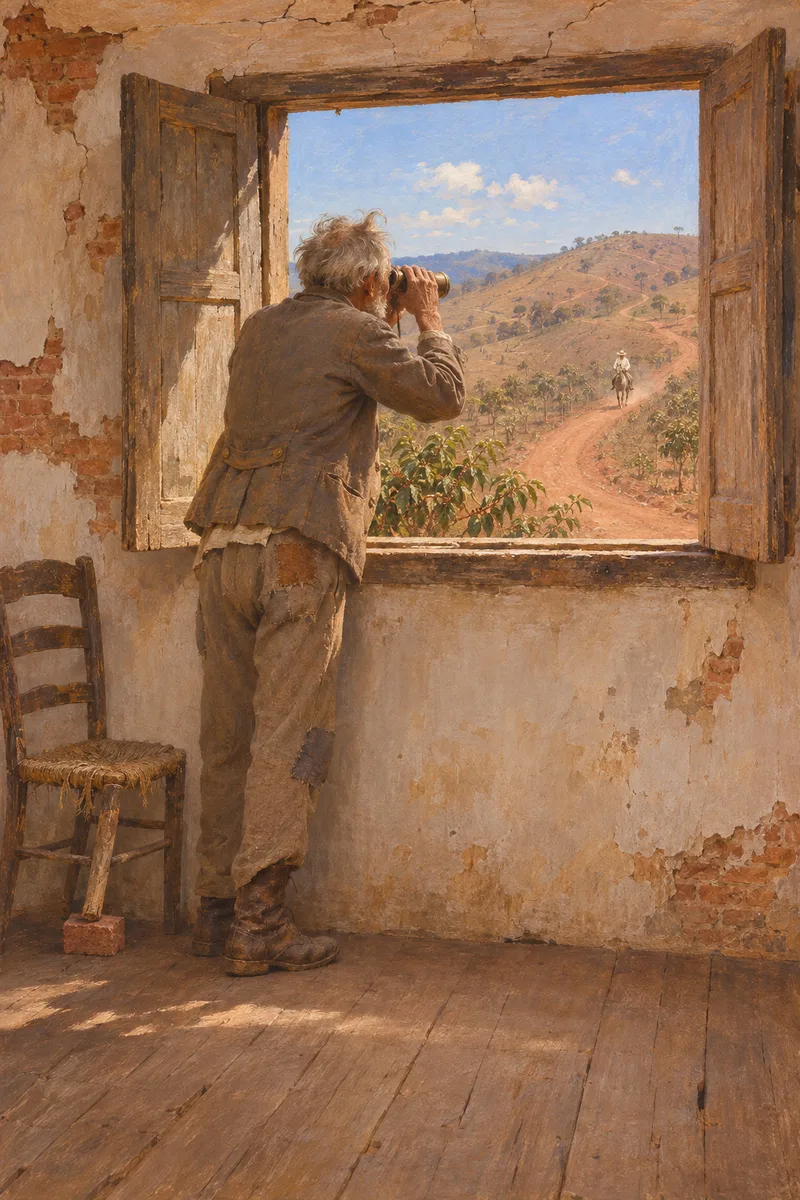
The Espigão coffee farm has already ruined three owners, and the fourth, David Moreira, is sinking under mortgages.