The Farm Buyer
About this story
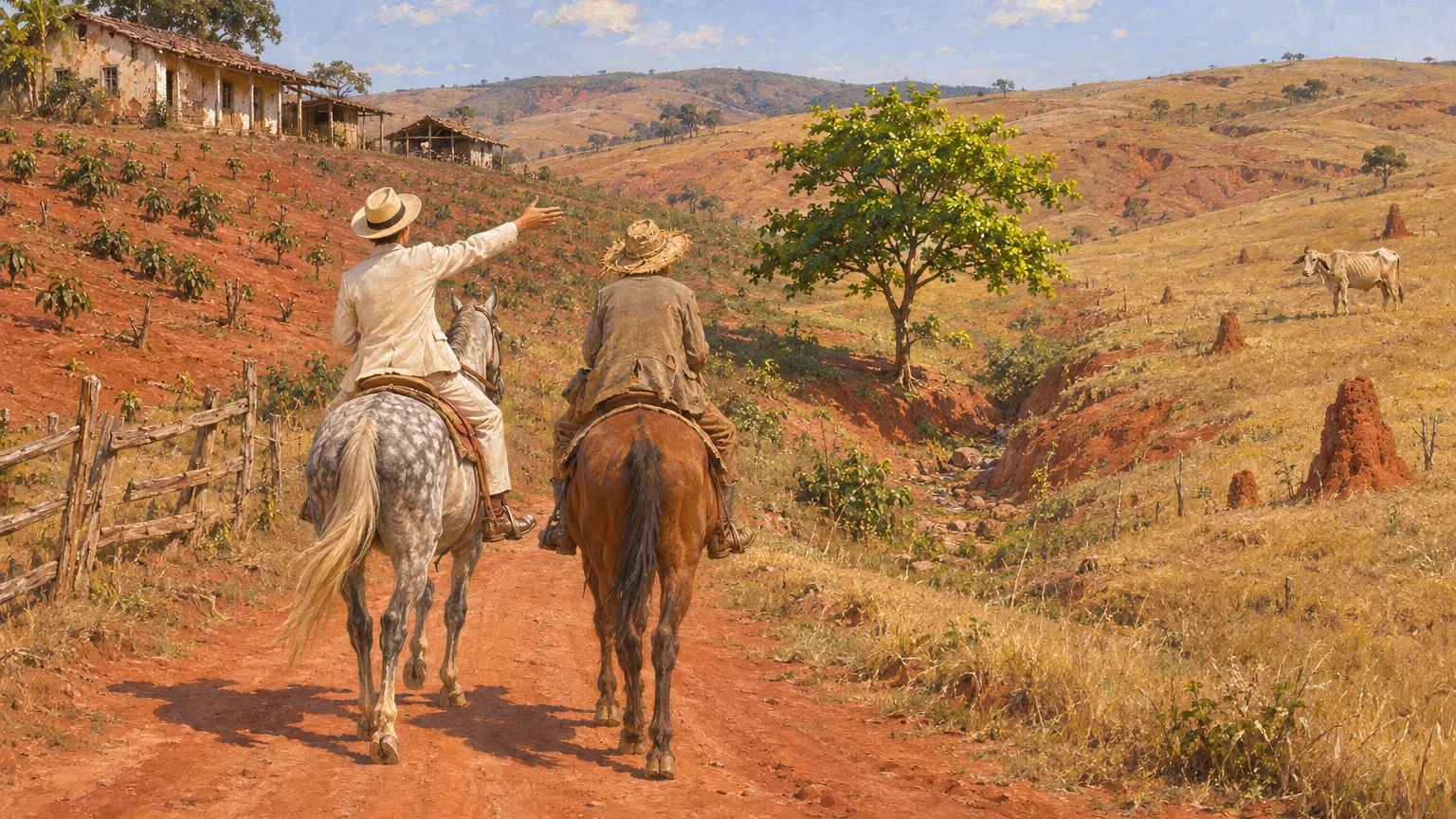
The Espigão coffee farm has already ruined three owners, and the fourth, David Moreira, is sinking under mortgages. To sell it, he transplants trees that grow only in rich soil along the route a buyer will ride. Then a young man arrives in a Panama hat, with an impressive visiting card and firm views on Poland China pigs. He praises everything, accepts every price, whispers poetry to Moreira's daughter and rides off on the best horse. Who is fooling whom? Lobato, the creator of the «Sítio do Picapau Amarelo», drew the story from real cases of sham buyers. It appeared in «Urupês» (1918), the book that made him famous.
By the numbers
About the author

Monteiro Lobato (1882–1948), born in Taubaté in the coffee country of São Paulo's Paraíba Valley, is one of the major Brazilian writers of the twentieth century and the founding figure of modern Brazilian children's literature, above all through his «Sítio do Picapau Amarelo» books. For adults he wrote the story collections «Urupês» (1918), «Cidades mortas» (1919) and «Negrinha» (1920), drawn from the worn-out farms and dying towns of the region, where he had himself run an inherited farm, Buquira; he was also a combative journalist and a publisher who printed young Brazilian authors. «O comprador de fazendas» first appeared in the Revista do Brasil in March 1918 and was collected the same year in «Urupês», the book that made Lobato famous. Drawn from real cases of sham buyers, it became one of his best-known adult stories and was filmed in 1951 by Alberto Pieralisi, with Procópio Ferreira as the farmer Moreira.
Recognition
The story, however, is a delightful comedy with not-so-funny touches of realism
The decay of the settings does not stop the voice telling the story from being ironic at times, drawing smiles from readers.
the misunderstanding of which Davi Moreira falls victim, which ends by bringing him to ruin, and the reader to laughter.
Do you, by any chance, know Jeca Tatu, from Urupês, by Monteiro Lobato, the admirable writer from São Paulo?
Practice typing
Type this retelling one piece at a time — your progress is saved as you go.
If you liked this

Down to his last coin, Castelo answers a newspaper advertisement seeking a teacher of Javanese — a language of which he does not know a single word.
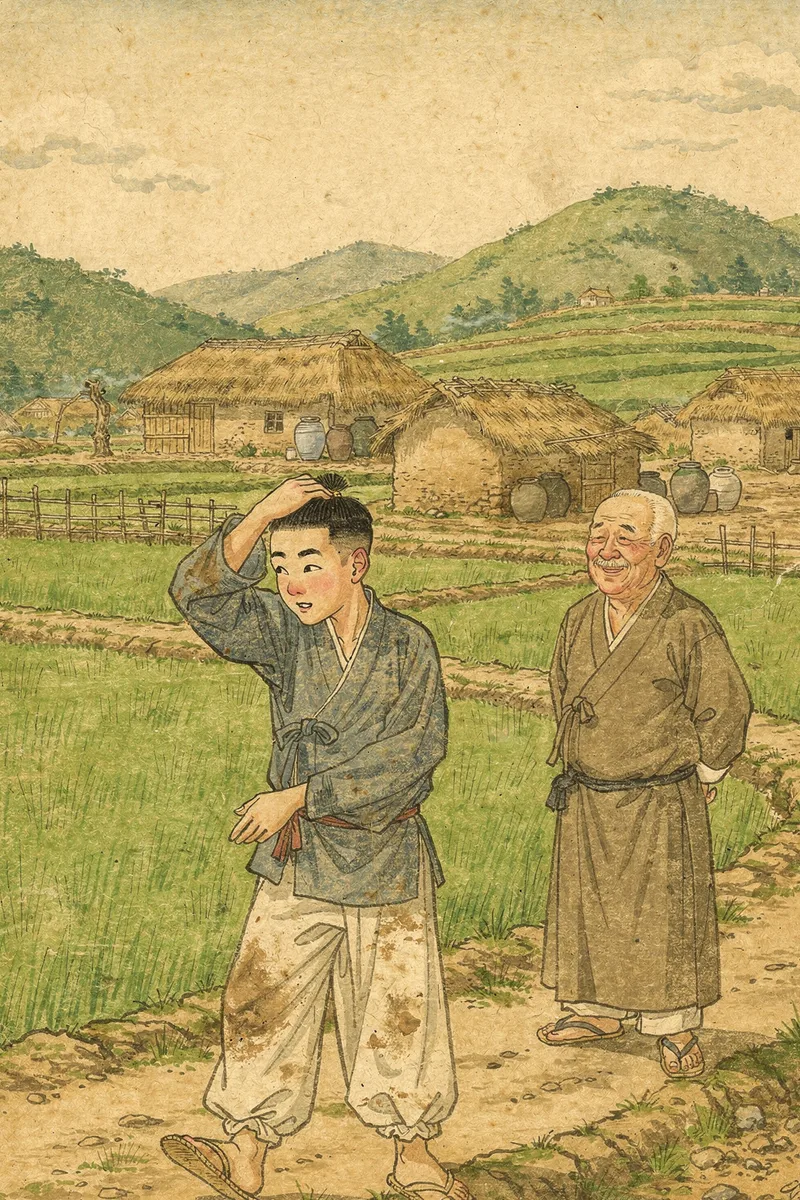
A simple-hearted farmhand has toiled for over three years without a single coin of pay, living as a son-in-law-to-be in the house of the crafty old landlord Bongpil — all on the promise that he may marry the daughter, Jeomsun, «once she has grown tall enough».
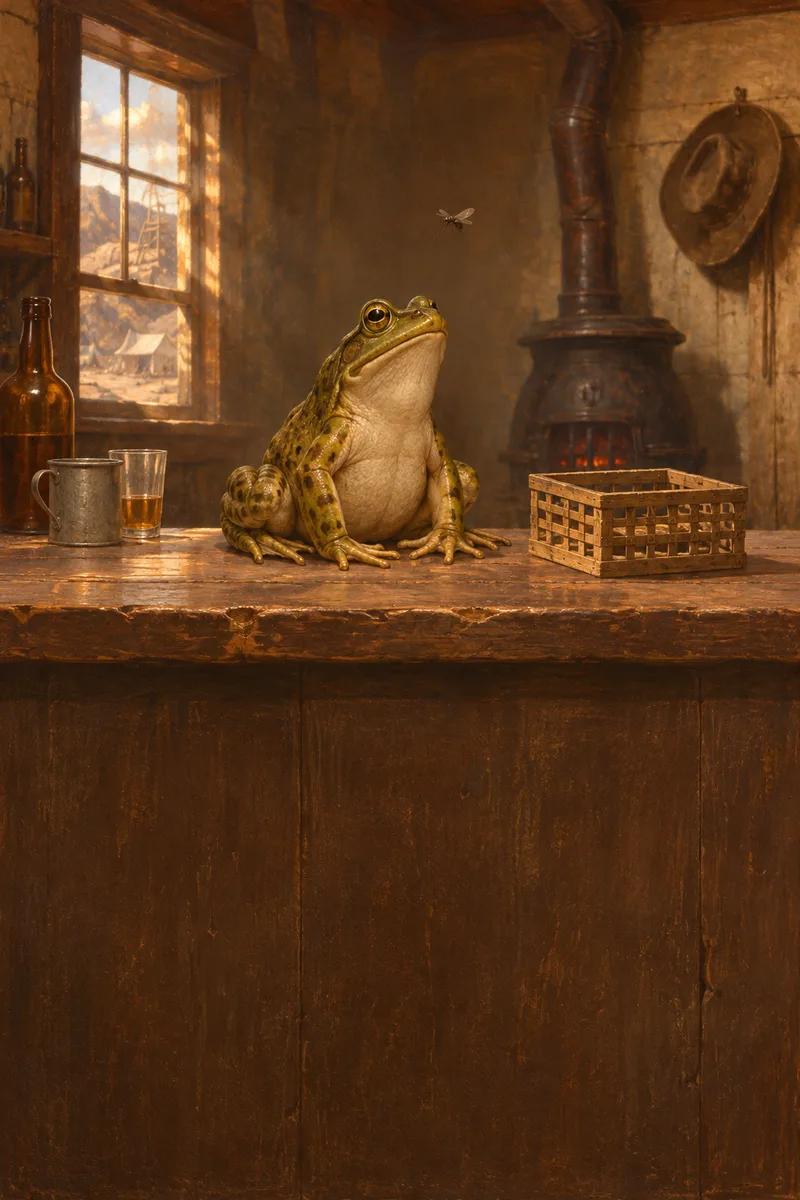
Jim Smiley will bet on anything: a horse race, a dog fight, which of two birds leaves the fence first, even whether the parson's sick wife pulls through.
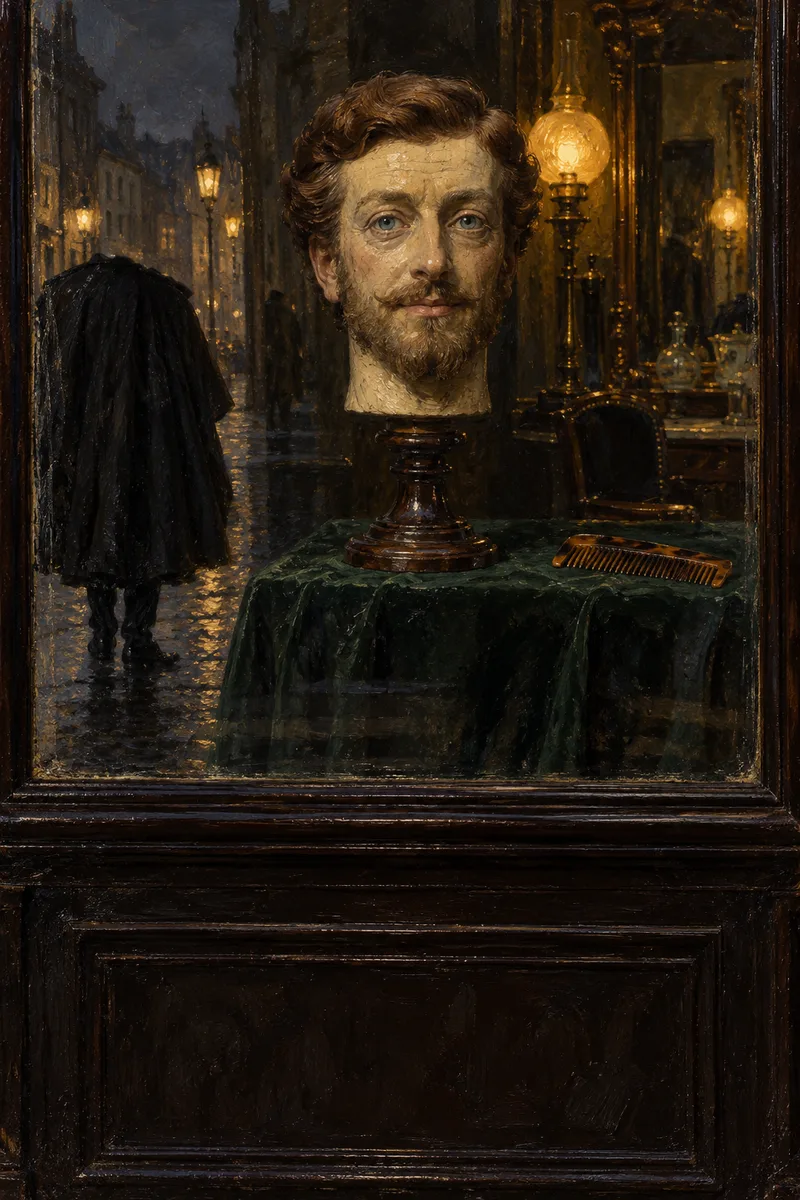
A scholar wakes up, passes a hand from one shoulder to the other and finds nothing between them.