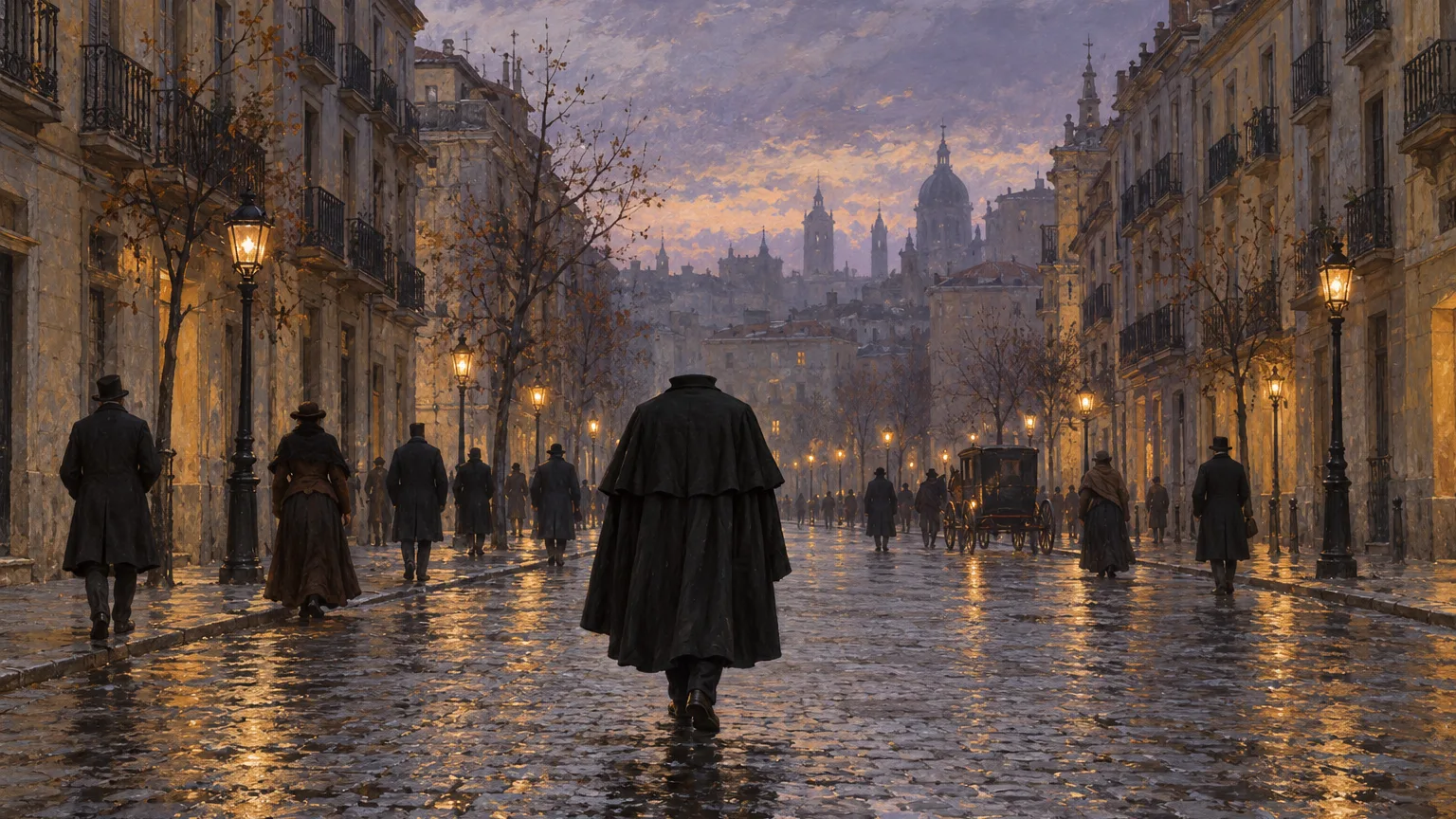
Where Is My Head?
About this story
A scholar wakes up, passes a hand from one shoulder to the other and finds nothing between them. Nothing hurts. Then he remembers: at three in the morning, his brain overheated by a treatise reducing metaphysics to arithmetic, he eased his head off like a tight cork and set it on the desk. It isn’t there now. His doctor blames the east wind, then hints he may have left it with a widowed marquise he visits far too often. On the way there he spots his head in a hairdresser’s window, under a splendid wig. Benito Pérez Galdós, author of Fortunata y Jacinta, ran this joke in El Imparcial at Christmas 1892 and promised a continuation that, as far as anyone knows, never came.
By the numbers
About the author
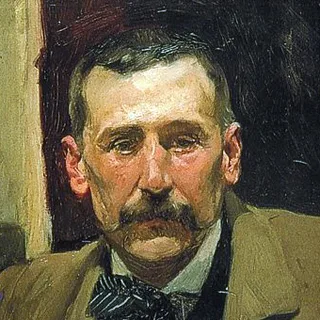
Benito Pérez Galdós (1843–1920), born in Las Palmas de Gran Canaria and settled in Madrid from his youth, is regarded by some scholars as second only to Cervantes among Spanish novelists. His major works include Fortunata y Jacinta (1886–87), Doña Perfecta (1876) and the Episodios nacionales, a cycle of 46 historical novels. He joined the Royal Spanish Academy in 1897 and was nominated for the Nobel Prize in Literature from 1912 to 1916. “Where Is My Head?” appeared as a Christmas tale in a special issue of the Madrid daily El Imparcial on 30–31 December 1892, and it is one of the twelve fantastic tales that Alan E. Smith studied as a group. A closing note promised a continuation in the next year’s Christmas number, but none is known to have appeared, so the story stands unfinished.
Recognition
One of the most interesting grotesque tales of this second half of the century…
I have not been able to find that continuation.
…the sharp portrait Galdós drew of an intellectual temperament…
It is a real pity that Don Benito never finished this charming Christmas tale…
Practice typing
Type this retelling one piece at a time — your progress is saved as you go.
If you liked this
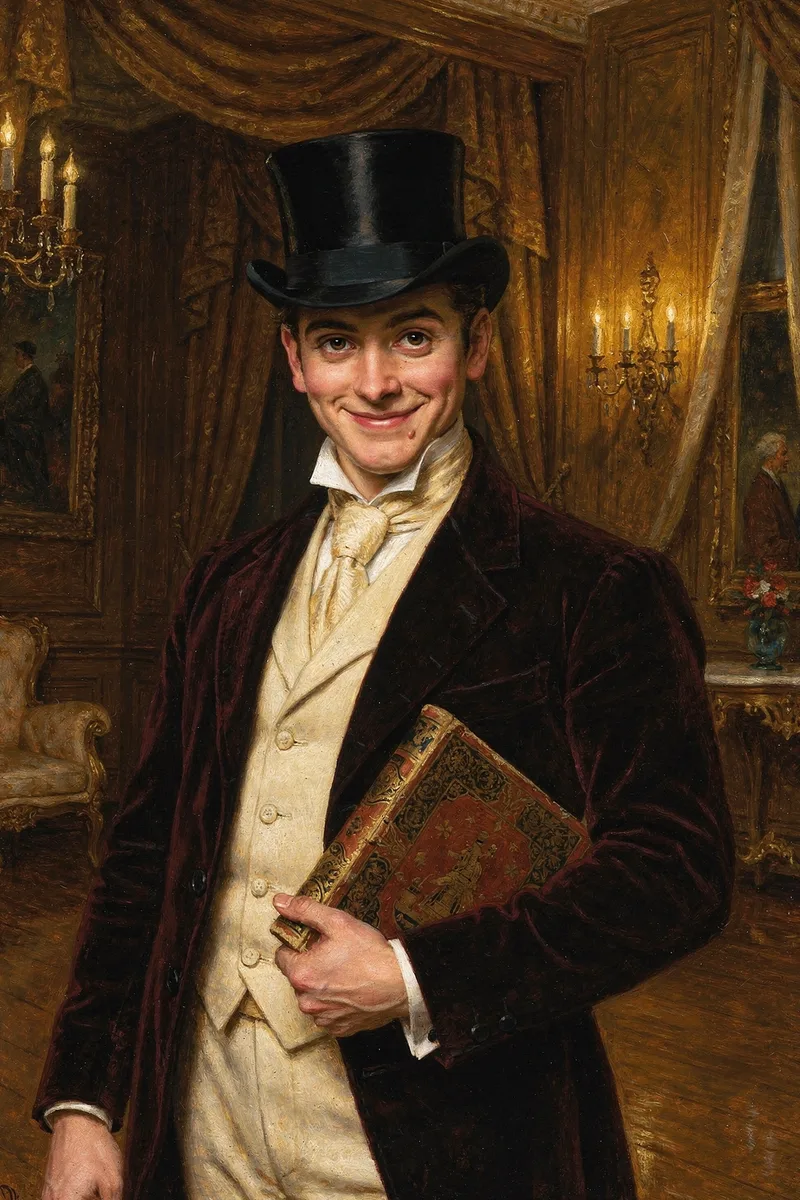
Down to his last coin, Castelo answers a newspaper advertisement seeking a teacher of Javanese — a language of which he does not know a single word.
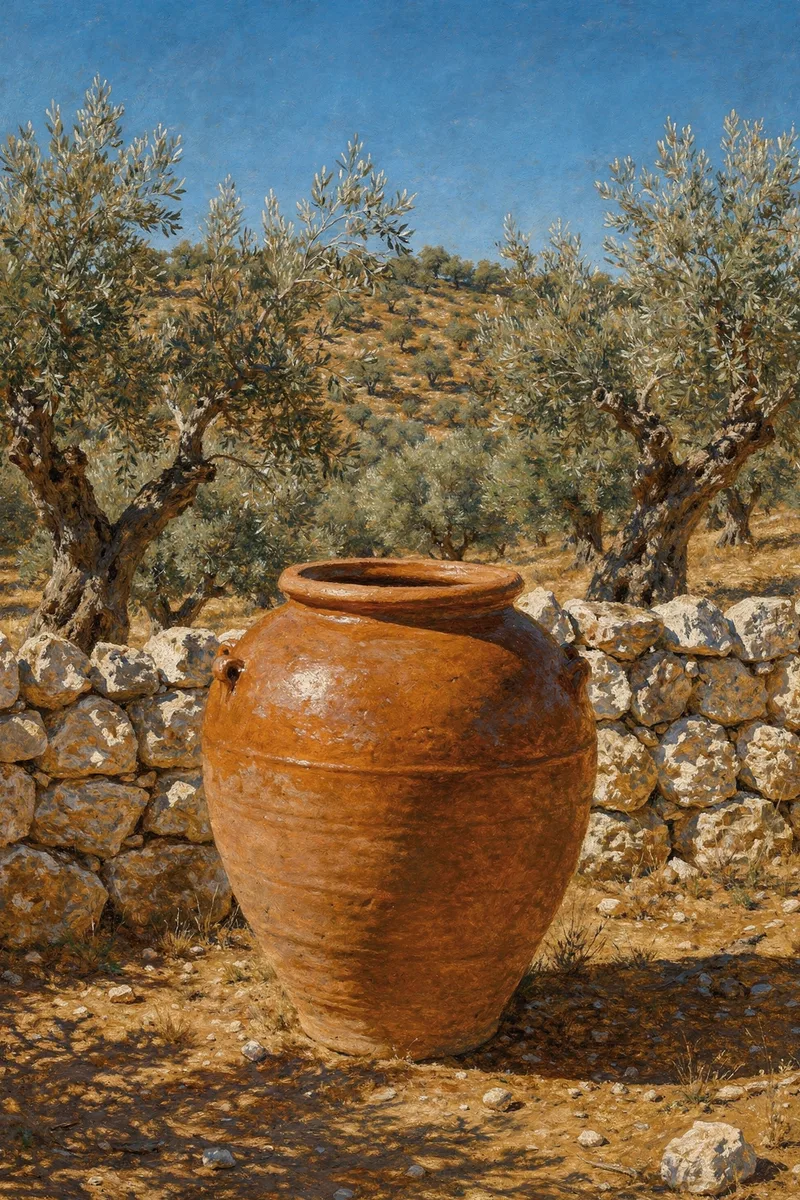
In the golden heat of the Sicilian olive harvest, the rich, miserly landowner Don Lollò Zirafa takes delivery of a magnificent new jar, taller than a man — only to find it split clean in two the very next morning.
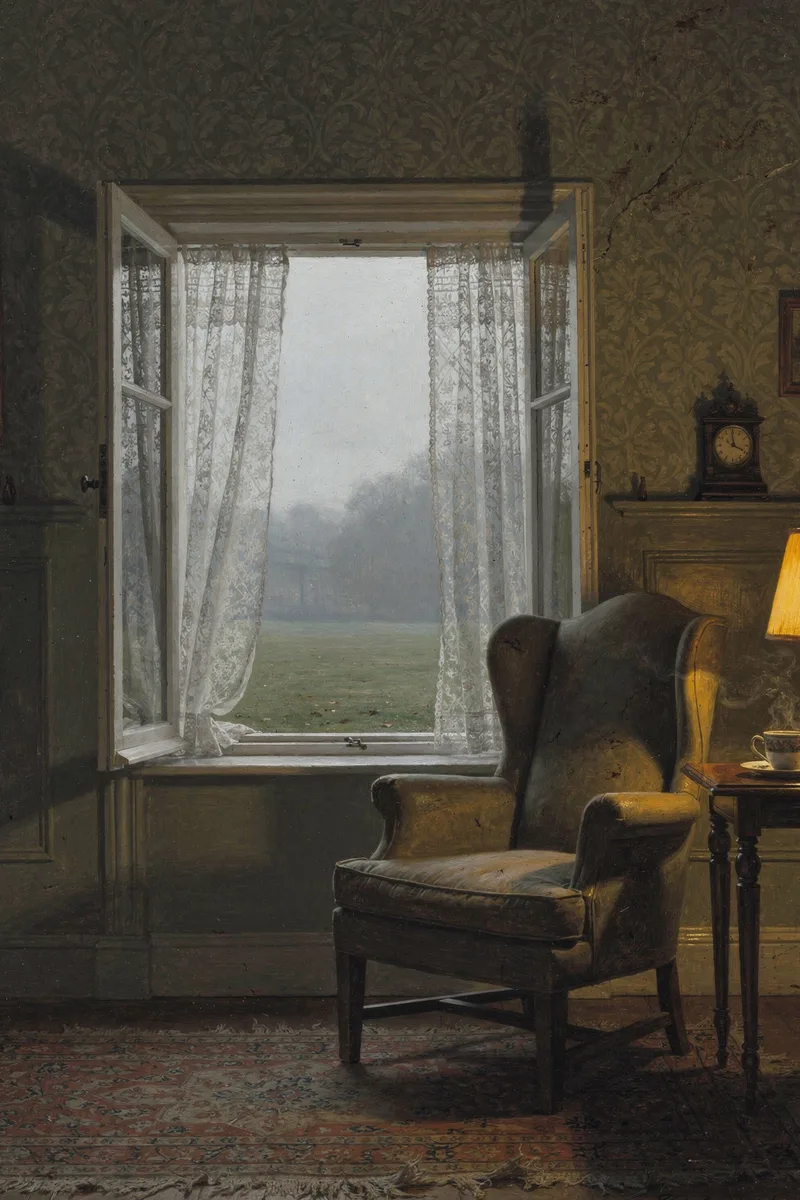
A twist of the knife delivered with a smile: Saki's most anthologised story sends the nervous Framton Nuttel to a placid country house, where a self-possessed fifteen-year-old niece regales him with a family tragedy — three men who walked out through the open French window one October afternoon and were swallowed by the bog, never to return.
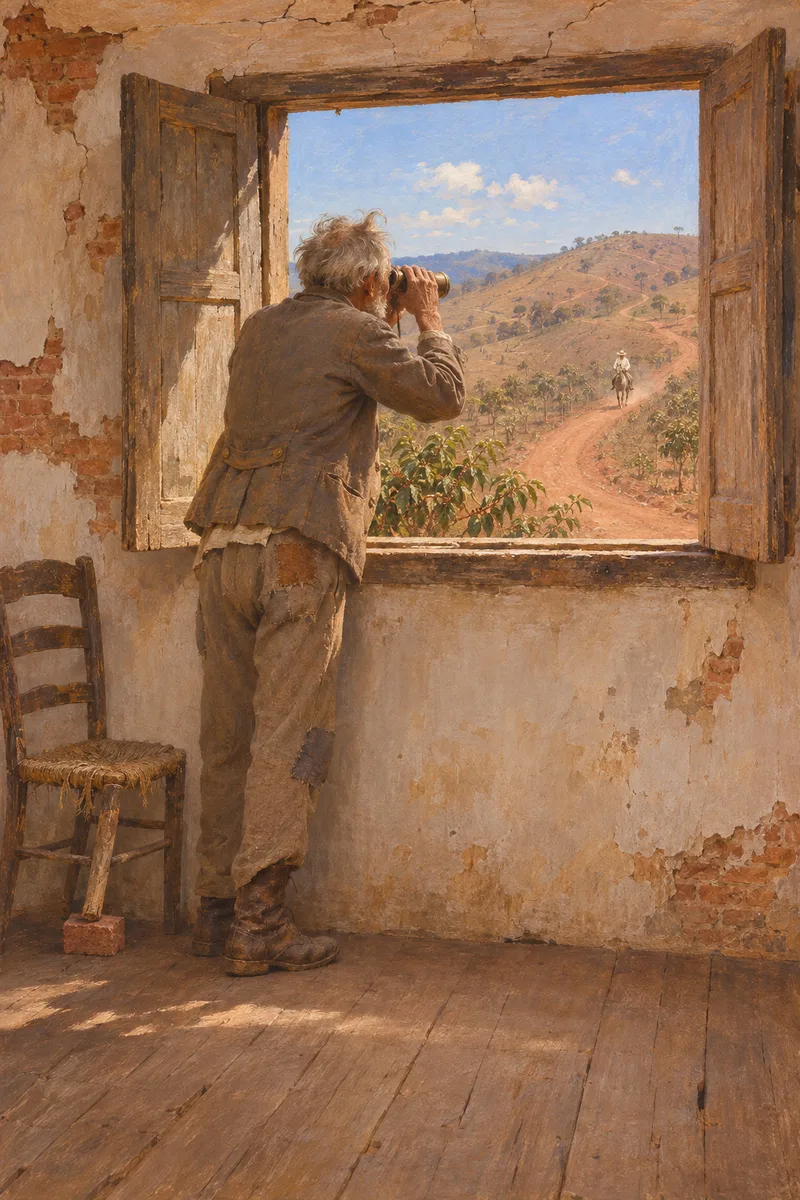
The Espigão coffee farm has already ruined three owners, and the fourth, David Moreira, is sinking under mortgages.