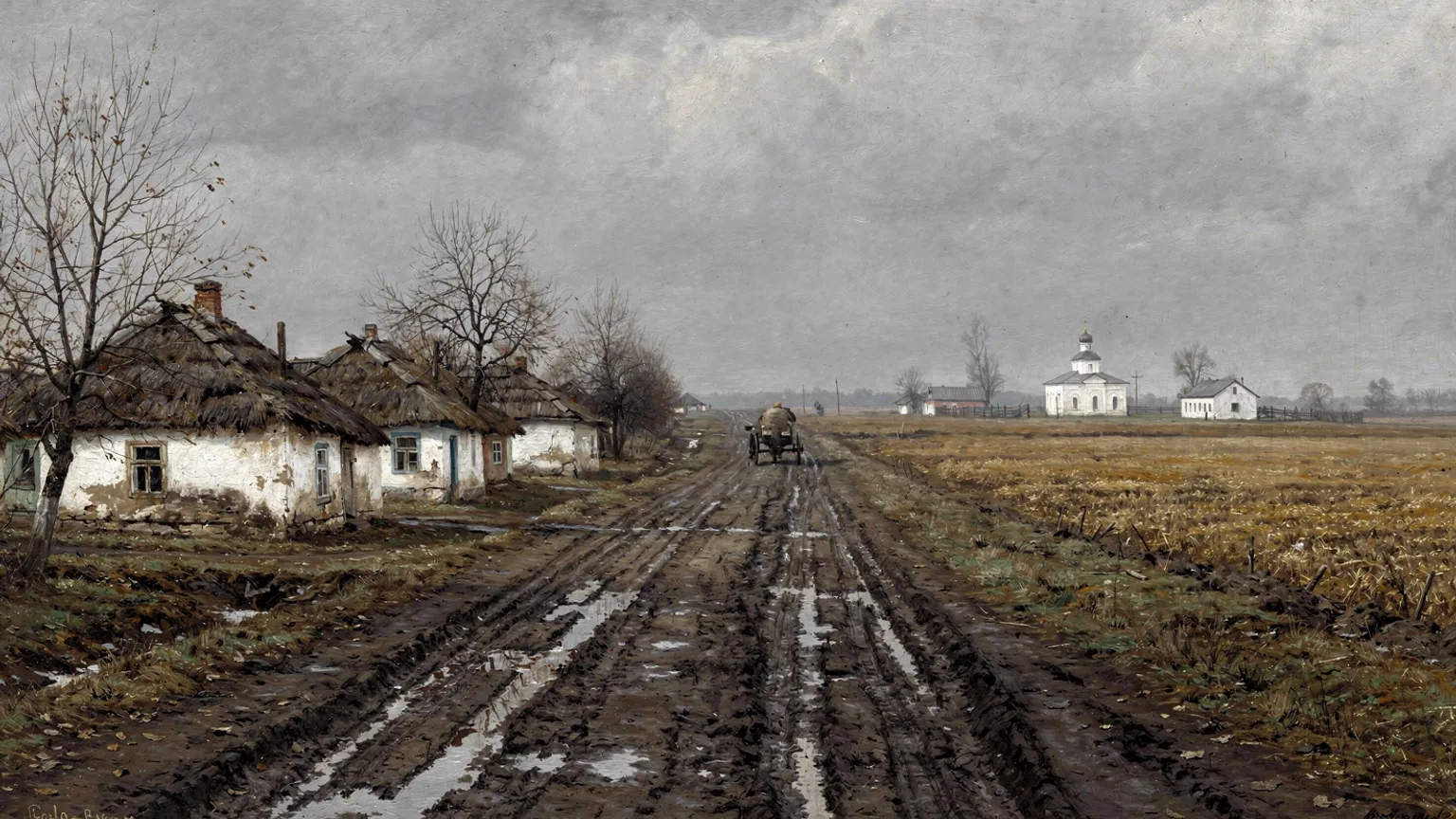
The Schoolboy
About this story
A gifted village boy, gentle and shy, wants nothing so much as to learn — but in a world of crushing peasant poverty, even a pair of boots and a teacher's kindness may not be enough to keep him in school. «The Schoolboy» (1906) is a spare, tender short story by Arkhyp Teslenko (1882–1911), himself a peasant's son expelled from school for «free-thinking», who became one of the most truthful chroniclers of the hard rural lot in Ukrainian literature. In a few unadorned pages he turns one child's thwarted love of learning into a restrained indictment of the world that failed him.
By the numbers
About the author
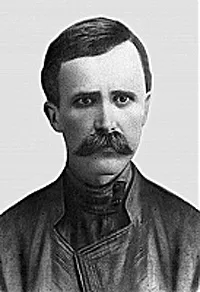
Arkhyp Teslenko (1882–1911) was a Ukrainian writer, the son of a poor peasant labourer from the village of Kharkivtsi in the Poltava region, who was expelled from a church teachers' school for «free-thinking». Drawn into the peasant movement of the 1905 revolution, he was repeatedly arrested and exiled to the northern gubernias, and died of tuberculosis at twenty-nine. In his slender body of stark, compassionate stories he became known as a «singer of the downtrodden», portraying with rare truthfulness the poverty and thwarted hopes of the Ukrainian village.
Recognition
His talent showed itself in an animated narrative style, in which there are discernible Ukrainian literary influences — Marko Vovchok in particular — and elements of impressionism.
In Ukrainian literature he took a prominent place with his realistic, socially pointed stories of village life.
With warm colours the artist paints the portrait of little Mykolka, the poor man's son.
The figure of Mykolka in the story «The Schoolboy» is one of the finest child characters.
Practice typing
Type this retelling one piece at a time — your progress is saved as you go.
If you liked this
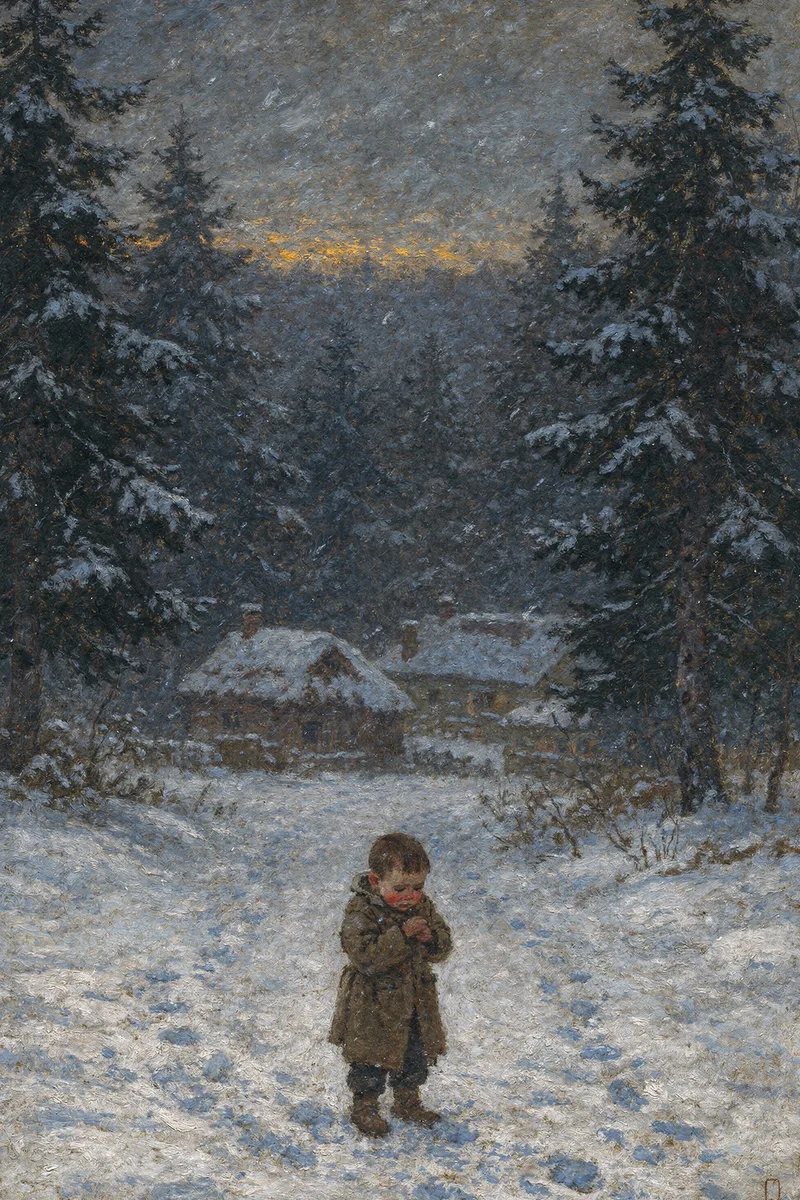
On a bitter winter's eve the destitute widow Katria tries to frighten her little son Pylypko out of going caroling by telling him of «Morozenko», the cruel old spirit of the frost.
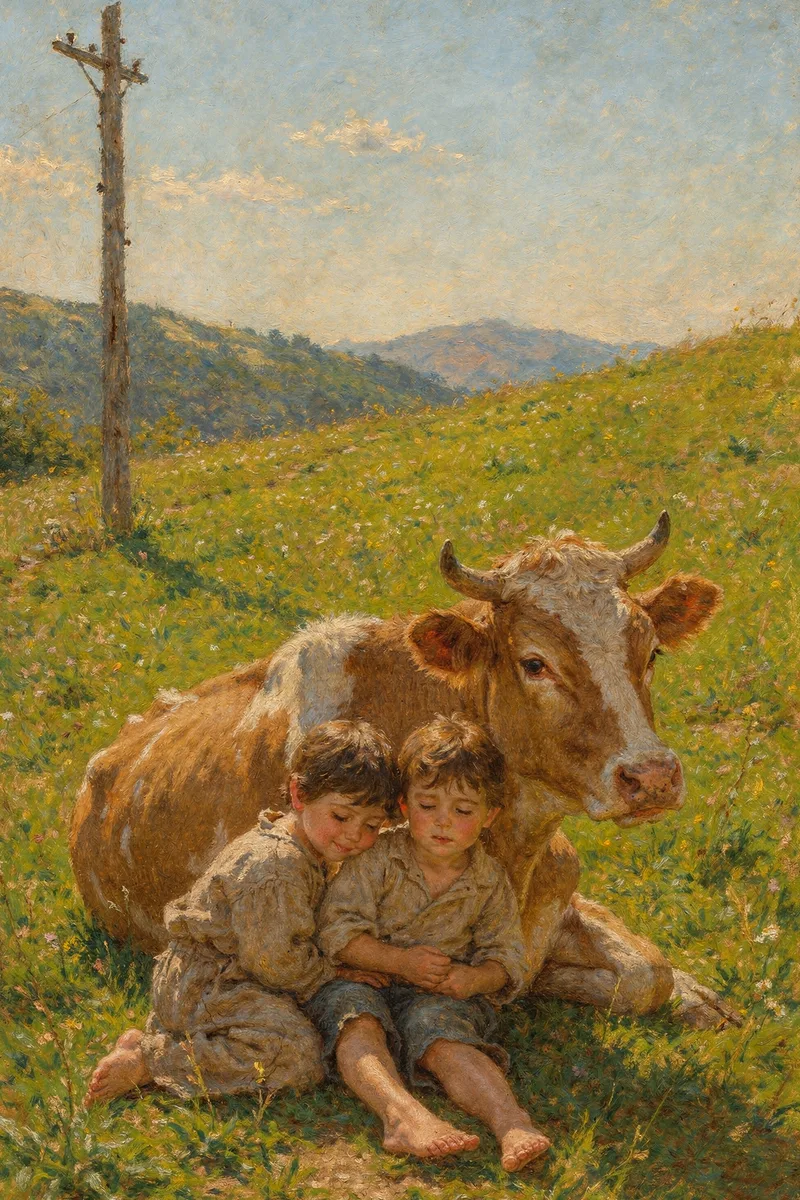
On a green triangular meadow called Somonte, cut at one corner by the Oviedo–Gijón railway, two motherless twins — Rosa and Pinín — and their gentle cow, la Cordera, are inseparable: «always the three of them».
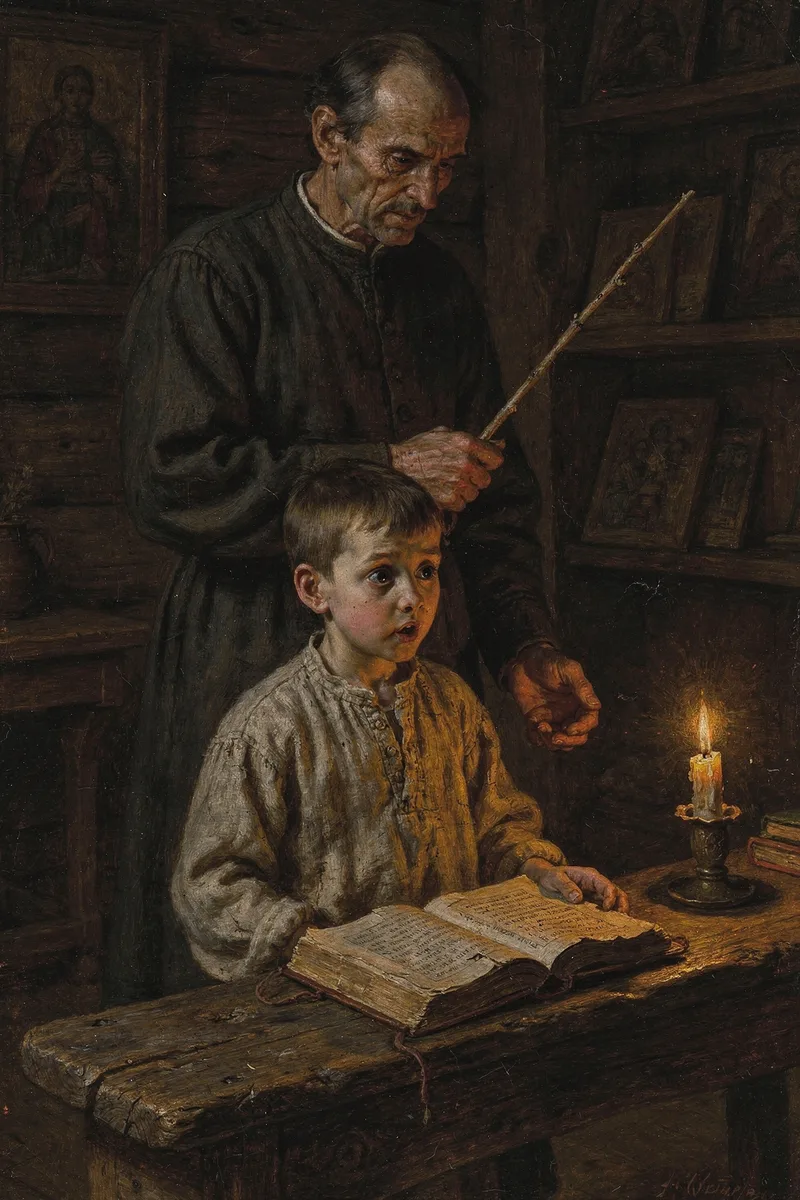
A quick, high-spirited village boy, raised on hard work and open fields, is handed over to the old village school — and to a year of rote drilling, fear and the rod.
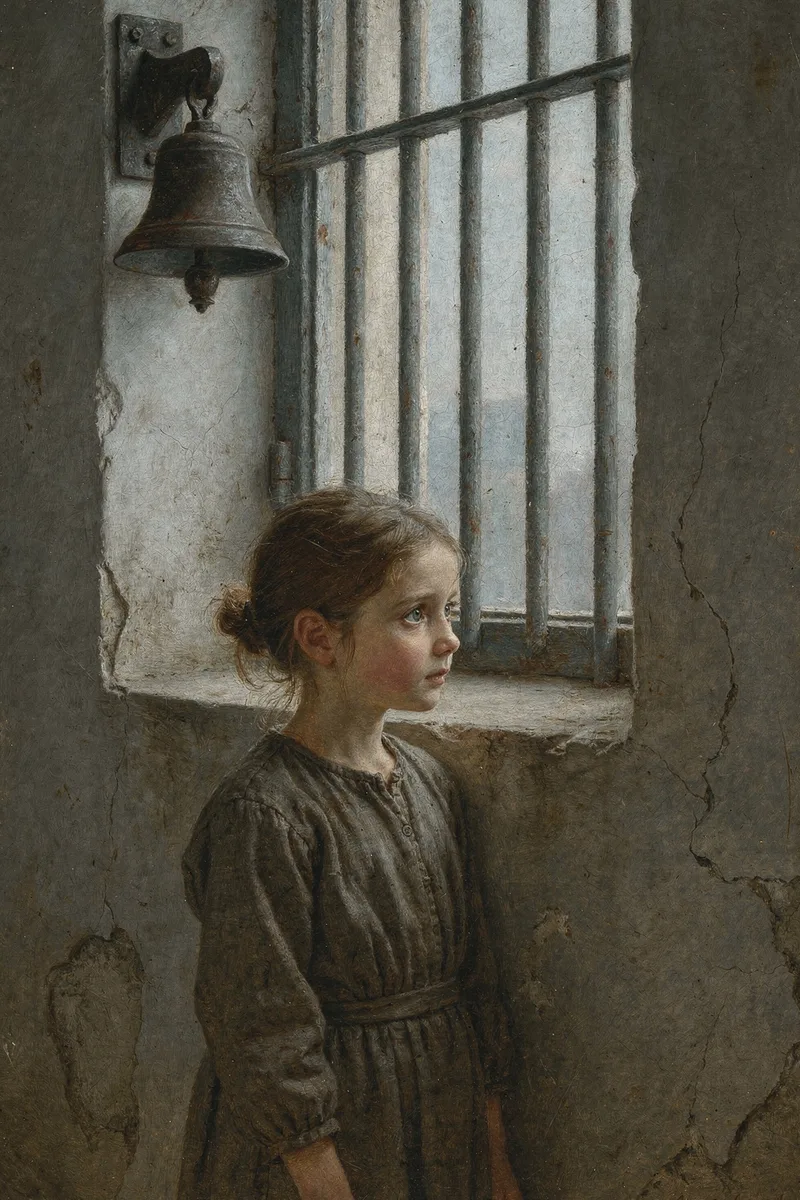
A gifted, songful little village girl is taken into a big-city orphanage-school, where an alien tongue and the merciless clang of the institution's bell close over her like cold water.