Hryts's Schooling
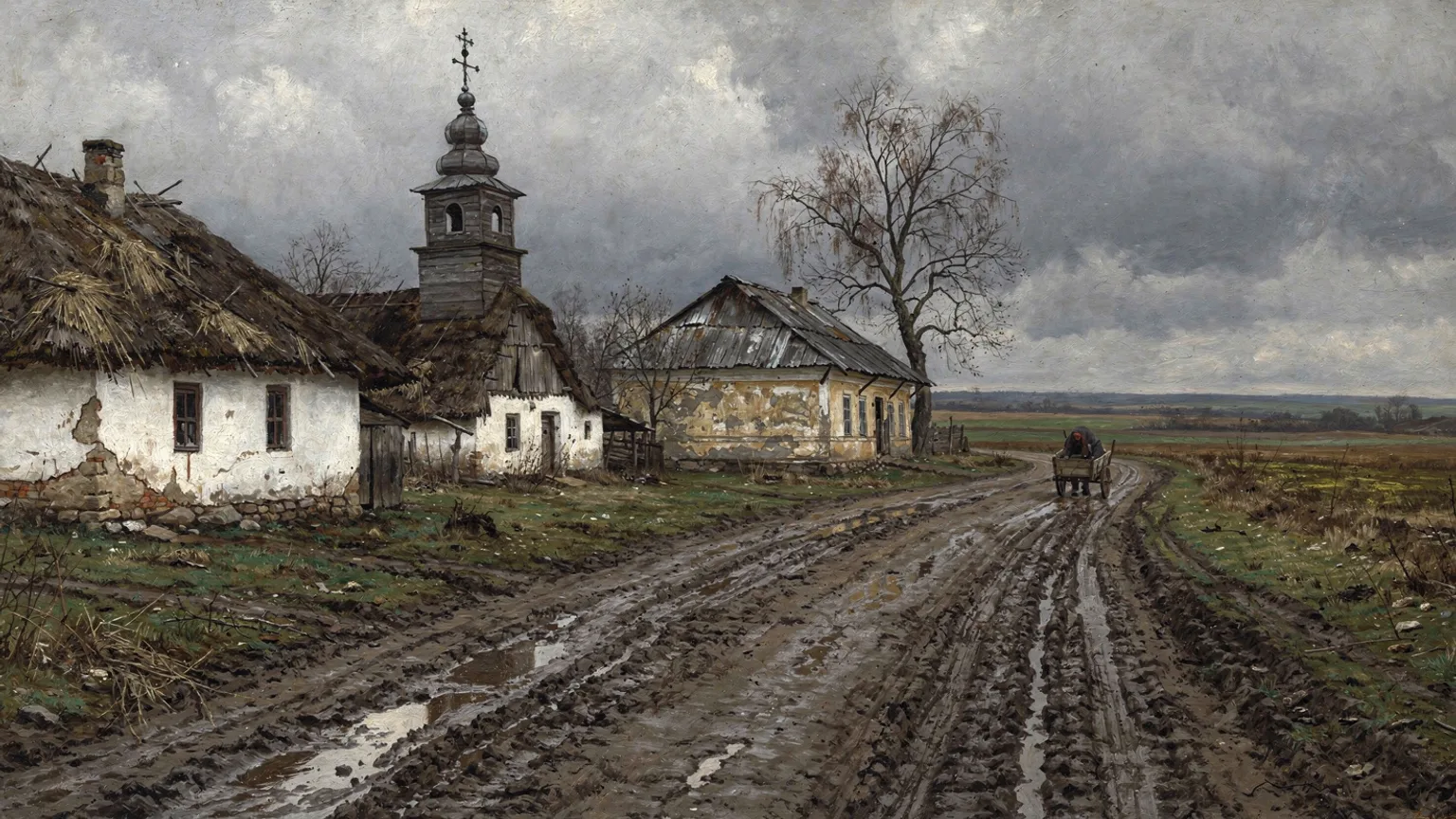
About this story
A quick, high-spirited village boy, raised on hard work and open fields, is handed over to the old village school — and to a year of rote drilling, fear and the rod. In «Hryts's Schooling» (1883), Ivan Franko turns his gaze on a pedagogy that punishes instead of teaching, and asks what it does to a bright child. Franko (1856–1916) — poet, prose master and, after Shevchenko, the towering figure of Ukrainian literature — draws this early sketch from his own «In the Sweat of One's Brow», with sharp irony and deep tenderness for the child.
By the numbers
About the author
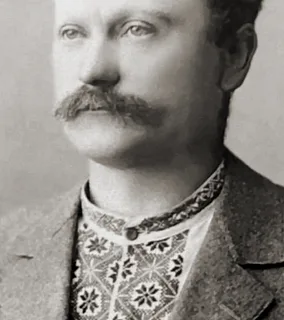
Ivan Franko (1856–1916) was a poet, prose writer, playwright, scholar, translator and political activist, and — after Taras Shevchenko — the towering figure of modern Ukrainian literature. Born the son of a village blacksmith in Nahuievychi in Austrian Galicia, he became one of the first realists in Ukrainian prose and a «golden bridge» between Ukrainian and world literatures. His many stories drawn from peasant and childhood life, gathered in «In the Sweat of One's Brow» (1890), remain classics of the nation's literature.
Recognition
Franko was one of the first realists in Ukrainian literature and the most outstanding poet of the post-Shevchenko period; he was a «golden bridge» between Ukrainian and world literatures.
In Franko's works we find abundant examples of how a person is born anew within a person, how the truly human feelings — put to sleep by life and lulled by everyday routine — awaken.
In this period Franko is drawn to the formation of human character, in particular the special world of childhood, where the first impressions of good and evil take shape.
A number of the writer's stories are episodes and observations from his own childhood — school, learning, the teachers' abuse of the pupils («Little Myron», «Hryts's Schooling», «The Pencil», «Under the Hayrick»).
Practice typing
Type this retelling one piece at a time — your progress is saved as you go.
If you liked this
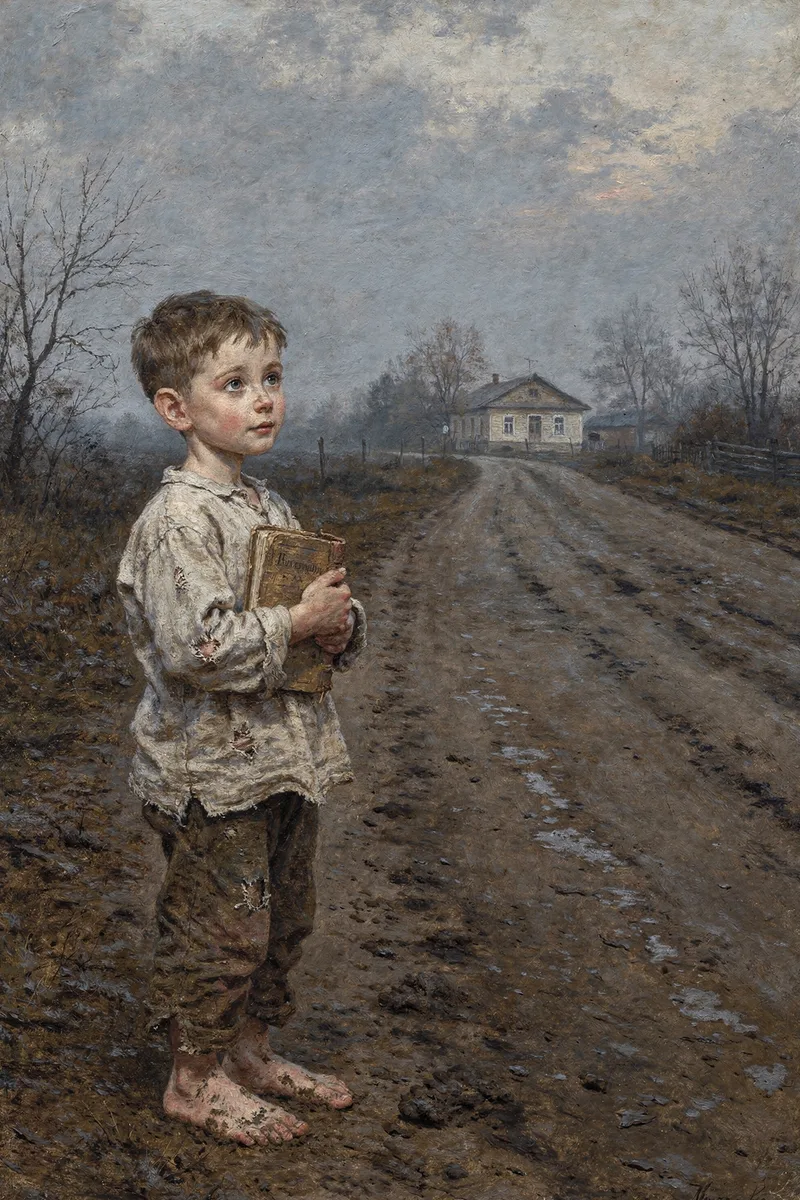
A gifted village boy, gentle and shy, wants nothing so much as to learn — but in a world of crushing peasant poverty, even a pair of boots and a teacher's kindness may not be enough to keep him in school.
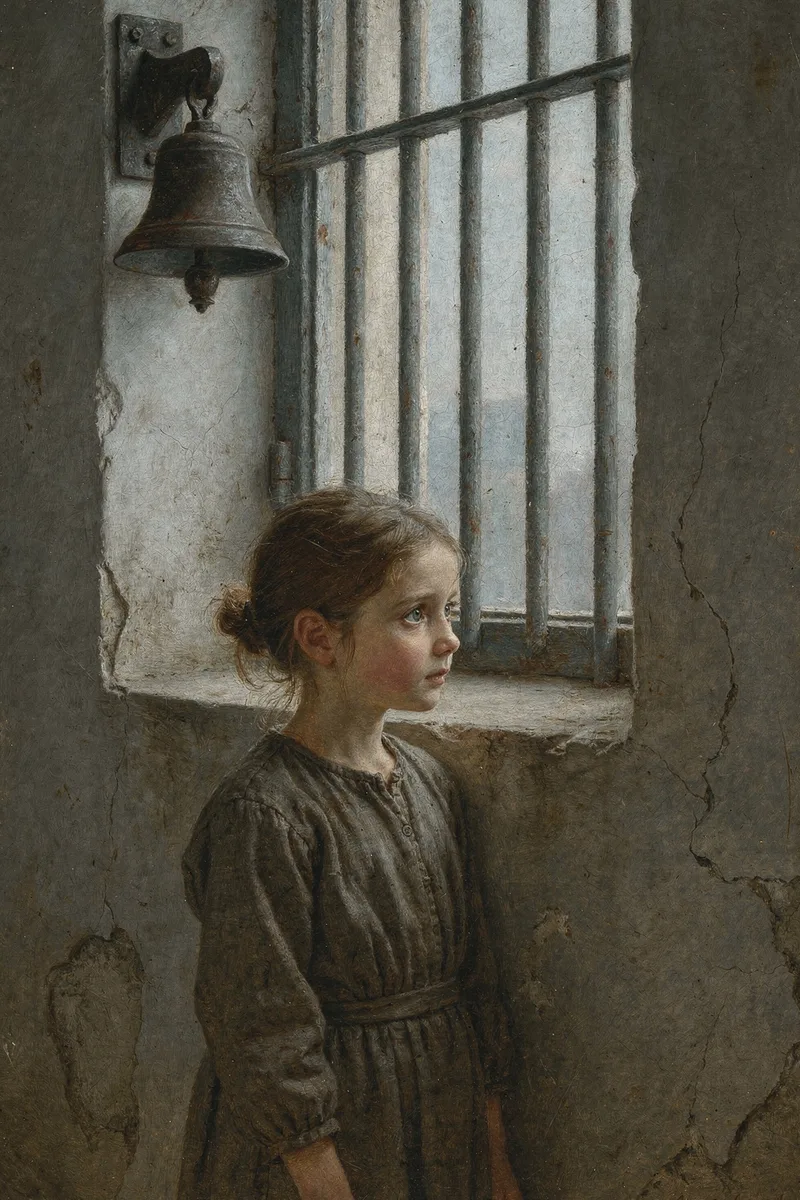
A gifted, songful little village girl is taken into a big-city orphanage-school, where an alien tongue and the merciless clang of the institution's bell close over her like cold water.
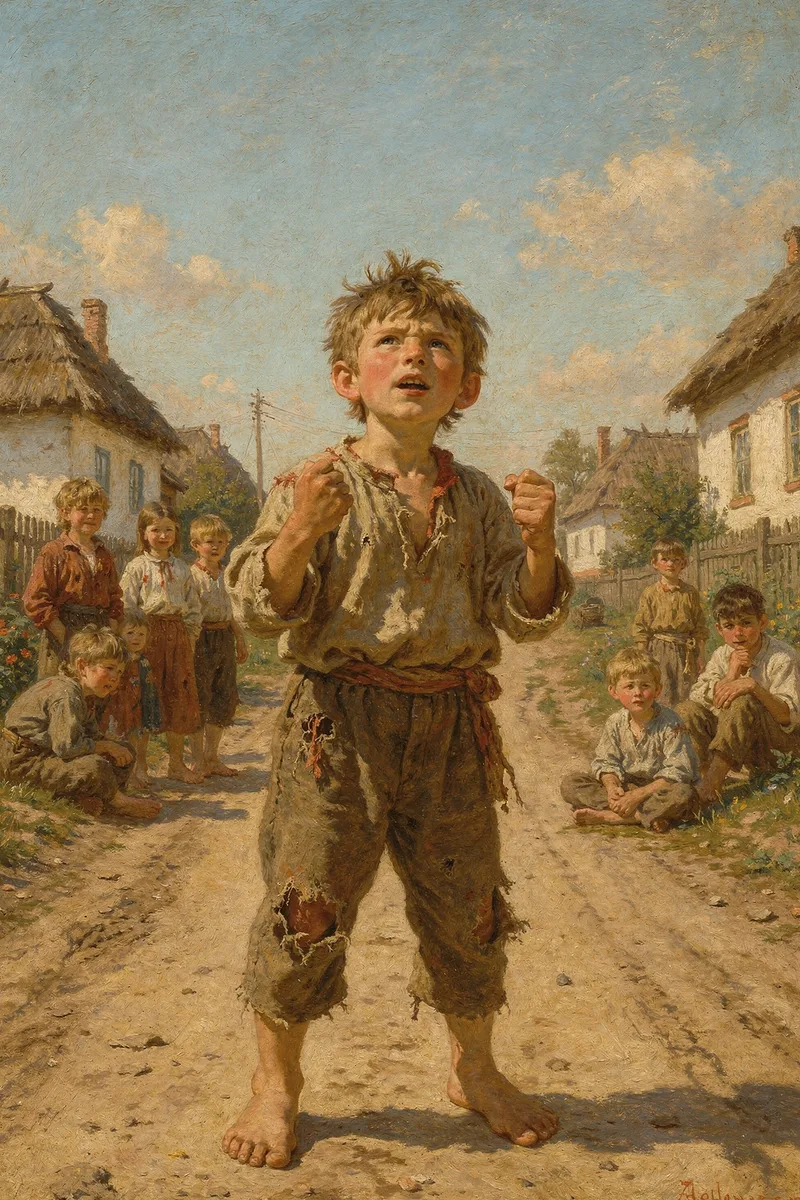
Fedko is the wildest boy on the street — the ringleader of every prank, the first into every fight, the one the neighbours blame for everything that goes wrong.
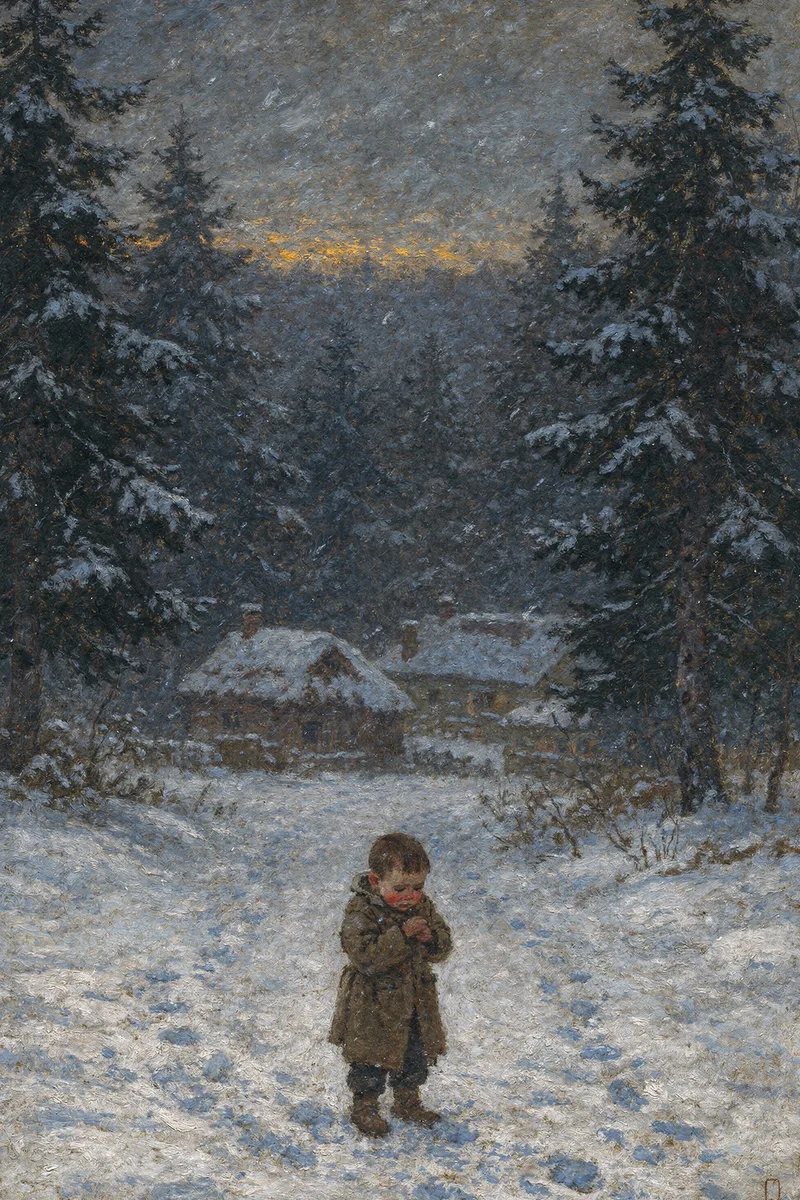
On a bitter winter's eve the destitute widow Katria tries to frighten her little son Pylypko out of going caroling by telling him of «Morozenko», the cruel old spirit of the frost.