Morozenko
About this story
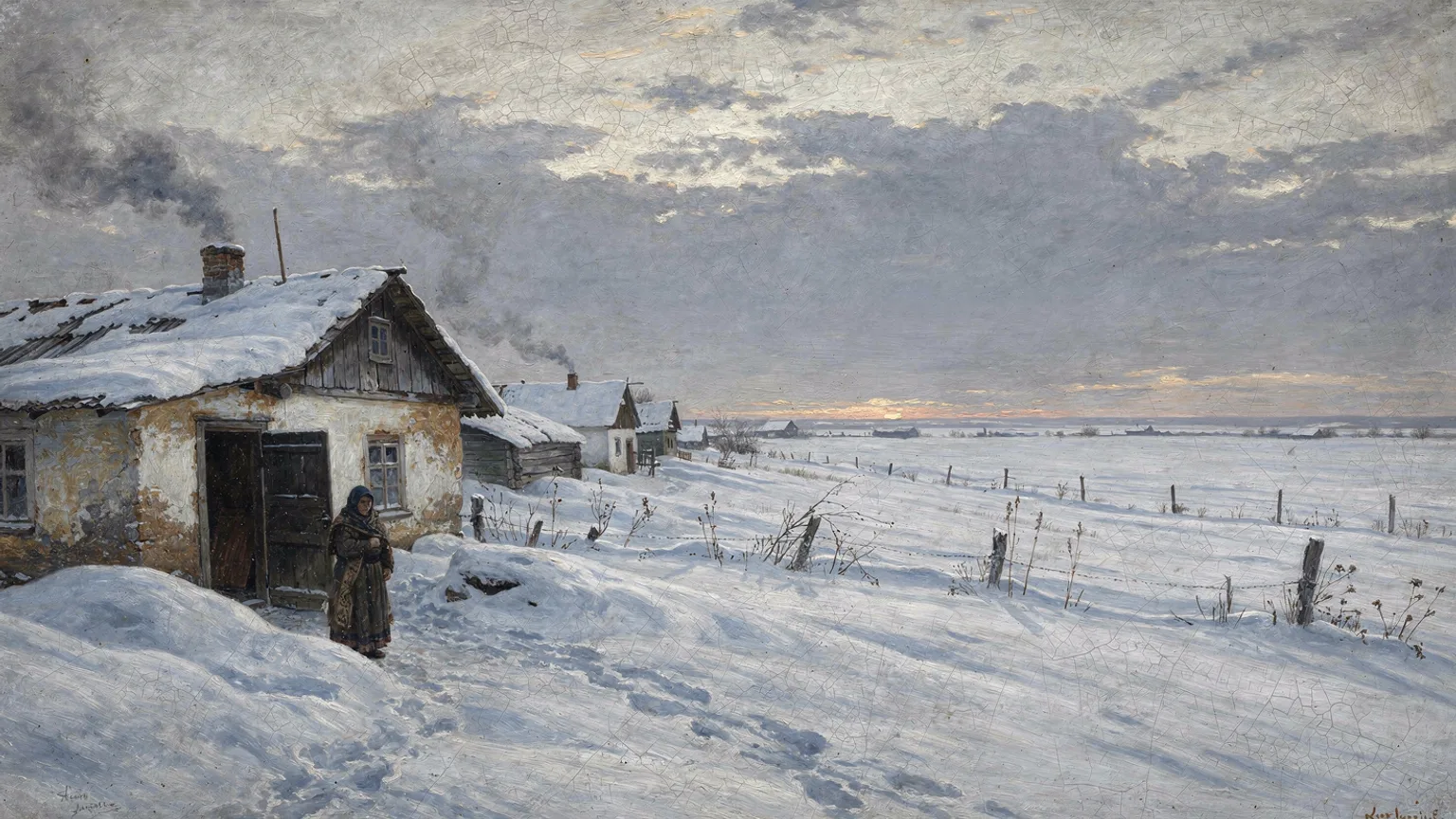
On a bitter winter's eve the destitute widow Katria tries to frighten her little son Pylypko out of going caroling by telling him of «Morozenko», the cruel old spirit of the frost. Hungry and longing to earn a few coins, Pylypko slips out into the blizzard anyway, loses his way in the forest, and freezes amid a fever-dream of snow and the old frost-king himself. Panas Myrny's bleak anti-idyll — a landmark of Ukrainian realism — ends with the mother finding her dead child and a neighbour coldly calling it a mercy.
By the numbers
About the author
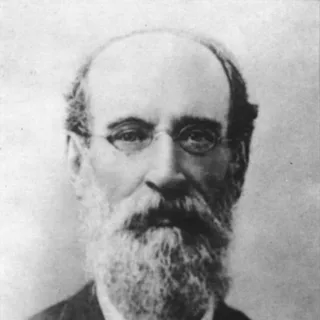
Panas Myrny (real name Panas Yakovych Rudchenko; 1849–1920) was one of the greatest Ukrainian realist prose writers of the second half of the nineteenth century. Born in Myrhorod in the Poltava region, he spent most of his life as a modest government clerk while carefully concealing his literary work behind a pseudonym. He is best known for the social-psychological novel «Do the Oxen Low When the Manger Is Full?» (written with his brother Ivan Bilyk) and the novel «Poviia» (The Fallen Woman). His prose fused a broad epic canvas of peasant life with a deep psychology of character; his Christmas-time story «Morozenko» tells of a poor peasant boy who freezes to death — a stark rebuke to the sentimental holiday tales of the day.
Recognition
A symphonist, a master of epic polyphony, he was the first to speak of the rhythm of prose, of its musicality, of the intonational correspondence of the authorial voice to the content and to a particular mood.
A rich vocabulary, an abundance of epithets and comparisons drawn both from the treasury of the people and from his own, a light and supple structure of the phrase, a brilliant and lively dialogue — this is Myrny's style.
Your works had a great influence on me. Besides the immense literary talent that captivated me at once, they also had an educative significance.
Myrny markedly expanded the lexicon of the literary Ukrainian language and, with his talent for rhythmic and melodious phrasing, enriched Ukrainian syntax.
Practice typing
Type this retelling one piece at a time — your progress is saved as you go.
If you liked this
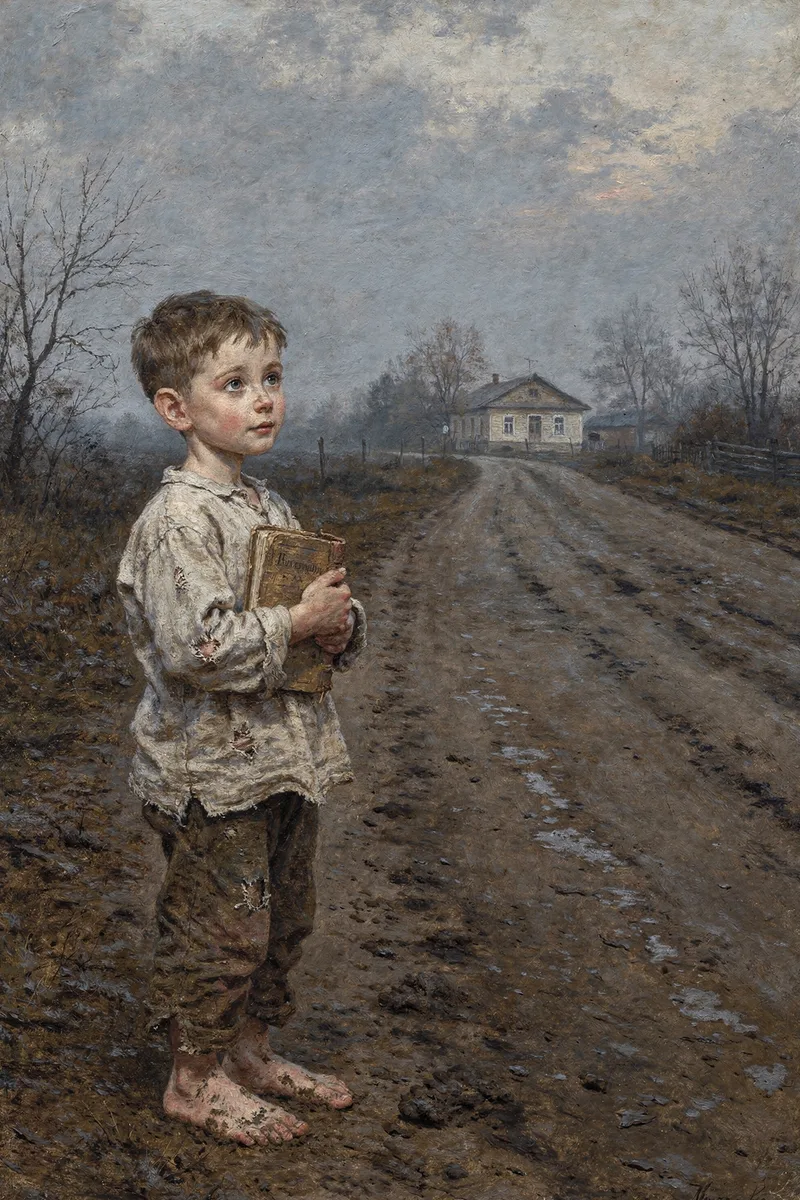
A gifted village boy, gentle and shy, wants nothing so much as to learn — but in a world of crushing peasant poverty, even a pair of boots and a teacher's kindness may not be enough to keep him in school.
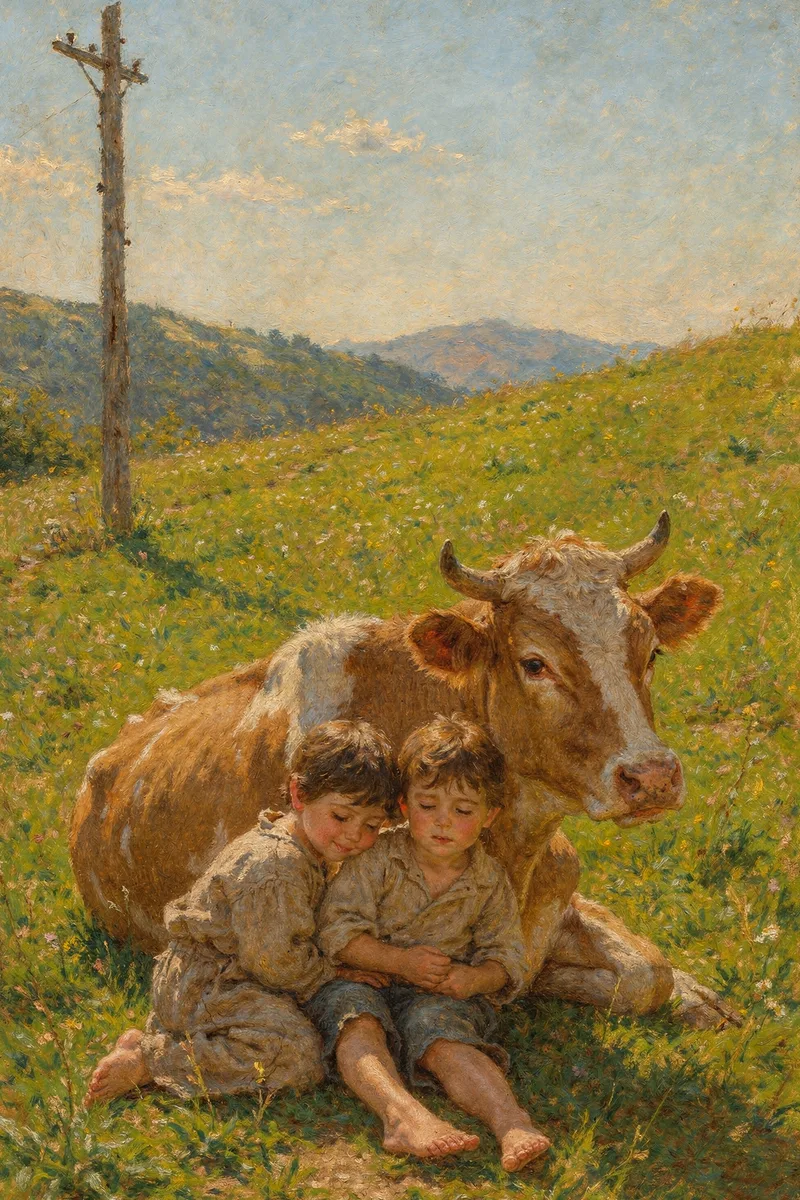
On a green triangular meadow called Somonte, cut at one corner by the Oviedo–Gijón railway, two motherless twins — Rosa and Pinín — and their gentle cow, la Cordera, are inseparable: «always the three of them».
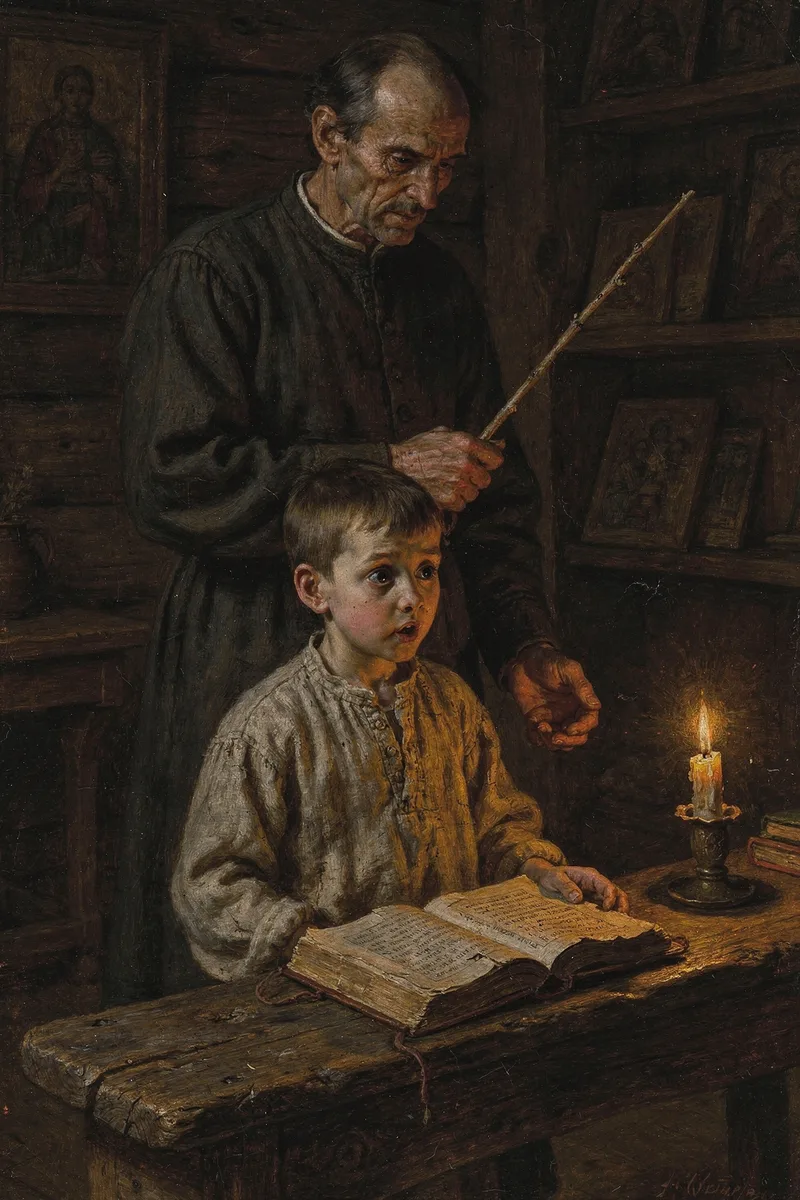
A quick, high-spirited village boy, raised on hard work and open fields, is handed over to the old village school — and to a year of rote drilling, fear and the rod.
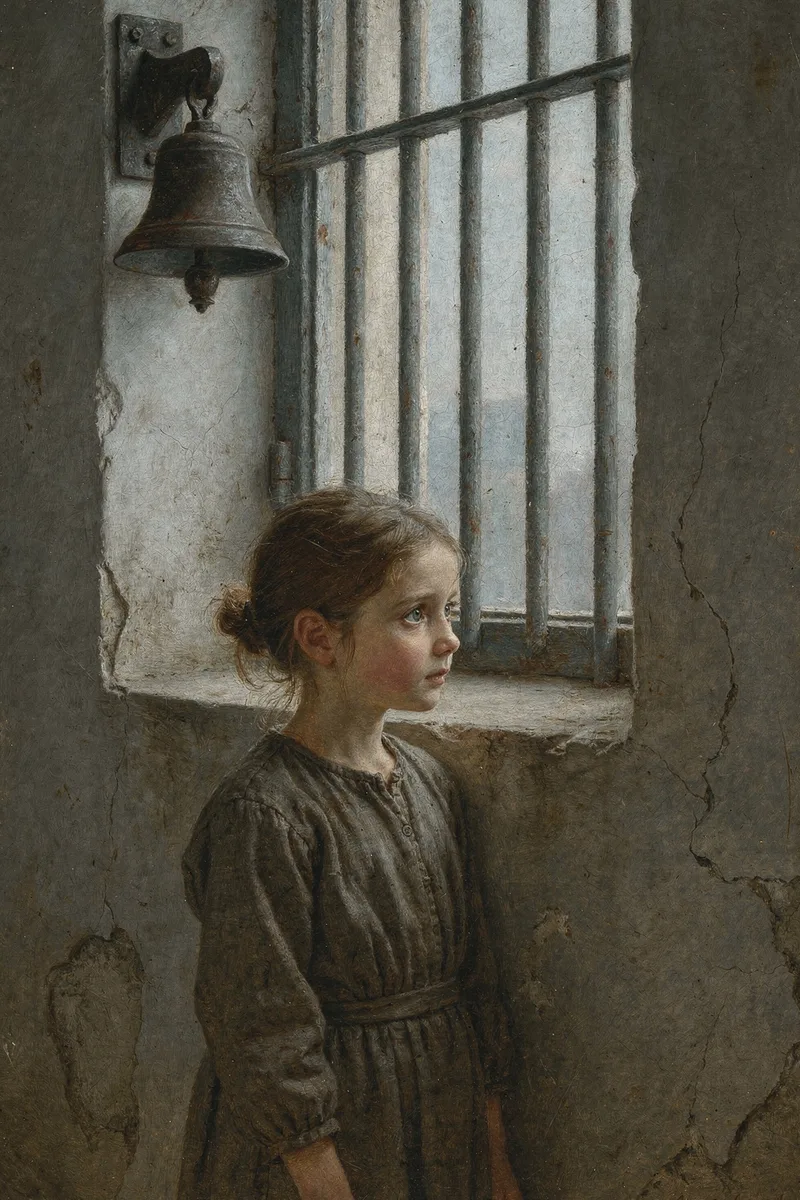
A gifted, songful little village girl is taken into a big-city orphanage-school, where an alien tongue and the merciless clang of the institution's bell close over her like cold water.